Beyond the Bloom: A Comprehensive Guide to Navigating Japan’s Cherry Blossom Season Through Responsible Travel and Local Wisdom

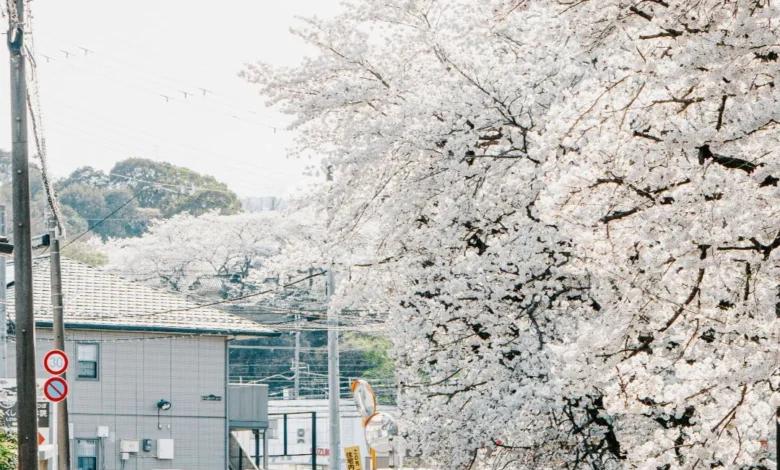
The arrival of spring in Japan is heralded by a biological and cultural phenomenon that captures the global imagination: the blooming of the sakura, or cherry blossoms. While these fluffy pink and white petals provide a quintessential backdrop for photography, they represent a deeply rooted philosophical concept known as mono no aware. This Japanese term translates roughly to "the pathos of things" or a sensitivity to ephemera—the bittersweet realization that beauty is transient and life is impermanent. For the modern traveler, witnessing this two-week spectacle requires more than just a plane ticket; it demands strategic planning, meteorological tracking, and a commitment to traveling in a way that respects the local communities currently grappling with the pressures of record-breaking tourism.
The Sakura Timeline: Understanding the ‘Cherry Blossom Front’
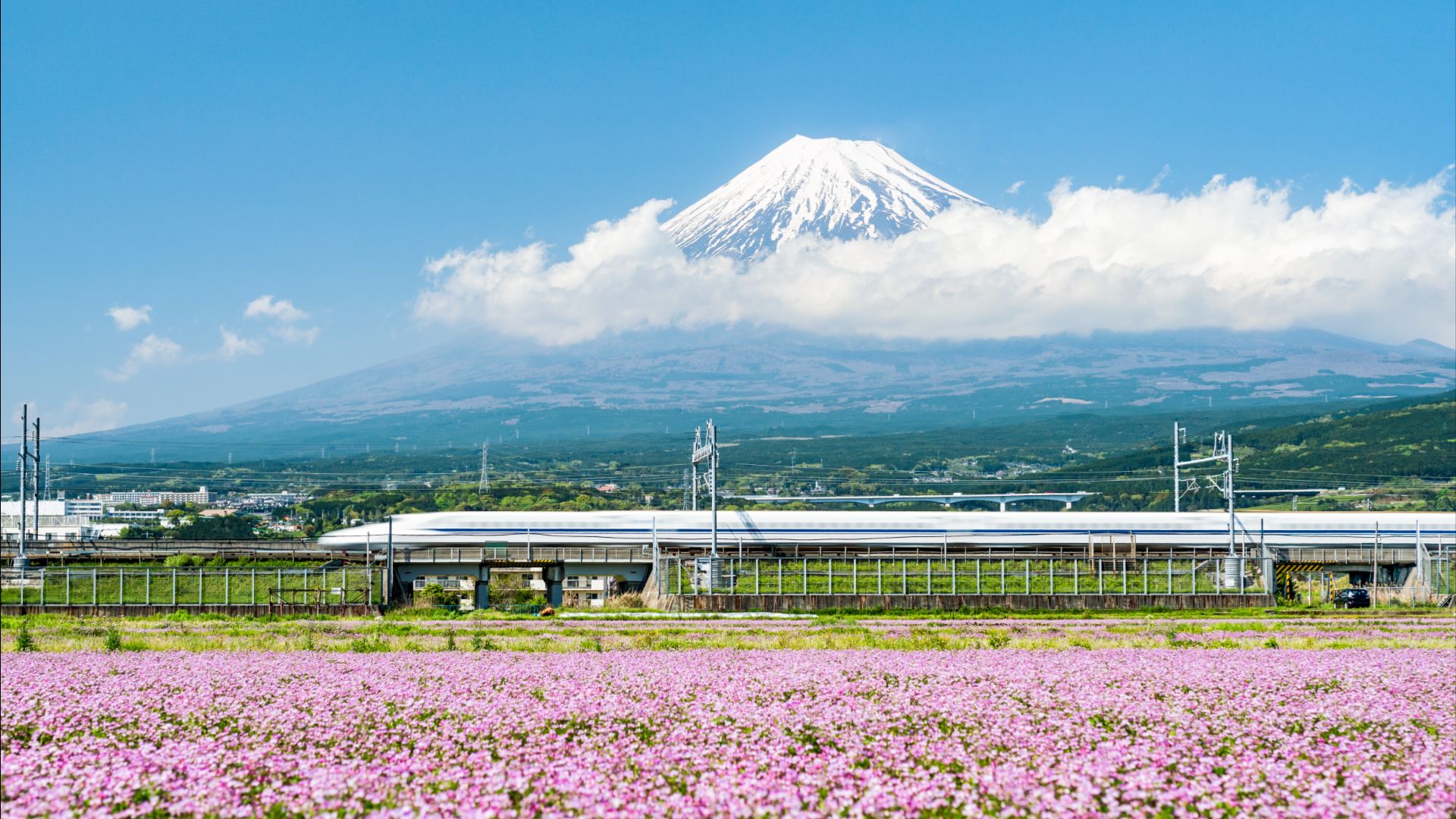
The blooming of cherry blossoms is not a simultaneous event across the Japanese archipelago. Instead, it follows a geographical progression known as the Sakura-zensen, or Cherry Blossom Front. Driven by rising temperatures, the blossoms typically begin their journey in the subtropical south (Okinawa) as early as January, reaching the mainland of Kyushu and Shikoku in late March, before sweeping through Honshu and finally concluding in the northern reaches of Hokkaido by early May.
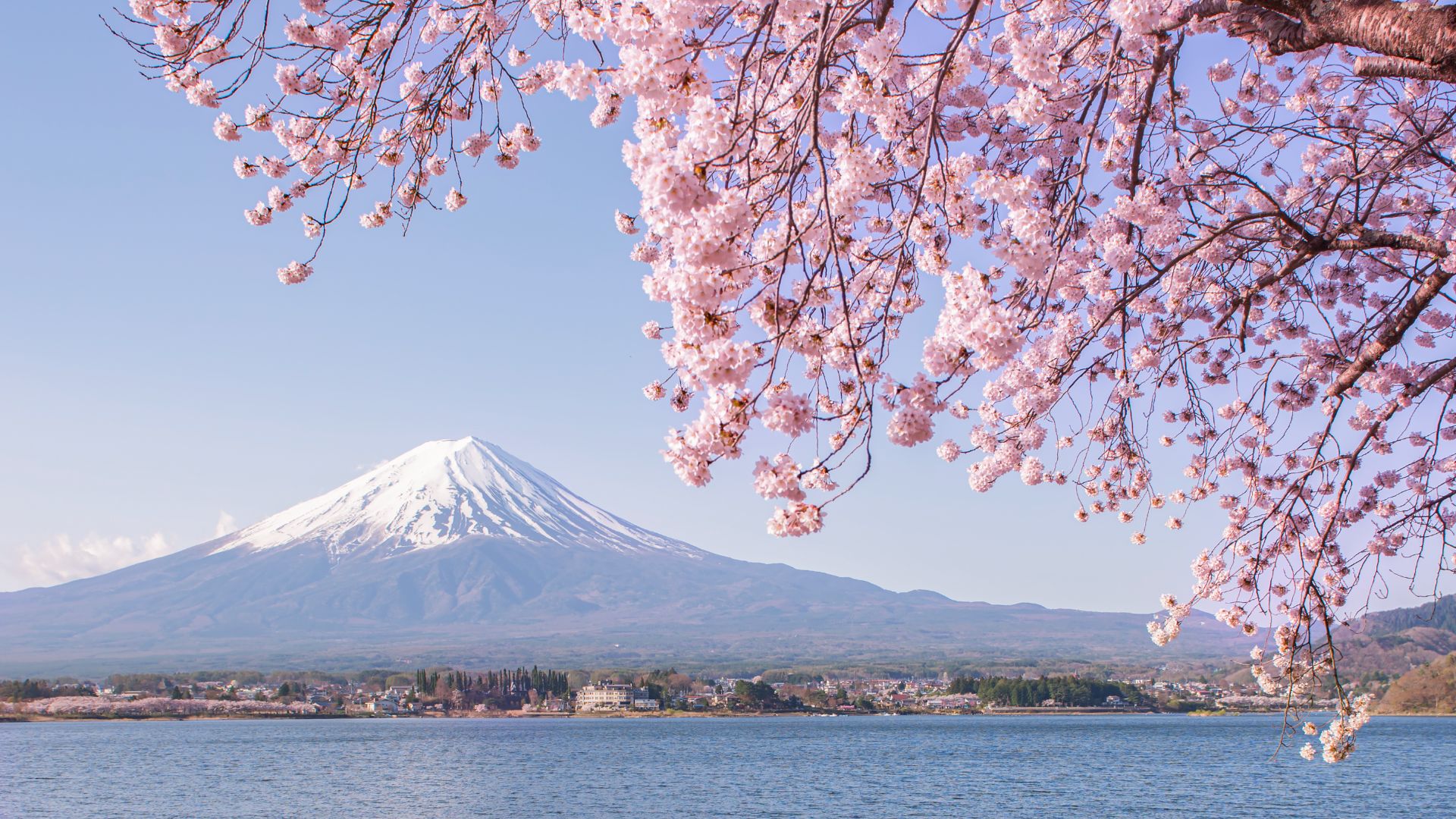
According to data from the Japan Meteorological Corporation (JMC), the timing of the "kaika" (first bloom) and "mankai" (full bloom) is subject to significant annual fluctuation based on winter temperatures and spring sunshine. For instance, in 2024, many regions saw earlier-than-expected blooms due to a record-warm February. For travelers, this means that flexibility is essential. A typical window for the iconic Somei Yoshino variety—the most common pale-pink blossom—lasts only about 14 days from the first bud opening to the final petal fall. The peak viewing period, where the trees are at their most lush, often lasts only five to seven days, barring heavy rain or wind which can prematurely end the season.
Historical Context and the Tradition of Hanami
The practice of hanami, or flower viewing, dates back over a millennium to the Nara Period (710–794), though it originally focused on plum blossoms (ume). By the Heian Period (794–1185), cherry blossoms took center stage, celebrated by emperors and aristocrats through poetry and feasts. It was during this era that the sakura became a metaphor for the samurai: beautiful, intense, and ready to fall at the height of its life.
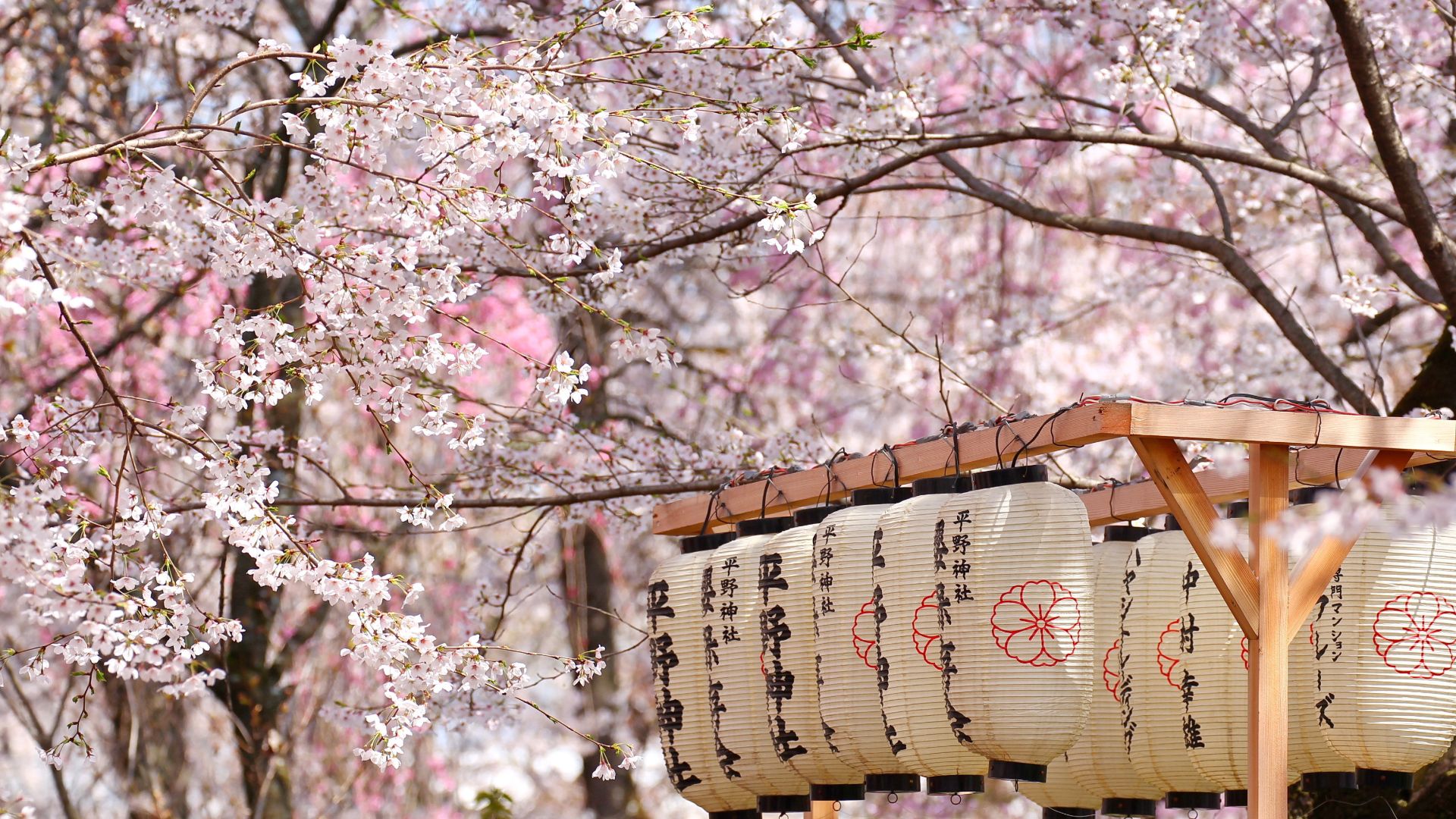
In contemporary Japan, hanami has evolved into a social cornerstone. It is marked by families, friends, and coworkers gathering on blue tarps beneath the trees in public parks. These gatherings are not merely picnics; they are communal acknowledgments of the changing seasons. In many cities, the celebration extends into the night, known as yozakura, where trees are illuminated by paper lanterns, creating a surreal, glowing canopy that contrasts against the dark spring sky.
Navigating the Impacts of Overtourism
As Japan’s popularity as a global destination reaches new heights—with the Japan National Tourism Organization (JNTO) reporting over 3 million monthly visitors in early 2024—the cherry blossom season has become a focal point for discussions on "kanko-kogai," or tourism pollution. The influx of visitors concentrated in "Golden Route" cities like Tokyo and Kyoto has led to significant logistical challenges.
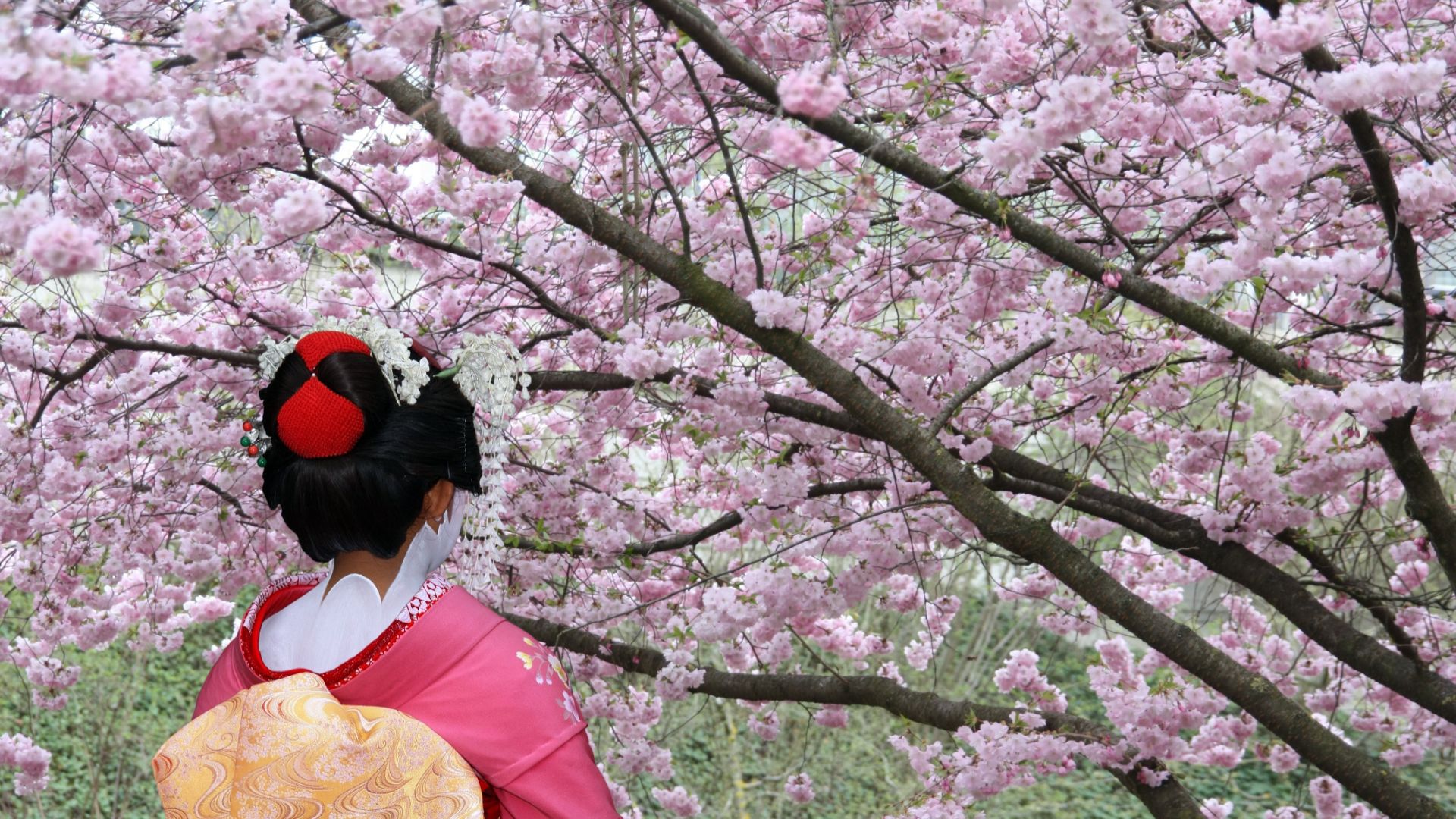
Kenny Onishi, General Manager of Intrepid Japan, notes that the surge in visitor numbers has forced some smaller municipalities to scale back or even cancel traditional festivals. The disruption of daily life, overcrowding of public transportation, and instances of disrespectful behavior—such as touching the delicate branches or trespassing on private property for photos—have led to a push for more mindful travel practices. In response, cities like Kyoto have implemented restrictions on photography in certain historic districts, such as Gion, to protect the privacy and dignity of local residents and working geiko (geisha).
To travel responsibly during this peak season, experts suggest "Value over Volume." This involves supporting locally-owned accommodations (ryokans), dining at independent eateries rather than international chains, and engaging with local guides who can navigate crowds while providing cultural context that an Instagram filter cannot capture.
Strategic Destinations for Seasonal Immersion
While Tokyo and Kyoto remain the most famous hubs for sakura, Japan offers a diverse array of viewing experiences that cater to different timelines and preferences.
Tokyo: The Urban Canopy
Tokyo offers a blend of futuristic skylines and historic greenery. Ueno Park, home to over 1,000 trees, is one of the city’s oldest and most crowded spots, often blooming slightly earlier than the rest of the city. For a more romantic atmosphere, the Meguro River provides a four-kilometer stretch of trees that lean over the water, creating a "tunnel" of petals. In late March, the river becomes a focal point for yozakura, with pink lanterns reflecting off the water’s surface.
Kyoto: The Cultural Heart
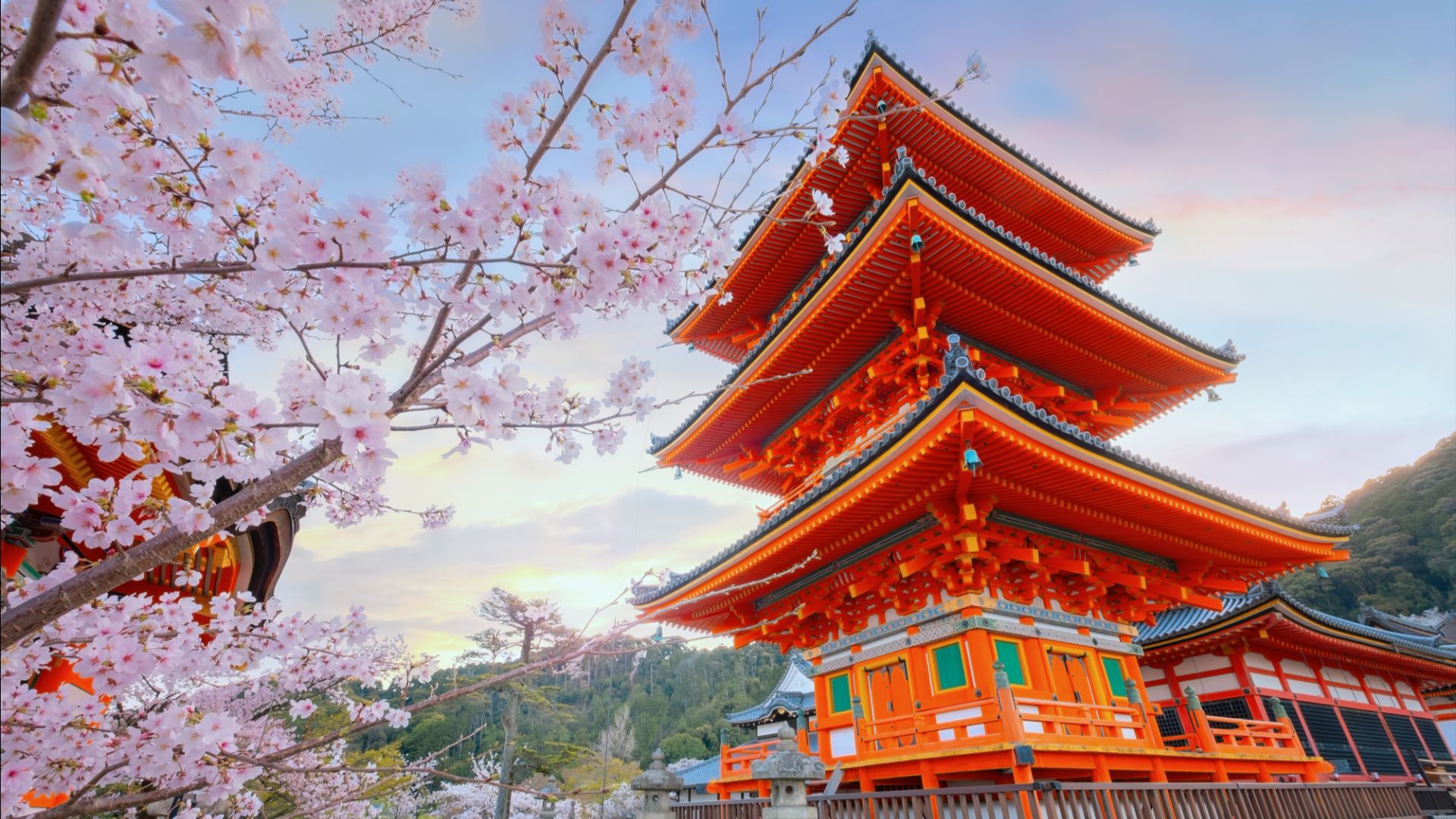
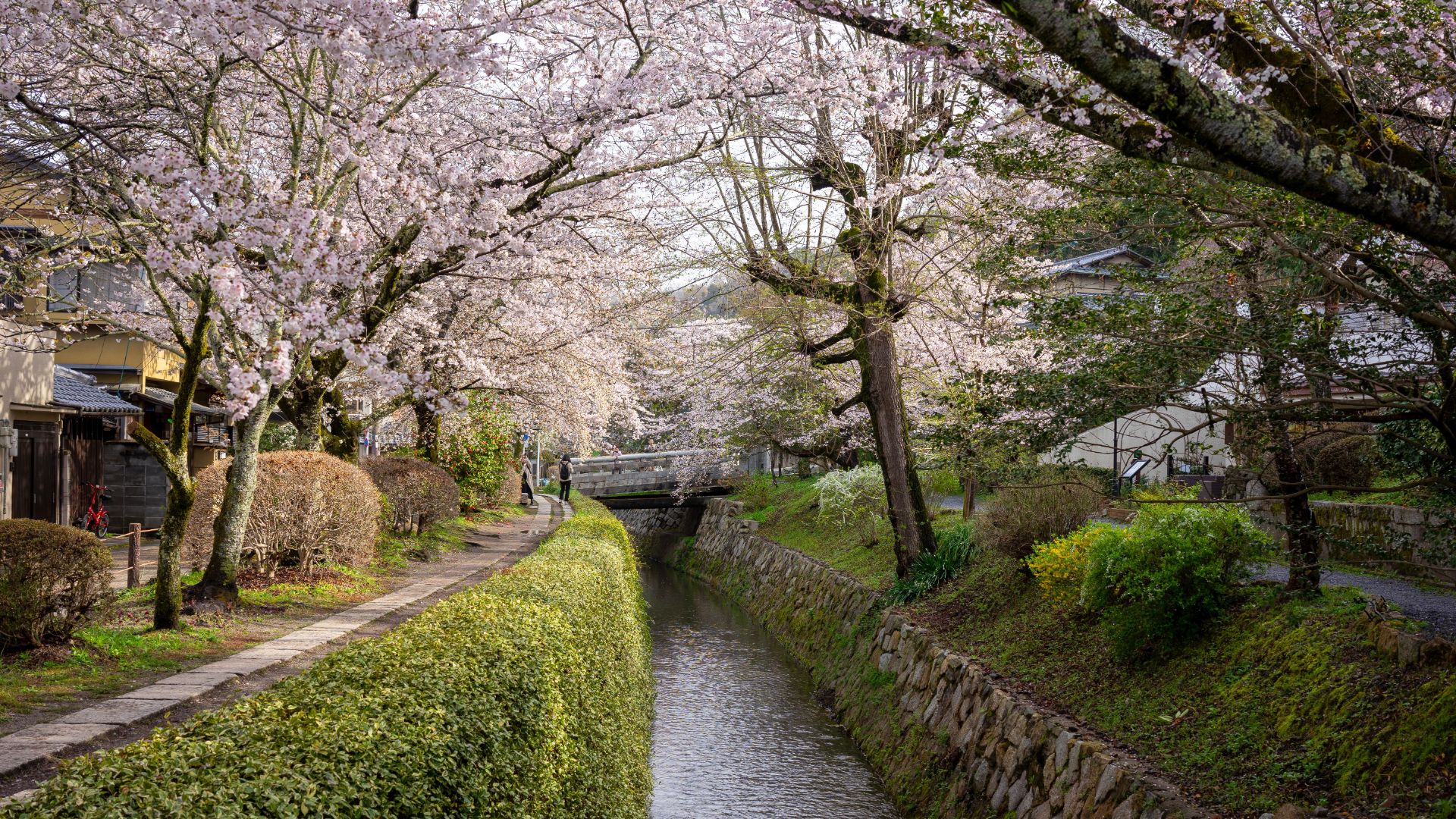
Kyoto’s 2,000 temples and shrines provide a timeless setting for the blossoms. The Philosopher’s Path, a stone walkway following a canal lined with hundreds of cherry trees, offers a contemplative experience. Arashiyama, on the city’s western outskirts, provides a more naturalistic view where blossoms dot the forested mountainsides. Travelers are encouraged to visit these sites at dawn to avoid the peak mid-day crowds and to experience the "quiet emotion" inherent in the mono no aware philosophy.
Nara: Sacred Groves and Ancient Giants
Located near Osaka, Nara Park is famous for its free-roaming sacred deer and the massive Todai-ji Temple. Here, the blossoms provide a soft contrast to the ancient timber structures. For those willing to travel deeper into the prefecture, Mt. Yoshino is arguably Japan’s most famous sakura destination. It features over 30,000 cherry trees planted across different elevations, ensuring a staggered blooming period that lasts longer than in the flatlands.
Hirosaki: The Northern Fortress
For those who miss the early April bloom in central Japan, Hirosaki in Aomori Prefecture is a premier late-season destination. Hirosaki Park, surrounding the 17th-century Hirosaki Castle, features over 2,500 trees. A unique highlight here is the hana-ikada (flower raft), where fallen petals completely carpet the castle’s moats, turning the water into a solid surface of pink.
Hokkaido: The Final Frontier
As the last stop for the spring season, Hokkaido’s blossoms typically arrive in late April or early May. In Sapporo, Maruyama Park and the Hokkaido Shrine are central hubs. In Hakodate, the star-shaped Goryokaku Fort offers a unique aerial perspective of blossoms contained within historic ramparts. Hokkaido also offers the rare opportunity to see cherry blossoms and plum blossoms blooming simultaneously due to the rapid transition from winter to spring.
Economic Implications and the "After-Bloom" Opportunity
The cherry blossom season is a massive economic engine for Japan. Estimates suggest that the "sakura economy" contributes hundreds of billions of yen to the national GDP through tourism, hospitality, and seasonal "sakura-flavored" products. However, the volatility of the bloom dates creates a high-stakes environment for local businesses.
Travelers who find themselves in Japan after the petals have fallen should not view their trip as a loss. The concept of "green maple" (aomomiji) in early summer and the dramatic "red maple" (momiji) of autumn offer equally stunning, and often less crowded, alternatives. Autumn foliage (koyo) typically peaks in late November in Tokyo and Kyoto, offering stable weather and a vibrant palette of ochre and crimson.
Beyond the Scenery: Deepening the Cultural Experience
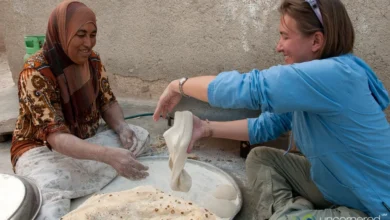
True engagement with Japanese culture involves looking past the aesthetic appeal of the trees. Meaningful travel can include participation in a chado (tea ceremony), where the preparation of matcha tea emphasizes mindfulness and the present moment—the very essence of the spring season. Other immersive options include staying in rural homestays, such as those in the tea-growing regions of Kawane, or participating in craft workshops like Kyo Yuzen silk dyeing in Kyoto.
These experiences provide a direct economic benefit to local artisans and farmers, ensuring that the traditions of Japan are preserved for future generations. By shifting the focus from "checking off" a bucket-list sight to "absorbing" a cultural ethos, travelers can mitigate the negative impacts of overtourism while gaining a deeper understanding of why these fleeting blossoms have captivated the Japanese soul for centuries.
Ultimately, the cherry blossom season serves as a reminder of the delicate balance between nature and civilization. To witness the sakura is a privilege, and to do so respectfully is the responsibility of every global citizen. Whether one catches the peak bloom or arrives just as the "snow" of petals begins to fall, the experience remains a profound lesson in the beauty of the temporary.