A Rare Encounter in the High Arctic: Inside the Polar Bear and Beluga Predation Phenomenon of Coningham Bay

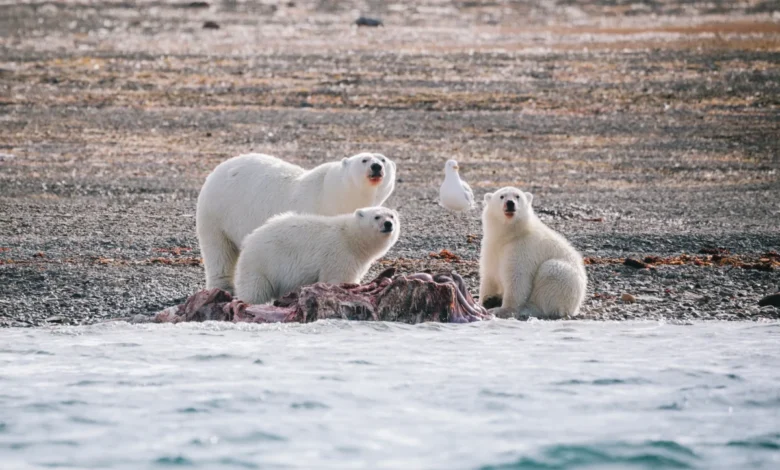
Deep within the remote expanses of Canada’s Nunavut territory, far above the 70th parallel north, lies a geographical anomaly that serves as one of the most remarkable wildlife predation spectacles on the planet. Coningham Bay, situated along the treacherous and historic route of the Northwest Passage, is the setting for an infrequent convergence of apex predators and marine mammals: polar bears actively hunting beluga whales. While mainstream wildlife documentaries occasionally capture this phenomenon, witnessing it firsthand remains an extraordinary rarity reserved for the few travelers and researchers who successfully navigate the unpredictable waters of the High Arctic.

Geographical Mechanics of Coningham Bay
To understand how land-dwelling polar bears routinely interact with marine cetaceans in this specific location, one must examine the unique topography of Coningham Bay. At first glance, the bay appears identical to the surrounding desolation of the Arctic tundra—wide, windswept, and seemingly devoid of complex biological activity. However, the bay features a narrow and shallow entrance that dictates the daily movements of local wildlife.
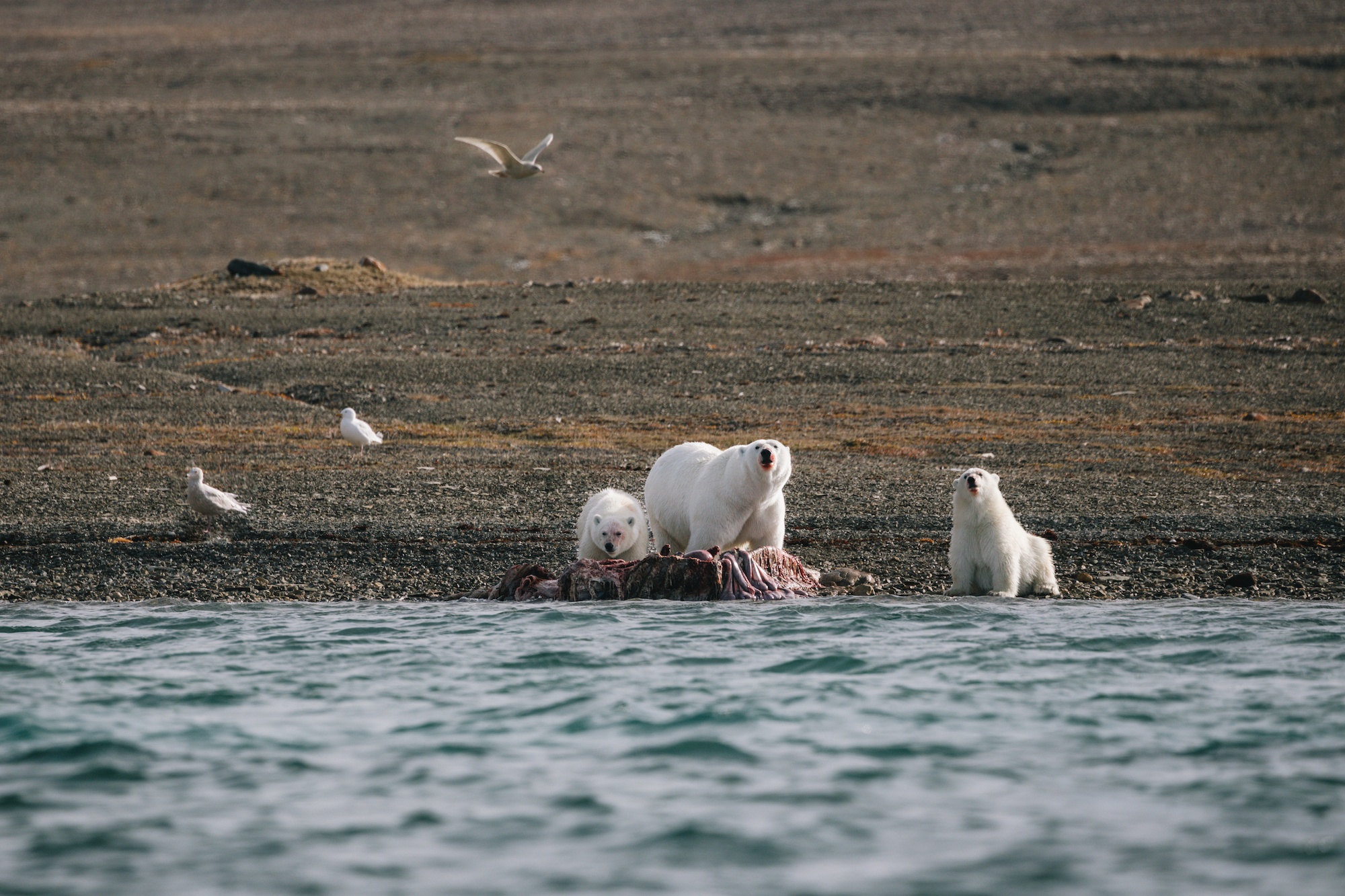
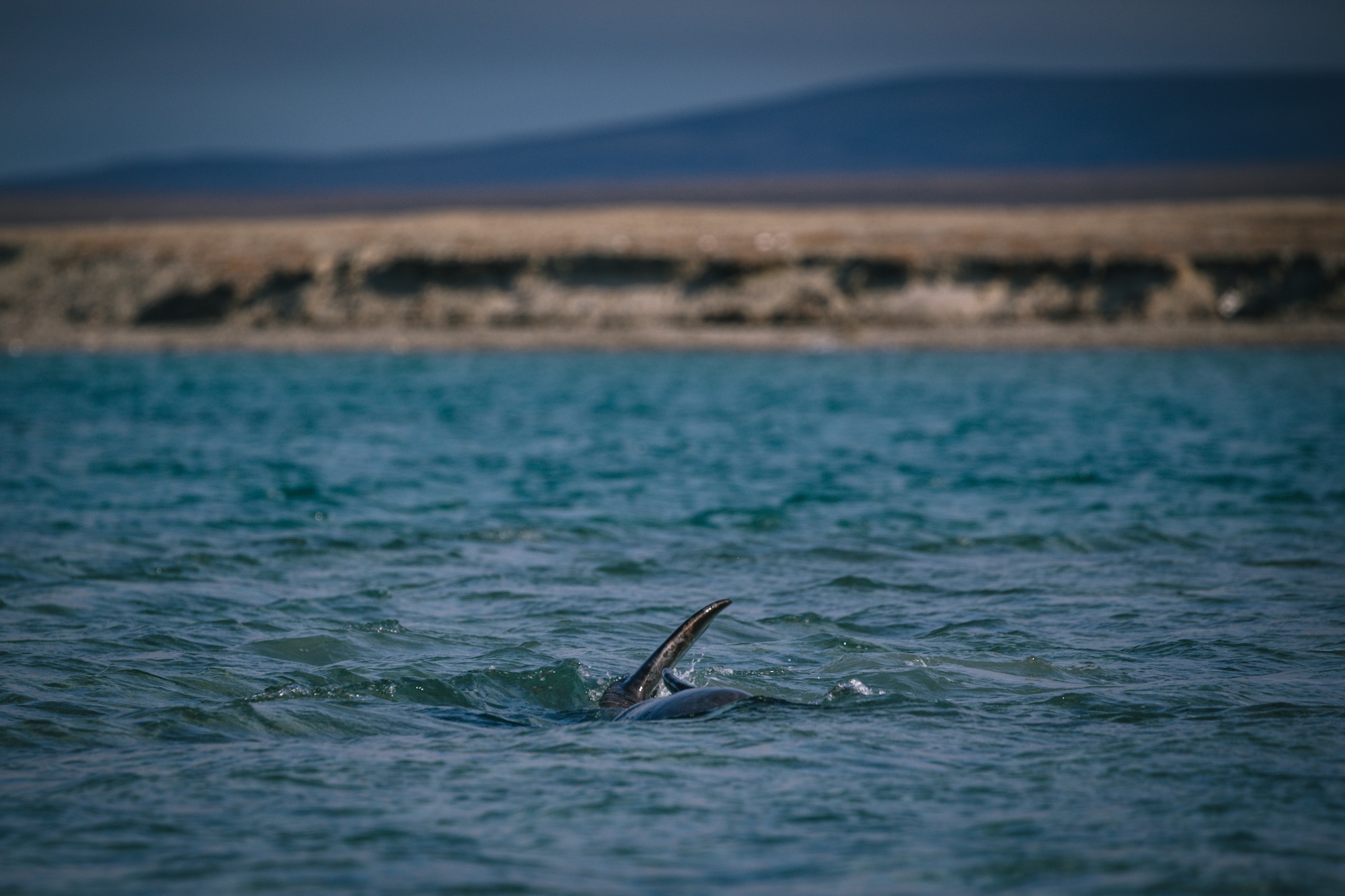
Beluga whales frequently enter the calm confines of the bay to molt, rubbing their skin against the pebble-strewn shallows to shed their outer layer. The geological trap is sprung when the tide recedes. During low tide, the entrance and interior of the bay become exceptionally shallow, temporarily trapping the marine mammals inside until the incoming tide restores sufficient depth for escape. This tidal vulnerability transforms the bay into a strategic feeding ground for hungry polar bears, which have learned to exploit the geometry of the coastline to secure high-caloric meals outside of their traditional seal-hunting season on the pack ice.
The Chronology of an Arctic Expedition
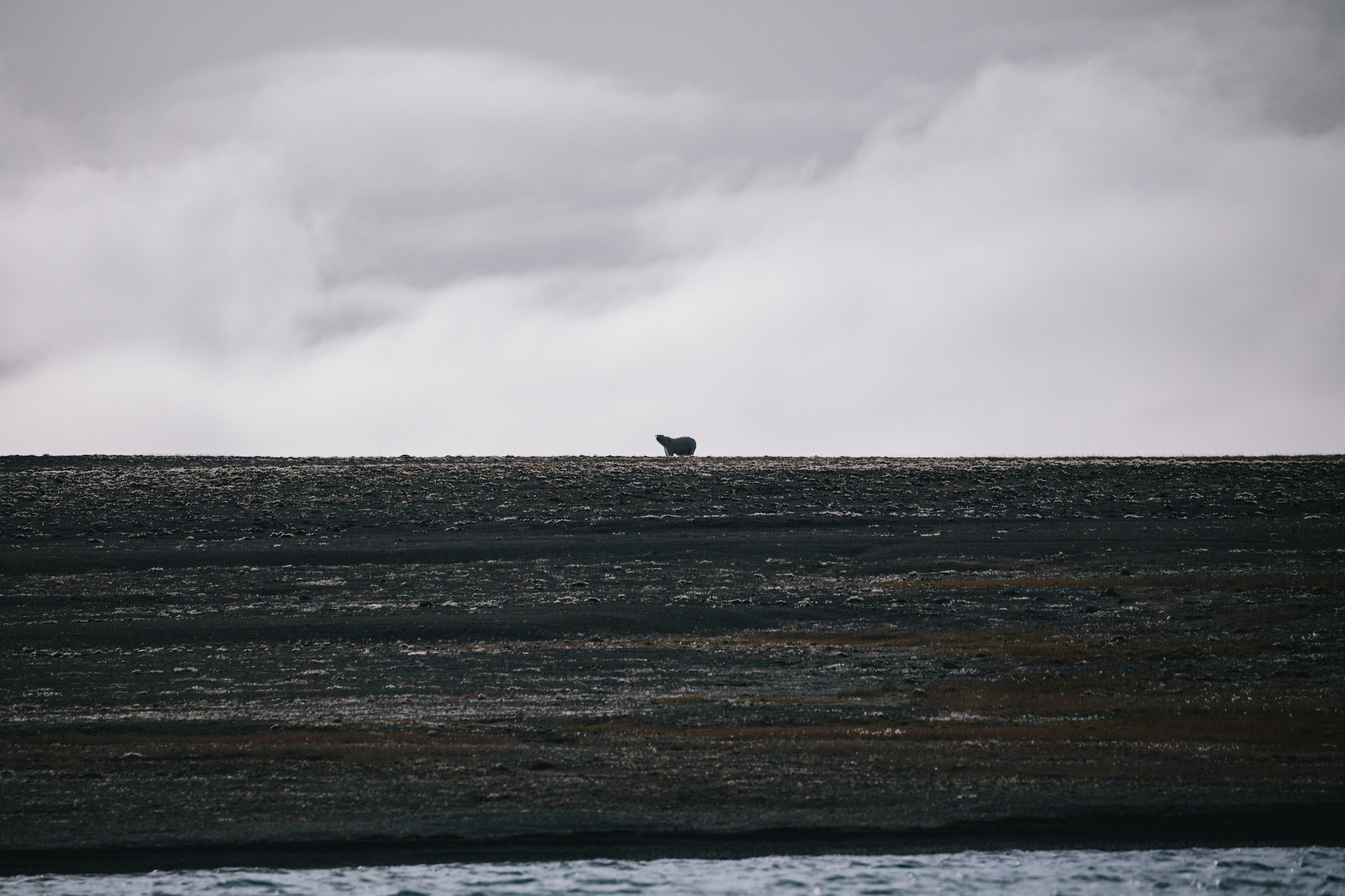
The journey to witness this ecological theater is dictated entirely by the unforgiving conditions of the Arctic autumn. Maritime travel through the Northwest Passage typically occurs during the brief window of late summer and early September, a transitional period when sea ice recedes just enough to allow reinforced expedition vessels to pass, yet cold enough for winter snows to begin dusting the tundra.
During a month-long expedition aboard the vessel Ocean Endeavour, operated by Adventure Canada on their "Out of the Northwest Passage" itinerary, passengers and crew approached Coningham Bay under crisp, autumnal conditions. Days before arrival, monitoring reports transmitted via shipboard radio indicated a high concentration of polar bears gathered along the coastline.
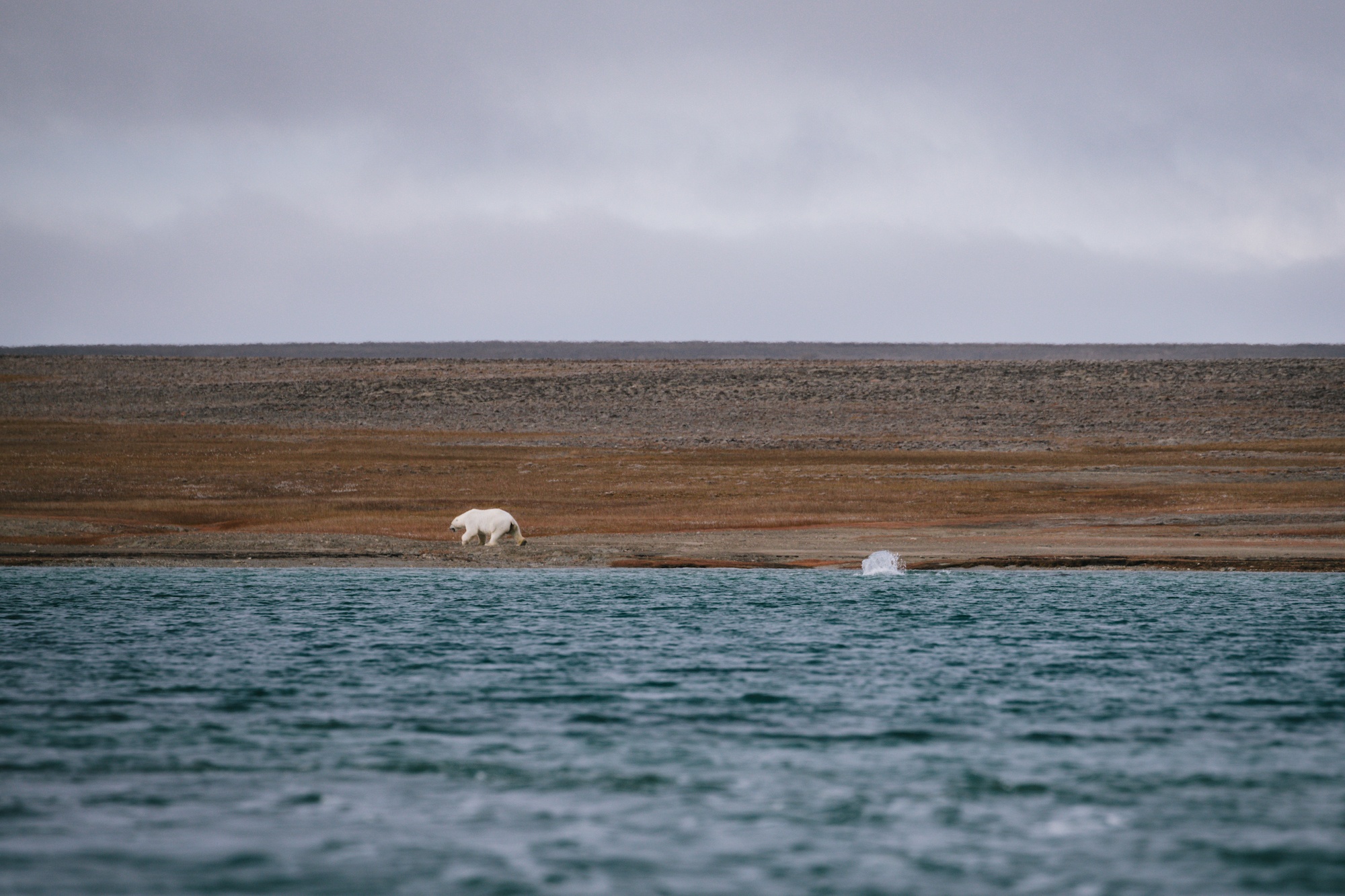
As the ship drew near the designated coordinates, protocols dictated the launch of rigid-hull inflatable Zodiac boats to transport observers closer to the shoreline. Adhering strictly to Association of Arctic Expedition Cruise Operators (AECO) guidelines, the operation maintained regulated distances from all wildlife to prevent disturbance. Accompanied by experienced local Inuit polar bear guards equipped with standard deterrents and safety gear, the expedition vessel deployed small craft into the crystal-clear, near-freezing waters of the bay.
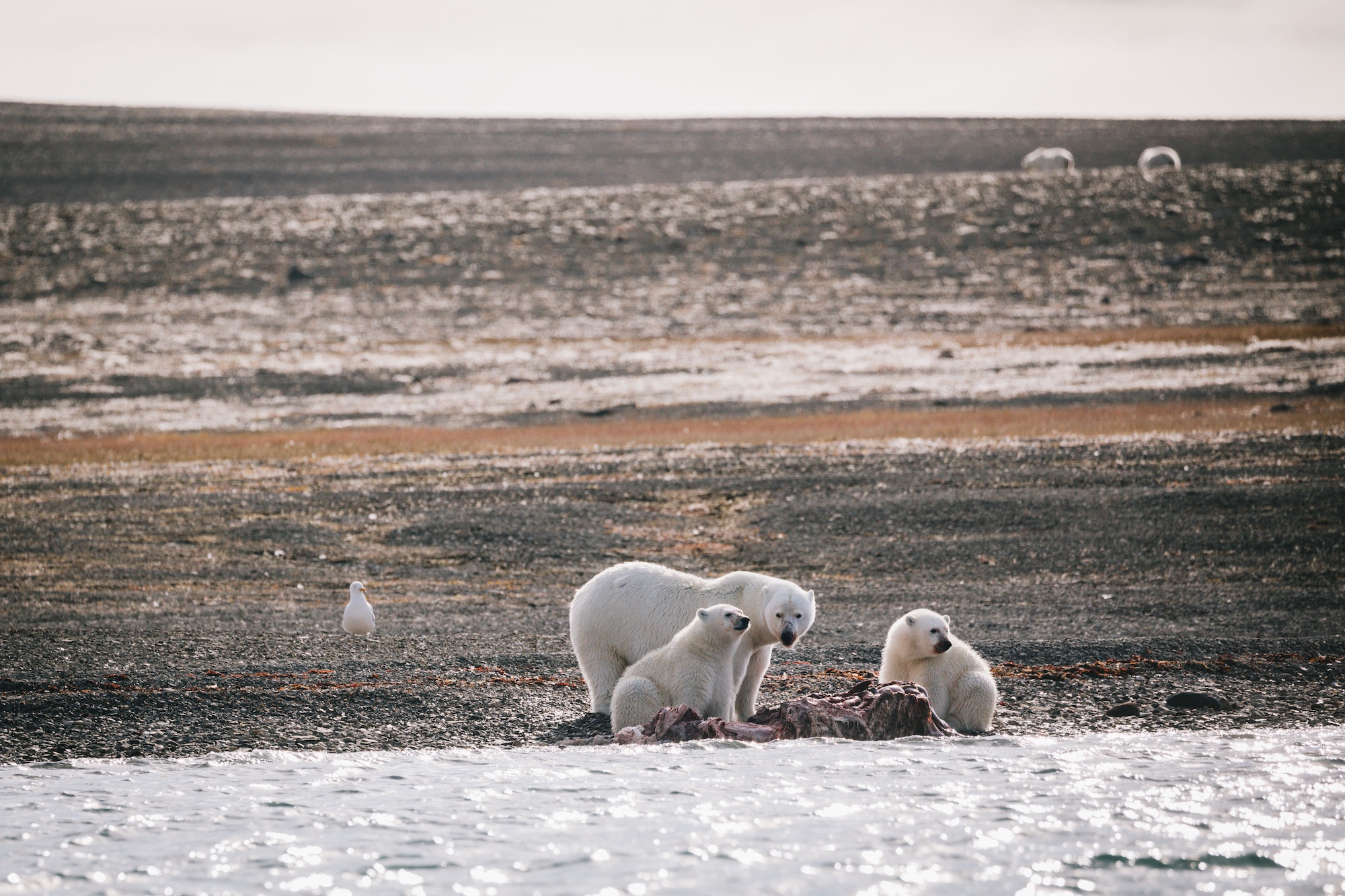
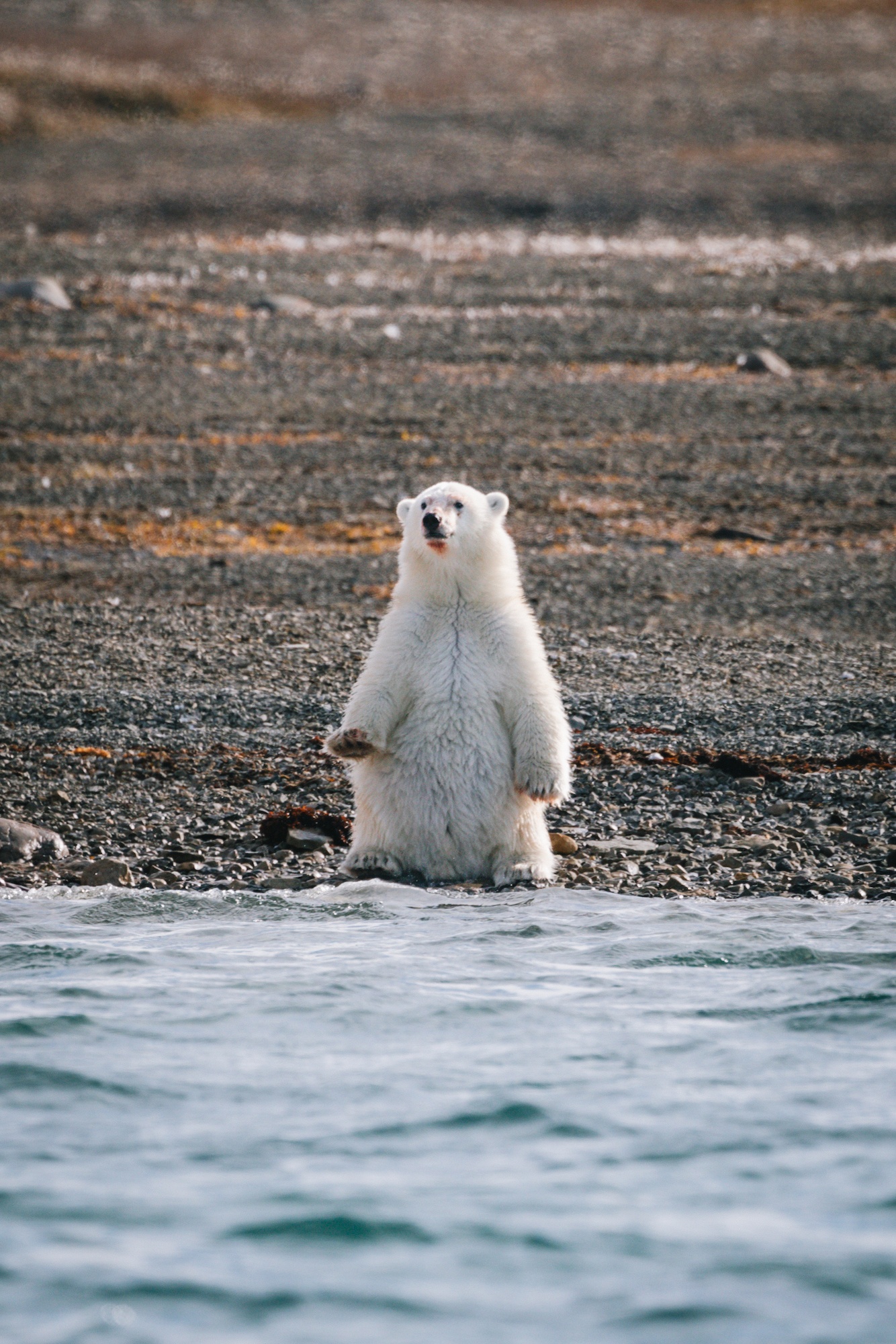
Upon entering the shallow basin, observers recorded a gathering of more than a dozen polar bears scattered along the coastline, including solitary males, mothers with cubs, and individuals actively swimming in the icy waters. Concurrently, pods of beluga whales could be seen navigating the shallows, while a rare sighting of a narwhal added to the biodiversity of the event. The density of apex predators in a localized area underscored the exceptional bounty provided by the trapped cetaceans, minimizing territorial aggression among the bears and allowing multiple individuals to feed concurrently.
Wildlife Management and Safety Protocols
Operating in close proximity to Ursus maritimus requires stringent safety and conservation measures. Polar bears are powerful, unpredictable carnivores, and encounters in remote regions carry inherent risks for both humans and wildlife. Expedition companies navigating Canadian Arctic waters operate under frameworks established by territorial authorities and international bodies like AECO.
Standard operating procedures mandate that commercial vessels maintain a buffer zone of at least 100 to 200 meters from polar bears on land or ice, though wildlife frequently closes the distance independently. The presence of indigenous Inuit bear guards is a critical component of Arctic tourism operations. Drawing on generations of traditional ecological knowledge, these guards monitor animal behavior for signs of stress, fatigue, or aggression, ensuring that human presence does not interfere with natural feeding or traveling patterns. Firearms and non-lethal pyrotechnic deterrents are carried exclusively as a last resort for human safety, though experienced crews utilize positioning and engine noise management to de-escalate potential conflicts long before intervention becomes necessary.
Broader Ecological Implications and Climate Context
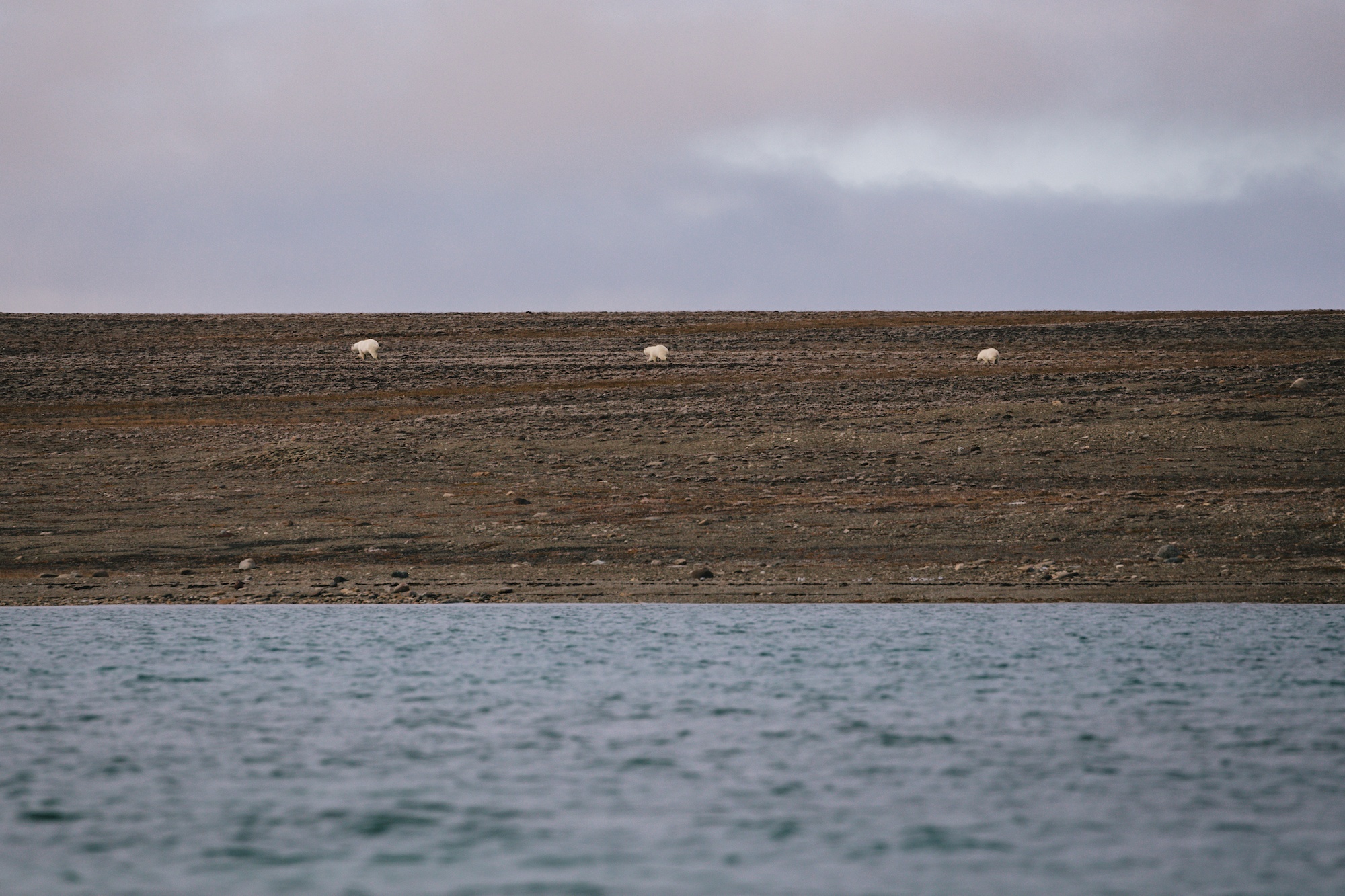
The predation dynamics observed in Coningham Bay offer valuable insights into the adaptability of polar bears amid changing climatic conditions. Traditionally, polar bears rely heavily on ringed and bearded seals hunted from stable sea ice platforms, which provide the high-fat diet necessary for survival and reproduction. However, warming trends and the progressive reduction of multi-year pack ice in the Arctic have altered traditional hunting seasons, forcing bears to spend extended periods on land.
While marine mammal predation—such as targeting belugas or scavenging stranded narwhals and bowhead whales—has been documented by indigenous hunters and biologists for centuries, the frequency and visibility of these events highlight the opportunistic nature of polar bears. Coastal accumulation points like Coningham Bay represent crucial resource hotspots where terrestrial and marine ecosystems intersect.
Researchers continue to study these localized phenomena to assess how apex predators adapt their foraging strategies to shifting environmental baselines. For the travelers and scientific observers aboard the expedition, the experience serves as a stark reminder of the raw, unfiltered realities of the Arctic ecosystem—where survival hinges on timing, geography, and the relentless forces of nature.
Related posts: