Accor Faces Shareholder Revolt as Major Investor Demands Removal of CEO Sébastien Bazin

The hospitality giant Accor finds itself at a critical crossroads as Parvus Asset Management, the company’s largest shareholder, has formally announced its intention to lobby for the removal of Sébastien Bazin from his roles as chairman and CEO. This dramatic escalation, revealed in a public letter published on Thursday, marks a significant turning point in the governance of the Paris-based hotel group. Parvus, which currently holds a 14.1% stake in Accor—an investment valued at approximately €1.6 billion—has signaled that it no longer views the current leadership as capable of unlocking the value expected by institutional investors.
The catalyst for this aggressive move appears to be Accor’s recent decision to finalize the €1.6 billion buyout of its partners in the Ennismore joint venture. Parvus has characterized this capital allocation as emblematic of a broader, long-term strategic failure. The investment firm’s call for a leadership overhaul is expected to be the central point of contention at the company’s next annual general meeting, which, while yet to be formally scheduled, is traditionally held in May.
The Case Against Leadership: A Decade of Underperformance
Parvus Asset Management’s argument is rooted in a comparative analysis of market performance that paints a stark picture of Accor’s trajectory relative to its global competitors. In its open letter, the investor highlighted that Accor shares have delivered a total return of 99% between December 2013 and November 2026. During that same period, the hospitality industry saw explosive growth among major rivals: InterContinental Hotels Group (IHG) saw a 593% return, Hilton Worldwide Holdings surged by 863%, and Marriott International led the pack with a 950% return.
For shareholders like Parvus, this widening gap is not merely a reflection of market volatility but the result of institutional inertia. The investor contends that the company has suffered from a sustained lack of focus, inconsistent capital allocation strategies, and governance structures that have failed to hold management accountable for failing to close the valuation gap with U.S.-based peers.
Contextualizing the Ennismore Buyout
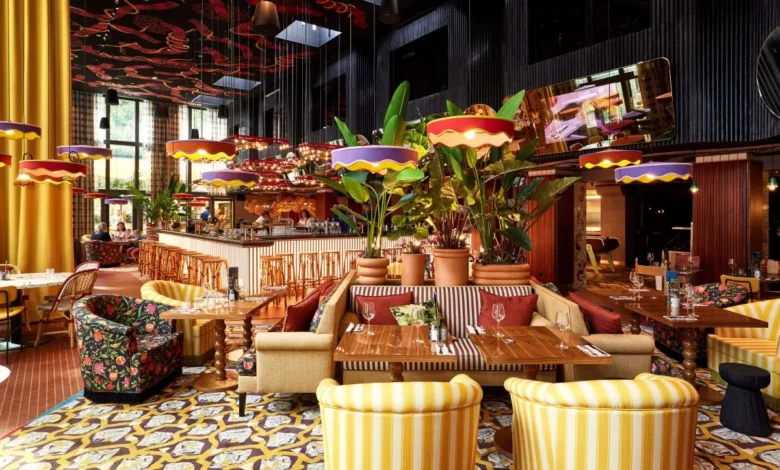
The decision to acquire full control of Ennismore, the lifestyle-focused hospitality company behind brands such as Mama Shelter and The Hoxton, has been a cornerstone of Bazin’s strategy to pivot Accor toward the luxury and lifestyle segments. While Accor leadership has consistently championed the acquisition as a move to dominate the high-growth "lifestyle" category, Parvus views the €1.6 billion expenditure as a misallocation of resources.

The acquisition was intended to streamline operations and integrate Ennismore’s creative, decentralized culture into Accor’s global distribution network. However, critics within the investment community have long questioned whether the premium paid for these lifestyle assets provides sufficient synergy to justify the dilution of capital that could otherwise have been used for share buybacks or debt reduction. By forcing a confrontation over this specific transaction, Parvus is effectively challenging the validity of Bazin’s vision for the company’s future.
Chronology of Governance and Strategy
Sébastien Bazin took the helm at Accor in 2013, a period defined by the need to modernize the group’s aging asset portfolio. Over the last thirteen years, the following milestones have defined his tenure:
- 2013–2015: The Asset-Light Transformation. Bazin initiated a radical shift, selling off physical real estate to transition Accor into an "asset-light" model, focusing primarily on hotel management and franchising.
- 2016–2019: Aggressive Expansion. Through a series of acquisitions—including Fairmont, Raffles, and Swissôtel—Bazin expanded the group’s footprint in the high-margin luxury segment.
- 2020–2021: Pandemic Resilience. Like all hospitality firms, Accor faced severe liquidity crises. Bazin navigated the collapse of global travel, but critics argue the subsequent recovery phase lacked the aggressive pace seen in American competitors.
- 2021–2024: The Ennismore Integration. The creation and subsequent consolidation of the Ennismore joint venture became the primary vehicle for growth.
- November 2026: The Formal Challenge. Parvus Asset Management publicly declares a lack of confidence in Bazin, marking the first time such a major shareholder has openly called for a boardroom coup.
Implications for Governance and Market Stability
The move by Parvus is expected to trigger a significant period of uncertainty for the group. While Accor has not yet issued a formal response to the request for comment, the internal pressure on the board of directors will be immense. The board must now weigh the risks of dismissing a long-standing CEO against the risk of an increasingly hostile shareholder base that threatens to disrupt the company’s strategic agenda.
Institutional investors often view the "Key Man Risk" associated with leaders like Bazin—who has become synonymous with the company’s corporate identity—as a double-edged sword. While his experience is viewed as an asset in navigating the complex regulatory environment of the European hospitality sector, the sustained underperformance suggests that the market is prioritizing financial discipline over the current brand-heavy growth strategy.
Broader Industry Trends and Investor Sentiment
The hospitality sector has experienced a dramatic post-pandemic rebound, yet European operators have largely failed to capture the same investor enthusiasm as their American counterparts. Analysts suggest that this is due to several structural factors: higher labor costs in Europe, more restrictive employment regulations, and a more fragmented real estate market.
Marriott and Hilton have successfully leveraged their massive loyalty programs and domestic U.S. market dominance to achieve scale and operational efficiency. In contrast, Accor has had to navigate a more diverse portfolio across fragmented European markets, which has historically hindered the scalability of its digital and loyalty platforms.

If Parvus succeeds in its efforts, the next CEO of Accor will likely be tasked with a mandate of "radical simplification." This would likely include a review of the entire brand portfolio, potential divestitures of non-core assets, and a renewed focus on returning capital to shareholders. The demand for a change in leadership signals a broader shift in the investment landscape, where "growth at all costs" is being replaced by a demand for rigorous capital discipline.
The Road to the Annual Meeting
With the annual meeting likely set for spring 2027, both sides will spend the coming months lobbying the wider shareholder base. Accor’s board will need to present a compelling case for why Bazin’s current strategy is nearing a turning point that will yield the returns shareholders demand. Conversely, Parvus will need to demonstrate that a change in leadership is not merely a reaction to past performance, but a necessary step for the company’s future viability.
As of late November 2026, the market response to the news has been characterized by cautious observation. While Accor shares have historically lagged, the prospect of a leadership change often creates a short-term floor for stock prices as investors anticipate potential restructuring. However, the outcome remains highly unpredictable. Should other major institutional shareholders align with Parvus, the board of Accor may find itself with little choice but to initiate a transition plan to avoid a protracted and public proxy battle.
For the hotel industry at large, this development serves as a stark reminder that even the most established global leaders are not immune to the pressures of modern shareholder activism. The coming months will be pivotal, not only for Accor but for the broader European hospitality sector as it continues to grapple with the challenge of balancing long-term brand equity with the short-term demands of global capital markets. Whether this leads to a revitalized Accor or a period of protracted instability, the influence of Parvus Asset Management has irrevocably altered the narrative surrounding one of the world’s largest hotel groups.