Saratoga Springs Chowderfest: A Mid-Winter Economic and Culinary Cornerstone of Upstate New York


On the first Saturday of every February, the city of Saratoga Springs, New York, undergoes a profound transformation. As temperatures frequently dip into the single digits and snow accumulation blankets the historic downtown corridor, the quiet "off-season" rhythm of the city is interrupted by an influx of approximately 20,000 visitors. This phenomenon is driven by Chowderfest, an annual culinary festival that has evolved from a local gathering into a significant economic driver for the region. Over the course of five hours, dozens of local restaurants compete for the title of "best chowder," serving thousands of four-ounce portions to a public that treats the event as a mandatory winter tradition.
The Origins and Evolution of the Festival
Chowderfest was established to address a perennial challenge in the hospitality industry: the "dead zone" of February. In a city where the local economy is traditionally anchored by the high-profile Saratoga Race Course during the summer months and tourism related to the Adirondack Mountains in the winter, February historically represented the lowest point for revenue in the downtown district.
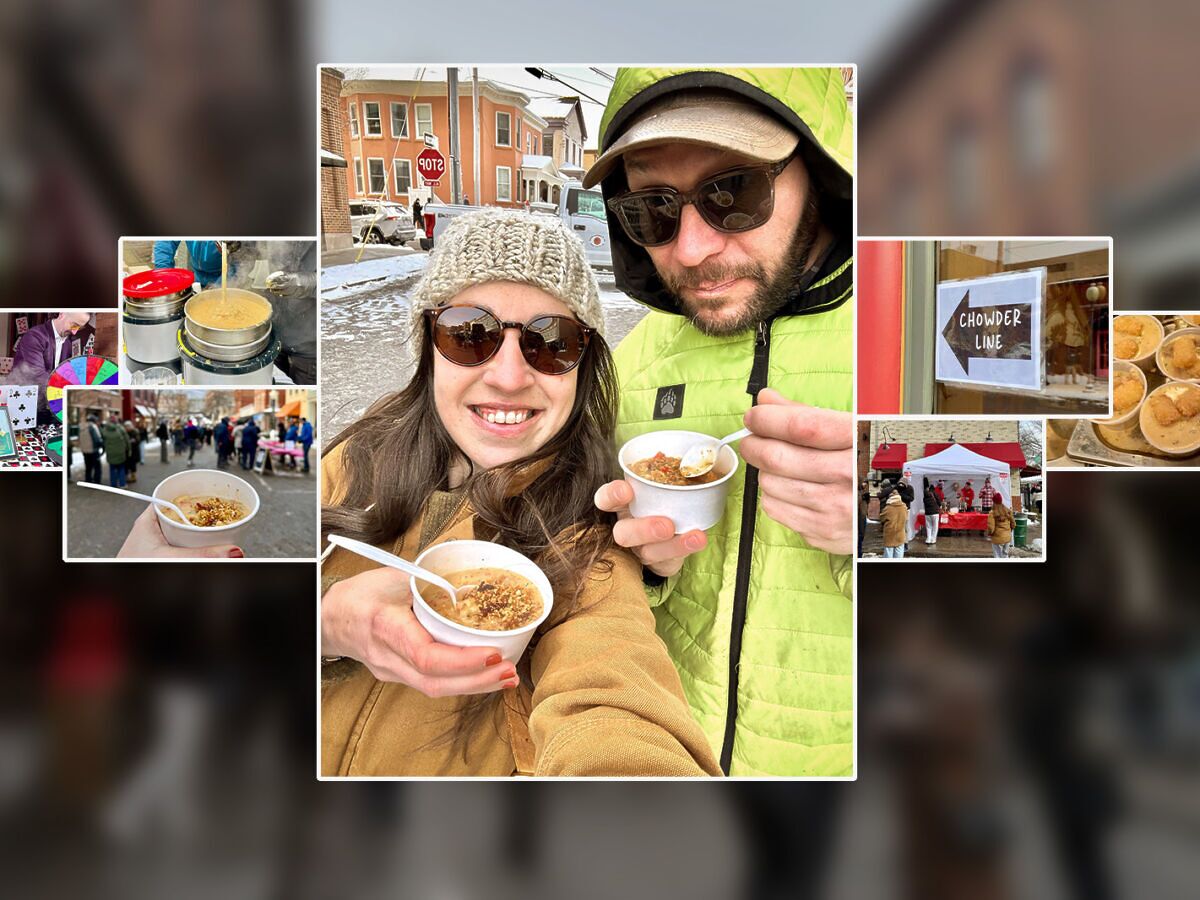
The inaugural event, held over two decades ago, began as a modest attempt to encourage foot traffic in the downtown business district. It has since matured into a highly organized, city-wide operation. Now in its 27th year, the festival features 88 participating vendors, ranging from long-standing staples like Solevo Kitchen & Social and Druthers Brewing Company to newer entrants on the city’s hospitality scene. The expansion of the event has been supported by the Saratoga Springs Downtown Business Association, which manages the logistics of street closures, sanitation, and digital voting infrastructure.
A Data-Driven Culinary Competition
The structure of the event is designed to maximize engagement. While admission to the festival is free, individual four-ounce samples are priced at a nominal fee, typically $2 per cup. This low barrier to entry encourages high-volume consumption; it is common for attendees to sample between six and twelve different varieties of soup over the course of the afternoon.
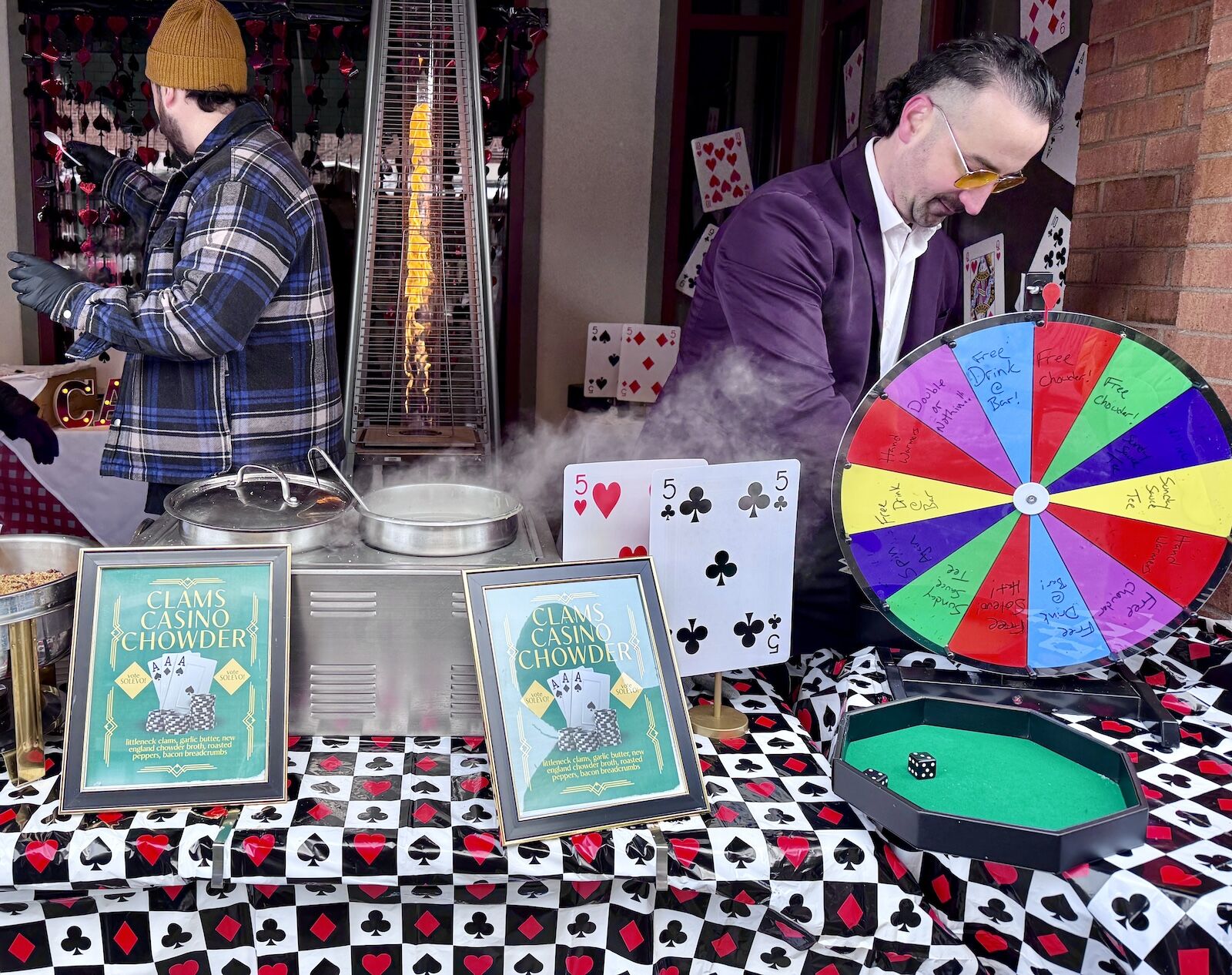
The competition is segmented by volume and category, though it remains largely democratic. The "People’s Choice" award is the most coveted, determined by a proprietary mobile application that allows attendees to rate each sample in real-time. Data from the 2026 event indicated that vendors who emphasize creative ingredients—such as the smoky corn chowder with lobster hush puppies or the complex, Mexican-inspired chiles en nogada chowder—often see higher conversion rates in total sales. Druthers Brewing Company, a notable participant, has maintained a dominant position in the high-volume sales tier since 2023, serving as a case study for how established businesses can leverage the event to reinforce brand loyalty.
Economic Implications for the Downtown District
The broader impact of Chowderfest extends well beyond the sale of soup. For local restaurateurs, the festival serves as a critical bridge between the holiday season and the onset of spring. The influx of 20,000 people generates a ripple effect for retail shops, boutique hotels, and nightlife establishments.
"The festival is more than just a food event; it is an economic stimulus package for a sector that is traditionally starved of revenue during the post-holiday slump," notes a local economic analyst. While the direct revenue from soup sales is significant, the indirect revenue—the "halo effect"—is even more substantial. Many attendees, having traveled from neighboring regions, opt to stay overnight in local accommodations, dine at restaurants for dinner after the festival concludes, and patronize local retail outlets that might otherwise see minimal foot traffic on a cold February weekend.
Chronology of the Event Day
The logistical execution of the festival is a study in precise, small-town coordination:
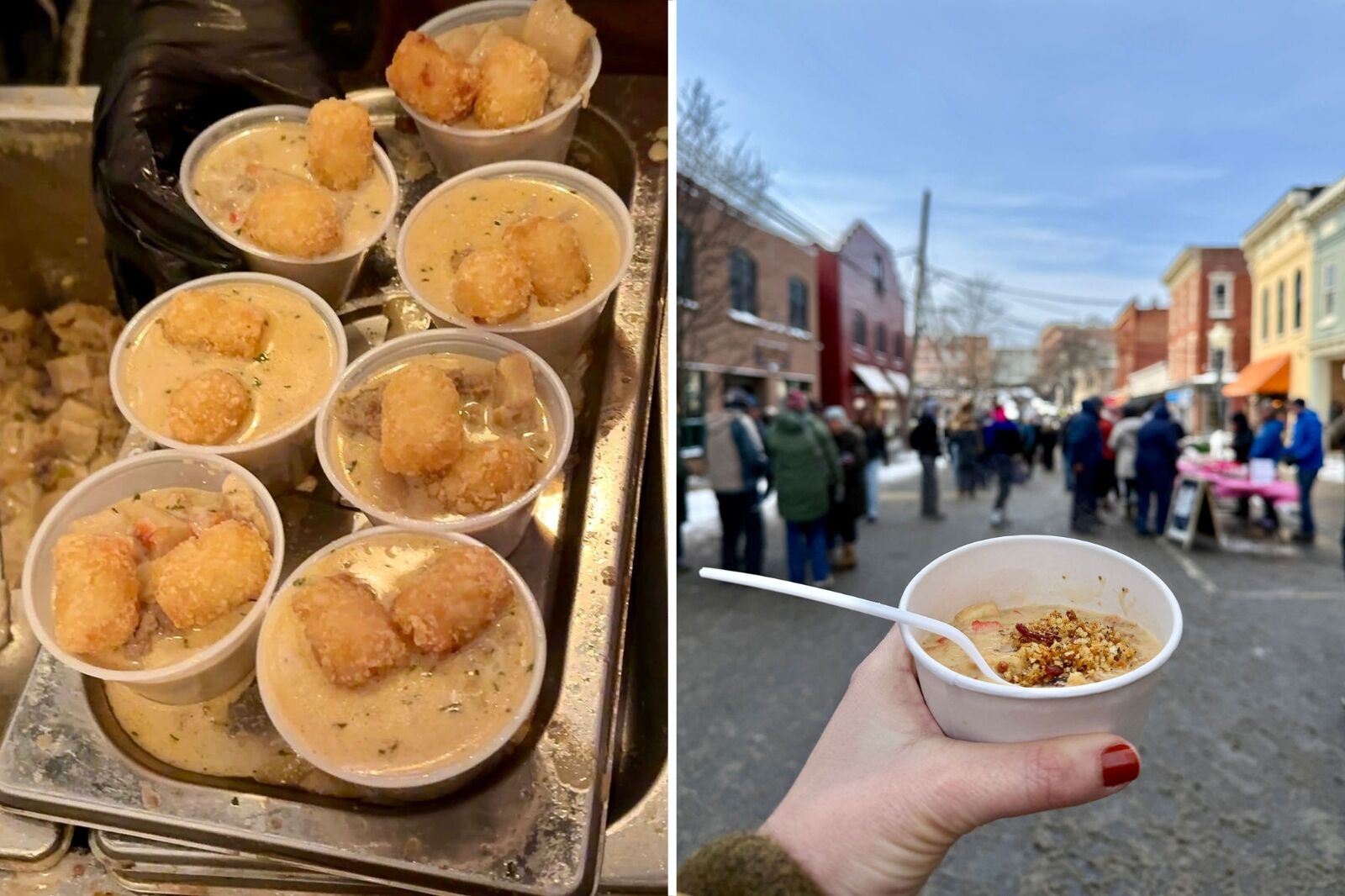
- 08:00 AM – 10:30 AM: Participating restaurants finalize prep, ensuring that their specific chowder recipes—often produced in batches of 50 to 100 gallons—are ready for service.
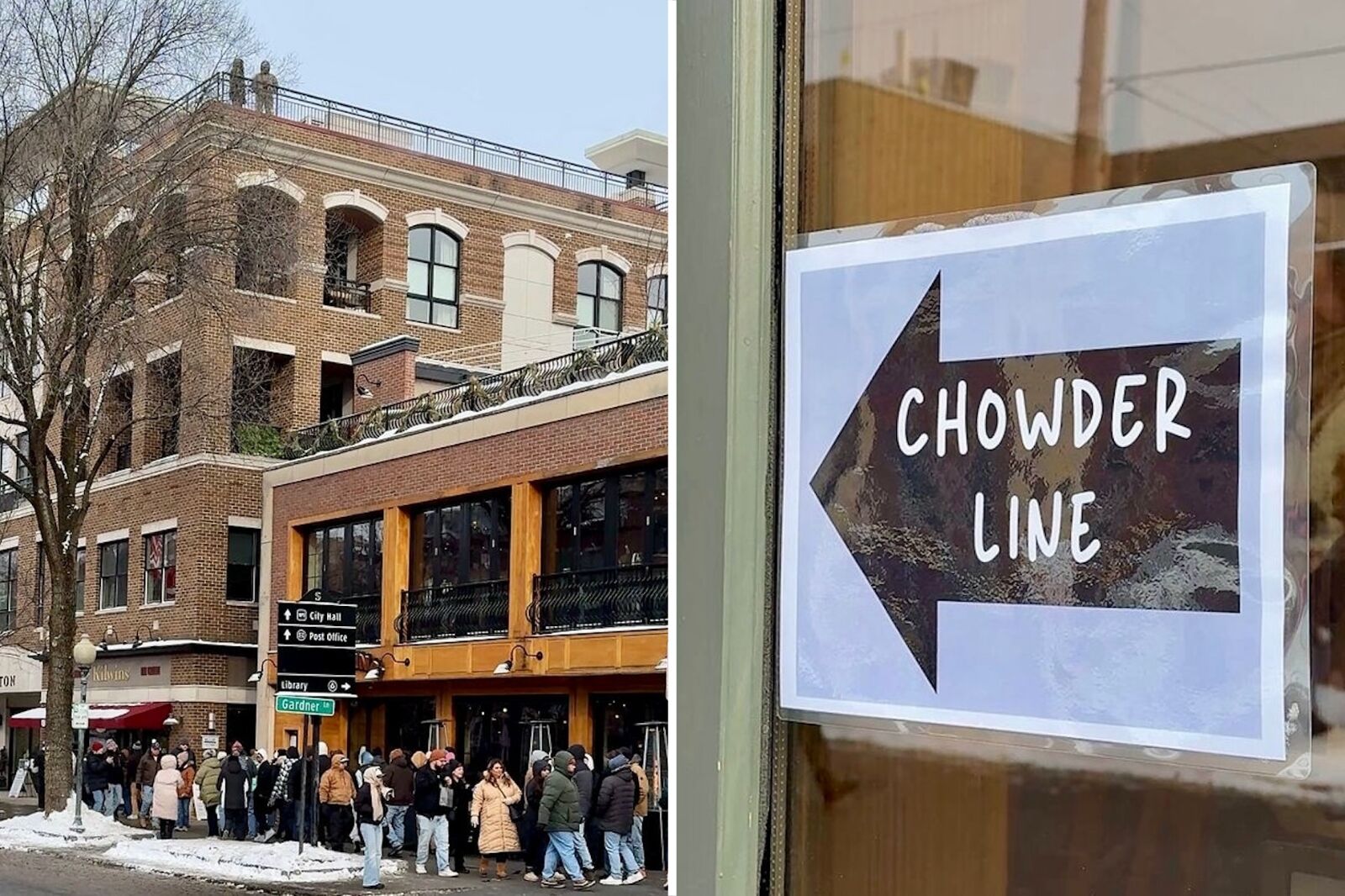
- 11:00 AM: The official festival window opens. Downtown Saratoga Springs, particularly Broadway and Caroline Street, is closed to vehicular traffic to accommodate pedestrian flow.
- 11:00 AM – 04:00 PM: The primary sampling window occurs. During this period, city officials and event organizers monitor crowd density to ensure safety in sub-zero conditions.
- 04:00 PM – 09:00 PM: The "after-party" phase. As official judging closes, the focus shifts to local bars and music venues, which host live entertainment to capitalize on the remaining crowds.
- 05:00 PM: Winners are typically announced via the mobile application and social media platforms, providing an immediate marketing boost for the winning restaurants.
Comparative Culinary Context
The success of Saratoga’s Chowderfest has prompted an interest in the sociology of soup as a community-building tool. When viewed through a global lens, the event aligns with a broader culinary tradition where localized, hearty broths serve as cultural cornerstones. In regions as diverse as the Faroe Islands, the Peruvian Andes, and the rural villages of Slovenia, the communal consumption of soup acts as a mechanism for social cohesion.
Saratoga’s iteration of this tradition is unique in its scale and the level of professional competition involved. Unlike farmers’ markets or neighborhood potlucks, the festival requires restaurants to balance high-volume production with the high culinary standards expected of the city’s renowned dining scene.
Official Responses and Future Outlook
The City of Saratoga Springs and the Downtown Business Association view the event as a primary component of their annual marketing strategy. By positioning the city as a year-round destination, they have successfully mitigated the seasonal volatility that plagues many other tourism-dependent municipalities in Upstate New York.
"The feedback from the restaurant community has been overwhelmingly positive," stated a representative from the local commerce chamber. "Vendors view this as an opportunity to experiment with recipes they might not include on their permanent menus. It allows chefs to showcase their technical skills while engaging directly with the community."
As the event looks toward the 2027 season, slated for February 6, organizers are exploring ways to integrate more sustainable practices, including the use of compostable serving cups and utensils to manage the significant waste generated by 20,000 participants. Furthermore, there is an ongoing effort to expand the digital voting infrastructure to provide more granular data on consumer preferences, which could eventually be used to help restaurants refine their menus for the upcoming summer season.
Ultimately, the Saratoga Springs Chowderfest serves as a reminder of the power of place-making. By embracing the harsh realities of a Northeastern winter rather than hiding from them, the city has turned its greatest environmental challenge into a signature asset. The event remains a rare example of a community-led initiative that successfully integrates public service, private enterprise, and regional identity.