Roar into Adventure: Why the Nation’s Premier Touring Dinosaur Exhibit Continues to Captivate Families Nationwide

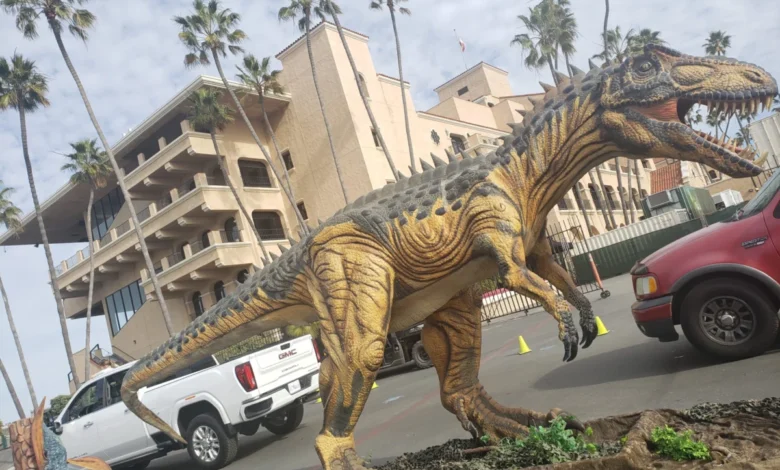
The landscape of live family entertainment underwent a profound transformation in response to global health restrictions, prompting organizers of large-scale attractions to rethink traditional exhibition formats. Among the most successful adaptations is Jurassic Quest, a nationally touring interactive dinosaur experience that transitioned from a traditional indoor walk-through layout to an immersive, drive-thru format. Originally launched to accommodate public health guidelines prioritizing social distancing, the mobile expedition has since established itself as a staple of modern experiential tourism, combining prehistoric education with automotive convenience.
Main Facts of the Touring Exhibition
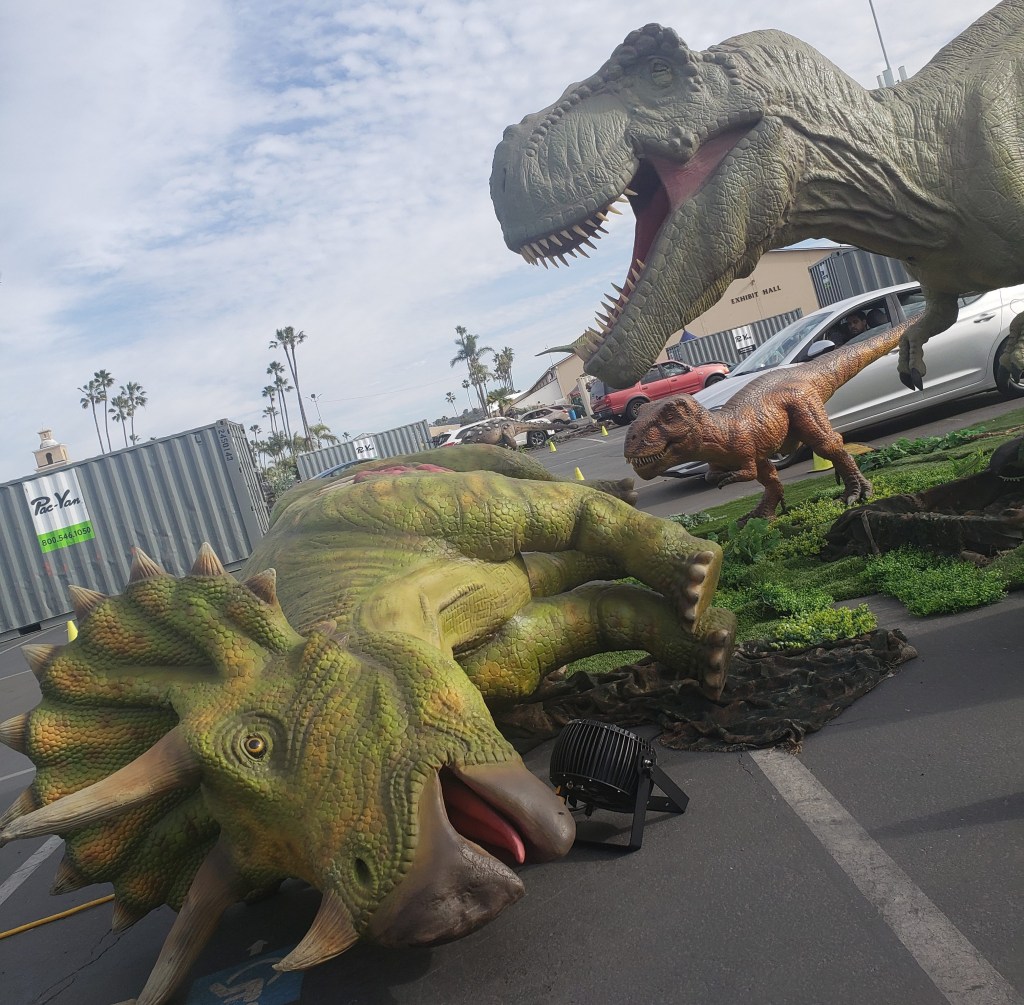
Jurassic Quest features an extensive menagerie of life-sized, animatronic dinosaurs designed in collaboration with paleontology experts to ensure anatomical accuracy. The roster includes towering apex predators like the Tyrannosaurus rex, long-necked herbivorous sauropods, and agile raptors, all capable of realistic movement, blinking, and vocalizations.
Unlike static museum displays, the exhibition utilizes sophisticated robotics and synchronized audio to create a dynamic environment. Attendees experience the attraction entirely from the comfort and safety of their personal vehicles, navigating a curated trail while listening to a synchronized audio tour via their smartphones or vehicle sound systems. Pricing for the experience is structured per vehicle rather than per individual attendee, typically averaging around $49, making it a cost-effective outing for larger family units. Optional add-on packages, such as the Tracker pack priced between $15 and $50, provide supplementary memorabilia, activity booklets, and themed surprises to enhance the interactive journey.
Chronology and Operational Evolution
The concept of Jurassic Quest originated as a traditional, indoor traveling exhibition, making stops in convention centers and arenas across the United States. Attendees would typically purchase individual tickets to walk through expansive halls filled with fossil replicas, craft areas, and animatronic displays. However, the onset of the COVID-19 pandemic in early 2020 disrupted the live events industry, rendering indoor gatherings largely unfeasible.
In response, production management and logistical teams devised a rapid pivot toward outdoor, drive-thru operations. The pilot iterations of the modified tour launched in late summer and autumn of 2020, utilizing expansive outdoor venues such as county fairgrounds, racetracks, and speedways.
By January 2021, the tour made a high-profile stop at the Del Mar Fairgrounds in Southern California, where local families embraced the contactless format for milestone celebrations, birthdays, and weekend outings. As public health mandates evolved through subsequent years, the overwhelming consumer demand for the drive-thru model—particularly among families with young children—prompted organizers to maintain select drive-thru engagements alongside traditional walk-through events, solidifying the tour’s status as a flexible and enduring entertainment property.
Supporting Data and Visitor Logistics
Operational data from regional event coordinators highlights the logistical efficiency of the drive-thru model. Venues such as the Del Mar Fairgrounds provided vast parking and exhibition infrastructure capable of processing hundreds of vehicles per hour without causing severe traffic bottlenecks on surrounding municipal roadways.

The integration of a self-paced audio guide solved potential pacing issues traditionally associated with vehicular tours. The proprietary audio application uses localized cues to dictate narration pauses, allowing motorists to match their speed to traffic flow or linger near specific prehistoric habitats. Furthermore, auxiliary infrastructure—including pre-event carnival-style food kiosks and post-adventure retail merchandise booths—was retrofitted to support contactless transactions, ensuring that visitor spending patterns remained robust while maintaining public health protocols. Restroom facilities positioned at the conclusion of the trail addressed essential logistical needs for families embarking on multi-hour excursions.
Industry Statements and Organizational Strategy
While specific executive quotes from individual tour dates remain integrated within broader promotional frameworks, representatives for Jurassic Quest have consistently emphasized the educational mission underlying the theatrical presentation. In past statements regarding the tour’s public reception, production officials noted that combining entertainment with structured learning remains the core priority of the enterprise.
"Our goal has always been to spark curiosity about the natural world in a way that feels accessible and unforgettable for children," management representatives have stated in promotional media briefs. By partnering with paleontologists to refine the physical movements and environmental contexts of each animatronic species, the organization sought to bridge the gap between rigorous scientific education and populist family amusement. The strategic inclusion of narrative elements—such as a missing T-rex plot point incorporated into the audio commentary—demonstrates an intentional effort to maintain audience engagement through active participation rather than passive observation.
Broader Impact and Implications for Live Entertainment
The sustained popularity of Jurassic Quest offers a compelling case study in the resilience of the experiential events sector. By breaking away from traditional per-person ticket pricing structures common in major theme parks and metropolitan museums, the exhibition demonstrated that affordable, group-oriented pricing models can drive high-volume attendance during economic uncertainty.

Moreover, the success of the drive-thru format highlights a permanent shift in consumer expectations regarding convenience and safety. Even as traditional indoor venues reopened fully, families continued to seek out hybrid entertainment options that minimized administrative hassles, long queues, and fragmented ticketing processes. As Jurassic Quest continues to map out routing for future seasons across select North American cities, its operational blueprint serves as a benchmark for how traveling attractions can successfully merge educational programming, technological integration, and large-scale logistics into a unified commercial product.