The Ultimate Hiking Essentials Checklist: Expert Strategies for Day Hikes and Multi-Day Treks

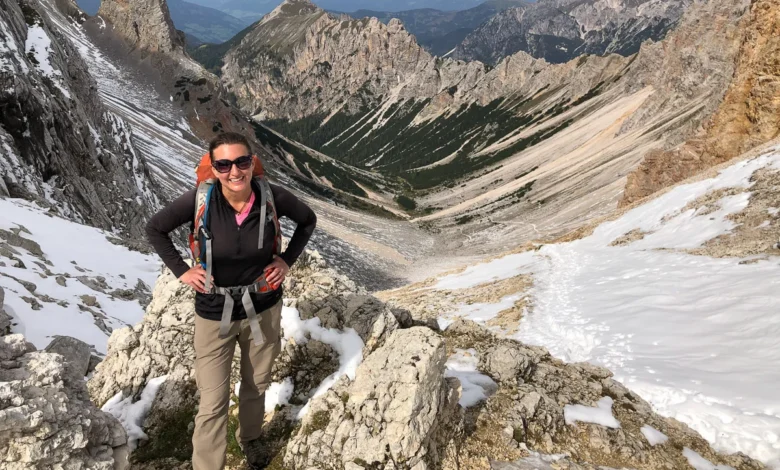
The global outdoor recreation sector has experienced a sustained surge in participation over the past decade, driven by growing public interest in nature-based tourism, physical wellness, and adventure travel. According to recent outdoor industry data, participation in hiking and trekking has grown by more than 20% globally since 2014, with millions of travelers seeking out off-the-beaten-path trails across diverse climates and topographies. However, this rise in popularity has amplified a common challenge for both novice and experienced adventurers: how to pack efficiently, prepare for unpredictable weather, and maintain physical safety without carrying unnecessary weight.
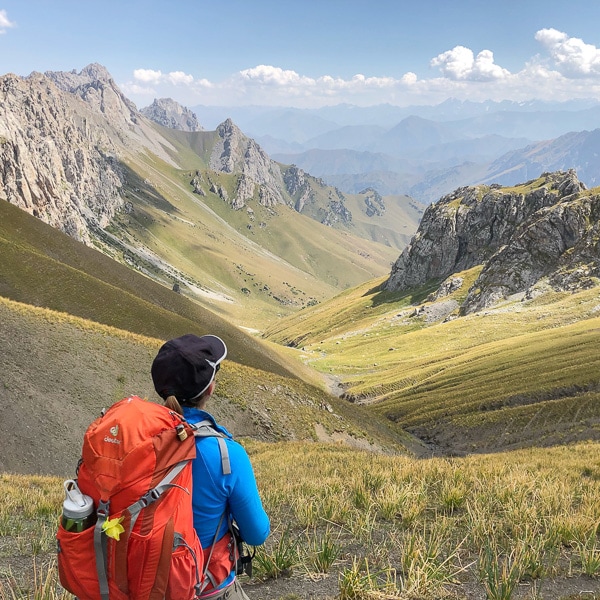
To address these logistical hurdles, veteran global travelers and trekking researchers Audrey Scott and Dan Flynn have updated their comprehensive guide, The Ultimate Hiking Essentials Checklist. Drawing on two decades of accumulated field experience across all seven continents—ranging from the high-altitude volcanic slopes of Mount Kilimanjaro in Tanzania and the remote cordilleras of Peru to winter expeditions in Bhutan and the rugged terrain of the Alay Mountains in Kyrgyzstan—the updated framework offers a standardized, practical methodology for modern outdoor exploration.
Core Packing Principles: Balancing Preparedness and Weight
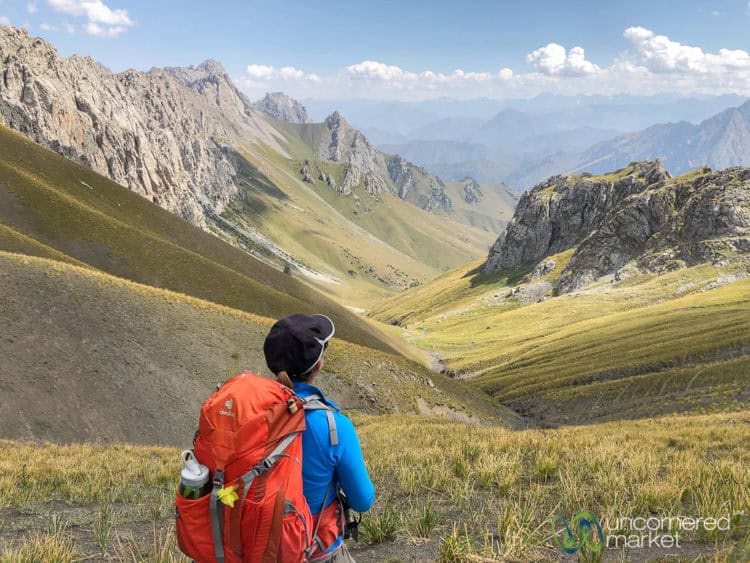
The foundational philosophy behind the updated checklist centers on the delicate balance between environmental preparedness and minimalist efficiency. Industry experts note that overpacking remains the single most common mistake among amateur hikers, often resulting in physical fatigue, joint strain, and compromised safety on the trail.
To mitigate these risks, the revised packing guidelines establish three primary principles: layering for thermal regulation, separating daytime hiking garments from nighttime sleepwear, and recognizing local rental markets.
Thermal Layering Systems
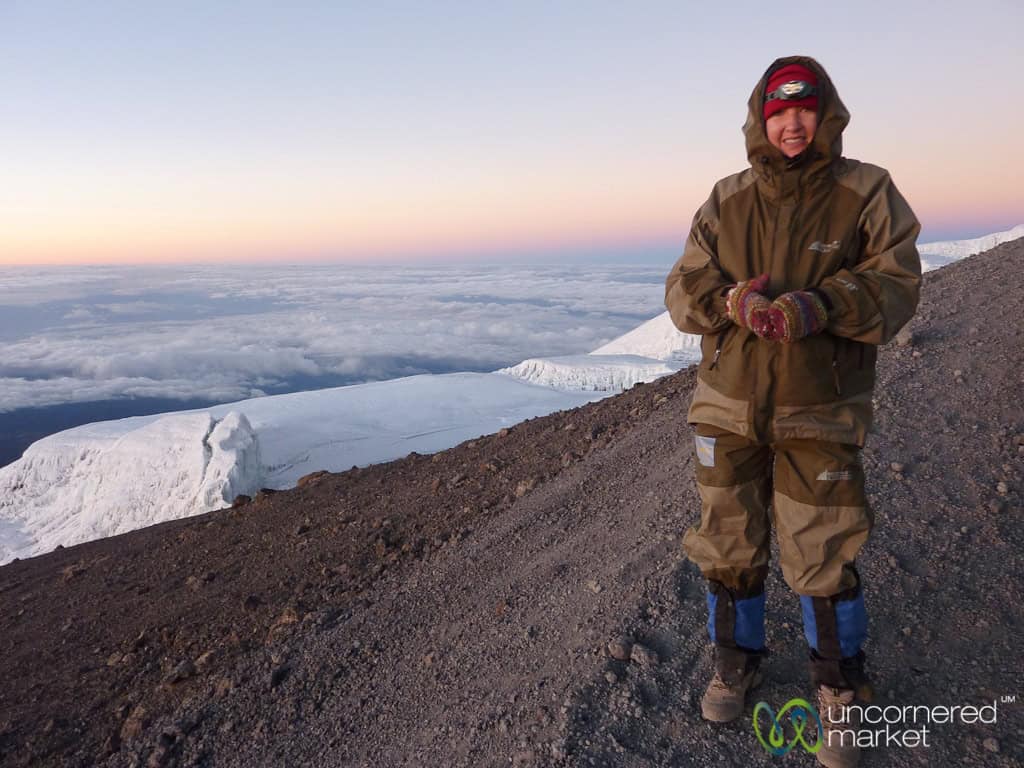
Environmental conditions in mountainous regions can fluctuate drastically within a single 24-hour cycle, with warm daytime temperatures frequently giving way to sub-freezing conditions at night or during unexpected meteorological events. Rather than relying on a single heavy outer garment, professional trekking guidelines recommend a three-tier clothing system:
- Moisture-Wicking Base Layers: Synthetic or silk garments designed to pull sweat away from the skin, preventing rapid cooling and hypothermia.
- Insulating Mid-Layers: Fleece, wool, or lightweight down items that trap body heat.
- Weatherproof Outer Shells: Breathable, waterproof jackets and windbreakers equipped with technical membranes (such as Gore-Tex or equivalent proprietary technologies) to shield against rain, snow, and severe wind.
The Importance of Separate Rest and Sleeping Attire
Drawing on insights from high-altitude rescue and guide operations, the checklist emphasizes the physiological necessity of maintaining a dry set of clothing exclusively for rest and sleep. Continuous physical exertion creates a "hiking uniform" saturated with sweat and exposure elements. Changing into dry thermal wear and dedicated sleep socks inside a tent or guesthouse prevents moisture-induced chills, promotes muscle recovery, and significantly improves sleep quality—a critical factor in maintaining cognitive function and physical endurance on multi-day itineraries.
Logistical Optimization: Renting Versus Purchasing Gear
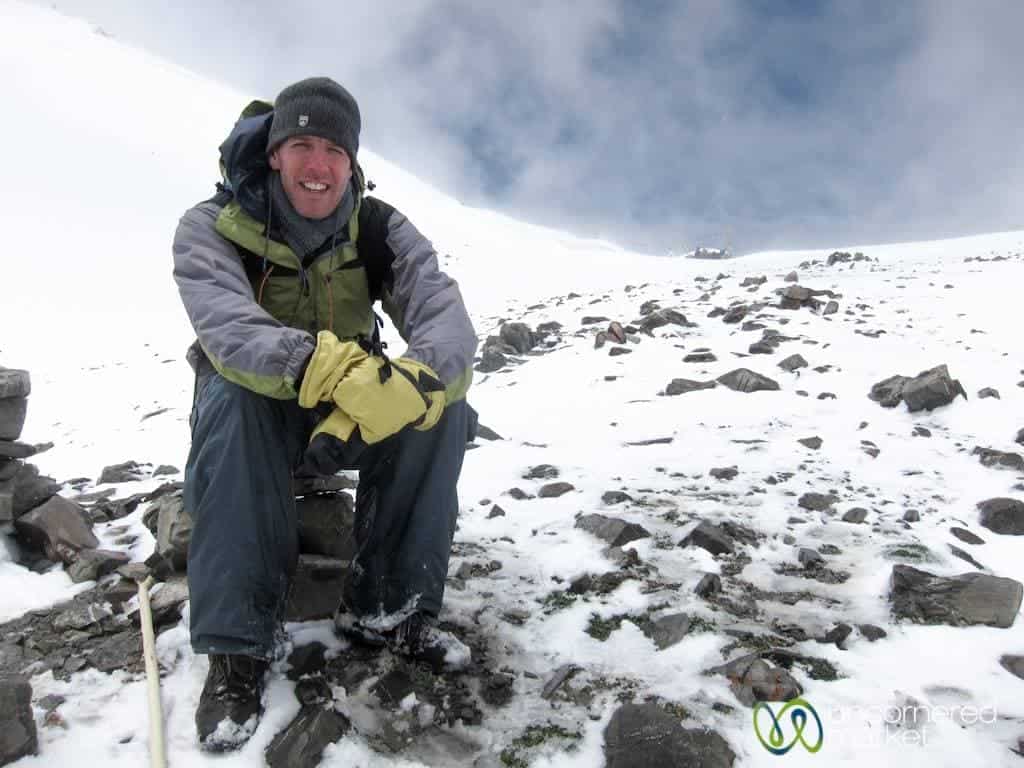
A significant shift in modern trekking logistics involves the strategic decision to rent bulky specialized equipment rather than transport it globally. High-end items such as heavy-duty sleeping bags, specialized mountaineering boots, crampons, and trekking poles are frequently available for local rental in gateway cities near major trailheads, such as Moshi, Tanzania, or Puerto Natales, Chile. Industry analysts point out that this approach not only reduces international transit baggage fees and physical strain during non-trekking portions of a journey, but also stimulates local economies by supporting regional outfitters and equipment rental micro-enterprises.
Technical Equipment and Safety Infrastructure

Beyond apparel, the comprehensive checklist outlines critical non-clothing gear necessary for self-sufficiency and emergency preparedness in remote environments.
Backpack Ergonomics and Sizing
Selecting an appropriately fitted backpack is vital for distributing load weight across the skeletal frame. Industry standards categorize packs by volume:

- Day Hikes (15 to 24 liters): Suitable for carrying hydration, a lightweight shell, first aid supplies, and provisions.
- Multi-Day Treks (28 to 48 liters): Designed to accommodate layering systems, sleeping bag liners, personal hygiene kits, and modular accessories, provided that group camping gear (tents and cooking stoves) is managed by support staff or porters.
Hydration and Water Purification
Access to potable water is a primary determinant of health and safety on extended trails. The guidelines strongly advise against the purchase of single-use bottled water in remote communities, citing the severe environmental impact of plastic waste accumulation at high elevations. Instead, hikers are encouraged to utilize reusable liter bottles or integrated hydration bladders (such as CamelBak systems) paired with reliable purification technologies. Recommended methods include ultraviolet (UV) sterilizers like the SteriPEN, microfiltration bottles, or two-part chemical drop systems that neutralize pathogenic bacteria and viruses without imparting excessive chemical tastes.
First Aid and Medical Preparedness
Given that remote trails may be days away from formal medical infrastructure, carrying an optimized first aid kit is non-negotiable. Essential inclusions encompass blister prevention and treatment materials (such as medical-grade duct tape and hydrocolloid bandages like Compeed), broad-spectrum rehydration salts, comprehensive analgesics, and targeted antibiotics for gastrointestinal or respiratory ailments, sourced following pre-trip medical consultations.
Winter Expeditions and Extreme Environments
Recent expansions to the trekking checklist incorporate specialized protocols for winter and high-latitude environments, following field tests conducted during cold-weather excursions such as the Druk Path trek in Bhutan. Winter conditions introduce hazards including accumulated snowpack, black ice, and extreme thermal drops reaching -10°C (14°F) or lower.
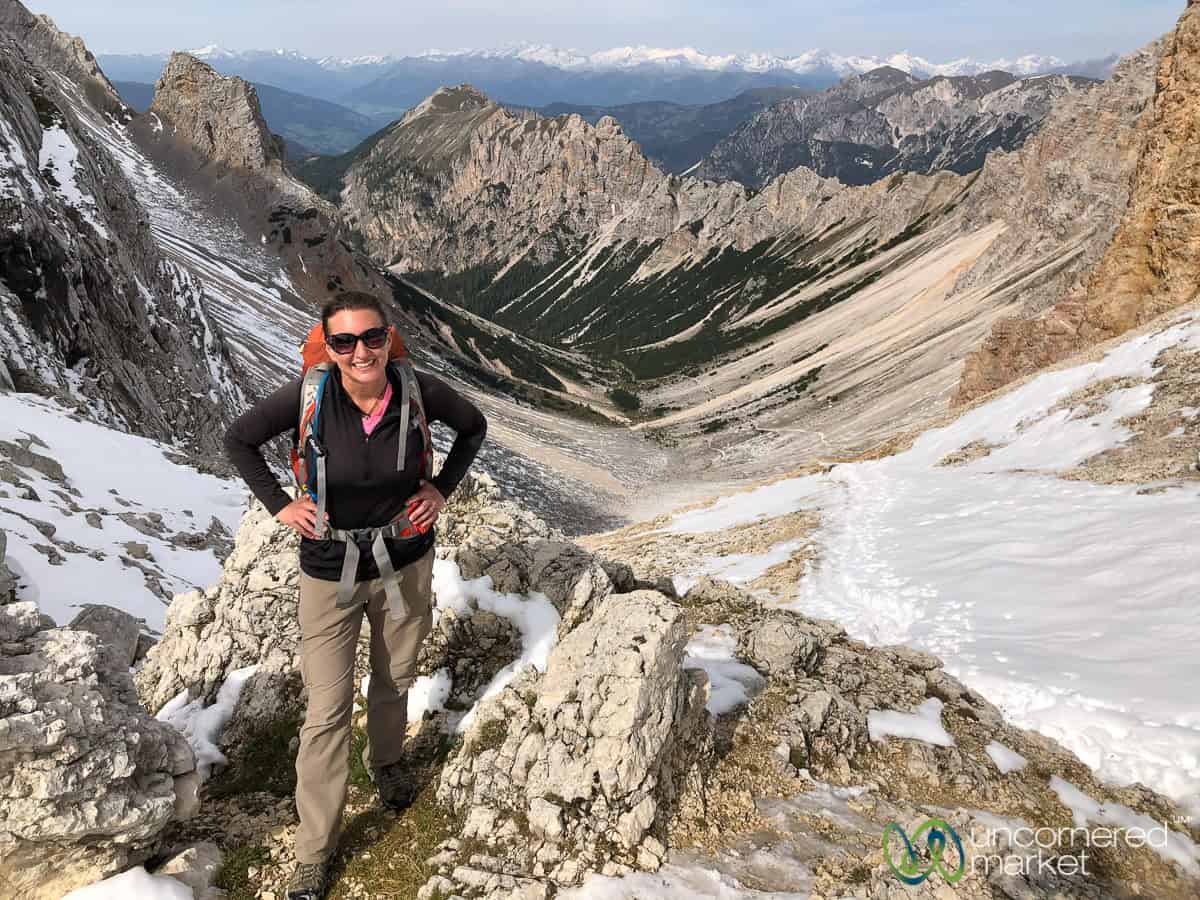
To safely navigate these conditions, the revised advisory mandates specific gear adaptations:
- Winter-Rated Sleeping Bags: Recommendations emphasize bags with a certified "comfort rating" (rather than a limit rating) matching or exceeding expected nighttime lows, utilizing either high-loft down or high-performance synthetic insulation (such as Mammut or Marmot technical lines).
- Traction and Stability Aids: Lightweight traction cleats (microspikes) and adjustable trekking poles are deemed essential for traversing icy mountain passes.
- Protective Accessories: Waterproof insulated gloves, shoe gaiters to prevent snow intrusion into footwear, and chemical adhesive toe and hand warmers are highlighted as critical defenses against cold-weather injuries such as frostnip and frostbite.
Environmental Sustainability and Leave-No-Trace Principles

As global tourism footprints expand into fragile alpine and jungle ecosystems, the updated documentation places increased emphasis on environmental stewardship. Sustainable trekking practices highlighted in the framework include:
- Strict adherence to Leave No Trace principles, ensuring all waste—organic and synthetic—is packed out of wilderness areas.
- Supporting local, community-based tourism initiatives, guesthouses, and porter cooperatives that guarantee fair wages, adequate clothing, and ethical working conditions for local mountain crews.
- Purchasing durable, long-lasting gear to reduce consumer turnover and the associated lifecycle carbon footprint of outdoor apparel manufacturing.
Broader Implications and Industry Outlook

The publication of comprehensive gear and packing frameworks reflects a broader maturation within the adventure travel market. As consumers increasingly prioritize experiential travel and physical endurance challenges, access to standardized, safety-oriented, and environmentally conscious information serves to democratize outdoor recreation while mitigating environmental degradation.
Industry analysts observe that by demystifying the preparation process and emphasizing resourcefulness—such as local gear rental and modular layering—experienced travelers are helping to lower entry barriers for a new generation of hikers. Ultimately, proper preparation acts as the primary safeguard against environmental hazards, ensuring that the intersection of human exploration and natural wilderness remains sustainable, safe, and mutually respectful for decades to come.