The hospitality industry is currently undergoing a significant paradigm shift, transitioning from traditional operational models toward high-efficiency, low-impact infrastructure. At the forefront of this evolution is the Sugar House Hotel in Winooski, Vermont. Spearheaded by developer Doug Nedde, the project represents a departure from standard construction practices, aiming for LEED Zero Energy certification through a comprehensive integration of geothermal power, all-electric systems, and biophilic architectural design.
Technical Specifications and Energy Performance
The fundamental premise of the Sugar House Hotel is the total elimination of fossil fuels from its operational footprint. Unlike many contemporary projects that rely on carbon offsets to achieve net-zero status, the Sugar House has opted for direct electrification. This includes the complete removal of natural gas from the building, extending to the commercial kitchen and heating systems.
According to design projections provided by the development team, the facility is engineered to consume 54 percent less energy than a standard hotel of equivalent square footage constructed under existing building codes. The mechanical plant is anchored by a geothermal well system situated in an adjacent protected wildlife area, which facilitates high-efficiency climate control.
The projected performance metrics are substantial:
- Heating energy requirements are expected to see an 82 percent reduction.
- HVAC-related energy consumption is modeled for a 69 percent reduction.
- Total greenhouse gas emissions are estimated to be 65 percent lower than industry benchmarks for similar-sized properties.
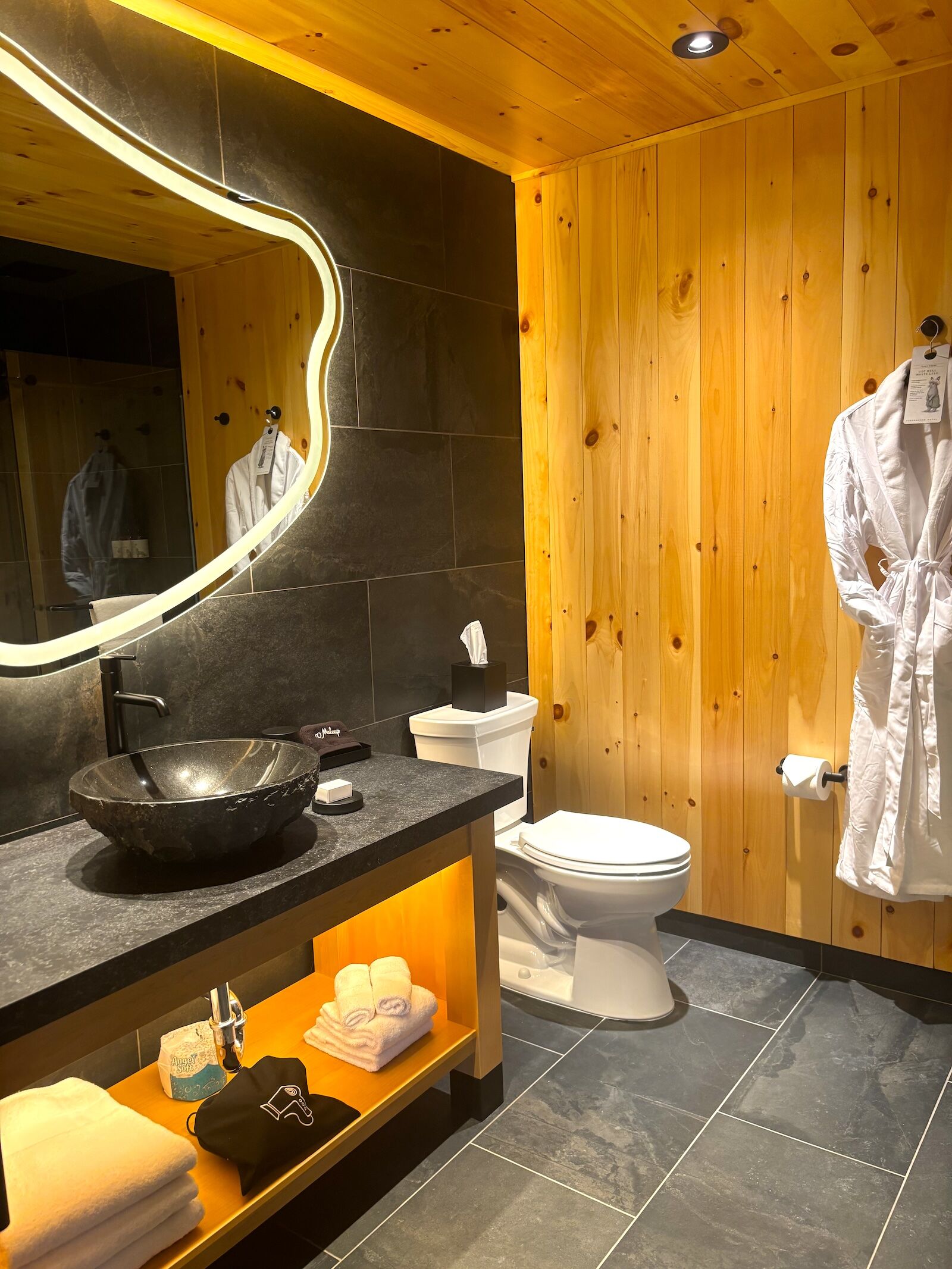
These figures underscore the viability of large-scale, full-service hospitality operations that incorporate event spaces and culinary facilities while maintaining a net-zero trajectory. Water conservation is also a core tenet of the design, with low-flow fixtures installed throughout the property and a reclamation system designed to aid in the ecological restoration of the nearby Casavant Nature Park.
Architectural Philosophy and Biophilic Integration
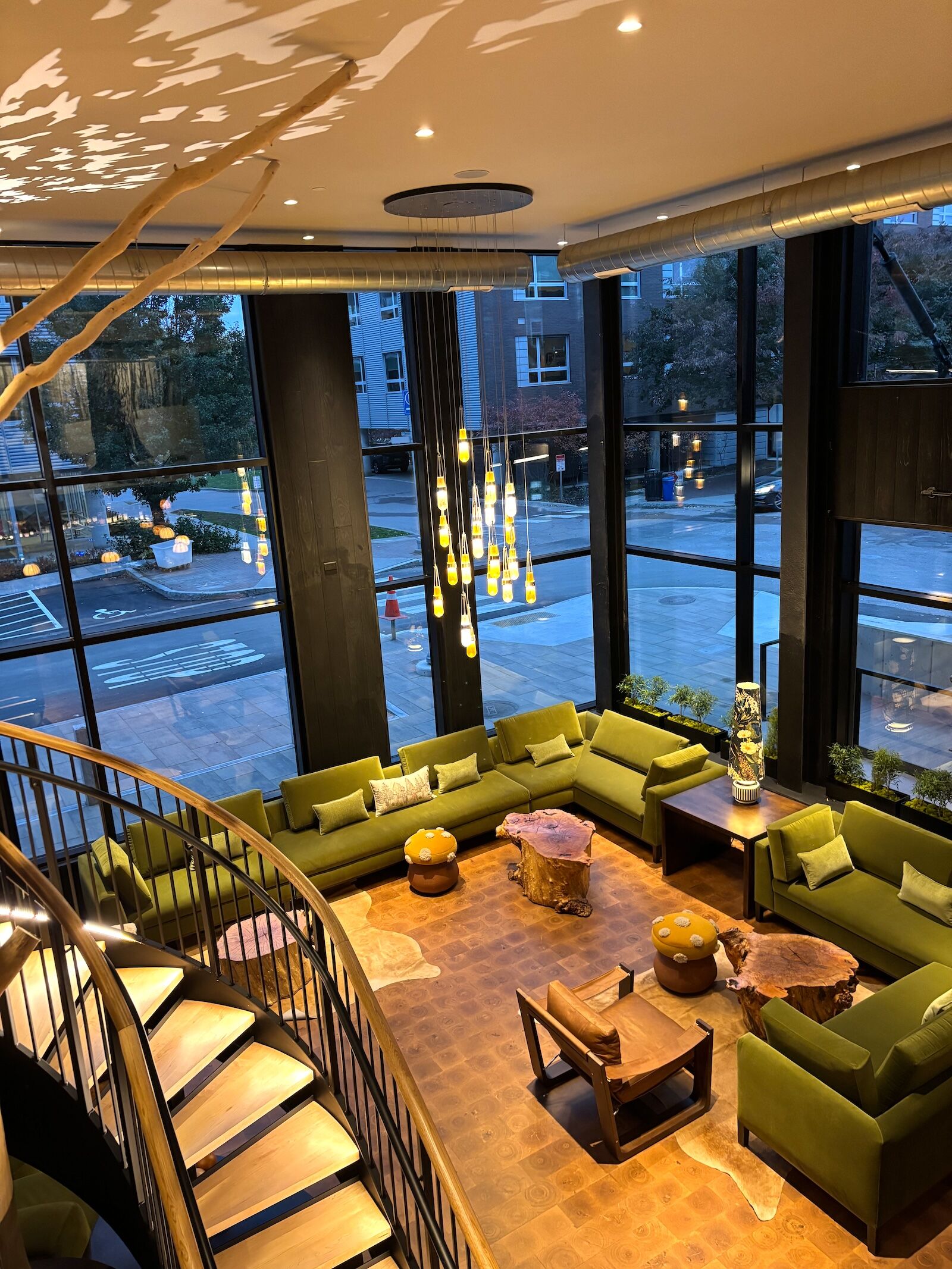
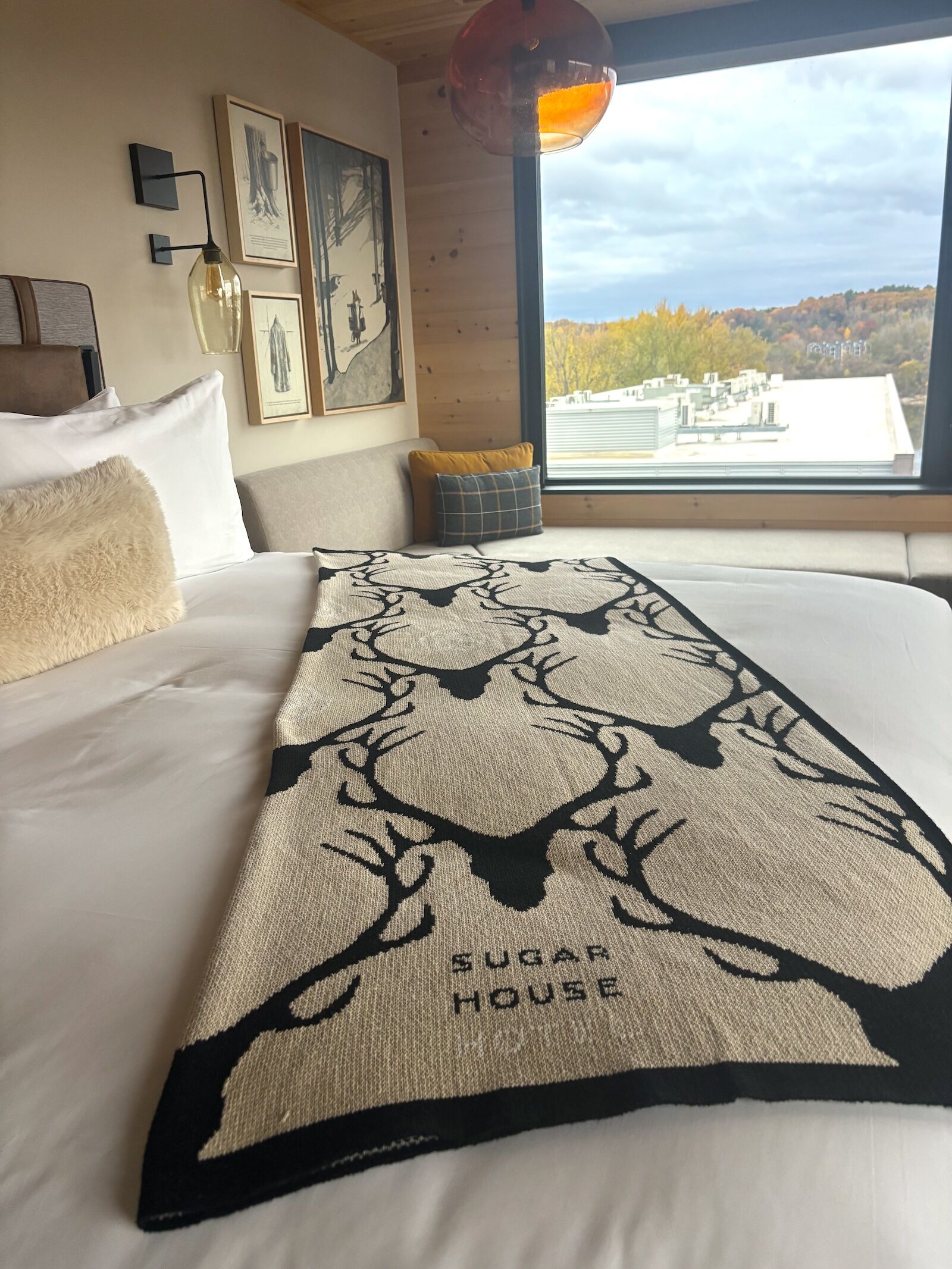
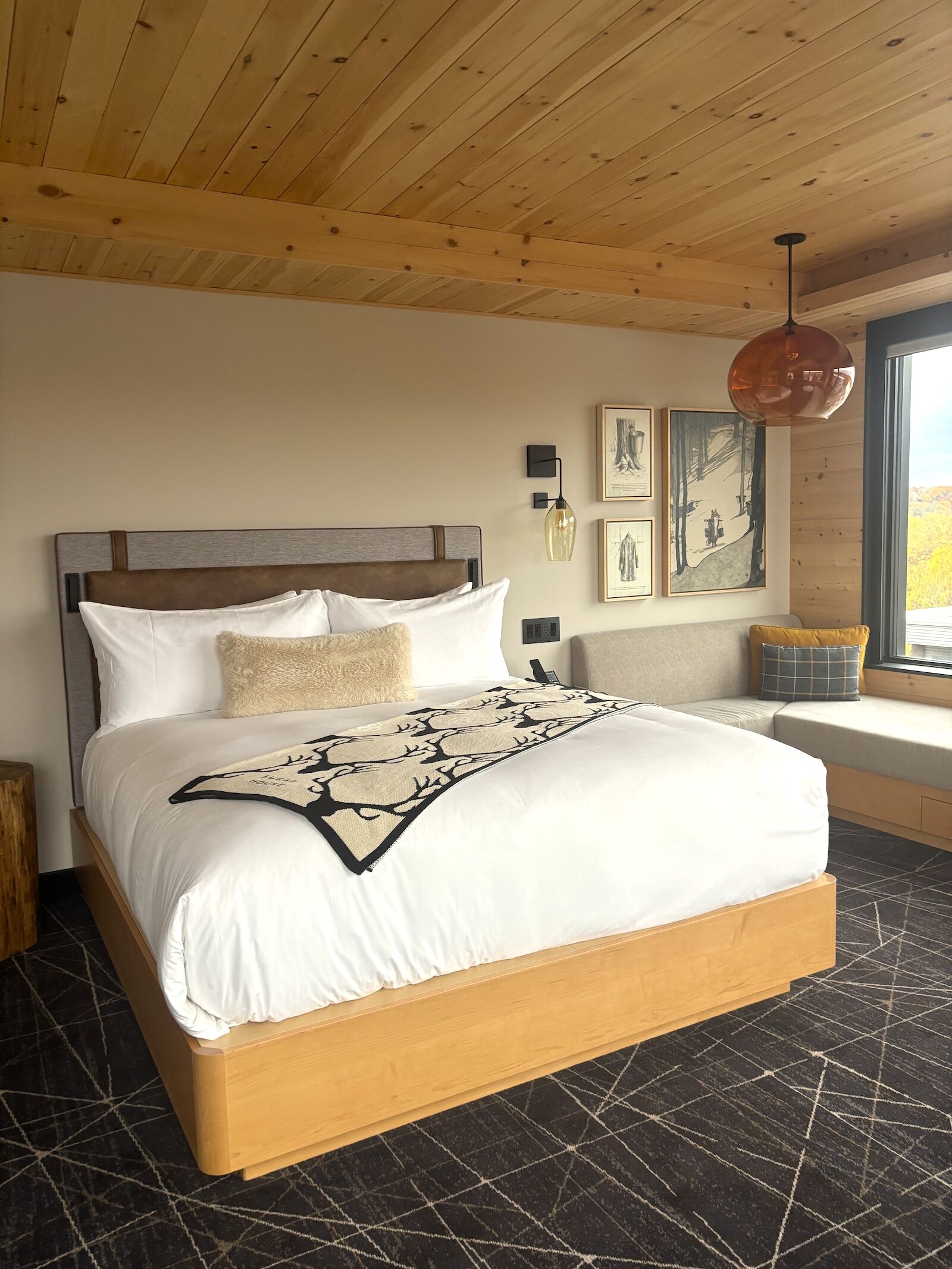
The aesthetic and structural identity of the Sugar House Hotel is deeply rooted in Vermont’s cultural and natural heritage. The design utilizes biophilic principles—a concept that integrates natural elements into the built environment to enhance occupant well-being.
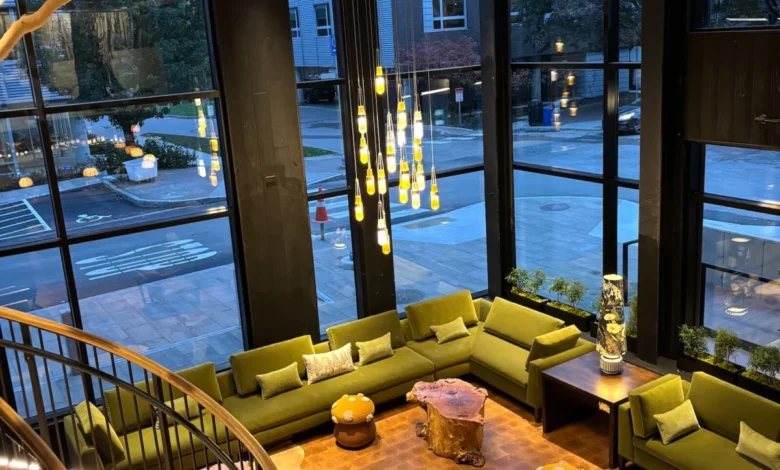
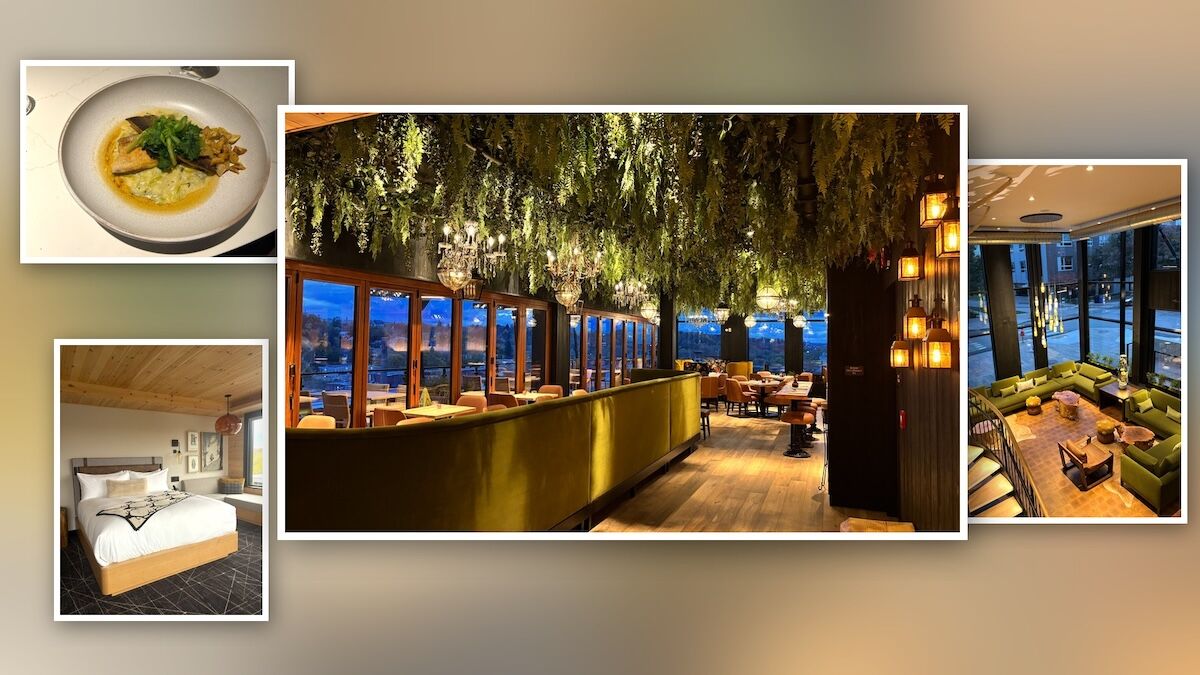
The lobby serves as the primary example of this approach, featuring salvaged maple trunks sourced from local properties and a central hearth constructed from reclaimed wood from a historic Vermont barn. The building’s narrative is further bolstered by interior details, such as light fixtures commissioned from Burlington-based AO Glass, which are engraved with the history of local maple sugaring.
The integration of the hotel with its environment is not merely visual but functional. The property includes a bridge that provides guests direct access to the Casavant Nature Park, designed to facilitate pedestrian traffic while protecting the integrity of the local watershed. This connection between "city out front" and "nature out back" reflects a broader movement in urban development that prioritizes the proximity of outdoor recreation to commercial hospitality hubs.
The Economic Argument for Sustainable Development
The investment in LEED-certified construction often triggers debate regarding the long-term return on investment. Doug Nedde, reflecting on the capital expenditure required to integrate these advanced sustainability initiatives, acknowledges the lack of a standardized, historical economic case study. However, the project is framed as a long-term fiscal strategy rather than a short-term marketing expenditure.
Nedde projects that the all-electric infrastructure will lead to a 62 percent reduction in utility costs over the building’s lifecycle. This shift suggests that the higher upfront capital costs associated with sustainable construction are offset by long-term operational efficiencies. As global energy prices remain volatile, the move toward self-sufficiency through solar arrays and geothermal systems acts as a hedge against rising utility costs, a trend that industry analysts suggest will become the standard for new hotel developments within the next decade.
Strategic Partnerships and Industry Validation
The project has gained institutional validation through its inclusion in Marriott International’s Tribute Portfolio. This partnership is significant, as it indicates that the world’s largest hotel company is exploring the scalability of low-impact, boutique-style hospitality. By vetting the Sugar House under the Tribute brand, Marriott is testing whether such highly localized, sustainable models can be successfully replicated across its global network.
For investors and developers, this partnership serves as a barometer for institutional interest in sustainable tourism. If the Sugar House maintains its projected performance metrics, it could establish a blueprint for future corporate expansion into carbon-neutral hospitality, effectively bridging the gap between independent, owner-operated sustainability projects and large-scale, corporate-managed hotels.
Community Integration and Social Responsibility
The impact of the Sugar House Hotel extends beyond environmental metrics to include social and economic integration within the Winooski community. Developer Doug Nedde has expanded the project’s scope to include the development of an adjacent affordable housing complex. By ensuring that hotel staff have access to local, affordable housing, the project aims to minimize the carbon footprint associated with daily commuting while simultaneously supporting the local workforce.
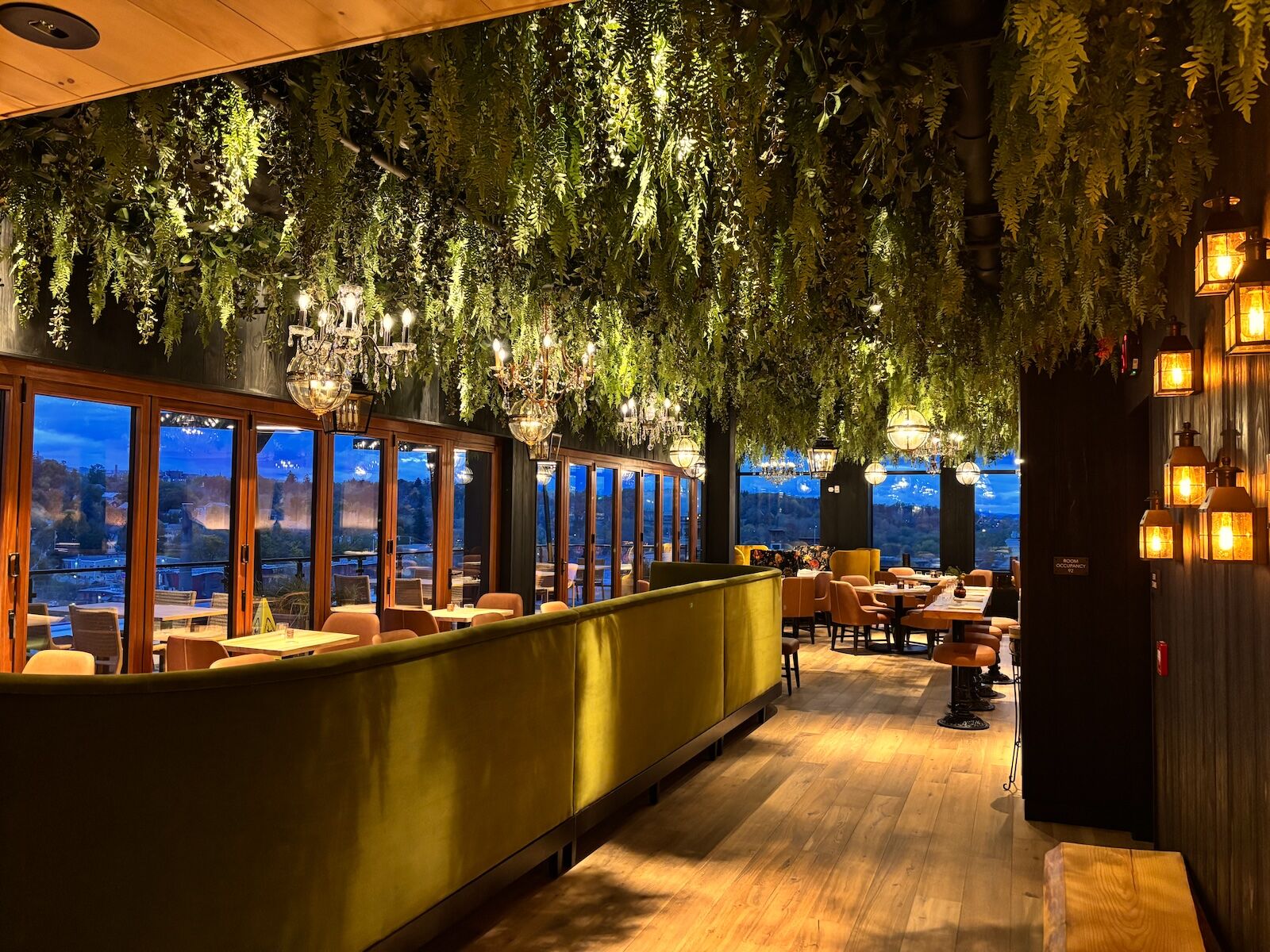
This holistic approach to development—addressing both environmental impact and social equity—marks a departure from the traditional hotel development model, which often operates as a standalone entity with minimal connection to the local labor market. The onsite presence of locally sourced food, regional craft beer, and community-focused amenities like the Moss Cafe & Bar reinforces the hotel’s role as an anchor institution for the town of Winooski.
Chronology and Future Outlook
The realization of the Sugar House Hotel project follows a multi-year planning and construction phase focused on the intersection of modern technology and historic preservation. Following its opening, the hotel has begun to implement a range of experiential offerings, including in-house sugaring demonstrations and guided excursions through the Casavant Nature Park.
The hotel’s current operations serve as a pilot program for the feasibility of large-scale renewable energy integration in the hospitality sector. While other "carbon-positive" hotels exist, such as the Populus properties in Denver and Seattle, the Sugar House distinguishes itself through its focus on localized, regional aesthetics and a "quiet" approach to sustainability—where environmental performance is an inherent function of the building rather than an emphasized marketing gimmick.
As the industry moves toward 2030, the Sugar House Hotel will likely be cited as a primary case study for developers attempting to solve the equation of luxury hospitality versus environmental responsibility. The success of this model will be measured not only by its ability to maintain net-zero energy status but by its ability to remain profitable while providing a high-quality guest experience.
Implications for Future Hospitality Trends
The broader implications of the Sugar House project for the travel industry are twofold. First, it demonstrates that sustainability is no longer a niche preference but a viable, high-performance operational strategy. Second, it highlights the importance of "place-making"—the practice of ensuring a property reflects the specific geography and culture of its location.
The use of local materials, the emphasis on regional agriculture, and the integration of the facility with local transit and housing infrastructure create a model that appeals to the modern, environmentally conscious traveler. This shift in consumer demand, paired with the long-term cost savings of high-efficiency infrastructure, suggests that the traditional model of high-waste, high-carbon hotel operation is becoming increasingly obsolete.
For the city of Winooski, the Sugar House Hotel represents a landmark project that prioritizes long-term environmental stewardship and community connectivity. As the hospitality industry continues to face scrutiny regarding its carbon footprint, the Sugar House serves as a practical, scalable example of how commercial interests can align with global climate goals without compromising the quality of the guest experience. The project effectively suggests that the future of hospitality lies in building environments that are as sustainable as they are comfortable, signaling a new era for developers and travelers alike.