For decades, the standard Icelandic itinerary has been defined by the Golden Circle—a 190-mile loop encompassing the Gullfoss waterfall, the Geysir geothermal area, and Þingvellir National Park. While this route remains the primary gateway for the majority of the 2.2 million annual visitors to the country, a shifting trend in tourism is drawing travelers toward the northern reaches of the island. By venturing away from the densely populated Reykjavík capital region, which houses approximately 63 percent of Iceland’s 375,000 citizens, visitors are discovering an alternative cultural landscape defined by resilience, geothermal integration, and a distinct social infrastructure centered on public bathing.
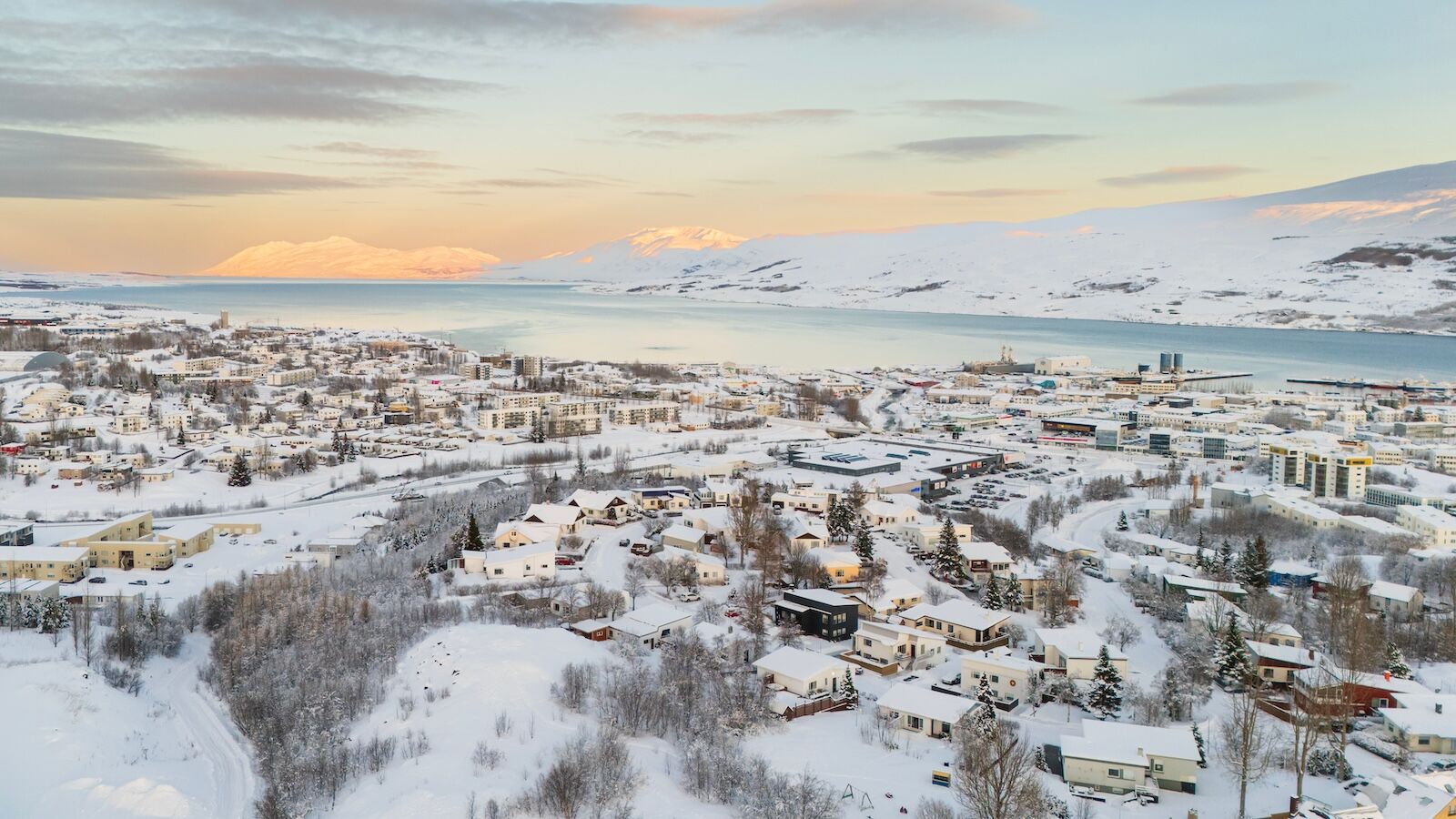
The demographic and geographical divide between the south and the north is stark. While the south is characterized by high-volume transit and infrastructure geared toward short-term day trips, the north, anchored by the town of Akureyri, offers a more rugged experience. With a population of roughly 20,000, Akureyri functions as the primary economic and cultural hub for the northern territory. Despite its location at the base of the Eyjafjörður fjord, the town benefits from a microclimate that remains surprisingly temperate, shielded by surrounding valley walls.

A Historical Context of Geothermal Necessity
The reliance on geothermal energy in North Iceland is not merely a modern convenience for tourism; it is the cornerstone of historical survival. When Norse settlers arrived in the 9th century, they encountered a harsh, unforgiving environment with limited agricultural potential. The volcanic activity of the region, while hazardous, provided the only reliable source of heat. Historically, the inability to cultivate crops meant that the diet was strictly limited to protein-dense staples like salted cod and fermented shark.
This environment fostered a culture of communal reliance. The earliest inhabitants identified natural hot springs as critical survival assets, using them for warmth, hygiene, and social gathering. This practice has persisted through the centuries, evolving from a necessity for basic hygiene into a pillar of Icelandic national identity. In December 2025, this legacy was formally recognized when UNESCO designated Icelandic swimming pool culture as an element of Intangible Cultural Heritage. This recognition highlights the pool not just as a recreational facility, but as a critical social institution that functions similarly to the community centers or public squares found in other European nations.
The Evolution of the North Icelandic Tourism Sector
Recent data from the Icelandic Tourist Board suggests that the "northern pivot" is a result of both government-led regional development initiatives and a saturation of the southern tourism market. By dispersing travelers, the Icelandic government aims to mitigate the environmental impact on the Golden Circle and the South Coast while bolstering the economy of rural northern municipalities.
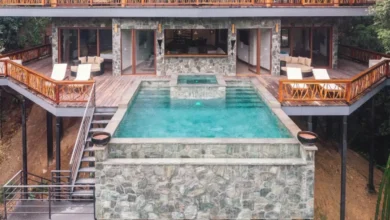
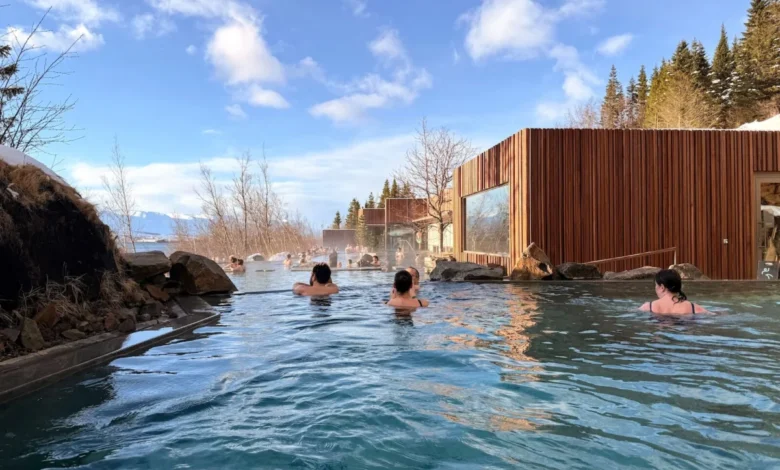
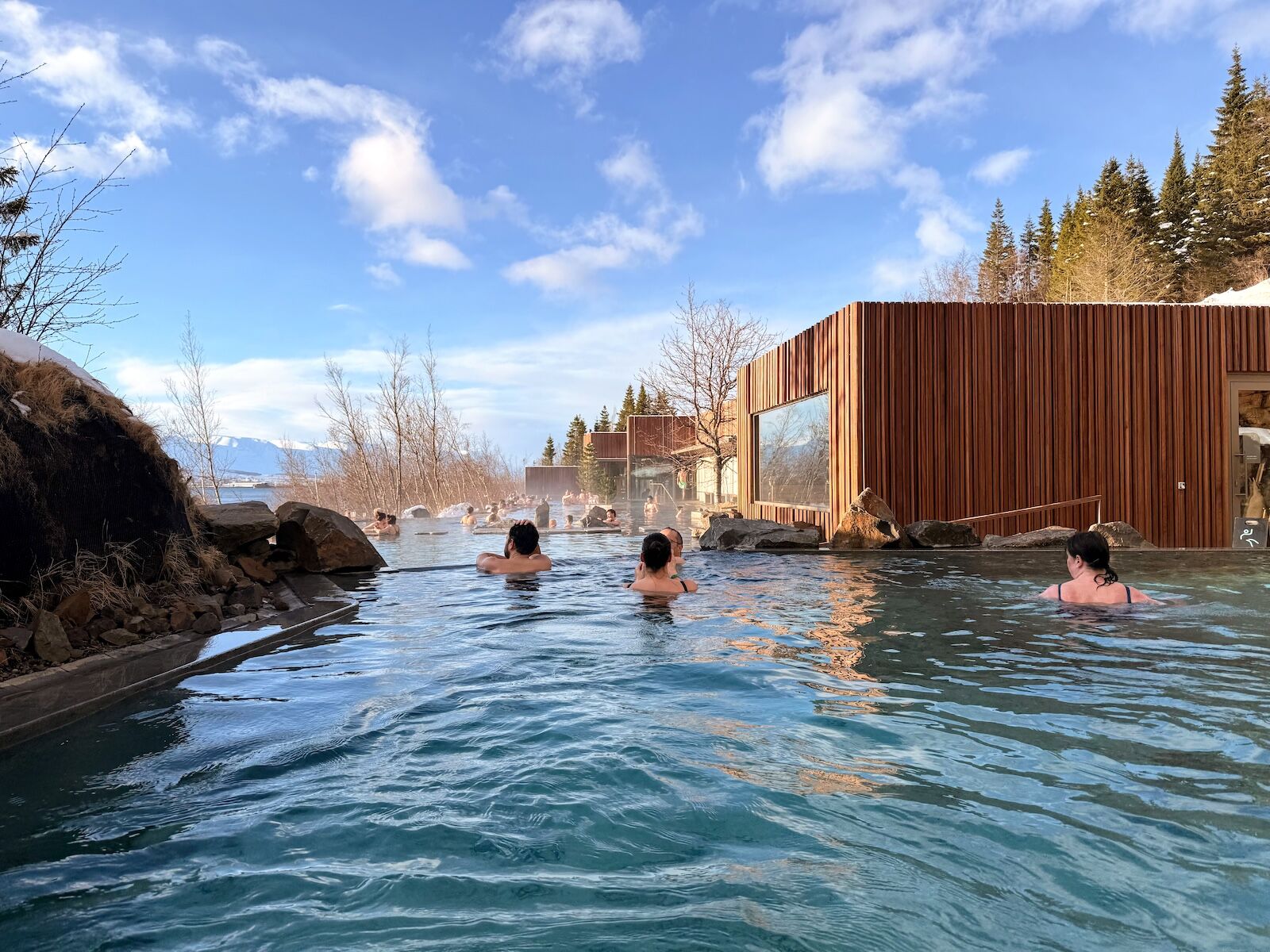
Akureyri has responded to this influx by professionalizing its infrastructure without sacrificing its small-town atmosphere. The town’s layout remains compact, with a historic center featuring timber architecture dating back to the 18th century. However, the town’s growth is increasingly defined by its integration of geothermal luxury and accessibility. Unlike the Blue Lagoon, which has become a symbol of high-end, high-traffic commercial tourism, the northern pools—such as the Forest Lagoon and the GeoSea baths in Húsavík—are designed to integrate with the natural fjord topography.
The Social Dynamics of Public Bathing
The social mechanics of the Icelandic pool are distinct and governed by strict, albeit informal, regulations. The mandatory pre-swim shower—conducted in the communal, non-partitioned shower area—is a hallmark of this culture. For the uninitiated, this ritual serves as an introduction to the Icelandic ethos of egalitarianism.
"The public swimming pool is the great equalizer in Icelandic society," explains Karen Möller Sivertsen, a coordinator at Business Iceland. "There is no hierarchy in the water. Whether you are a government official, a laborer, or a student, you are subject to the same rules of etiquette. It is this shared, vulnerable space that fosters the social cohesion for which Iceland is known."
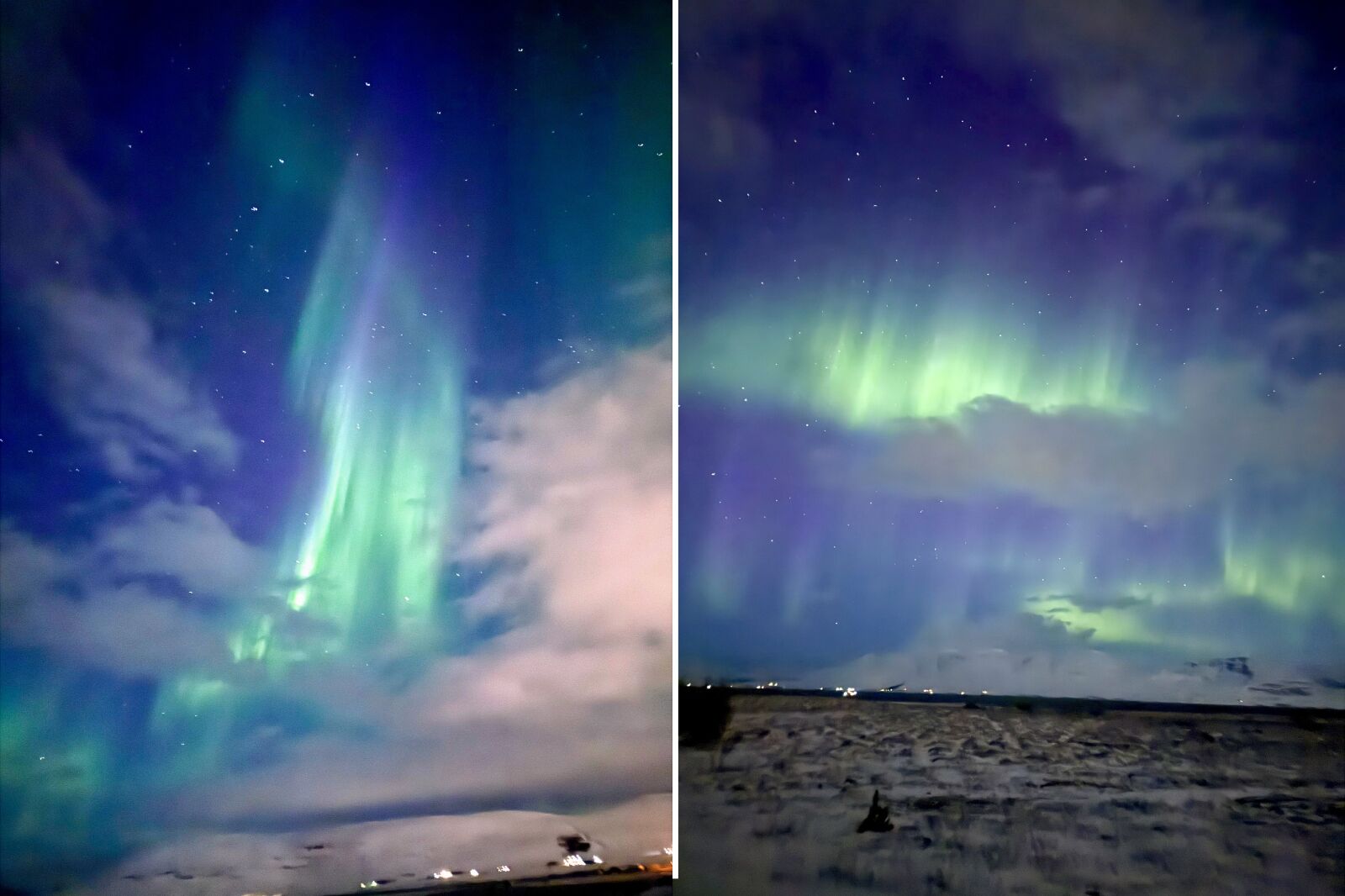
This environment is particularly visible during the winter months. In the north, the short daylight hours and sub-zero temperatures make the heated pools a nightly destination for residents. Observations of municipal pools in Akureyri reveal a demographic mix that is rarely seen in international tourist spas: elderly citizens practicing light exercise, parents supervising children during extracurricular hours, and teenagers using the facilities as a primary social outlet. This contrast between the "tourist" lagoons and the "municipal" pools illustrates the divide between curated experiences and authentic local integration.
Economic and Environmental Implications
The move toward northern tourism carries significant implications for local sustainability. By encouraging year-round visitation, towns like Akureyri can maintain consistent employment in the service sector. Furthermore, the reliance on geothermal heating for infrastructure—such as the floor-heating in local businesses and the subterranean baking of rye bread at regional resorts like Vogafjós—demonstrates a model of sustainable energy usage that is increasingly attracting international interest.
However, the expansion of tourism in the north is not without challenges. The increased demand for energy and the logistical difficulty of managing waste in remote, environmentally sensitive areas require rigorous oversight. The regional authorities in Norðurland Eystra have emphasized that future development must be "slow and deliberate," prioritizing the preservation of the landscape that draws visitors to the region in the first place.
Beyond the Water: A Diversified Regional Economy
While the geothermal pools serve as the primary draw, the northern economy is diversifying into specialized tourism. The region is now a focal point for winter sports, including snowmobiling on the volcanic landscapes of Lake Mývatn and the preservation of traditional Icelandic equestrianism. The cultural preservation of culinary traditions, such as the use of local rhubarb and dairy, is also becoming a point of pride for northern restaurateurs.
Cafés like Áskaffi in Skagafjörður exemplify this shift. By operating out of a community hall that serves as both a performance venue and a dining space, these businesses maintain a connection to local social life while providing visitors with an authentic taste of regional history.
Future Projections and Final Analysis
The shift in tourism patterns toward the north is expected to continue as the "Golden Circle" becomes increasingly crowded. Industry experts project that the development of direct international flight routes to Akureyri, which began in recent years, will further decentralize the tourist experience. This shift represents a broader maturation of the Icelandic tourism sector: moving away from the "checklist" style of travel toward a more immersive, place-based approach.
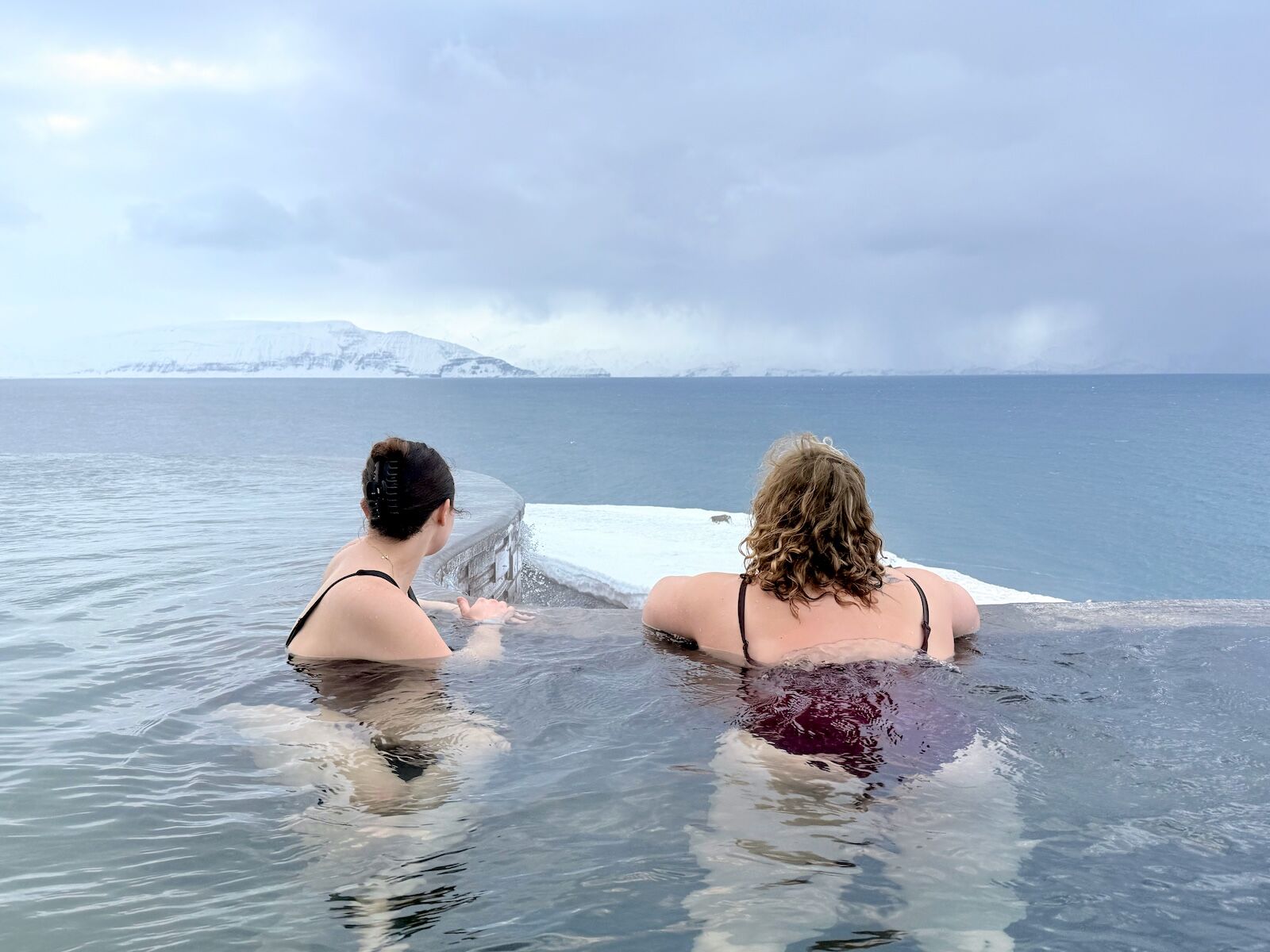
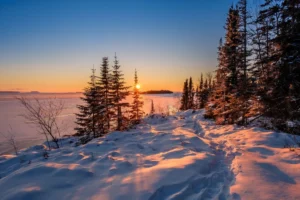
For the visitor, the primary takeaway is the importance of engaging with the local infrastructure. The "red slide" at the municipal pool, the locally sourced rye bread, and the quiet, snow-dusted views of the Eyjafjörður fjord are not merely items for a brochure; they are the result of a thousand-year history of adapting to one of the most challenging climates on earth. As Iceland continues to navigate the complexities of global tourism, the northern region stands as a testament to the fact that the most authentic experiences are often found far from the paved loops and tour bus parking lots of the capital.
The transition from a visitor to a participant in the northern bathing culture requires more than just a swim; it requires an acknowledgment of the social and historical context of the water. By observing the communal showers, respecting the local quiet hours, and prioritizing the municipal pools over the commercial ones, travelers can participate in a tradition that has sustained a nation since its inception. As the winter nights stretch on, the steam rising from the pools of the north will continue to serve as a beacon—not just for the weary traveler, but for the local community that has made these waters their home.