Navigating Paris Museums with Children: A Comprehensive Family Guide to Culture and Hidden Gems

Paris boasts one of the most culturally significant and extensive museum ecosystems in the world, spanning millennia of artistic expression, scientific discovery, and historical evolution. For families traveling with children, however, the prospect of navigating massive, highly crowded institutions can present a daunting logistical challenge. Successfully introducing younger generations to the rich cultural heritage of the French capital requires a strategic shift in perspective, moving away from exhaustive art-historical marathons and toward targeted, interactive engagement. By balancing iconic masterpieces with lesser-known cultural gems, immersive exhibits, and adjacent outdoor green spaces, families can transform educational outings into memorable highlights of a Parisian holiday.
The Main Facts of Parisian Family Cultural Tourism
The primary hurdle for families visiting major Parisian cultural institutions is scale. The Musée du Louvre alone spans more than 750,000 square feet and welcomed approximately 9 million visitors, illustrating the sheer volume of foot traffic families encounter. Attempting to view every gallery in such sprawling facilities frequently results in cognitive overload and fatigue for children and adults alike.
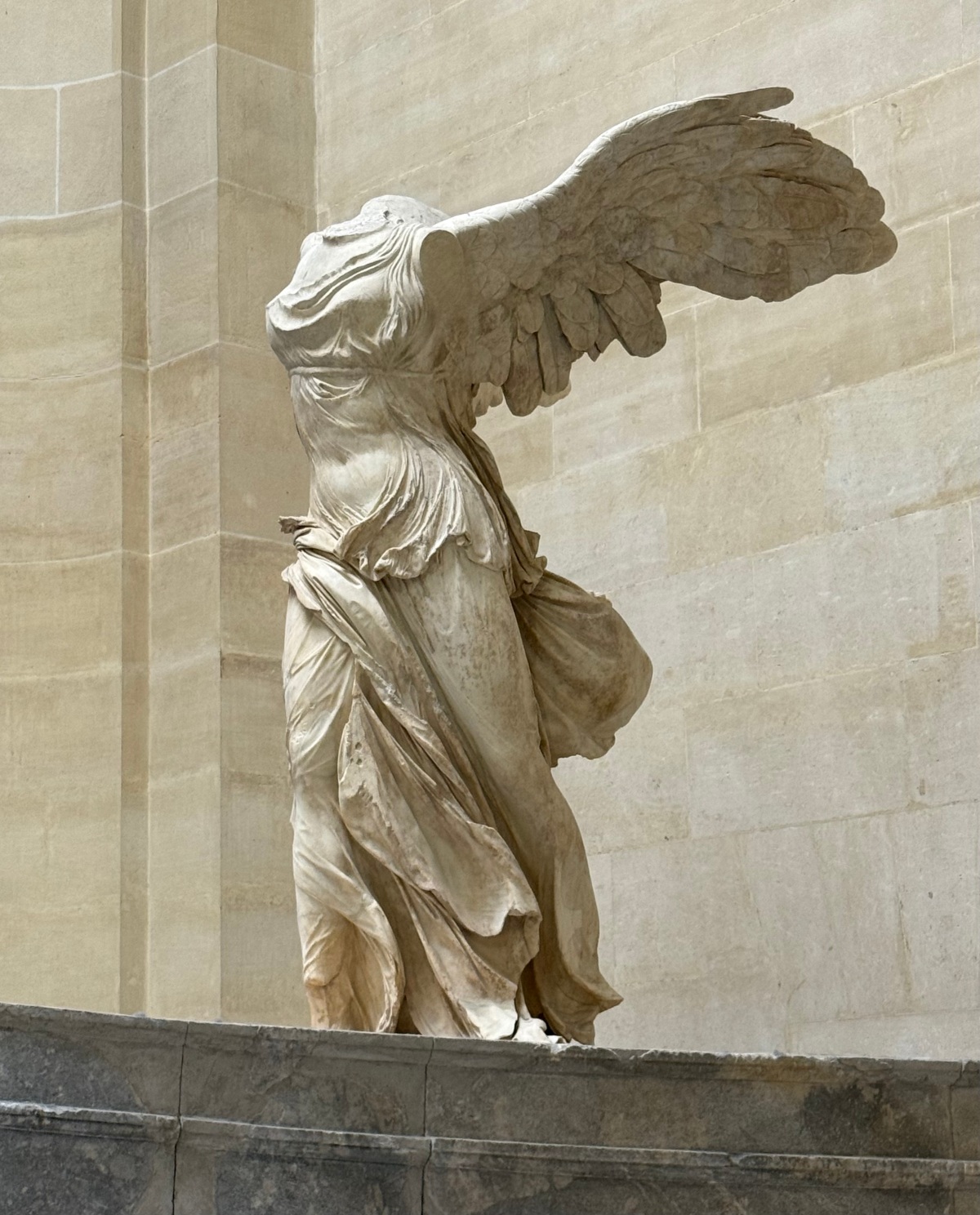
To mitigate this, cultural travel experts and family-focused tour operators recommend a decentralized approach. Instead of trying to conquer a museum, visitors should frame the experience around specific thematic scavenger hunts—such as tracking down ancient Egyptian mummies, medieval fortress foundations, or easily recognizable highlights like the Mona Lisa and the Winged Victory of Samothrace. Furthermore, leveraging private family guides can significantly streamline the visit, insulating tourists from chaotic crowds while providing tailored historical narratives that hold children’s attention.
Chronology and Evolution of Paris Museums for Youth
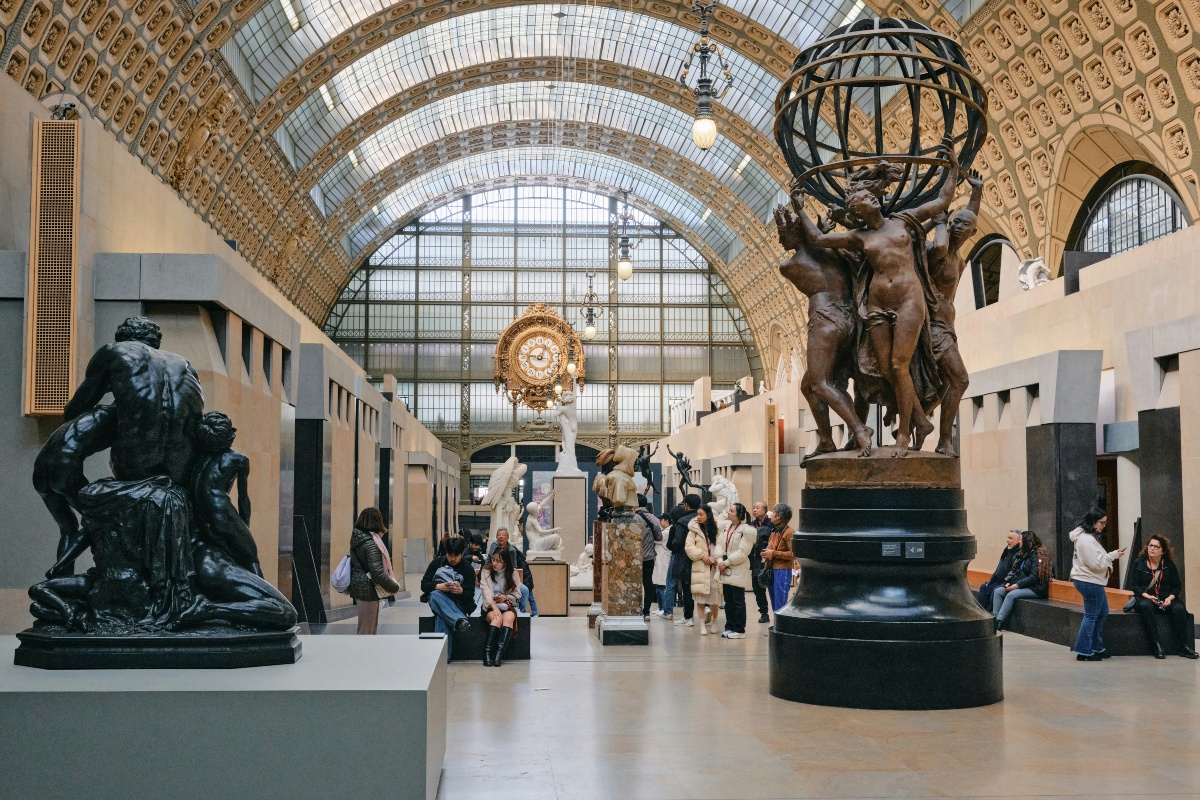
The transformation of Parisian museums from elitist storehouses into family-friendly educational environments has evolved significantly over the past century. Historically, institutions like the Louvre and the Musée d’Orsay—the latter occupying the magnificent Beaux-Arts railway station originally built for the 1900 World’s Fair—were designed primarily to showcase national collections to scholars and high society.
In recent decades, however, museum leadership across Paris has recognized the necessity of audience diversification. The opening of dedicated educational and interactive spaces, such as The Studio at the Louvre and the specialized family zones at the Musée de l’Orangerie, marks a conscious chronological shift toward tactile learning. Modern curation now incorporates sensory workshops, storytelling sessions, and paper-craft stations, ensuring that children from toddlers to teenagers find accessible entry points into classical and contemporary art.
Supporting Data and Prominent Family Destinations
Statistical metrics highlight both the popularity and the specific spatial advantages of various Parisian cultural sites. Major institutions have increasingly integrated surrounding natural landscapes to provide necessary decompression zones for children.
- Musée d’Orsay (7th Arrondissement): Located in a historic railway station, it offers an approachable scale featuring globally recognized Impressionist and Post-Impressionist works by Van Gogh, Monet, Renoir, and Degas. Families frequently gravitate toward the monumental gilded clock for memorable panoramic photographs of the city.
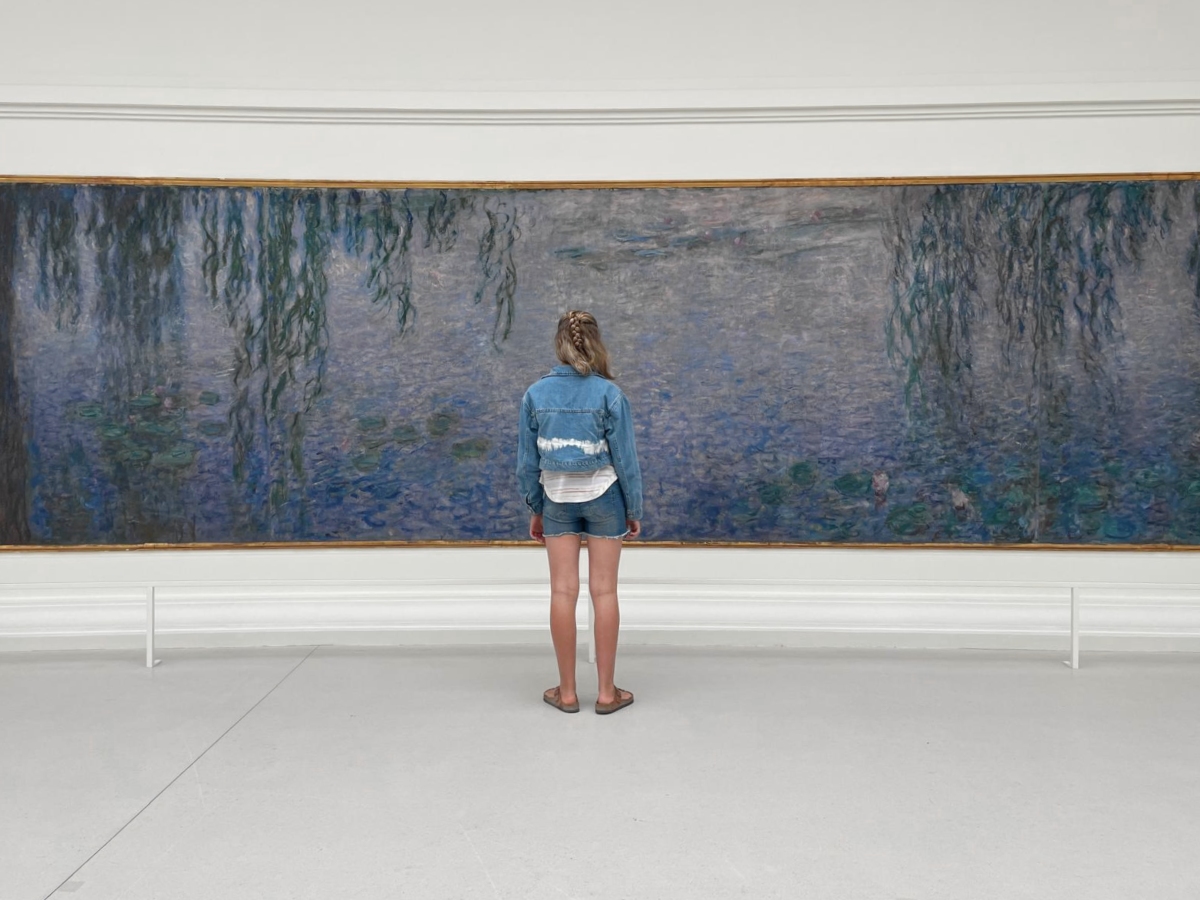
- Musée de l’Orangerie (1st Arrondissement): Famous for housing Claude Monet’s monumental Water Lilies in specially designed oval rooms, this museum offers an immersive environment without the exhaustion of a massive gallery layout. Its location directly inside the Tuileries Garden allows for an immediate transition from art appreciation to outdoor recreation.
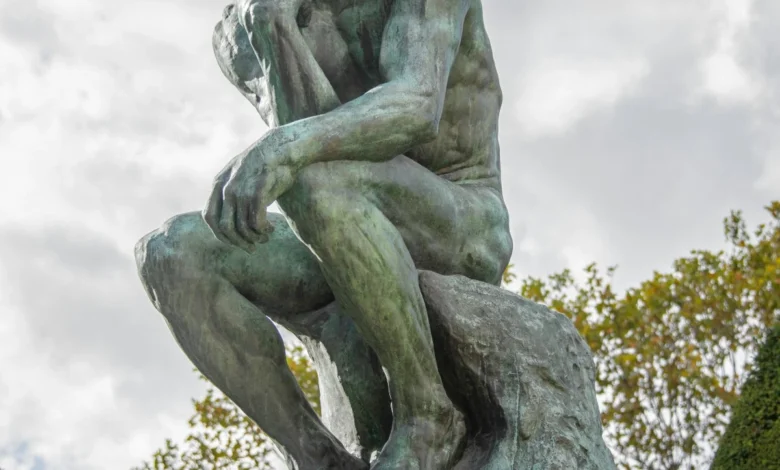
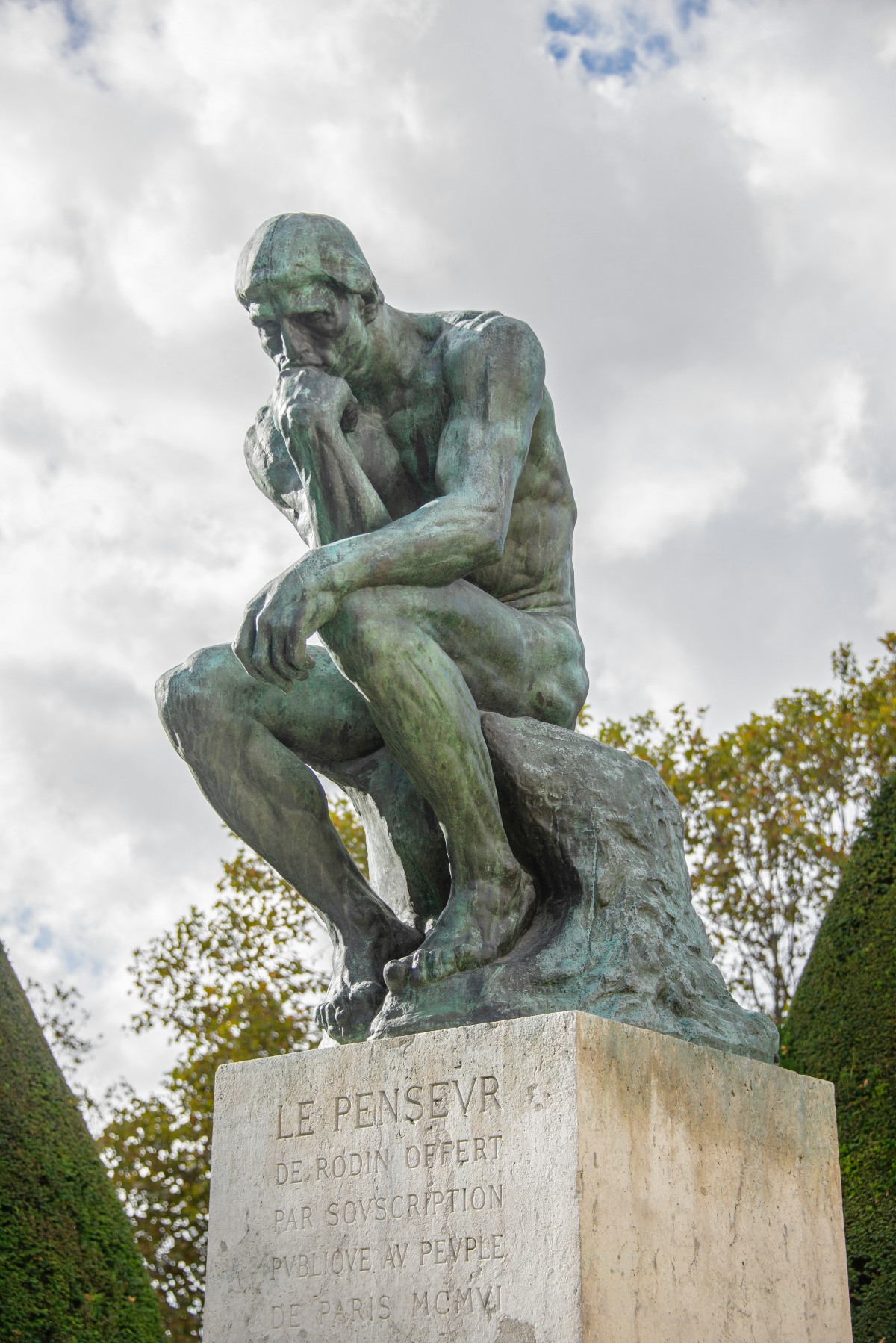
- Musée Rodin (7th Arrondissement): Housed in the Hôtel Biron, this museum pairs Auguste Rodin’s monumental bronzes—including The Thinker and The Gates of Hell—with expansive, tranquil sculpture gardens where children can roam freely among the artwork.
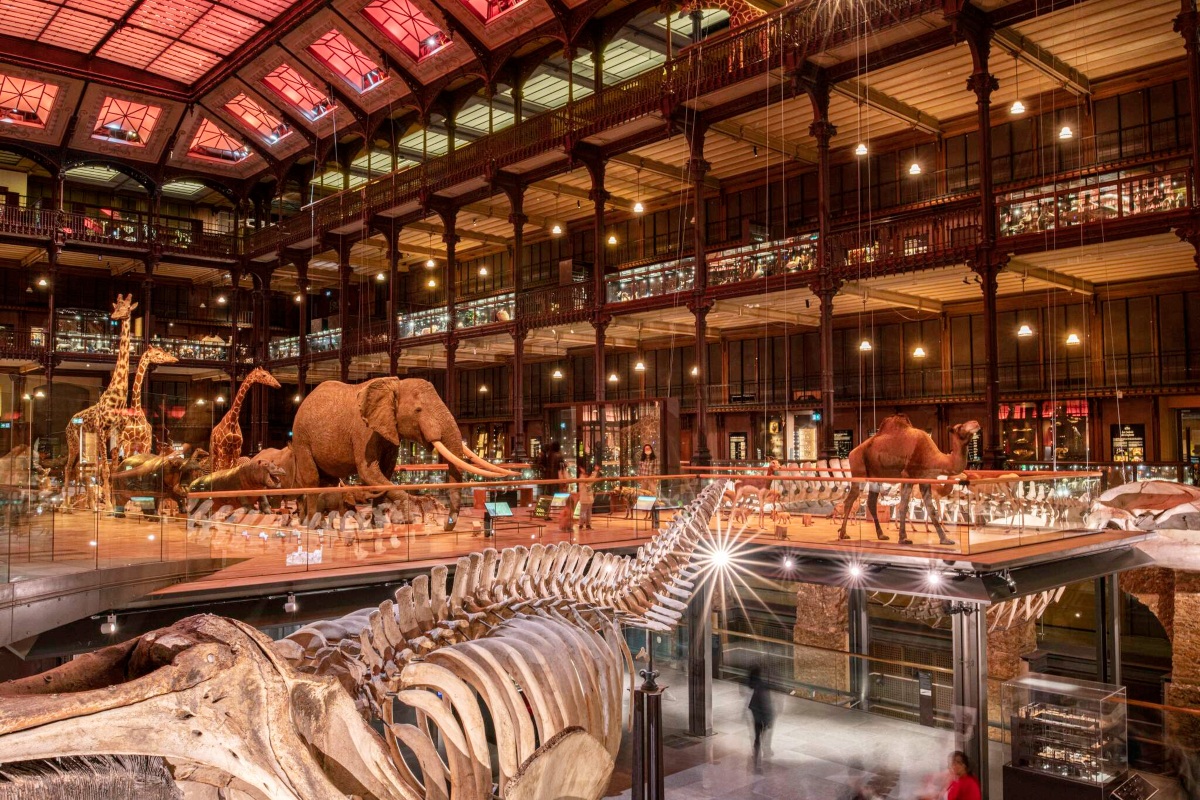
- Grande Galerie de l’Évolution (5th Arrondissement): Part of the Muséum National d’Histoire Naturelle within the Jardin des Plantes, this dramatic hall features a soaring glass roof and a taxidermied caravan of African wildlife marching beneath a giant whale skeleton. The surrounding 60-acre complex includes greenhouses, a labyrinth, and a historic menagerie.
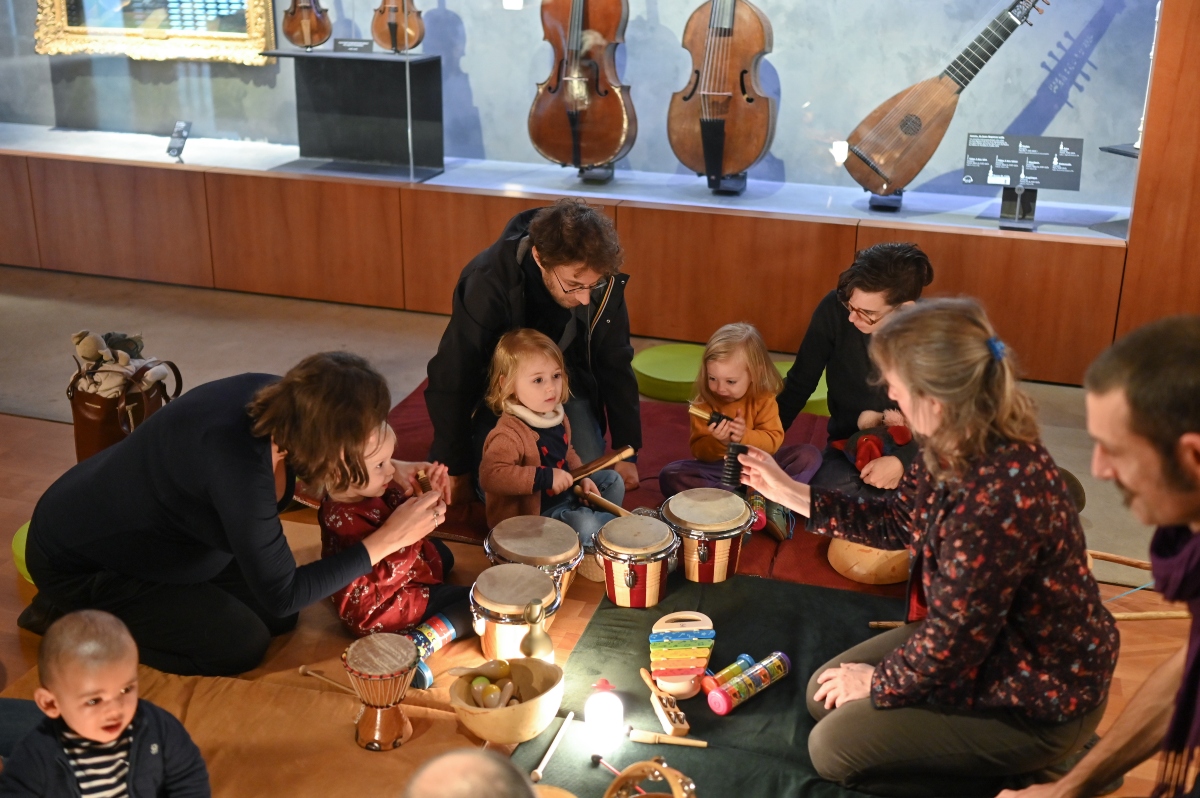
- Philharmonie de Paris and Musée de la Musique (19th Arrondissement): Breaking conventional museum rules, this institution invites children to make noise, sing, and interact with nearly 1,000 global instruments, complemented by the vast open lawns of Parc de la Villette.
Official Responses and Institutional Adaptations
Curators, educational directors, and tourism officials in Paris have increasingly prioritized family demographics through deliberate structural adaptations. Recognizing that standard ticketing and rigid gallery rules alienate younger audiences, institutions have introduced specialized booking pathways and tactile exhibitions.
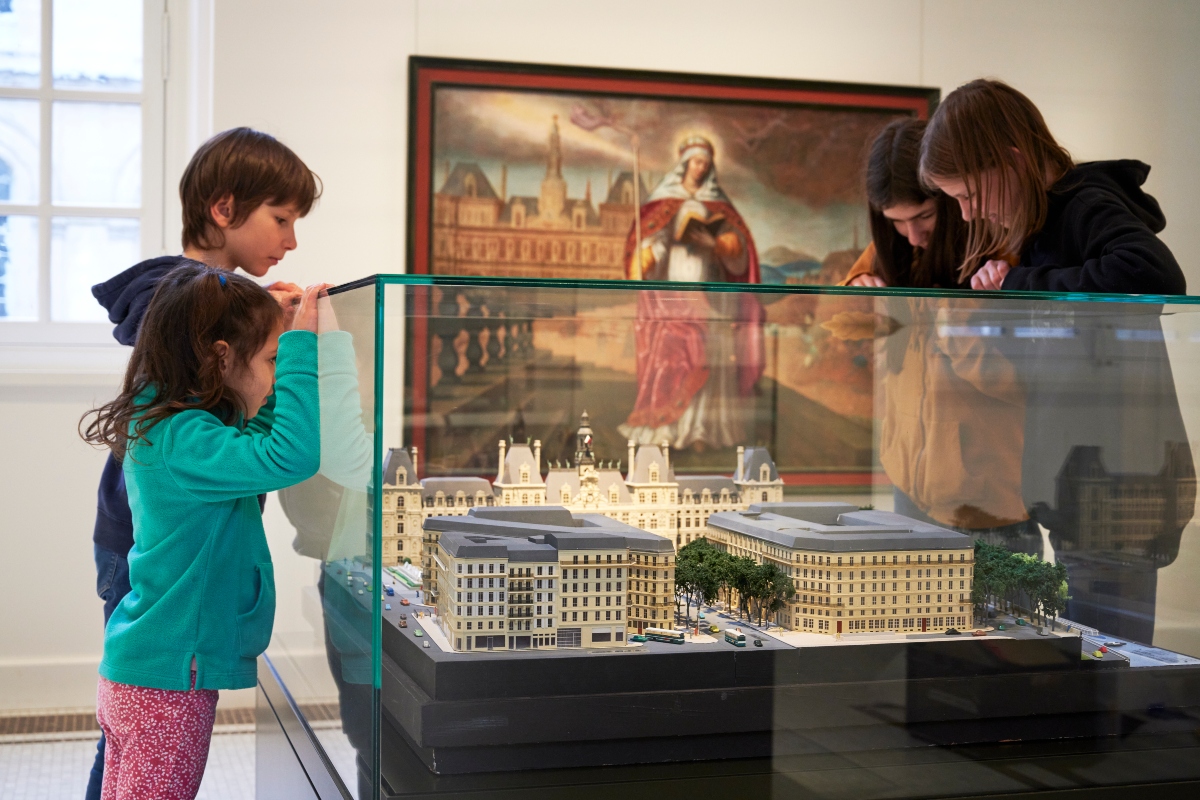
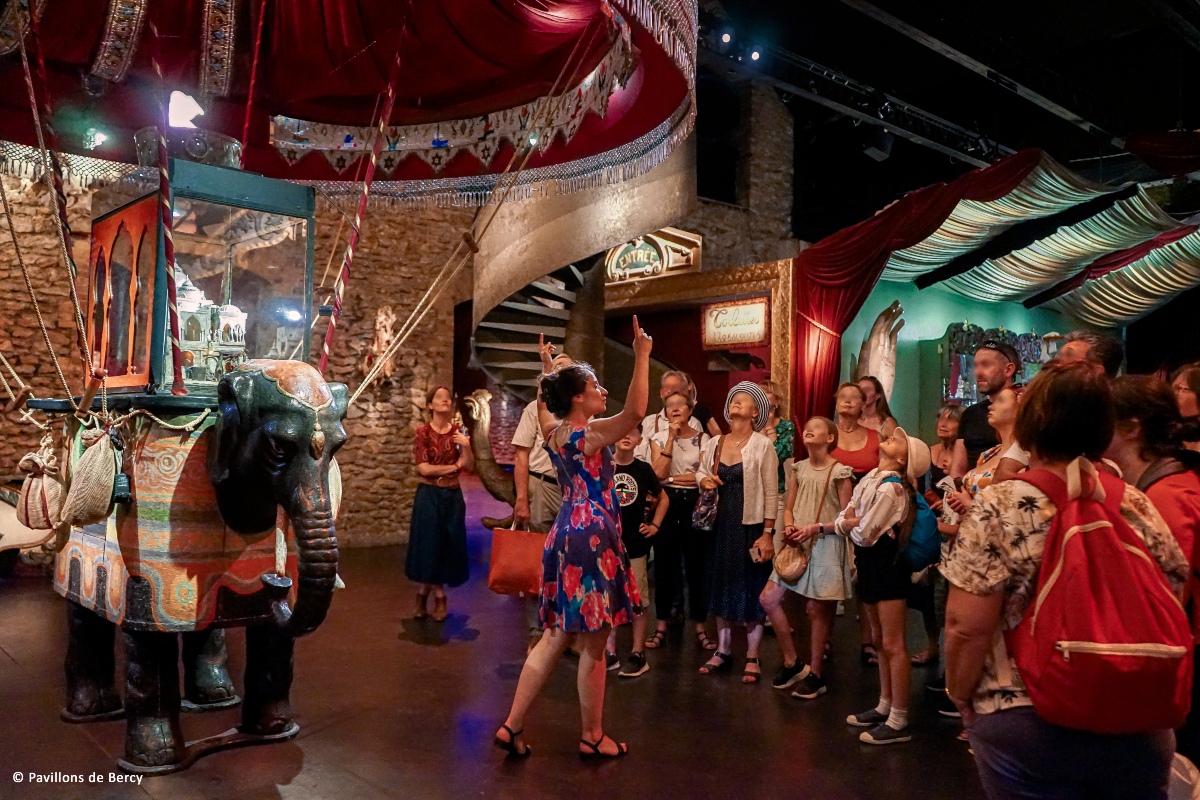
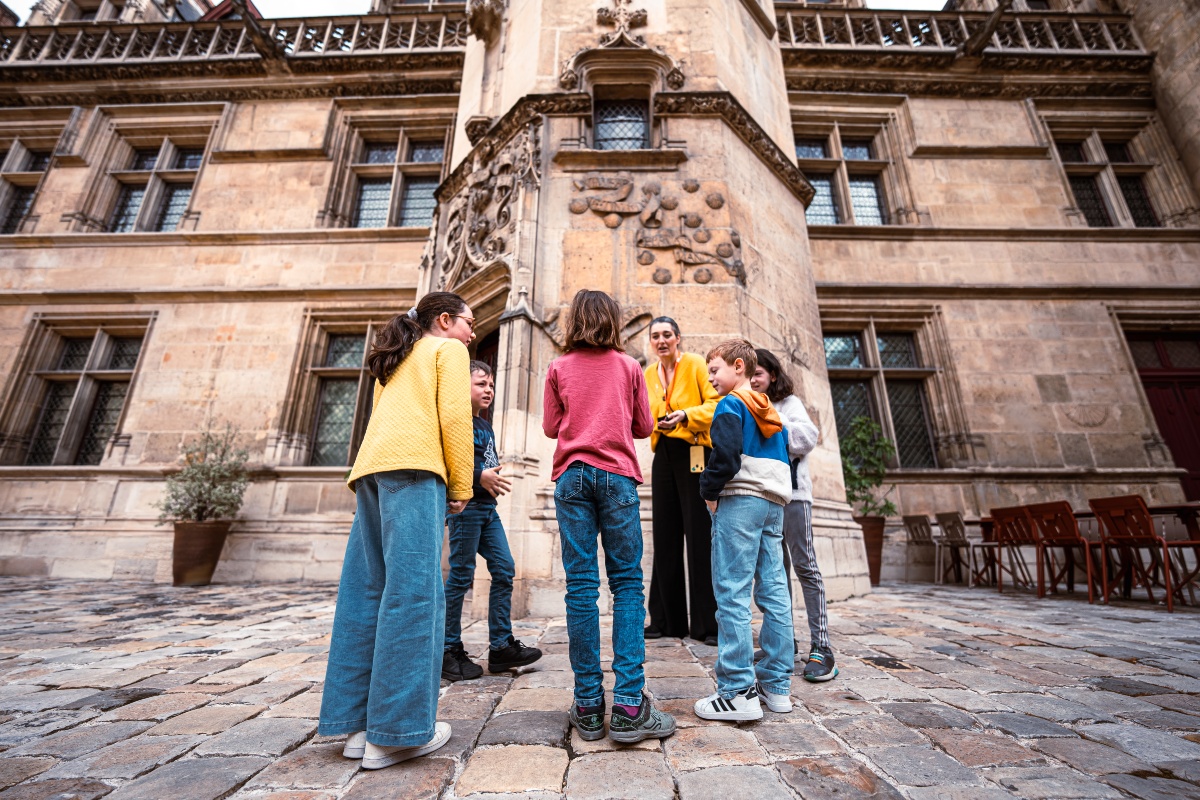
For instance, the Musée Carnavalet, which chronicles the history of Paris through two historic Marais mansions, displays approximately 10 percent of its vast collection precisely at a child’s eye level, supplemented by youth-centric workshops. Similarly, the Musée des Arts Forains at the Pavillons de Bercy mandates guided, interactive tours of antique fairground rides and historical carnival games, ensuring that educational tourism remains active and participatory rather than passive. The introduction of English-language family tours during peak summer months further demonstrates an institutional commitment to international family travelers.
Broader Impact and Economic Implications
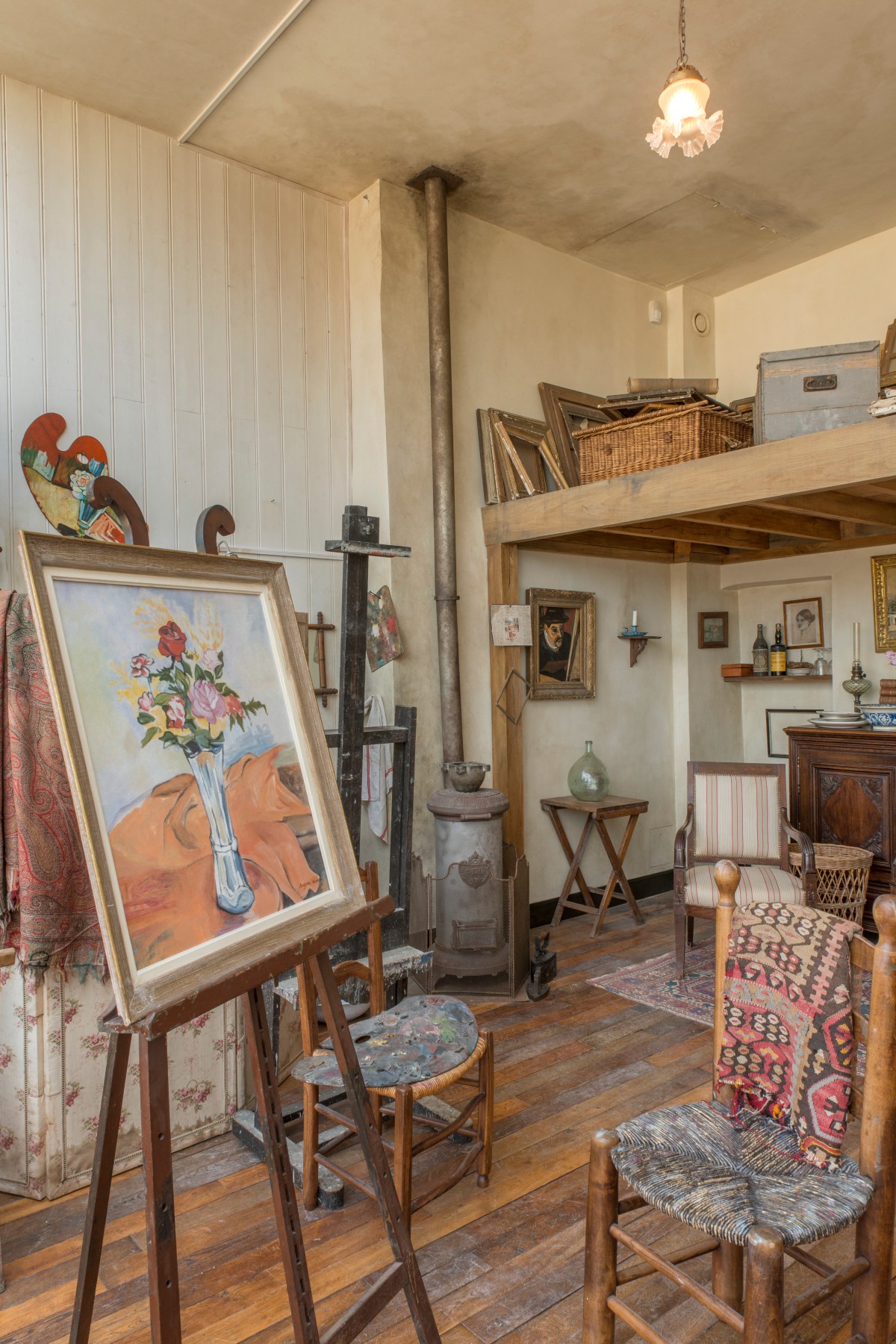
The deliberate inclusion of families in the Parisian cultural sector carries profound economic and social implications. By moving beyond traditional adult-centric models, Paris tourism boards and museum directors encourage longer family stays, higher repeat visitation rates, and a more equitable distribution of tourist foot traffic across non-traditional arrondissements.
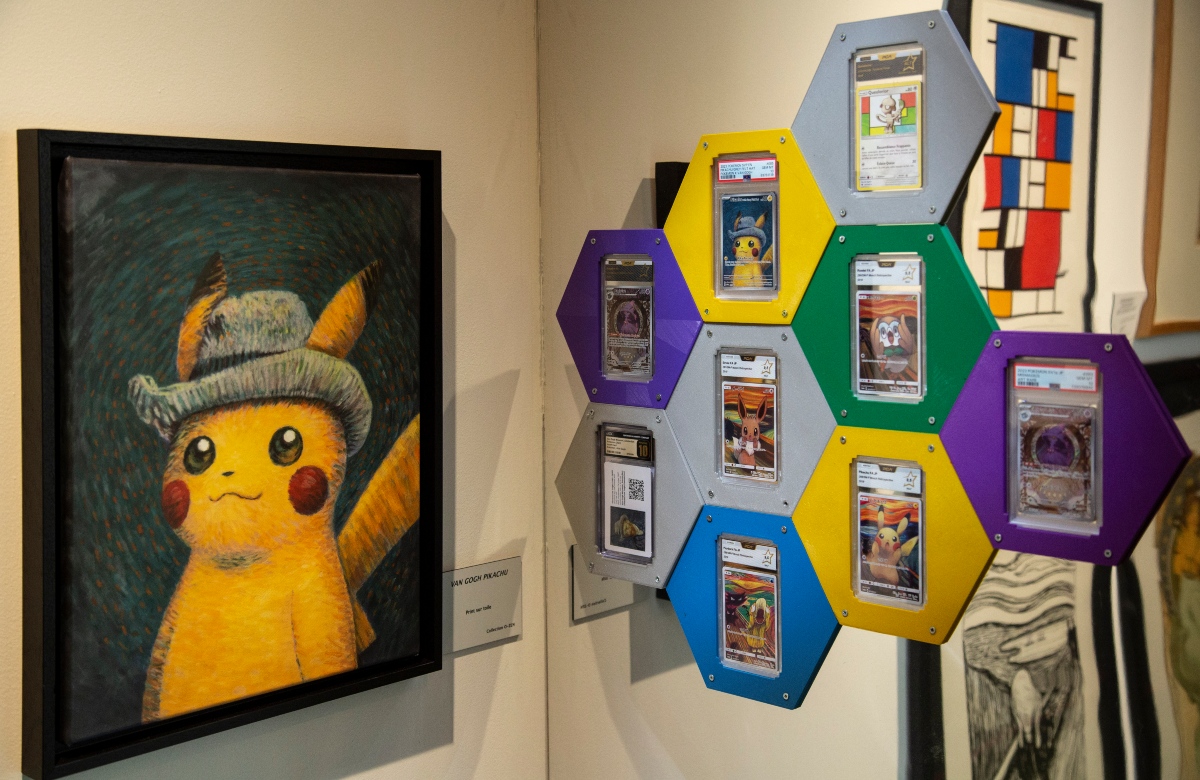
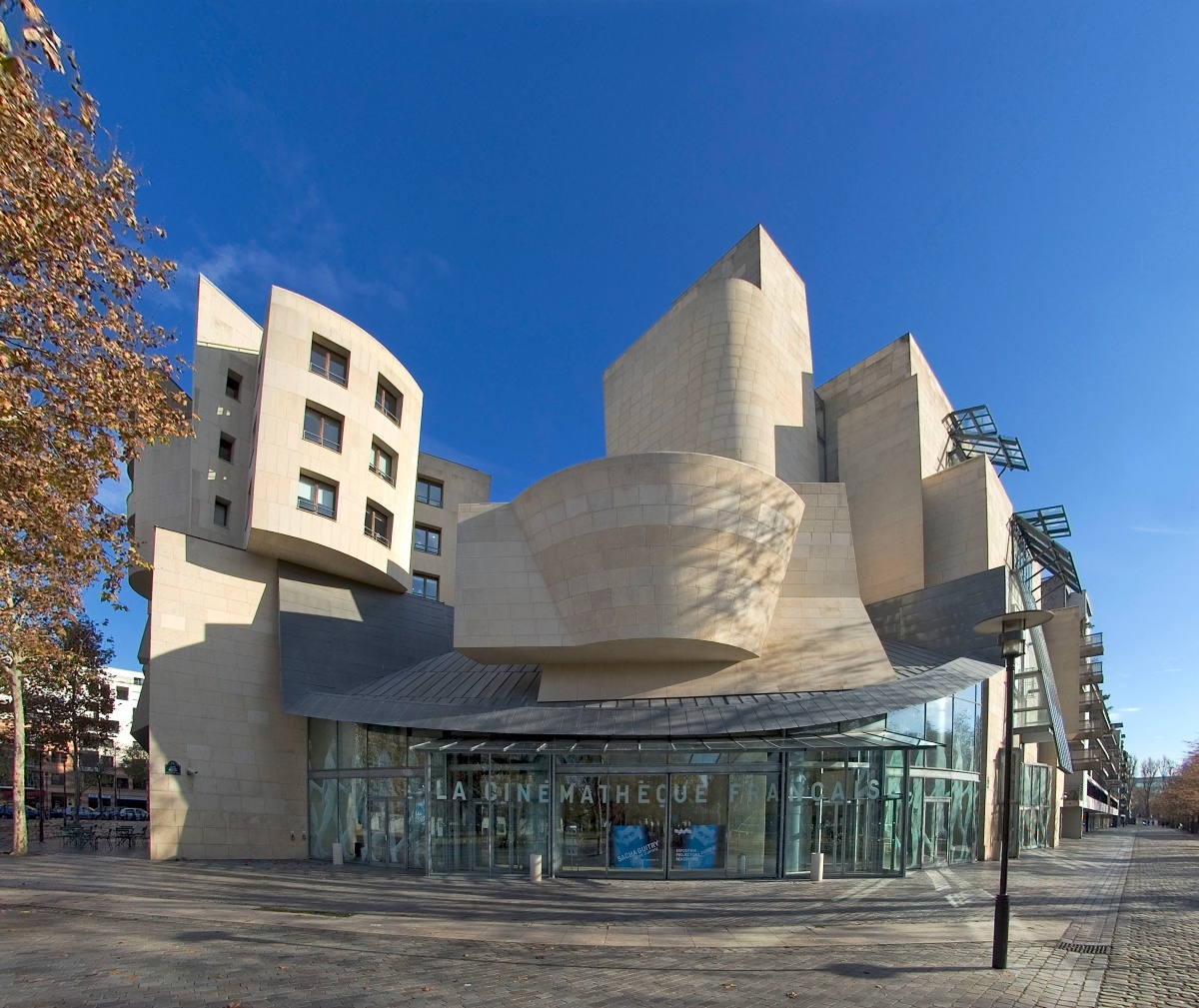
Hidden gems such as the Musée des Arts et Métiers in the 3rd Arrondissement—which showcases historical engineering and Foucault’s Pendulum inside a former medieval church—or the Cinémathèque Française in the 12th Arrondissement, benefit directly from this diversification. Spreading visitors across diverse neighborhoods like the Marais, Montmartre, and Bercy alleviates congestion at headline monuments while stimulating local economies in surrounding districts. Ultimately, reimagining museums as dynamic, kid-friendly environments ensures that the next generation of international travelers retains a positive, enduring connection to global cultural heritage.