The Significance of Eternal Flame
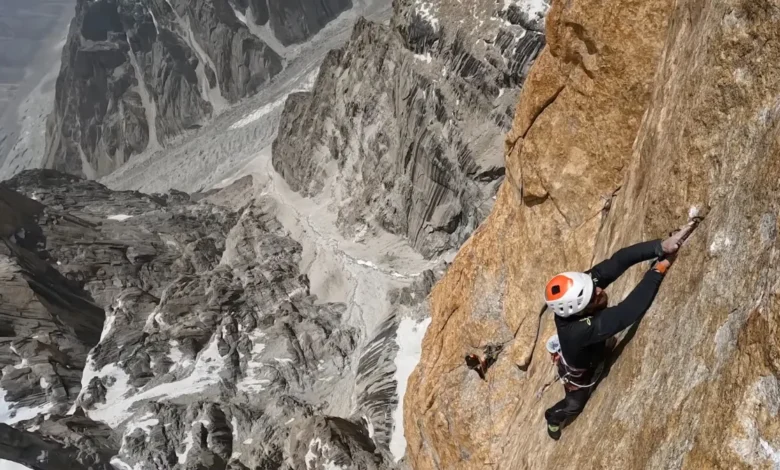
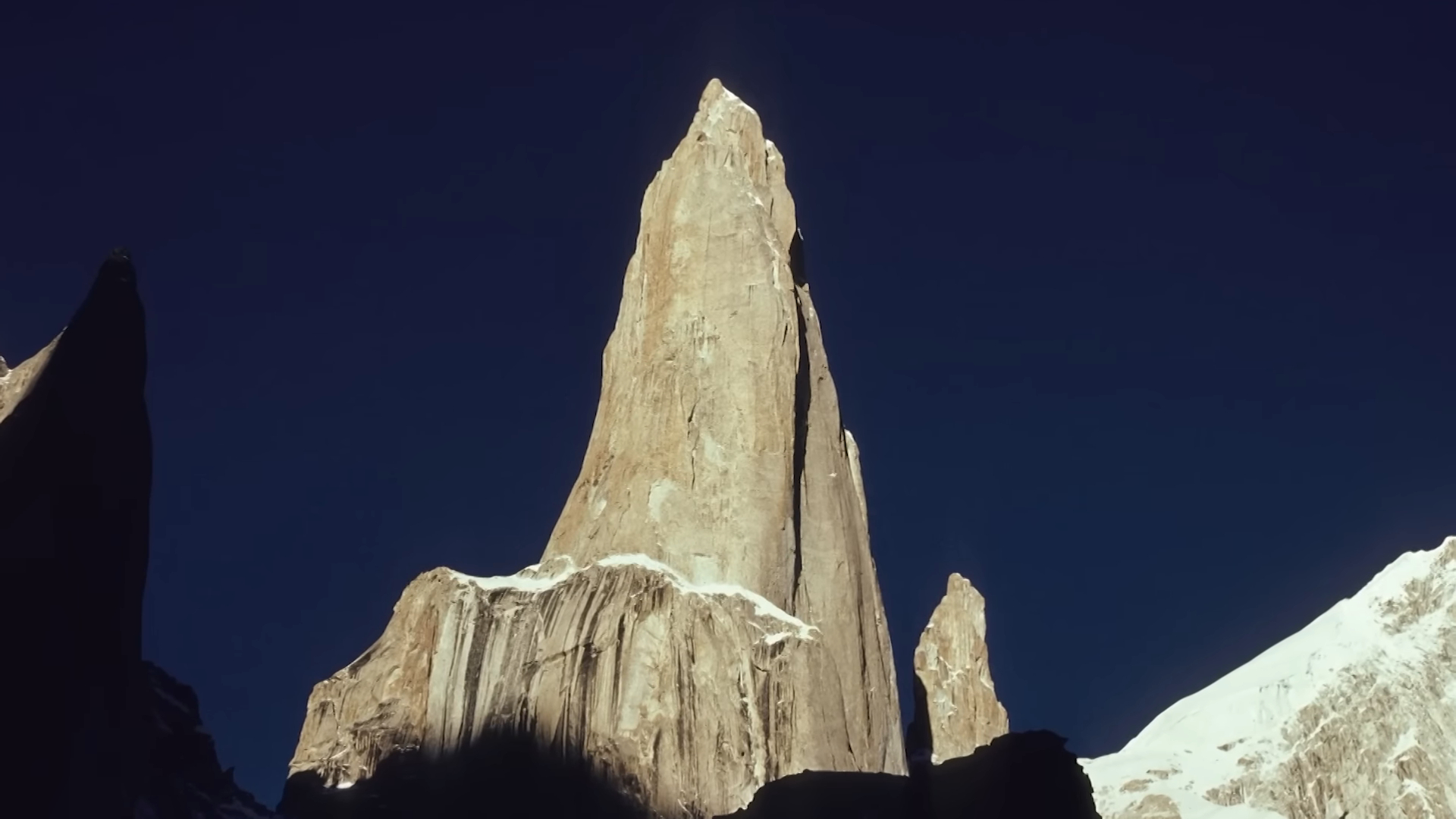
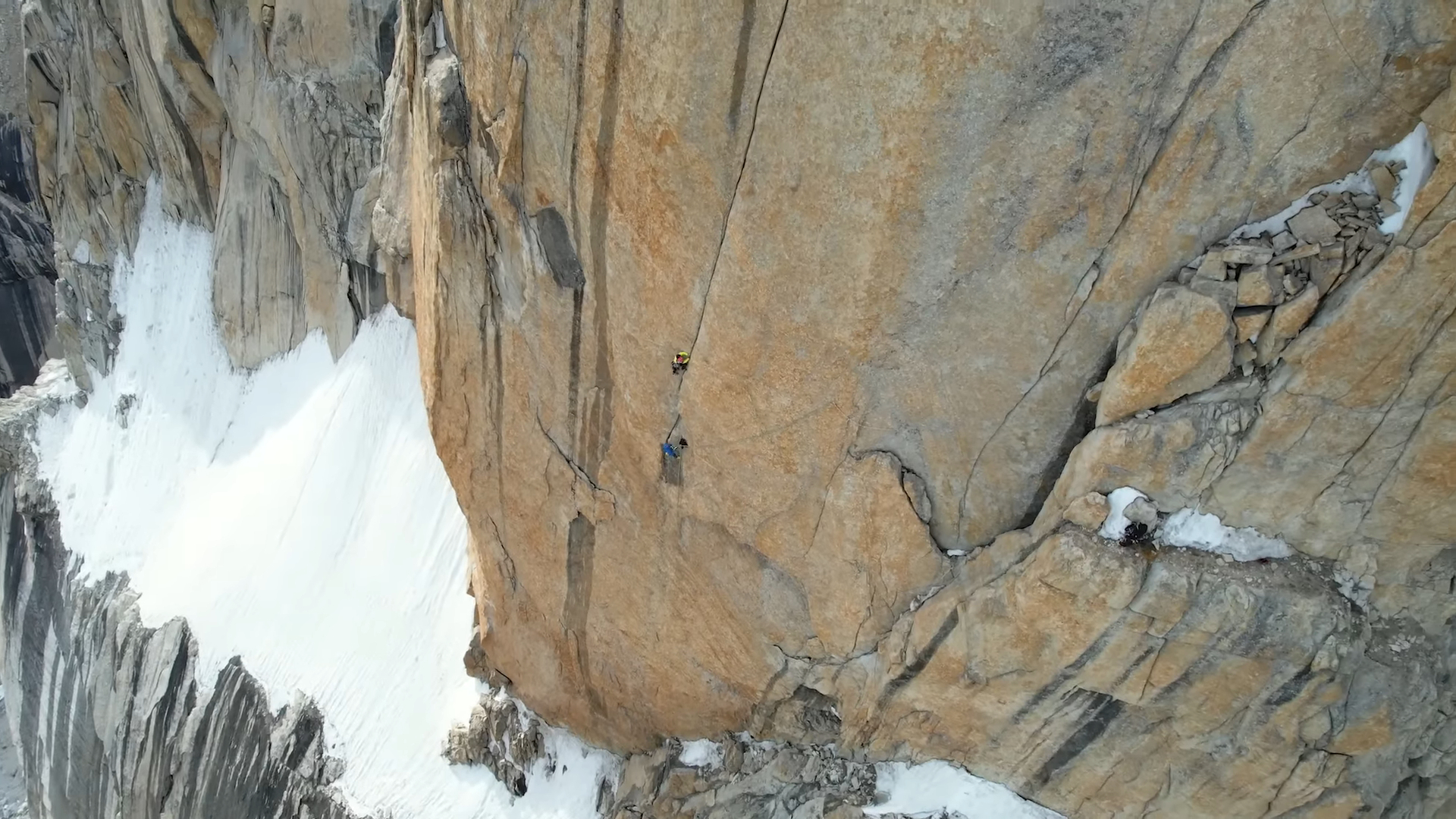
The Eternal Flame route on the Nameless Tower of the Trango Towers is widely considered one of the most aesthetic and challenging big-wall climbs in the world. First established in 1989 by the legendary climbing duo Wolfgang Güllich and Kurt Albert, the route gained mythic status for its sheer verticality and the technical prowess required to navigate its granite cracks.
For two decades, it stood as an unconquered challenge for free climbers—those who rely on their physical ability to ascend, using gear only for protection rather than upward progression. It was not until 2009 that the brothers Alex and Thomas Huber finally achieved the first free ascent, cementing their place in mountaineering history. The Marin family’s endeavor to repeat this feat serves as a bridge between the pioneering spirit of the 1980s and the modern era of high-performance alpinism.
The Marin Expedition: A Family Dynamic
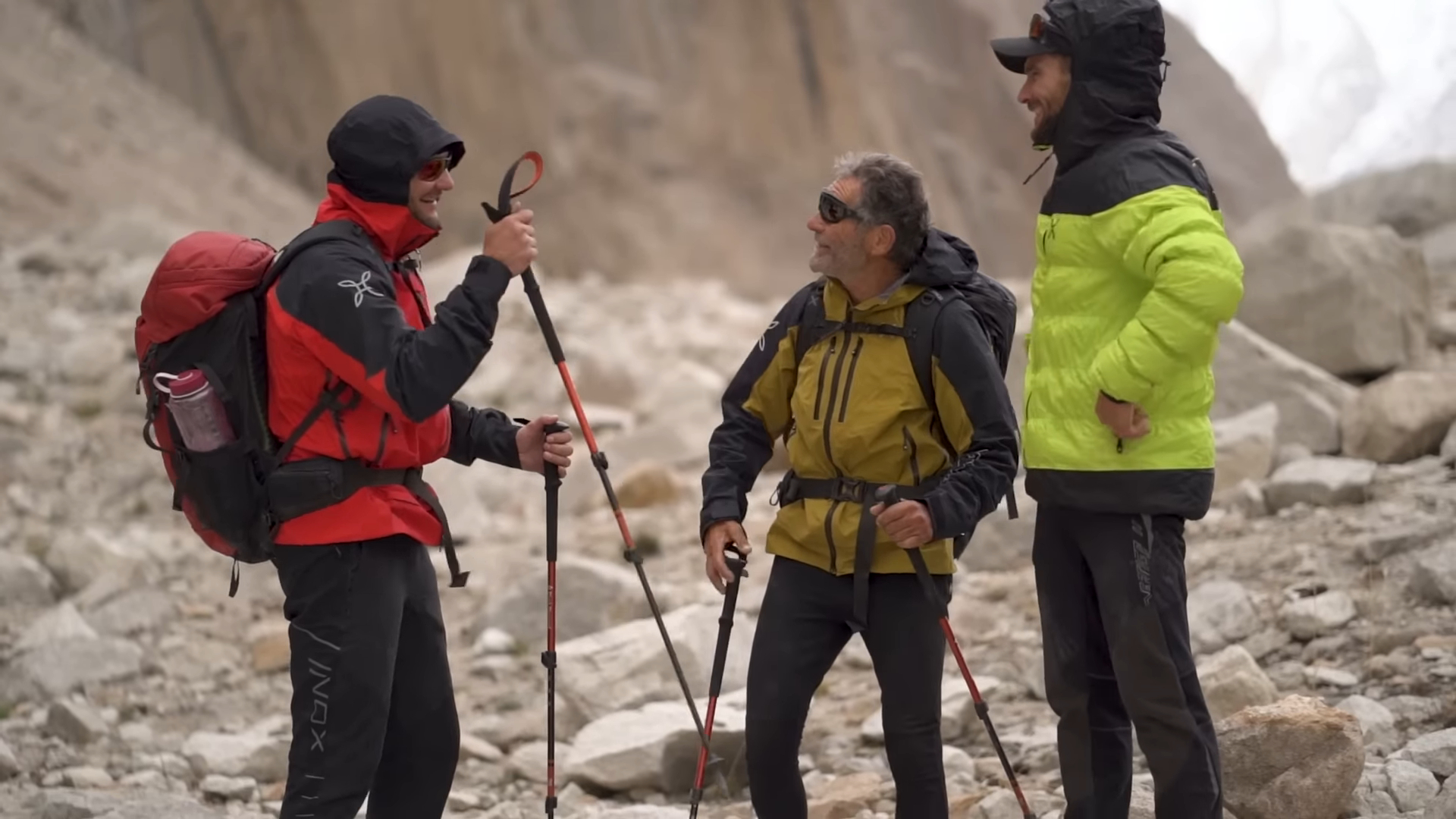
The expedition was led by Edu Marin, a seasoned professional climber, who assembled a team that defied traditional alpine norms. Joining him were his brother, Alex, and his 70-year-old father, Francisco "Novato" Marin. The inclusion of an septuagenarian in a high-altitude, big-wall project is statistically anomalous in modern mountaineering. While professional climbers often peak in their late 20s or 30s, the elder Marin brought a level of psychological stability and life experience that proved critical when the project faced existential threats.
The logistical complexity of the climb was immense. The team had to transport and manage over 1,200 meters of rope, specialized climbing hardware, and provisions for an extended stay on the wall. The Nameless Tower presents a unique challenge: the weather patterns in the Karakoram are notoriously fickle, and the exposure at 6,000 meters makes even minor equipment malfunctions potentially fatal.
Chronology of the Ascent
The expedition began with the establishment of a base camp at 4,200 meters. This initial phase was dedicated to acclimatization—the biological process of adjusting to lower oxygen levels—and the logistical setup of the lower pitches.
Disaster nearly struck during the early stages of the climb. In the dead of night, a catastrophic avalanche swept through the area, hitting the team’s camp. While the climbers emerged physically unscathed, the logistical setback was significant. The camp was effectively dismantled by the snow and debris. The psychological toll of such an event at the foot of an 8-hour vertical climb cannot be overstated. However, the decision to continue, made after a rigorous assessment of their remaining supplies and safety, marked the beginning of a grueling, weeks-long effort.
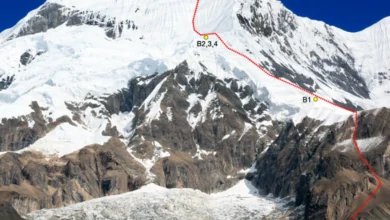
The most defining moment of the journey occurred at the 6,000-meter "Snow Ledge." As the team reached this precarious platform, meteorologists forecasted a severe, week-long storm front. Conventional wisdom in mountaineering dictates an immediate descent to lower altitudes to avoid the risk of frostbite, hypoxia, and the danger of being trapped by accumulation.
Edu Marin made the controversial decision to remain on the ledge. His reasoning was grounded in the strict ethics of free climbing: once a climber descends from a high-altitude wall, the clock effectively resets, and the team would have been forced to re-climb the entire lower section to maintain the integrity of their free ascent. Edu spent eight days in sub-freezing temperatures on the ledge, waiting for a weather window. This period of isolation is highlighted by fellow experts, including Thomas Huber, as the crux of the entire project—not in terms of physical movement, but in terms of mental fortitude.
Data and Technical Challenges
The Trango Towers are located in the Baltoro Glacier region, characterized by extreme granite quality and severe weather volatility. The Eternal Flame route itself involves:
- Altitude: Summiting at approximately 6,251 meters.
- Vertical Gain: Roughly 1,200 meters of climbing.
- Technical Grade: Sustained difficulty with pitches reaching 5.12/5.13 grade.
- Environmental Factors: Temperatures frequently drop well below -20°C, and the wind speeds at these altitudes can reach hurricane force.
The decision to stay at 6,000 meters for over a week placed immense physiological stress on Edu. High-altitude environments are inherently catabolic; the body begins to consume its own muscle mass to survive. By refusing to descend, Marin effectively gambled his health against the success of the climb.
Expert Perspectives and Historical Context
The inclusion of the Huber brothers in the documentary provides a vital link to the history of the wall. Their reflections on the 2009 ascent underscore how the sport has evolved. Where the Hubers relied on the pioneering spirit of Güllich and Albert, the Marins represent the professionalization of the sport, where every ounce of gear and every calorie consumed is calculated.
"It is a privilege to share this sport with my sons," Francisco "Novato" Marin noted in the post-ascent interviews. His participation serves as a reminder that mountaineering is often a multi-generational pursuit. By completing the second-ever free ascent, the Marins have not only added their names to the history books but have also provided a case study on the efficacy of familial team structures in extreme sports.
Broader Implications for Alpinism
The success of the Marin team carries several implications for the future of high-altitude climbing. First, it highlights the viability of "sit-out" strategies during weather windows, provided the climbers have the requisite psychological resilience. Second, it shifts the focus of big-wall climbing from pure speed to endurance and sustainable high-altitude living.
The film, Keep it Burning, serves as both a historical record and a cautionary tale. It documents the reality that behind the triumph of a summit photo lies weeks of degradation, fear, and the constant threat of catastrophe. For the climbing community, the Marin expedition validates the idea that even in an age of technological advancement, the primary engine of success remains the individual’s ability to remain committed to a goal despite overwhelming environmental pressure.
As climate change continues to impact the stability of high-altitude ice and snow, the challenges faced by the Marins—specifically the increased risk of avalanches and unpredictable storm cycles—are likely to become the new normal for future expeditions. The success of this project serves as a blueprint for how modern teams might navigate these changing conditions, emphasizing that preparation and the willingness to endure isolation are as important as the physical ability to climb.
The achievement stands as a testament to the enduring legacy of the Eternal Flame route, ensuring that the spirit of Güllich and Albert continues to inspire a new generation of climbers to test their limits against the most formidable rock faces on the planet.
Related posts: