Sweet Heritage: Exploring the Two-Century Legacy of Barcelona’s Oldest Pastry Shops

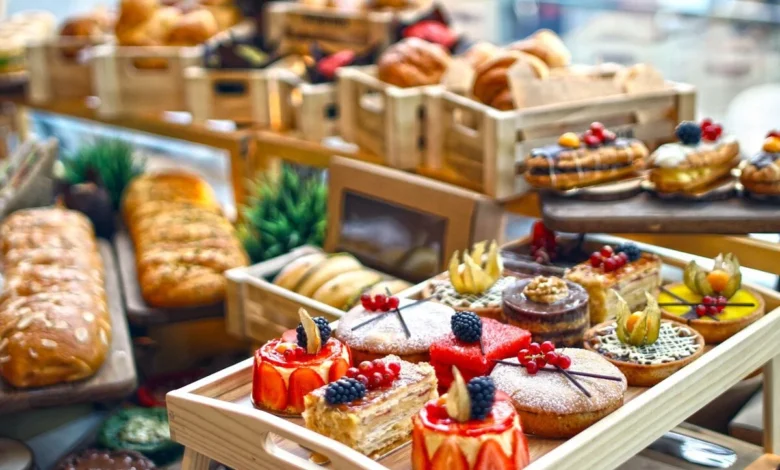
Barcelona’s culinary identity is inextricably linked to the preservation of its historic pastisseries, a collection of establishments that have served as the city’s sweet heartbeat for over two hundred years. While the modern gastronomic landscape of Catalonia is often celebrated for its avant-garde molecular experiments, the bedrock of local culture remains the traditional pastry shop. These institutions are not merely businesses; they are custodians of Catalan history, surviving shifting political regimes, economic cycles, and the modernization of urban life to maintain the authentic flavors of the 19th and early 20th centuries.
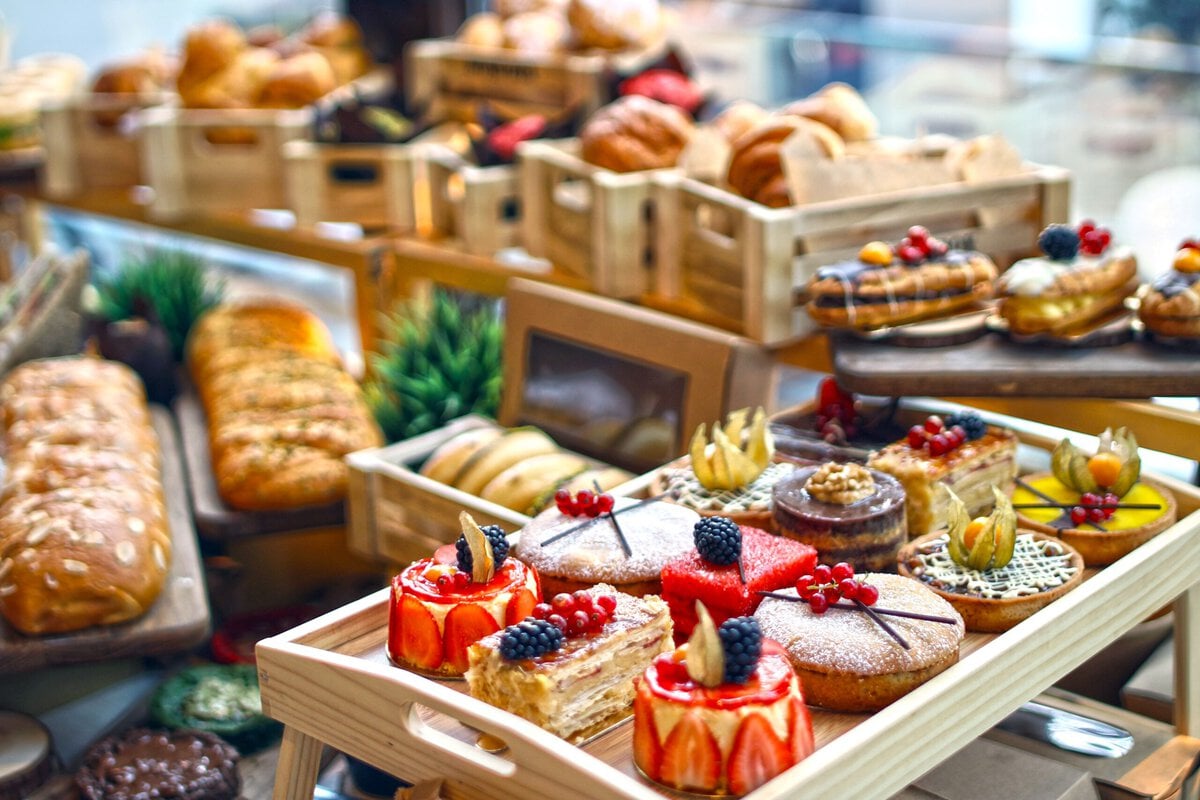
The evolution of these shops mirrors the growth of Barcelona itself. From the industrial expansion of the mid-1800s to the rapid urbanization of the Eixample district in the early 1900s, these bakeries and confectioneries have adapted to the changing demographics of the city. Today, they remain a point of intersection between the past and present, offering a tactile connection to the city’s heritage through recipes that have remained largely unchanged for generations.
A Chronology of Sweet Tradition
The lineage of Barcelona’s confectionery trade is extensive, beginning in the early 19th century when small-scale family workshops first established the foundations of the current industry.
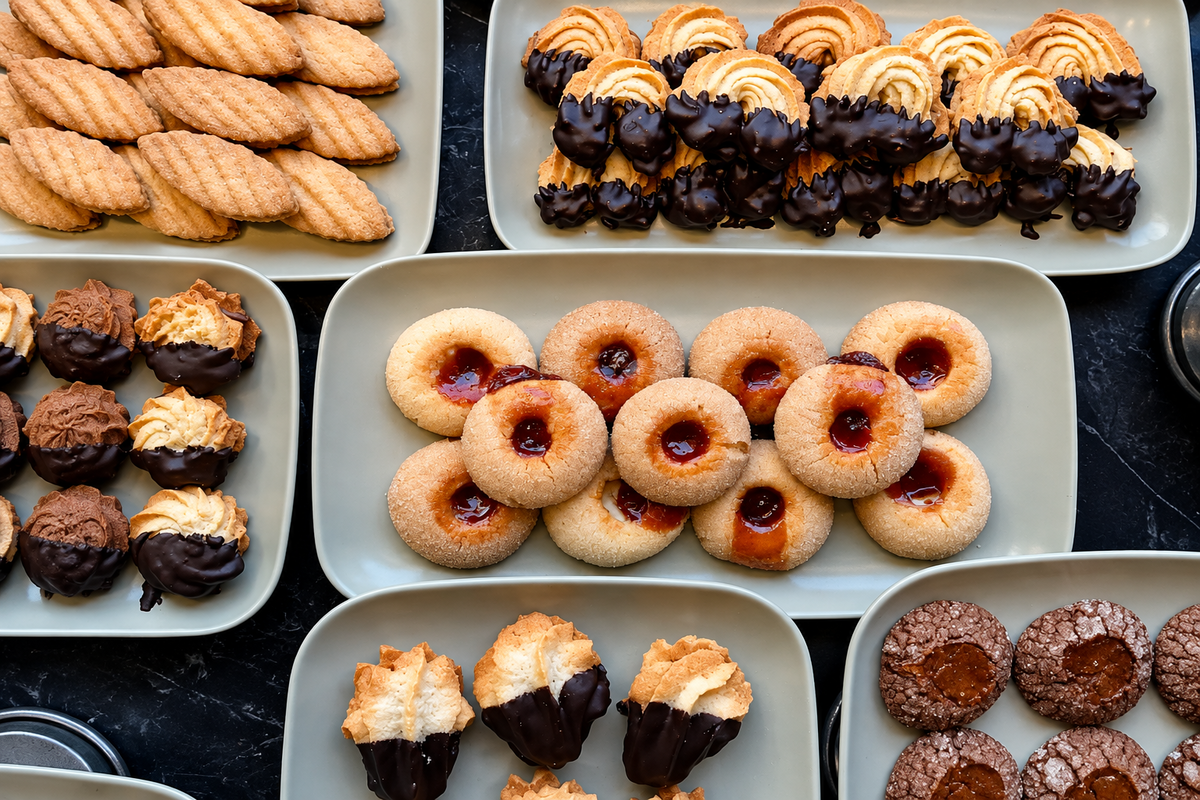
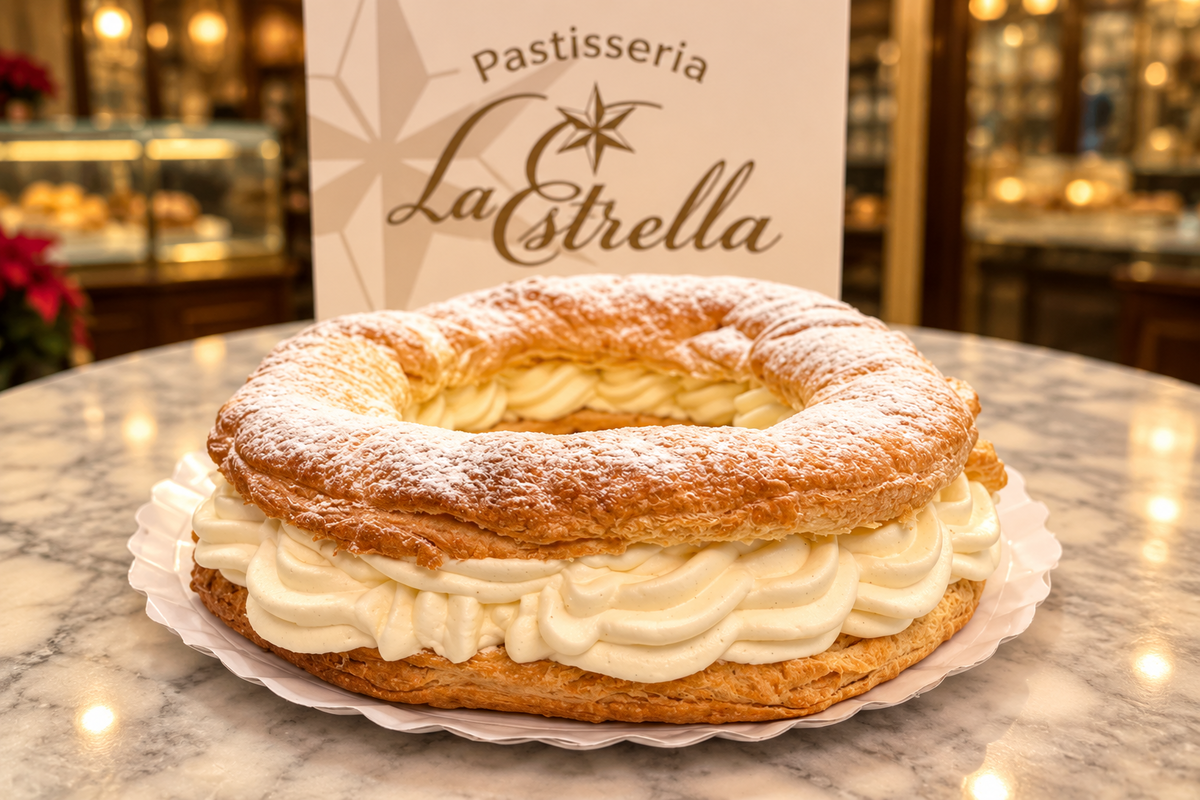
- 1825: La Estrella. Established as the oldest continuous operation in the city, La Estrella has witnessed nearly two centuries of change within the Raval neighborhood. Its longevity is attributed to a steadfast commitment to traditional production methods, currently maintained by a new generation of owners who have prioritized the preservation of the shop’s original 1950s interior aesthetic.
- 1849: La Colmena. Originally known as Ca l’Abella, the shop underwent a significant transformation in 1868 under the Costa family, who rebranded it as La Colmena, or "the beehive." Since 1927, it has been under the stewardship of the Roig family, who have protected the production of legacy items such as the bolado.
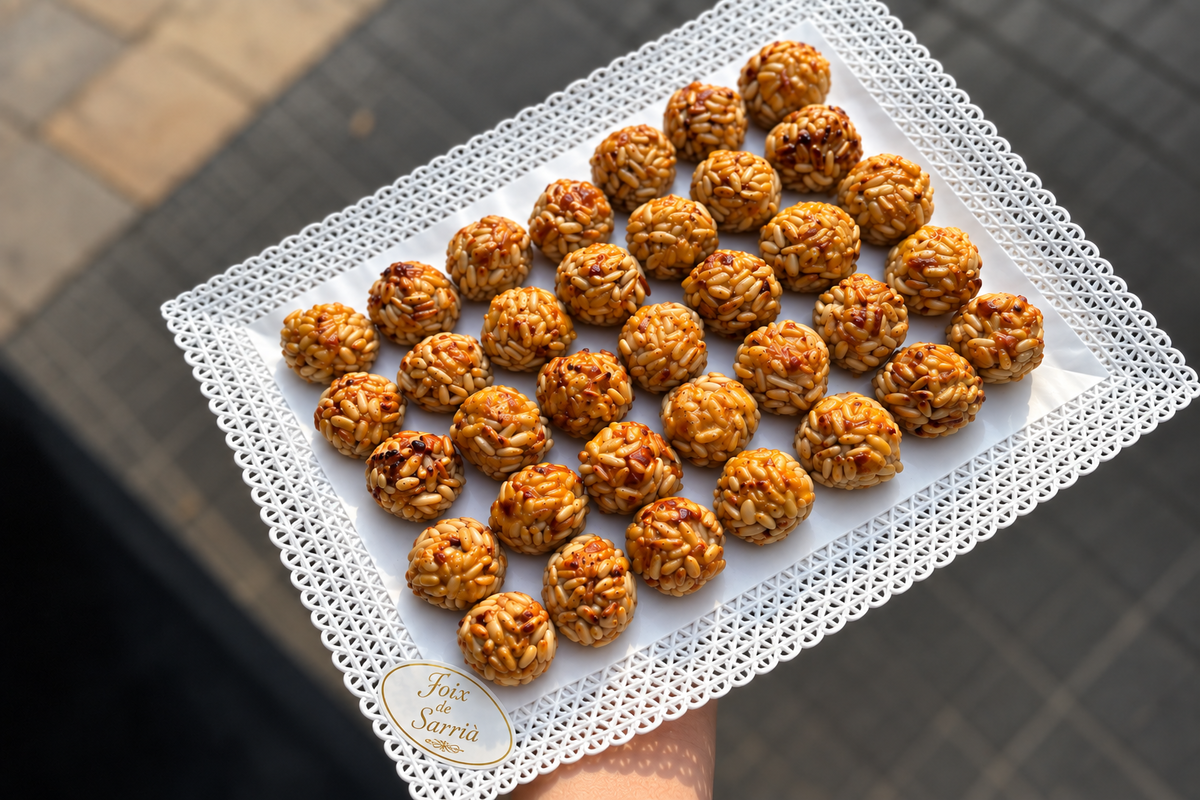
- 1886: Foix de Sarrià. Founded by Josep Foix Ribera and his wife, this establishment served as the cultural epicenter of the formerly independent village of Sarrià. The shop gained national prominence through its association with their son, the celebrated Catalan poet J.V. Foix, who integrated the intellectual life of the 20th century with the family’s artisanal craft.
- 1894: Montserrat Forners. Representing the critical role of bread in Catalan culture, this establishment has focused on the evolution of sourdough and long-fermentation techniques, securing accolades for the best pa de pagès in the region in 2022 and 2024.
- 1895: Casa Vives. Founded in the Sants district, this family enterprise represents the classic model of intergenerational succession, now in its fourth generation.
- 1906: Escribà. Originally founded as Forn Serra, this establishment became a catalyst for innovation in the Spanish pastry sector under the guidance of Antoni Escribà, often referred to as the "magician of chocolate."
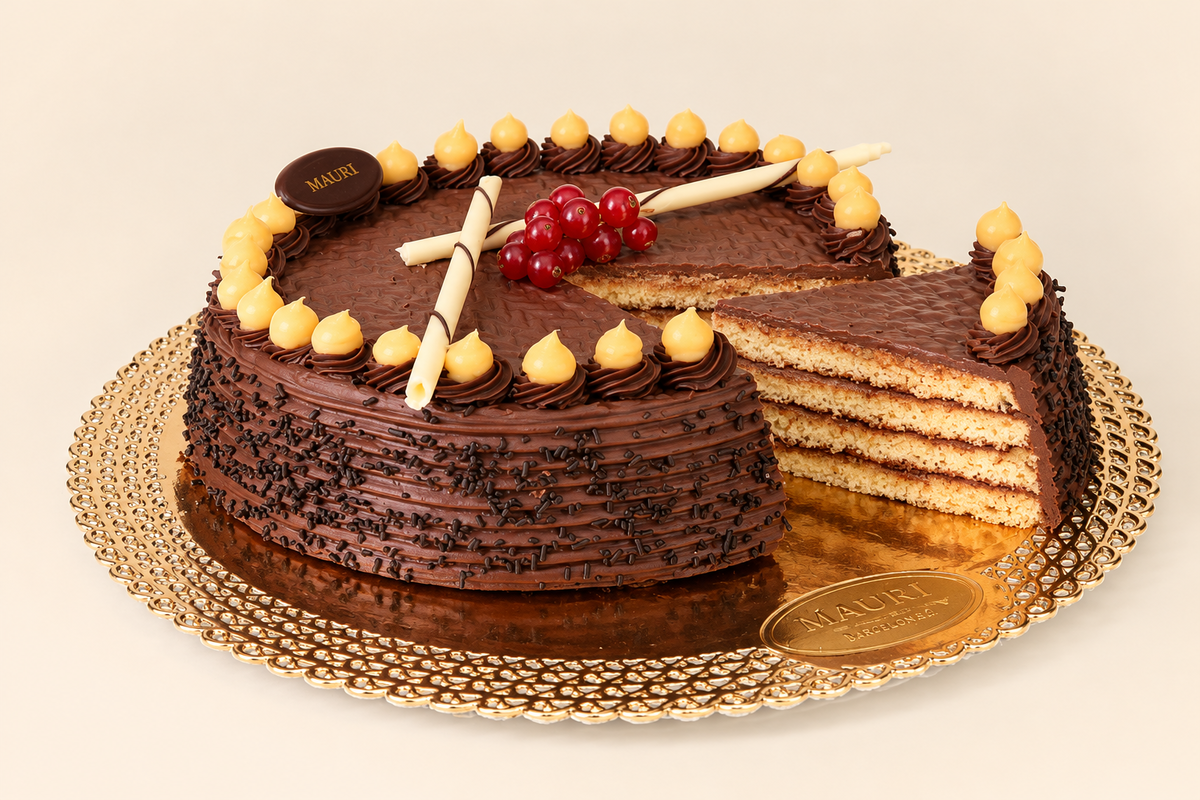
- 1929: Mauri. Emerging during the economic prosperity of the 1920s, Mauri began as a multipurpose grocery and delicatessen, eventually transitioning into a refined café and confectionery space that remains a cornerstone of Eixample social life.
The Science and Art of Traditional Confectionery
The durability of these shops is not merely a result of historical sentimentality; it is a testament to the technical precision of their products. For instance, the bolado—a hard-boiled sugar sweet crafted at La Colmena—requires precise temperature control and specific humidity conditions to achieve its characteristic consistency. These methods, often developed in an era before industrial automation, require a level of manual labor that differentiates these shops from commercial mass-producers.
Furthermore, the integration of protected products, such as the pa de pagès (Catalan country bread), demonstrates an adherence to regional standards that prioritize quality and ingredient traceability. The recognition of Montserrat Forners in 2022 and 2024 by official judging bodies underscores that these historic institutions are not static museums; they are evolving businesses that win competitive honors in contemporary culinary contests.
Institutional Resilience and Family Succession
A recurring theme among these establishments is the model of multi-generational succession. In an era where small businesses frequently close due to high commercial rents or the lack of an heir to take over operations, these shops have utilized various strategies to ensure survival.
Some, like Casa Vives, have maintained strict family control, ensuring that the proprietary techniques and "secret" recipes are passed down directly from parent to child. Others, such as La Estrella, have successfully transitioned to new ownership, where the incoming proprietors have opted to treat the shop as a heritage site, maintaining the original ovens and production methodologies to ensure continuity.
This resilience is bolstered by the loyalty of the local population. These shops are woven into the social fabric of their respective neighborhoods, serving as informal community hubs. The presence of a café or tasting room—as seen in the 1969 addition to the Mauri establishment—has been a strategic pivot that allowed these businesses to move beyond simple retail, transforming them into "third places" where the community gathers for daily coffee and conversation.
The Broader Impact: Tourism and Urban Identity
The survival of these pastry shops has significant implications for Barcelona’s urban identity. As global retail chains increasingly homogenize city centers, the presence of independent, century-old businesses provides a unique "sense of place." City planners and local advocacy groups often cite these establishments as vital components of the "Barcelona brand," which relies on the juxtaposition of its modernist architecture with its deep-rooted culinary traditions.
The impact on tourism is also substantial. These shops provide an entry point for visitors to engage with Catalan history outside of the typical museum setting. The Antiga Casa Figueras building, which houses the Escribà shop on La Rambla, is a prime example of how architectural heritage and gastronomy converge. The preservation of such sites prevents the "hollowing out" of city centers and encourages a more sustainable form of tourism that values the authentic, slow-paced artisanal culture of the city.
Challenges and Future Outlook
Despite their prestige, these establishments face significant modern challenges. Rising operational costs in the city center, the necessity of navigating strict health and safety regulations while using historic equipment, and the constant threat of commercial gentrification pose ongoing risks.
Industry analysts suggest that the success of these shops in the future will depend on their ability to balance tradition with digital integration. Most of these shops now maintain active social media channels to communicate with a global audience, and many have adopted sophisticated supply chain management to source local ingredients.
However, the consensus among the owners remains consistent: the "soul" of the business—the manual craft and the personal connection to the customer—is non-negotiable. Whether it is the chocolate sculptures of Escribà or the traditional almond panellets produced for the Castanyada, the value of these institutions lies in their ability to offer a sensory experience that cannot be replicated by industrial manufacturing.
Conclusion
Barcelona’s historic pastry shops are more than just providers of sweets; they are essential threads in the city’s cultural tapestry. By documenting their history, supporting their longevity, and recognizing the technical mastery required to maintain their output, the city preserves a vital piece of its identity. For the local resident and the visitor alike, these shops serve as a reminder that some things, when done correctly, do not need to change—they simply need to be protected. As the city continues to evolve, these bakeries will undoubtedly remain the most delicious keepers of its long and storied memory.