Beyond the Shores: Unveiling the Hidden Depth of St. Maarten and St. Martin Through Off-the-Beaten-Path Exploration

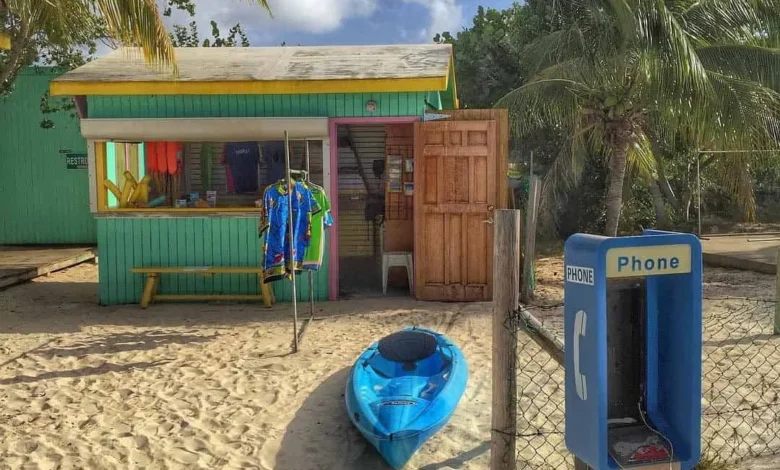
The dual-nation Caribbean island of St. Maarten and St. Martin is globally recognized for its powdery white-sand beaches, vibrant marine life, and unique geopolitical landscape. Spanning a modest 34 square miles, the island accommodates roughly 80,000 permanent residents while drawing an estimated 3.7 million visitors annually. While the overwhelming majority of tourists gravitate toward standard coastal resorts and cruise excursions, a comprehensive ten-day exploratory itinerary reveals a diverse ecosystem of rugged coastlines, historical landmarks, localized culinary traditions, and niche adventure tourism that exists far beyond the conventional tourist trail.

Historical Context and Geopolitical Framework
Divided for more than 350 years, the island presents a rare European anomaly in the Caribbean. The southern territory, St. Maarten, operates as an independent country within the Kingdom of the Netherlands, heavily influenced by North American commerce and tourism infrastructure. Conversely, the northern territory, St. Martin, remains an overseas collectivity of France, adhering strictly to European Union regulatory frameworks, municipal planning standards, and architectural norms. Despite these administrative and cultural distinctions, the border remains entirely open, allowing free transit for both residents and international travelers without formal checkpoints.

This shared sovereignty stems from the 1648 Treaty of Concordia, a historical accord that shaped the island’s dual identity. Over subsequent centuries, the territory changed hands repeatedly during colonial conflicts involving Spanish, Dutch, and French forces. Strategic strongholds like the 17th-century Fort Amsterdam in Philipsburg—initially constructed by the Dutch and later defended against foreign incursions—served as critical defensive assets in Caribbean trade routes.

Divergent Tourism Sectors and Economic Impact
The island’s economy relies heavily on the tourism and hospitality sectors, particularly cruise ship arrivals centered around the port of Philipsburg and aviation traffic at Princess Juliana International Airport (SXM) on the Dutch side. The famous Maho Bay beach, situated directly adjacent to the airport runway, has evolved into a major aviation tourism attraction, drawing spectators to witness low-altitude commercial aircraft landings.
However, heavy reliance on mass tourism has driven local authorities and independent operators to promote sustainable, low-impact alternatives. Eco-tourism initiatives, such as guided coastal hikes, marine conservation projects, and historical bicycle tours, are increasingly emphasized to distribute economic benefits more evenly across both territories while mitigating environmental wear on fragile coastal habitats.
Outdoor Adventure and Niche Exploration

For travelers seeking alternatives to traditional resort stays, the island offers an array of specialized outdoor activities:

- Maritime Competitions: Visitors can participate in competitive sailing regimens aboard former America’s Cup racing yachts, such as the historic Stars & Stripes, through structured regatta challenges operated out of Philipsburg.
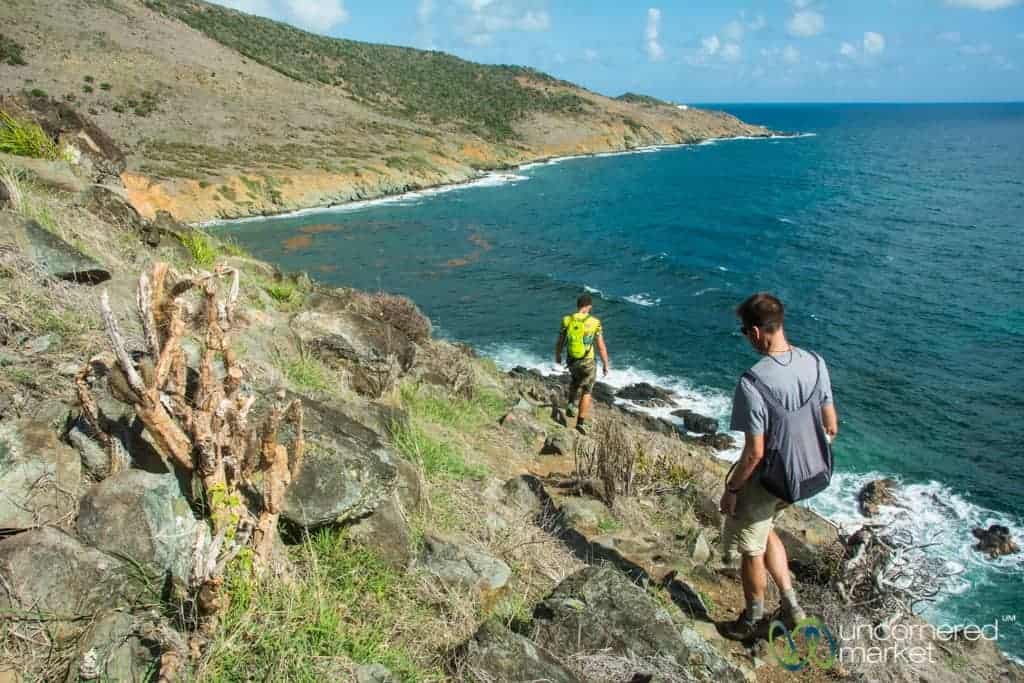
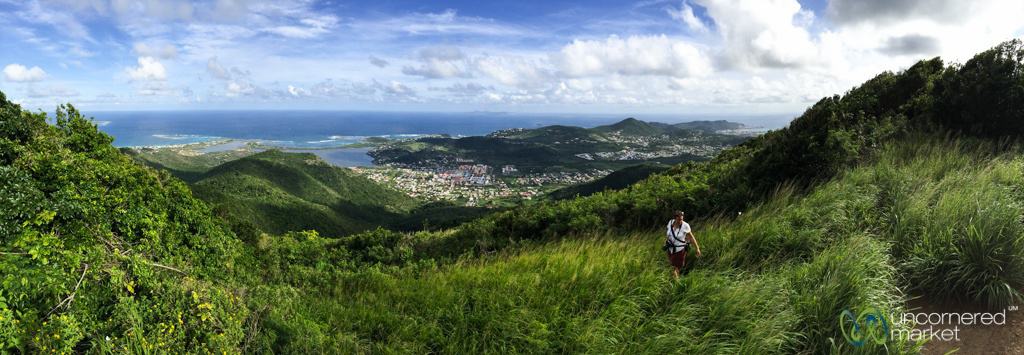
- Coastal Trekking: Rugged hiking trails along the Guana Bay to Pointe Blanche route and the Sentier des Froussards path on the northern French coastline provide access to isolated cliffs, windswept landscapes, and secluded marine environments.
- Eco-Kayaking: Guided paddling excursions through the Simpson Bay lagoon provide a visual juxtaposition between luxury mega-yacht moorings and protected mangrove ecosystems inhabited by native marine fauna.
- Subaquatic Expeditions: Day-trip excursions to neighboring islands, such as Saba, offer advanced scuba diving opportunities within protected marine parks featuring coral gardens and diverse marine species.
Culinary Traditions and Local Economy

The gastronomy of St. Maarten and St. Martin reflects its multicultural demographic. The northern French side, centered around the culinary hub of Grand Case, features fine-dining establishments and traditional French bistros offering classic European menus. Meanwhile, the southern Dutch side blends Caribbean staples with international cuisine.

Local culinary landmarks, such as long-standing roadside food stands in Simpson Bay, preserve generational recipes like traditional johnny cakes and spiced Caribbean rums. Artisanal distilleries, including locally operated rum producers, contribute to the island’s agricultural and craft-beverage sectors, integrating traditional distillation methods with modern commercial distribution.
Implications for Future Regional Travel

As the Caribbean tourism market continues to evolve post-pandemic, destinations like St. Maarten and St. Martin face the ongoing challenge of balancing high-volume cruise and aviation tourism with environmental preservation. Industry analysts suggest that encouraging decentralized exploration—directing visitors toward interior hiking trails, historical districts on the French side, and eco-friendly marine excursions—is essential for long-term sustainability. By diversifying local offerings beyond coastal lounging, the island successfully demonstrates how micro-destinations can maintain economic vitality while safeguarding their natural and historical heritage.
Related posts: