Global Camera Market Shaken by Canon R7 Mark II Rumors, Sony FX5 Delays, and Nikon Z5IIc EVF Omission Speculation


The consumer and professional imaging industries are currently navigating a turbulent period marked by aggressive product development cycles, persistent supply chain recalibrations, and radical design experiments from major optical manufacturers. Recent whispers, official supply chain disclosures, and industry leaks have brought three major developments to the forefront of photographic discourse: fresh specualtion regarding the highly anticipated Canon EOS R7 Mark II, yet another postponement of the long-awaited Sony FX5 cinema camera, and provocative rumors that Nikon is considering the removal of the electronic viewfinder (EVF) for a compact iteration dubbed the Z5IIc. These announcements and unconfirmed reports arrive at a time when camera manufacturers are vying fiercely for the attention of hybrid content creators, independent filmmakers, and traditional photographers alike. As the boundaries between cinema production and high-speed photography continue to blur, the strategic decisions made by Canon, Sony, and Nikon will likely dictate market share and consumer loyalty for the remainder of the decade.
The Evolution of APS-C Flagships: Analyzing the Canon EOS R7 Mark II Rumors
Since the introduction of the original Canon EOS R7, the camera has served as a benchmark for high-speed, crop-sensor performance, particularly appealing to wildlife and sports photographers who benefit from the additional "reach" provided by the APS-C sensor format. However, as competitors in the mirrorless landscape refine their autofocus algorithms, electronic shutter speeds, and video codecs, demand for an incremental or generational update has grown exponentially. Recent industry whispers suggest that Canon is actively developing the EOS R7 Mark II, aiming to address the minor critiques leveled against its predecessor while pushing the technological envelope further.
Background context on the APS-C market reveals a strategic shift among legacy manufacturers. While full-frame sensors remain the gold standard for low-light performance and shallow depth of field, the economic accessibility and telephoto advantages of APS-C have made these bodies vital entry and mid-tier workhorses. Industry analysts suggest that a prospective Mark II model would likely incorporate a stacked sensor architecture—a technology previously reserved for high-end flagship bodies like the EOS R3 or the professional sports-centric lineup. A stacked sensor would drastically reduce rolling shutter artifacts, elevate continuous shooting speeds beyond the already impressive mechanical limits of the original R7, and enhance the autofocus tracking capabilities driven by Canon’s Deep Learning technology.
Furthermore, expectations for the R7 Mark II include improved thermal management to support extended high-bitrate 4K video recording, a refined mechanical shutter mechanism to eliminate the reported durability concerns of early batches, and updated ergonomics that align more closely with the robust builds of cinema-grade hybrid bodies. While Canon has remained tight-lipped regarding an official release window or confirmation of the project, historical product lifecycles suggest an announcement could materialize toward the latter half of the upcoming fiscal year. Market observers note that if Canon successfully bridges the gap between professional speed and consumer pricing, the R7 Mark II could solidify the brand’s dominance in the sub-$2,000 hybrid camera segment.
Supply Chain Realities: Sony FX5 Delayed Yet Again
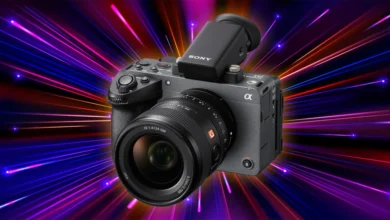
In stark contrast to the speculative excitement surrounding Canon’s lineup, the professional video community is facing a familiar pattern of frustration following news of yet another delay for the Sony FX5. Positioned to bridge the frustrating gap between the compact, entry-level Sony FX30 and the workhorse full-frame FX3, the FX5 has been the subject of intense speculation and eager anticipation among independent filmmakers and corporate production houses.
The chronology of the FX5’s development has been fraught with roadblocks. Initially rumored for a late-year unveiling, the camera’s timeline has been pushed back multiple times, with current internal reports pointing toward further supply chain bottlenecks and component shortages. The global semiconductor industry, while stabilizing compared to the critical shortages experienced between 2020 and 2022, continues to face localized disruptions affecting specialized microcontrollers, high-bandwidth memory modules, and precision sensor-shifting stabilization components.
Sony’s cinematic division has built a sterling reputation on the Cinema Line series, praised for their thermal efficiency, robust active cooling systems, S-Log3 color science, and native mount versatility. The delay of the FX5 not only tests the patience of consumers but also creates a temporary void in the market strategy. Filmmakers currently deciding between upgrading their existing gear or pivoting to competing ecosystems—such as Panasonic’s Lumix full-frame offerings or Canon’s Cinema EOS line—are left in a state of suspended animation.
Industry analysts emphasize that Sony’s decision to delay the release, rather than push an unfinished product to market, reflects a stringent commitment to quality control and brand reputation. However, prolonged delays risk ceding valuable market share to competitors who are aggressively releasing mid-tier cinema tools optimized for modern solo-shooter workflows. As the industry awaits official word from Sony, production houses must adapt their equipment lifecycles to account for these ongoing hardware availability windows.
Radical Reductions: Nikon and the Controversial Z5IIc EVF Omission
Perhaps the most polarizing development making waves across photography forums and newsrooms involves Nikon and whispers surrounding the conceptual Z5IIc. According to unverified industry intelligence, Nikon is exploring a minimalist design philosophy for this prospective compact body, reportedly contemplating the removal of the electronic viewfinder (EVF) entirely. Such a design choice would fundamentally alter the handling characteristics of the camera, steering it away from traditional mirrorless conventions and aligning it more closely with modular, screen-dependent shooting styles popularized by content creators and vloggers.
The strategic rationale behind stripping away the EVF is multifaceted. By eliminating the bulky housing required for a high-resolution viewfinder, engineers can significantly reduce the physical footprint and weight of the camera body, manufacturing a device optimized for gimbal mounting, street photography, and mobile-first content generation. Additionally, removing the EVF component reduces manufacturing costs, potentially allowing Nikon to introduce a full-frame sensor experience at an unprecedentedly low price point, directly challenging budget-conscious competitors.
However, the photographic community’s immediate reaction to the Z5IIc rumors has been deeply divided. Traditionalists and purists argue that an interchangeable lens camera without an eye-level viewfinder loses its fundamental identity, making precise composition difficult in harsh, direct sunlight where rear LCD screens often wash out. Conversely, progressive creators and compact gear enthusiasts point to the success of fixed-screen modular cameras and argue that modern tilting touchscreens, paired with advanced focus-peaking and subject-tracking algorithms, render traditional viewfinders optional for a significant portion of the modern market.
This philosophical divide highlights a broader identity crisis within the camera industry. Manufacturers are no longer designing tools solely for traditional photographers framing through glass; they are engineering hybrid media production units for a generation raised on smartphones and articulating video monitors. Nikon’s willingness to experiment with the Z5IIc design—if brought to fruition—demonstrates a bold departure from conservative engineering norms, signaling that legacy brands are willing to take calculated risks to capture younger, digitally native demographics.
Broader Market Implications and Future Outlook
The convergence of these three distinct stories—Canon’s iterative refinement of its APS-C powerhouse, Sony’s continued production hurdles with the FX5, and Nikon’s experimental design philosophy with the Z5IIc—paints a vivid picture of a dynamic, highly competitive global imaging market.
From a broader economic perspective, camera manufacturers are operating in an environment characterized by shifting consumer demands. The post-pandemic surge in content creation has plateaued into a steady, mature market where buyers demand genuine innovation rather than minor cosmetic updates. Consequently, brands can no longer rely on brand loyalty alone; they must deliver disruptive features, competitive pricing, and reliable supply chains to secure their bottom line.
The implications for the consumer are both challenging and exciting. While delays such as those affecting the Sony FX5 can disrupt production schedules and force difficult purchasing decisions, the fierce competition between Canon, Sony, and Nikon ensures that technological trickle-down continues at a rapid pace. Features that were once exclusive to ultra-high-end cinema cameras and flagship sports bodies—such as advanced AI autofocus, sophisticated internal codecs, and stabilized high-resolution sensors—are steadily making their way into accessible price tiers.
As the industry moves forward, manufacturers will need to balance the traditional needs of heritage photographers with the fast-paced, video-centric demands of modern digital storytellers. Whether through the rumored high-speed precision of the Canon R7 Mark II, the anticipated cinematic versatility of the delayed Sony FX5, or the radical, minimalist gamble of Nikon’s Z5IIc, the coming months promise significant shifts in how visual artists capture the world around them. Stakeholders across the board will be watching closely to see how these unconfirmed reports materialize into commercial realities, setting the tone for the next era of digital imaging technology.