Damien Hirst and Dom Perignon Unite to Redefine the Intersection of Fine Art and Viticulture

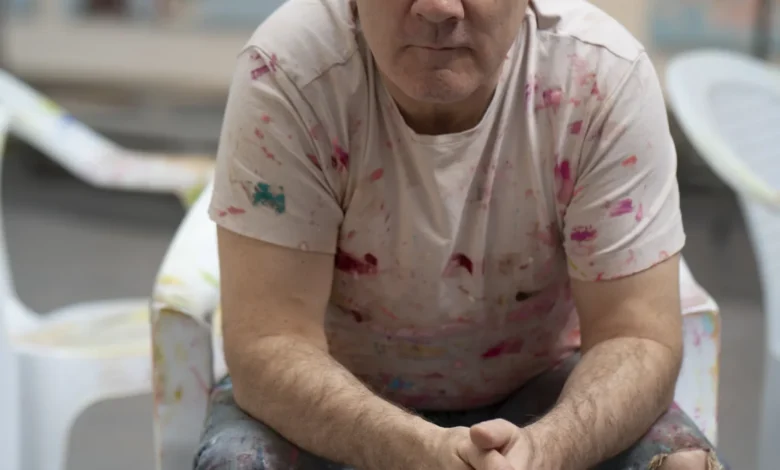
The convergence of contemporary high art and luxury champagne has reached a new milestone with the latest collaboration between British artist Damien Hirst and the storied champagne house, Dom Perignon. This partnership, which sees two of the house’s iconic vintages reimagined through Hirst’s signature kaleidoscope aesthetic, represents more than a mere marketing exercise; it is an exploration of the commonality between the "assemblage" of winemaking and the "assemblage" of the artist’s own creative process.
The Philosophy of Functional Art
Damien Hirst, a figure whose career has been defined by his ability to challenge the boundaries of the traditional gallery space, has long maintained that art should not be confined to a pedestal. With over 90 solo exhibitions under his belt, Hirst remains deeply invested in the idea that aesthetics should serve a purpose. He views the act of creation as an extension of utility, famously stating that he prefers his work to be experienced in a tactile, functional manner.
"I personally love breaking boundaries," Hirst remarked during the announcement of the partnership. "I love aesthetics but never at the expense of function. And I love art that you can wear or use; I hate it when I make a surfboard and people hang it on the wall rather than ride the waves." This philosophy is the driving force behind his latest project with Dom Perignon, where the vessel itself becomes a canvas that invites consumption rather than mere observation.
The Mechanics of the Kaleidoscope Collaboration
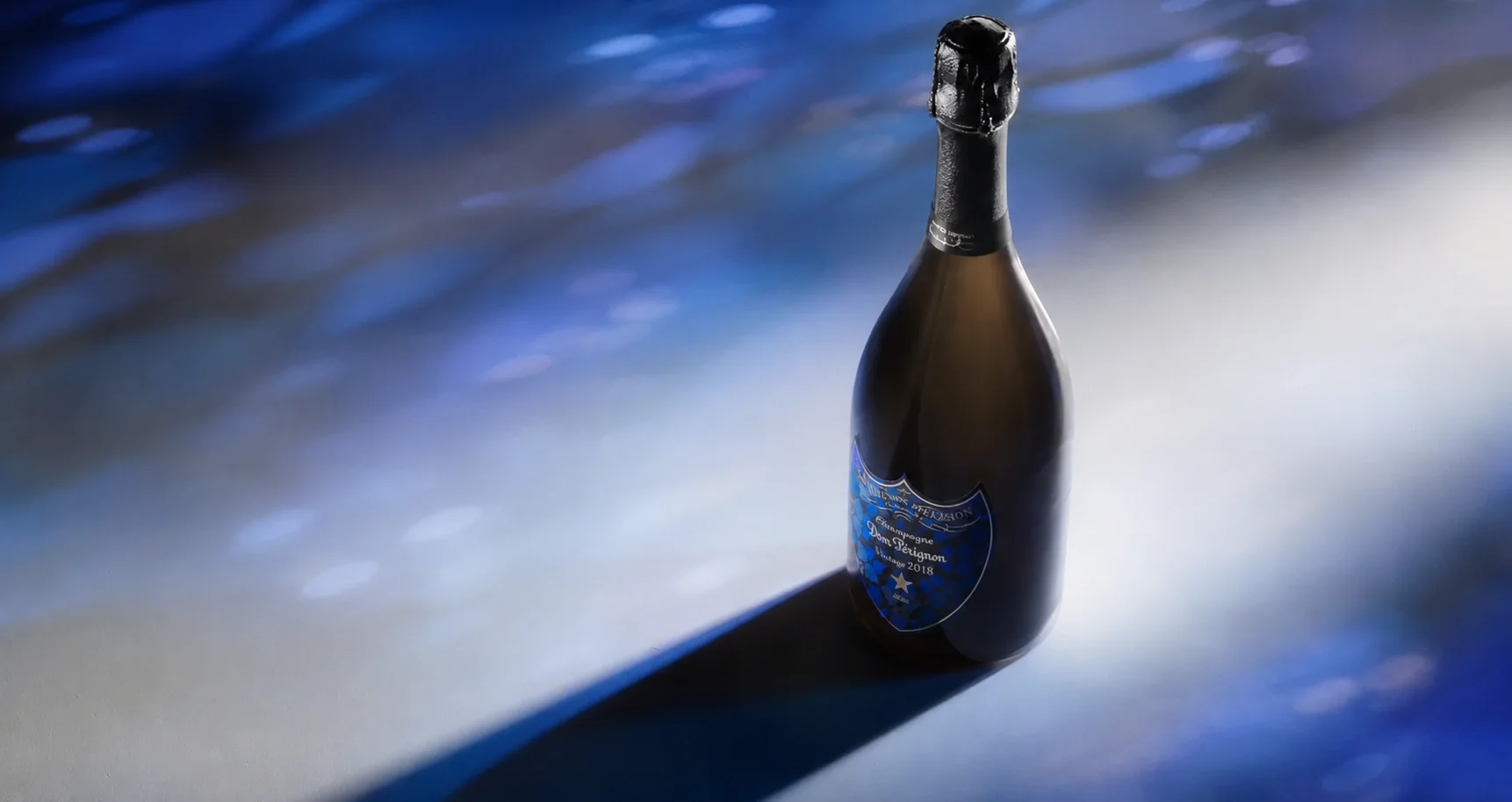
The collaboration features two specific expressions: the Rosé Vintage 2010 and the Vintage 2018. For these bottles, Hirst has applied his "Kaleidoscope" motif—a complex, symmetrical pattern inspired by butterfly wings. Historically, Hirst’s fascination with butterfly motifs stems from Victorian-era tea trays, where the delicacy of the natural form was captured through decorative assembly.
In this context, the butterfly wing serves as a metaphor for the intricate process of creating a Dom Perignon vintage. According to Hirst, the parallel is found in the blending of elements. "A Dom Perignon vintage is always an assemblage, a blend, of grapes, just like the Kaleidoscope Paintings are an assemblage of found objects in butterfly wings," he explains.
The visual execution of the project is distinct for each vintage. The Rosé Vintage 2010, priced at $475, features a vibrant palette of pink and purple. The Vintage 2018, priced at $305, utilizes a cooler, more somber spectrum of deep blue and violet. Jacques Giraco, managing director of Dom Perignon, noted that the visual distinction serves to highlight the intrinsic differences in the flavor profiles of the two vintages. While the 2018 is characterized by its depth, minerality, and salinity, the 2010 Rosé is defined by the density and intensity provided by the Pinot Noir grape.
A Legacy of Artistic Alliances
Dom Perignon has established a decades-long tradition of partnering with some of the most influential artists of the 20th and 21st centuries. This strategy is designed to keep the brand at the vanguard of cultural discourse. The house’s history of creative alliances reads like a roll call of modern art royalty, including Andy Warhol, David Lynch, Jeff Koons, Jean-Michel Basquiat, and Takashi Murakami.
Joining this roster is, for Hirst, a significant professional acknowledgment. "I was excited to join such an amazing list of artists associated with the brand," Hirst noted.
The selection process for these artists is rigorous and highly deliberate. According to Giraco, the brand does not seek out famous names merely for the sake of association. Instead, the collaboration must be rooted in a genuine, shared creative language. "We look for artists whose vision has some genuine common ground with Dom Perignon," Giraco explained. "There needs to be a reason for the two creative worlds to come together. From there, we offer them a canvas and give them the freedom to interpret the shield through their own language."
Innovation in Branding: The Shield Reimagined
A central challenge for any artist collaborating with a heritage brand is the handling of the brand’s most sacrosanct symbols. In this case, Hirst was tasked with integrating the famous Dom Perignon shield. Rather than treating the shield as an untouchable relic, Hirst opted to deconstruct it.
"He didn’t just place his artwork around the shield," Giraco observed. "He multiplied and repeated it, making one of the maison’s most recognizable symbols part of his own creative language." This manipulation of the shield effectively subsumes the brand’s identity into the artist’s own, a bold move that highlights the high level of creative autonomy afforded to Hirst throughout the project.
Economic and Cultural Implications
The market for "art-infused" luxury goods has grown exponentially over the last two decades. For collectors, these limited-edition bottles occupy a unique space between fine wine and collectible fine art. Analysts suggest that such collaborations serve a dual purpose: they provide an entry point for luxury consumers into the art market and offer established collectors a more accessible way to own a "piece" of an artist’s output.
"Collaborations like this can make art more democratic," Giraco noted, reflecting on the broader impact of the partnership. "Allowing an artist’s creative language to reach people in new and unexpected ways is vital. In that sense, the limited edition becomes more than an object to collect. It becomes a way of transmitting a piece of culture and creating a connection between different creative worlds."
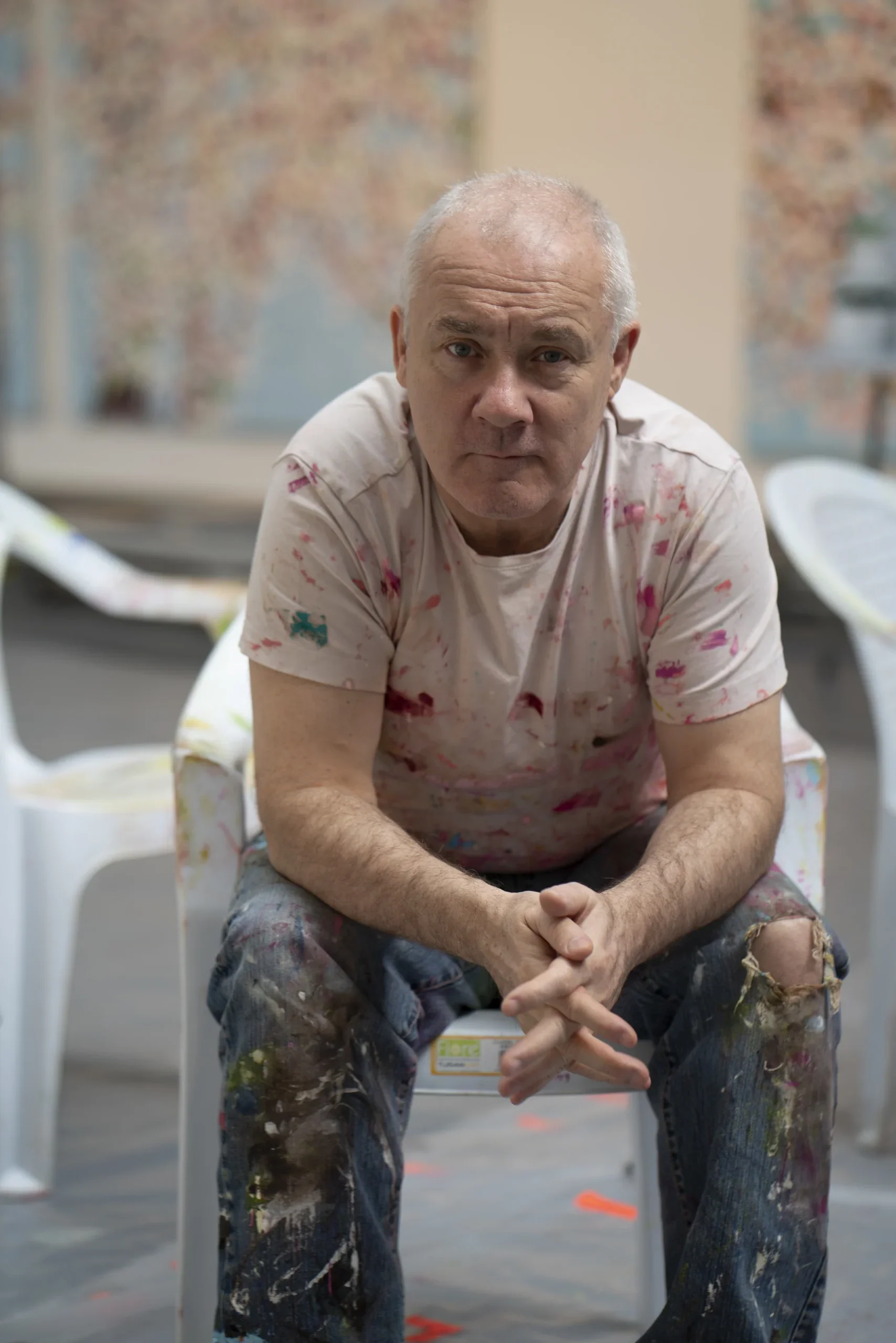
The pricing of these bottles—at $305 and $475—positions them as premium items that, while significantly more expensive than standard non-vintage champagne, remain far more accessible than an original Hirst painting, which can command millions of dollars at auction. By pricing the collaboration in this bracket, Dom Perignon effectively commodifies the artistic experience, allowing the consumer to participate in the "Hirst aesthetic" through the ritual of drinking fine wine.
The Broader Context of Luxury Partnerships
The luxury sector has increasingly relied on such collaborations to maintain relevance among younger, high-net-worth consumers who prioritize unique, "experiential" luxury. By aligning with artists who possess a strong, distinct visual identity, houses like Dom Perignon are able to refresh their image without diluting the quality of the product inside the bottle.
Historically, this trend gained momentum in the late 20th century. Andy Warhol’s work with luxury brands in the 1980s set the precedent for the modern "artist-edition" bottle. Since then, the practice has become a cornerstone of the marketing strategy for prestige spirit brands. The Hirst collaboration is a natural progression of this history, reflecting the current market’s appetite for maximalist, recognizable designs that function as social signals.
Looking Forward
As the collaboration hits the market, the response from the art and wine communities will likely focus on the efficacy of the "assemblage" metaphor. Does the visual complexity of the bottle actually enhance the sensory experience of the champagne? Or does it merely serve as a decorative wrapper for a luxury product?
For Hirst, the answer remains rooted in the function of the object. He insists that the bottles are meant to be opened and shared, just as a surfboard is meant to ride the waves. Whether or not collectors adhere to this mandate remains to be seen. In the world of high-end collecting, the tension between the "functional" intent of the artist and the "preservationist" intent of the collector is a dynamic that defines the value of the object itself.
By inviting Damien Hirst to reinterpret its visual identity, Dom Perignon has reinforced its position not just as a producer of champagne, but as a curator of contemporary culture. This partnership succeeds by acknowledging the history of the house while simultaneously allowing a contemporary visionary to disrupt it, ensuring that the legacy of the brand continues to evolve in step with the art world.