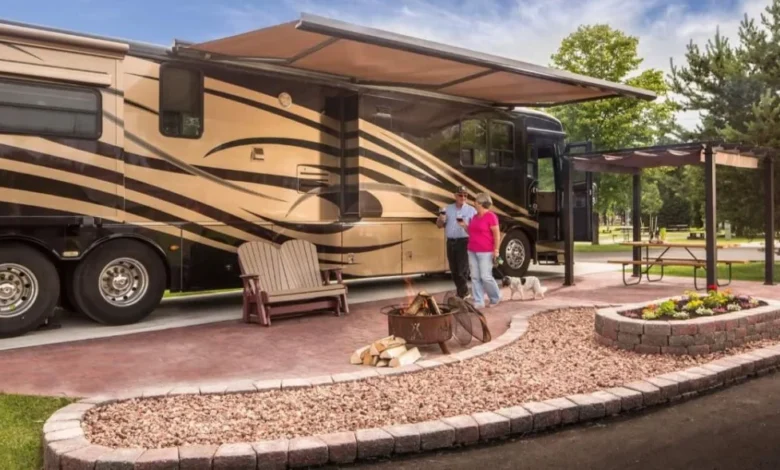
As winter approaches across North America, a substantial demographic of travelers prepares for seasonal migration. Commonly referred to as "snowbirds," hundreds of thousands of retirees and remote workers abandon northern latitudes to seek out temperate climates in the southern and western regions of the United States. This annual movement transforms regional campgrounds, RV parks, and resort communities into vibrant, long-term habitation hubs. Securing appropriate accommodations for multi-week or multi-month stays requires meticulous advance planning, particularly as demand for premium winter RV sites continues to outpace available inventory in prime geographic corridors.
The economic and logistical implications of the snowbird migration are vast. Local economies across states such as Arizona, Florida, Texas, the Carolinas, and Tennessee rely heavily on the influx of seasonal residents, who contribute significantly to local retail, hospitality, and service sectors between November and March. Industry data indicates that long-term RV camping has surged in popularity over the past decade, driven by an aging demographic of active adults and an increasing flexibility in remote work policies. Consequently, industry leaders and campground operators have adapted by upgrading infrastructure, enhancing broadband connectivity, and expanding social programming to accommodate the evolving expectations of modern travelers.

Navigating the logistics of a winter migration demands careful evaluation of campsite infrastructure. Veteran snowbirds emphasize that selecting a dependable home base involves verifying crucial utilities, such as continuous 50-amp electrical service, pressurized water lines, and unobstructed sewer hookups capable of handling sustained habitation. Established networks, such as Kampgrounds of America (KOA), have standardized many of these offerings, providing reliable sanitation facilities, laundry amenities, and community spaces. To assist travelers in charting their seasonal itineraries, industry analysts have evaluated top-tier winter destinations based on infrastructure reliability, recreational assets, and regional accessibility.
Tucson KOA Resort (Arizona)
Nestled within the sun-drenched Sonoran Desert, the Tucson KOA Resort in Arizona serves as a premier destination for travelers seeking arid warmth and structured community engagement. The property is engineered specifically for extended stays, offering oversized monthly RV sites equipped with full hookups and high-speed Wi-Fi infrastructure.
Recreational amenities on the grounds include two temperature-regulated swimming pools designed to provide relief from daytime desert temperatures, a regulation 9-hole mini-golf course, and the on-site Steak Rush Grill, which reduces the need for routine meal preparation. Geographically, the resort is situated within close proximity to major ecological landmarks. Saguaro National Park, home to the iconic, towering cacti that define the region, and the internationally renowned Arizona-Sonora Desert Museum are located just a short drive away, offering residents rich opportunities for natural history exploration and outdoor recreation throughout the winter months.

St. Petersburg/Madeira Beach KOA Holiday (Florida)
Positioned along the Gulf Coast of Florida, the St. Petersburg/Madeira Beach KOA Holiday offers a distinct coastal ecosystem, situated adjacent to a tranquil, mangrove-lined bayou while remaining within minutes of the region’s white-sand barrier island beaches. This location appeals strongly to water enthusiasts and nature conservation advocates alike.
Guests at the property can utilize on-site kayak rentals to navigate the calm waters of Long Bayou, where seasonal wildlife sightings frequently include bottlenose dolphins, wading herons, and various shorebird species. For land-based exercise, the property abuts the 38-mile Pinellas County Fitness Trail, providing a paved, multi-use corridor for daily walking and cycling regimens. Following physical activity, residents can utilize dual hot tub facilities, including an adults-only designated zone designed for relaxation. Furthermore, the campground coordinates an active schedule of social events, fostering community cohesion among seasonal visitors.
South Padre Island KOA Holiday (Texas)
Along the southern coast of Texas, the South Padre Island KOA Holiday leverages its unique positioning directly on the shores of Laguna Madre Bay. This location caters to a tropical lifestyle and extensive water-based recreation, drawing snowbirds who prioritize aquatic activities.

The property maintains a diverse fleet of rental equipment, including aqua-cycles, hydrocycles, and kayaks, allowing visitors to explore the expansive bay ecosystem at their own pace. A dedicated on-site boat ramp accommodates guests hauling personal watercraft. On land, the resort features a year-round swimming pool and spa complex. To facilitate regional mobility without reliance on personal vehicles, a municipal Metro shuttle stop is positioned directly at the campground entrance, offering complimentary transportation to commercial centers, dining establishments, and local attractions across South Padre Island.
Myrtle Beach KOA Resort (South Carolina)
Operating for over forty years, the Myrtle Beach KOA Resort in South Carolina provides a distinctly shaded environment, anchored by a mature canopy of old-growth pine trees that offer natural climate moderation. The campground maintains a hydrological connection to the Atlantic Ocean via the Withers Swash tidal basin, delivering coastal aesthetics distinct from high-density beachfront developments.
The facility features an internal adventure trail system designed for light exercise and on-site exploration, alongside a dedicated Kamp K9 dog park to accommodate pet owners. During the winter months, management implements specialized social programming tailored to long-term residents. Simultaneously, the resort’s strategic location places guests minutes away from Myrtle Beach’s extensive commercial entertainment district, blending natural seclusion with urban convenience.

Okeechobee KOA Resort (Florida)
For travelers prioritizing freshwater angling and traditional resort-style amenities, the Okeechobee KOA Resort in Central Florida offers a comprehensive environment. The property features a professional 9-hole golf course complete with a driving range and putting green, allowing enthusiasts to maintain their sport without leaving the grounds.
The resort is situated just minutes from Lake Okeechobee, the largest freshwater lake in the state, which is internationally recognized for its premier largemouth bass fisheries. The social infrastructure of the campground is particularly robust, featuring a calendar populated by live musical performances, themed community gatherings, and seasonal parades. Centralized community hubs, including the Shanty Lounge and the Poolside Grill, function as primary networking spaces where long-term visitors frequently establish enduring social bonds.
New Bern KOA Holiday (North Carolina)
The New Bern KOA Holiday occupies a historic site along the banks of the Neuse River in coastal North Carolina, anchored by a private, 250-foot fishing pier that extends directly over the waterway. This location serves a specific demographic of snowbirds seeking a milder winter climate without the intense subtropical heat characteristic of deep-south destinations.

Located five miles from the property is the municipality of New Bern, established as North Carolina’s first colonial capital and renowned for its preserved 18th-century architecture. On-site recreational infrastructure includes dual swimming pools and an industrial-grade jumping pillow, accommodating multi-generational family visitors. The convergence of riverine access, historical tourism, and moderate seasonal temperatures provides a balanced environment for extended autumn and winter residency.
Townsend/Great Smokies KOA Holiday (Tennessee)
Departing from the coastal and desert paradigms, the Townsend/Great Smokies KOA Holiday in Tennessee targets travelers who prefer crisp, alpine environments. Located in what locals term the "Peaceful Side of the Smokies," this facility operates extended winter programming from December through February to accommodate the growing segment of snowbirds drawn to mountain topography.
Structured monthly rates cover comprehensive utility packages, high-speed broadband internet, and laundry access. The campground serves as a strategic basecamp for exploring the adjacent Great Smoky Mountains National Park, providing immediate access to Cades Cove wildlife viewing areas and extensive trail systems. Analysts note that this western sector of the national park experiences significantly lower visitor congestion compared to eastern entry points in North Carolina, ensuring a quieter seasonal retreat for nature enthusiasts.

Economic and Strategic Implications for Future Snowbird Seasons
The continued expansion of the snowbird demographic carries significant implications for municipal planners, park operators, and regional tourism boards. As demand for extended-stay RV infrastructure intensifies, operators face mounting pressure to upgrade electrical grids to support modern, high-draw recreational vehicles, improve broadband bandwidth for remote professionals, and expand water management systems.
Furthermore, the social structure of winter camping communities has evolved beyond traditional retirement models. Demographically, the modern snowbird cohort increasingly includes remote professionals and digital entrepreneurs exercising geographical flexibility during the winter quarters. This shift has elevated the operational standards required of top-tier campgrounds, transitioning them from basic parking facilities into sophisticated micro-communities. Observers advise prospective travelers to initiate reservation protocols up to a year in advance to secure optimal sites within premier facilities, ensuring a stable foundation for their seasonal migration.