A Comprehensive Guide to the 10 Best Luxury Hotels in Zermatt Switzerland for Families

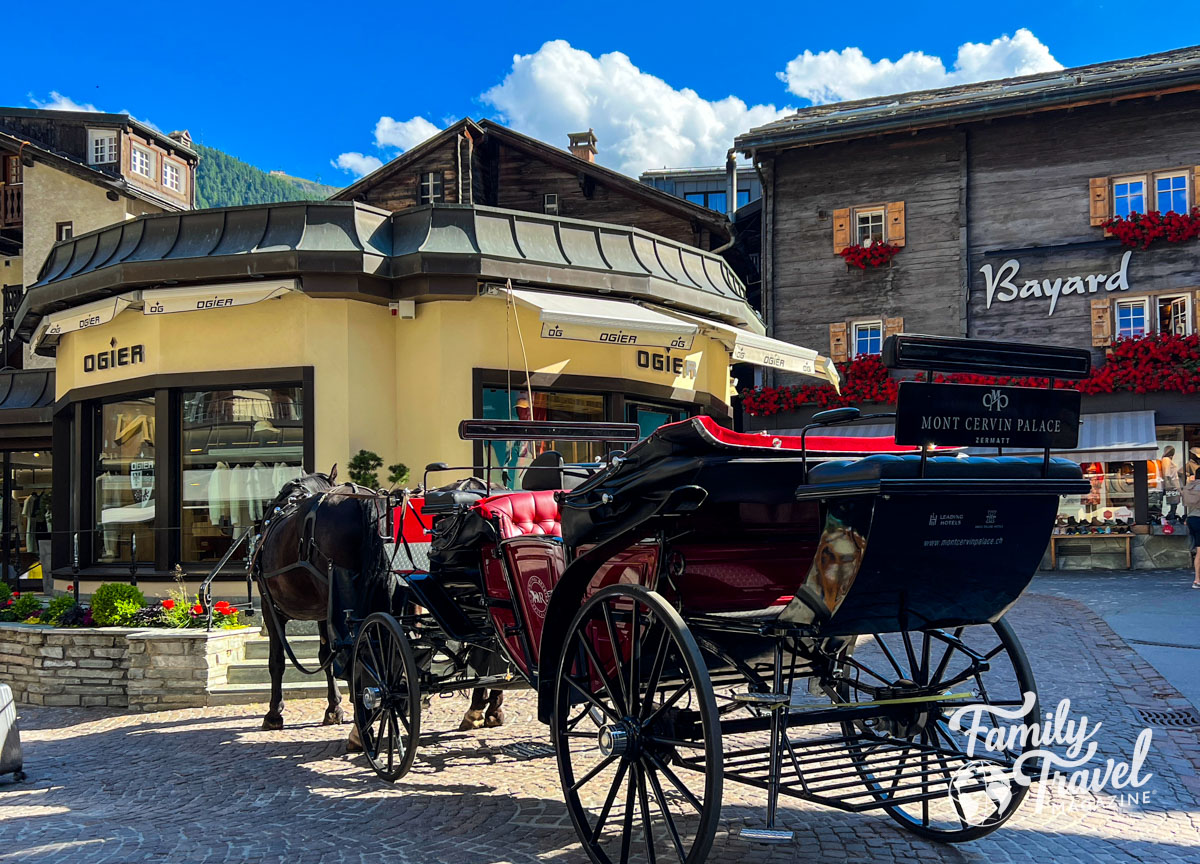
Zermatt, Switzerland, stands as a singular anomaly in modern European travel. Nestled at the foot of the iconic Matterhorn and flanked by the meandering Visp River, this alpine resort municipality enforces a strict ban on standard internal-combustion passenger vehicles. Established to preserve pristine air quality and maintain a tranquil village atmosphere, the town relies exclusively on a fleet of quiet electric vehicles, pedestrian walkways, and traditional horse-drawn carriages to transport visitors from the central Zermatt Railway Station to their accommodations. Despite its compact geographical footprint and a permanent resident population hovering around 5,800, the destination boasts a disproportionately high concentration of world-class hospitality establishments. Analyzing the infrastructure, seasonal operations, and premier lodging options reveals why this car-free sanctuary remains a premier choice for discerning international travelers and families alike.
Logistical Framework and Transportation Infrastructure
Navigating to a resort town that prohibits traditional automobiles requires deliberate planning. Because private motor coaches and personal cars are barred past the nearby alpine village of Täsch, travelers arriving by road must utilize the dedicated parking terminal in Täsch and complete the final leg of their journey via the Matterhorn Gotthard Bahn shuttle train. These frequent rail services transport passengers directly into the heart of Zermatt in approximately twelve minutes.
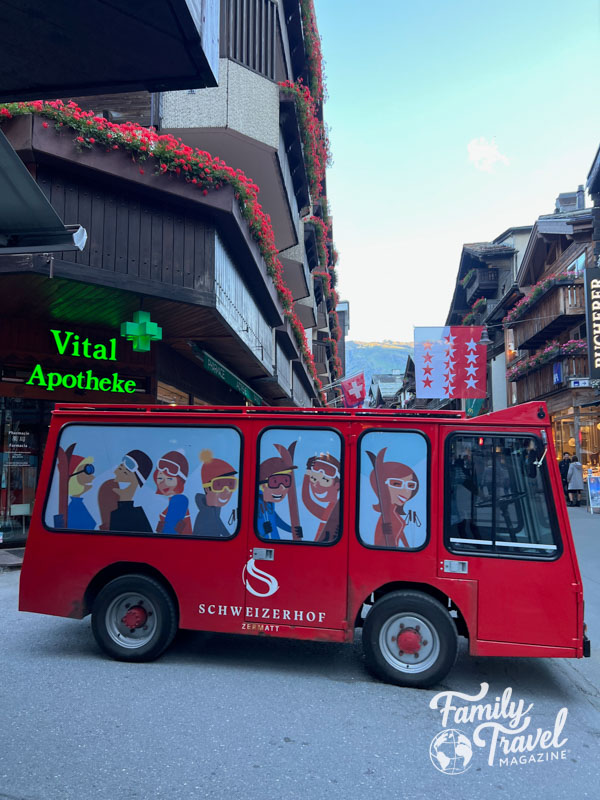
For international travelers arriving by air, the primary aviation gateways are Zurich Airport (ZRH) and Geneva Airport (GVA). Both transport hubs feature integrated railway stations offering seamless, direct connections to the Swiss rail network, allowing visitors to leverage infrastructure such as the Swiss Travel Pass for efficient transit. Upon arrival at the Zermatt station, guests encounter a distinctive logistical ballet: hotels routinely dispatch courtesy electric micro-vehicles or arrange horse-drawn carriages to transfer luggage and guests directly to their front doors.
Seasonal Dynamics: Summer Versus Winter Operations
While Zermatt earned its global reputation as a premier winter sports capital boasting year-round skiing on the Theodul Glacier, the summer tourism sector has experienced substantial growth. Data from Swiss tourism boards indicates an increasing preference for alpine summer holidays, driven by shifting climate patterns and a demand for outdoor recreation.
During the peak summer months of July and August, valley temperatures typically range from the mid-60s to low 70s Fahrenheit, creating comfortable conditions for lightweight apparel during daytime village explorations. Conversely, excursions to higher altitudes, such as the Gornergrat viewing platform at 3,089 meters, necessitate layered clothing, including insulated outerwear. Winter seasons transform the village into a bustling ski-in, ski-out epicenter, drawing alpine enthusiasts from across the globe to navigate the 360 kilometers of interconnected pistes spanning the Swiss-Italian border.
Evaluating Lodging Options in a Unique Alpine Microclimate
Selecting accommodations in Zermatt requires an understanding of regional architectural norms and local environmental conditions. Unlike contemporary urban developments, many historic and luxury properties in the Swiss Alps do not feature mechanical air conditioning. During peak summer heatwaves, properties rely on traditional cross-ventilation, requiring guests to open windows after dusk when alpine temperatures drop significantly.
Family travel planners must also navigate European room-sizing standards. Multi-room family suites can be limited in historic alpine properties, frequently requiring families to book adjacent or interconnected rooms. Furthermore, while many luxury establishments house Michelin-starred or regionally acclaimed restaurants, the village’s dense concentration of independent dining venues within walking distance gives guests extensive culinary flexibility outside of hotel dining rooms.
Detailed Analysis of Zermatt’s Top Ten Luxury Hotels
Chalet Hotel Schönegg
Operated under the prestigious Relais & Châteaux banner, Chalet Hotel Schönegg combines boutique styling with secluded hillside views overlooking the main village. Accessible via the underground Sunnegga Express funicular mountain elevator, the property features 39 rooms in its primary building and nine alpine-themed quarters in the adjacent Petit Chalet. Amenities emphasize holistic wellness, offering a private spa equipped with a Finnish sauna, steam room, and hydrotherapy basins exclusively reserved for registered guests.
CERVO Mountain Resort
Situated approximately a ten-minute walk from the central railway station—with an internal funicular railway bridging the elevation gap—CERVO Mountain Resort offers 54 rooms and suites alongside seven standalone alpine lodges. Categorized into Nomad, Alpinist, and Huntsman styles, the accommodations are complemented by the Mountain Ashram Spa. This wellness center integrates hydrotherapy traditions with yoga and meditation programming, supported by an array of distinct dining concepts including Bazaar, Madre Nostra, and Ferdinand.
Mont Cervin Palace
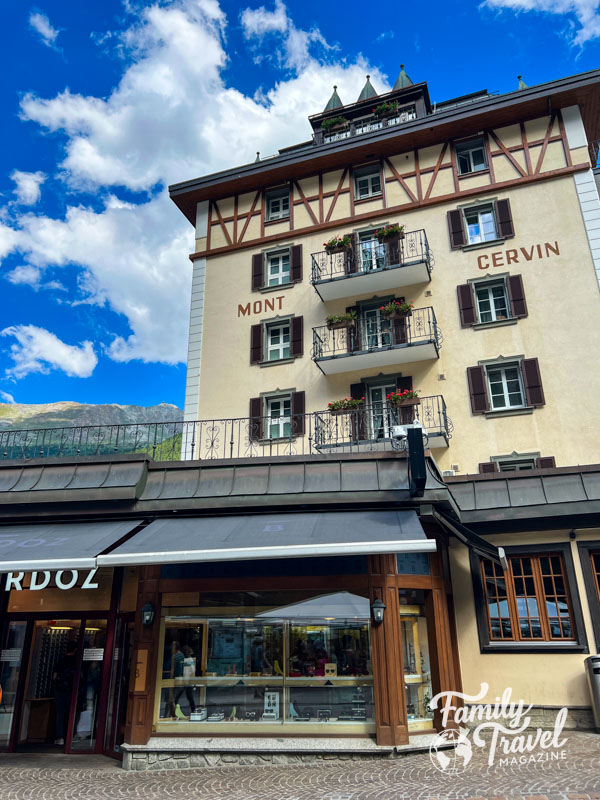
As one of the village’s historic cornerstones, the Mont Cervin Palace features a central location on the main Dorfstrasse. Offering a mix of Alpine-style, Chalet-style, and family apartment configurations, the property places a heavy emphasis on outdoor living space, featuring expansive balconies oriented toward the Matterhorn. The resort houses the extensive Spa Nescens Zermatt, complete with indoor aquatic facilities, family-oriented splash zones, and diverse thermal chambers, paired with culinary institutions such as Grill Le Cervin and Joseph’s Bar.
The Omnia
Perched on a rock plateau 45 meters above the bustling village street, The Omnia redefines alpine modernism through minimalist architecture and crisp interior design. Accessible via a dramatic rock-hewn tunnel and a glass elevator, the hotel functions as a secluded wellness retreat. Its spa facilities include an indoor-outdoor pool complex, an open-air hot tub positioned directly in the line of sight of the Matterhorn, and comprehensive thermal chambers restricted strictly to resident guests.
Hotel Schweizerhof Zermatt
Positioned centrally within the village, Hotel Schweizerhof Zermatt caters to families seeking contemporary aesthetics combined with traditional Swiss hospitality. Room categories span standard double configurations to expansive penthouse suites. The culinary program features the dedicated Cheese Factory—specializing in regional artisanal fondue—alongside broader international menus. The hotel’s wellness infrastructure includes a heated indoor pool and specialized spa hours designed to accommodate families with children.
Grand Hotel Zermatterhof
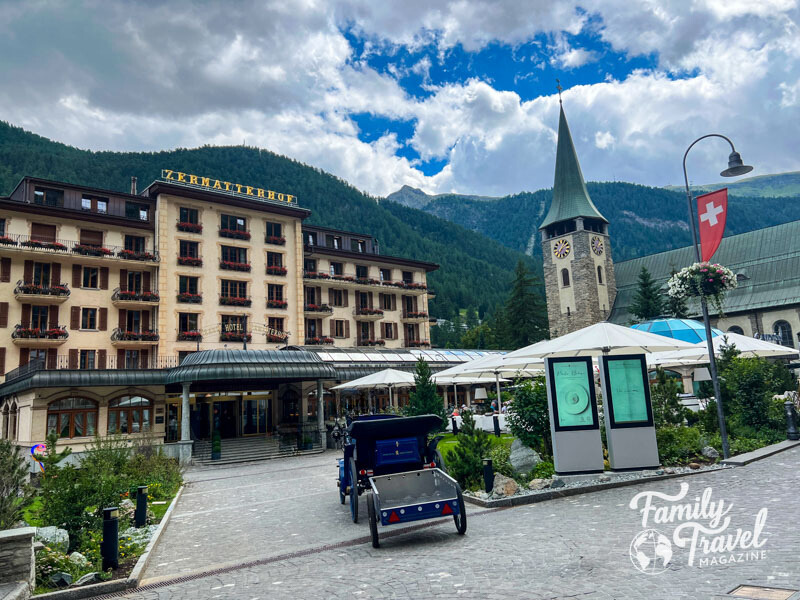
Widely regarded as the most palatial property in the municipality, the Grand Hotel Zermatterhof operates as a member of Preferred Hotels & Resorts. Featuring 69 opulent rooms and suites, the historic establishment maintains its own stable of Lipizzaner horses, offering guests a direct link to the town’s heritage of horse-drawn transportation. Culinary options range from casual alpine fare to the Michelin-starred Alpine Gourmet Prato Borni, while the Vita Borni Alpine Spa incorporates specialized features such as an ice grotto.
Christiania Mountain Spa Resort
Situated directly along the banks of the Visp River, the Christiania Mountain Spa Resort focuses heavily on hydrotherapy and restorative wellness. Boasting what is claimed to be the largest hotel pool and spa facility in Zermatt, the property offers a comprehensive suite of thermal amenities including an ice cave, bio-saunas, and seasonal sunbathing terraces. Flexible room categories range from compact single chambers designed for solo travelers to multi-room configurations suitable for families.
Matterhorn Focus Design Hotel
Located on the northern periphery of the village near the base station of the Matterhorn Glacier Paradise cable car, the Matterhorn Focus Design Hotel reflects the distinct vision of local architect Heinz Julen. Utilizing raw concrete, expansive glass, and regional timbers, the thirty-room boutique property merges industrial modernism with alpine warmth. Wellness facilities feature a saline steam bath, outdoor whirlpool, and comprehensive relaxation zones.
Riffelalp Resort 2222m
Positioned entirely outside the main village at an altitude of 2,222 meters, the Riffelalp Resort is accessible via the historic Gornergrat rack railway and an internal resort tram. Operating as a true ski-in, ski-out destination during the winter months and a hub for guided alpine hiking during the summer, the property features Europe’s highest accessible hotel spa. Spa 2222m provides indoor and outdoor heated aquatic facilities positioned directly opposite the sheer rock face of the Matterhorn.
22 Summits Boutique Hotel
Rounding out the top tier of Zermatt hospitality, the 22 Summits Boutique Hotel derives its name from the twenty-two major peaks surrounding the valley. Featuring 22 distinct alpine-modern rooms and suites, the property emphasizes intimate, personalized service. Its wellness center includes a Finnish sauna, an alpine hay bath, a vitarium, and hydrotherapy installations available to both resident guests and external visitors holding regional spa passes.
Broader Economic and Tourism Implications
Zermatt’s hospitality sector serves as a vital economic engine for the Canton of Valais, demonstrating how stringent environmental regulations can enhance, rather than hinder, high-end tourism development. The community’s ongoing commitment to a car-free environment has established a benchmark for sustainable alpine resort management. Industry analysts note that properties investing heavily in zero-emission transport fleets, energy-efficient geothermal heating, and localized wellness tourism are best positioned to capture the growing demographic of affluent, environmentally conscious family travelers.
As global interest in multi-generational alpine travel persists, Zermatt’s unique blend of historic charm, stringent conservation policies, and uncompromising luxury hospitality ensures its status as a cornerstone of the European tourism economy.