Empowering Women in Tourism: How the Global Travel Sector Can Inspire Inclusion and Drive Sustainable Growth

The global tourism industry stands at a critical juncture regarding gender equality and workforce dynamics. Aligning with the International Women’s Day campaign theme, "Inspire Inclusion," stakeholders across the travel and hospitality sectors are increasingly evaluating how economic frameworks can actively break down systemic barriers, challenge entrenched industry stereotypes, and cultivate environments where women are universally valued and respected. Although decades of advocacy have advanced gender parity across various global industries, significant labor disparities persist. Achieving a truly inclusive economic ecosystem requires deliberate, structural interventions by corporations, regulatory bodies, and local communities to ensure equitable pathways to success for women and marginalized populations.
Rooted in the principles of cross-cultural understanding and community enhancement, the travel sector holds a unique position to model social equity. At its theoretical best, travel acts as a catalyst for celebrating diversity, dismantling unconscious bias, and ensuring that host destinations benefit directly from visitor economies. While mindful and sustainable travel initiatives have made strides toward these ideals, the commercial tourism landscape frequently falls short of equitable standards. By intentionally prioritizing the inclusion of women—not merely as participants, but as proprietors, managers, and policymakers—the tourism sector can enhance its organizational resilience while simultaneously elevating the transformative depth of the modern travel experience.
The Workforce Paradox: High Employment, Low Leadership
A comprehensive review of global labor statistics reveals a striking paradox within the tourism and hospitality industries. According to pre-pandemic data published by the World Travel & Tourism Council (WTTC) in 2019, women accounted for 54 percent of the global tourism workforce. On the surface, this metric is frequently cited as an indicator of robust economic access and employment opportunity for women.
However, granular research conducted by the United Nations World Tourism Organization (UNWTO) highlights a stark vertical segregation within this workforce. The vast majority of female tourism employment is concentrated in lower-skilled, lower-paying, and precarious positions. Data indicates that women occupy only 19 to 25 percent of leadership positions, executive roles, and C-suite suites across global hospitality and travel enterprises. Furthermore, a disproportionate percentage of female tourism workers participate in the informal economy, leaving them acutely vulnerable to economic volatility, systemic displacement, and sudden job losses—a vulnerability sharply exposed during global disruptions such as the COVID-19 pandemic.
Industry analysts emphasize that the challenge facing modern tourism is twofold. Beyond achieving numerical parity in baseline hiring, travel organizations must champion women as foundational partners, operational managers, and institutional leaders. Providing localized resources, targeted mentorship, and institutional support is essential for rectifying historical power imbalances within the sector.
The Multiplier Effect: Why Investing in Women Transforms Communities
The economic imperative for advancing gender equality extends far beyond corporate metrics; it functions as a primary driver of sustainable community development and poverty alleviation. Microfinance institutions and international development agencies have extensively documented the profound "multiplier effect" generated when women control household income and business capital.
Data from the microfinance organization Kiva indicates that female entrepreneurs reinvest approximately 80 percent of their earnings directly into the health, nutrition, and education of their children and immediate families. Complementary research published by UN Women demonstrates a direct correlation between female economic empowerment and broader societal advancements, including accelerated regional economic growth, elevated educational attainment rates for girls, and enhanced public health indicators.
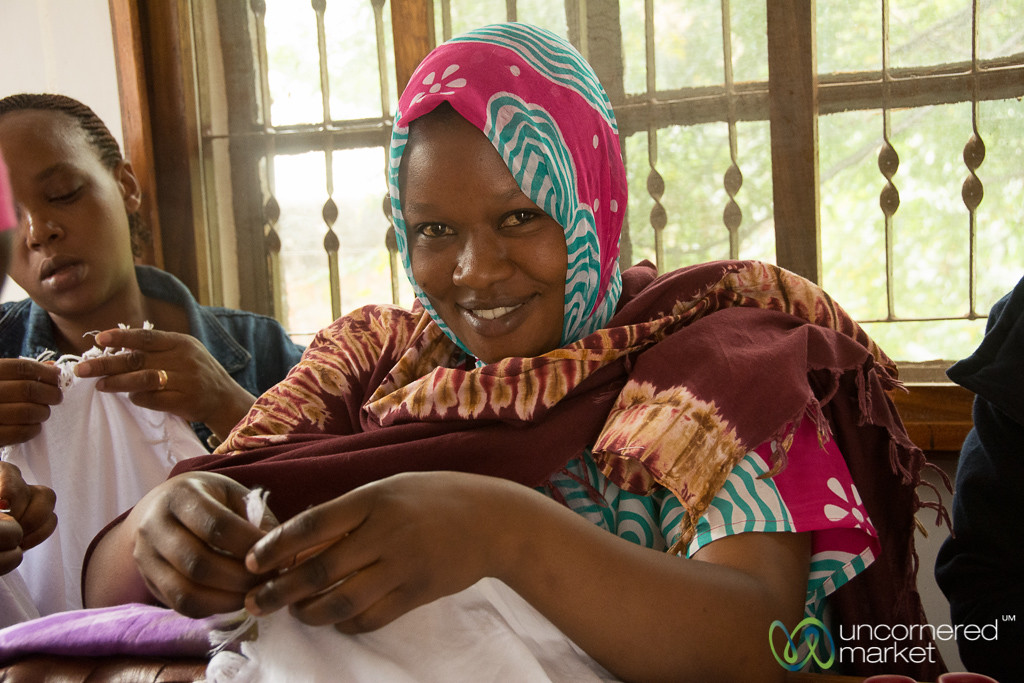
Case studies from grassroots tourism initiatives illustrate this dynamic in practice. In Moshi, Tanzania, capacity-building programs such as Moshi Mamas provide marginalized women with formalized business training, artisanal skill development, and direct market access for handicrafts. Participants frequently cite intergenerational upliftment as their primary motivation. Shoshe, a program participant and artisan, noted that her engagement in the cooperative is designed to break generational cycles of economic dependency and demonstrate female earning viability to her children.
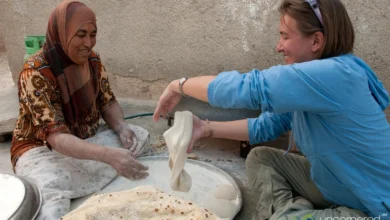
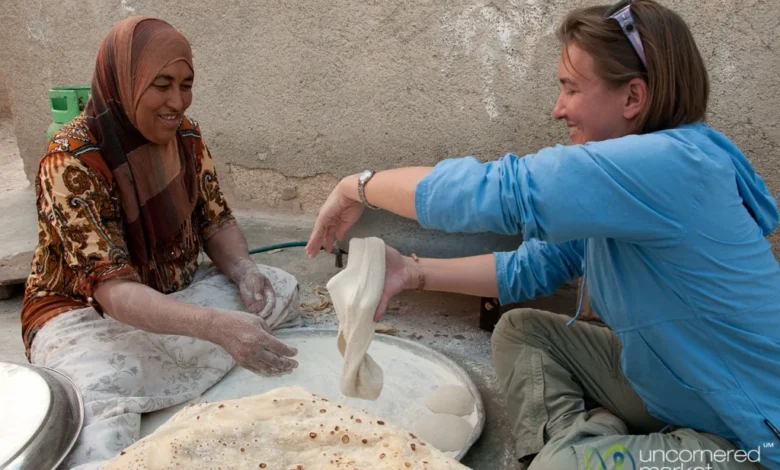
Similarly, Alessandra Alonso, founder of the social enterprise Women in Travel, underscored this foundational principle during an industry panel hosted by G Adventures. Alonso emphasized that economic independence serves as the genesis of community resilience, noting that when an individual woman secures a stable income, children receive formal education, extended family networks achieve food security, and the surrounding community thrives. Similar social enterprise models, such as the Zikra Initiative in Jordan, actively engage female artisans in traditional culinary and craft tourism, bridging cultural exchange with sustainable local economic empowerment.

The Business Case for Workplace Diversity
In addition to its undeniable social value, gender diversity in tourism represents a sound financial strategy. Extensive empirical research from management consulting firms, including McKinsey & Company, consistently demonstrates that corporations exhibiting high levels of gender diversity—particularly at the executive and board levels—frequently outperform homogeneous competitors in terms of profitability and long-term economic return.
Diverse leadership teams introduce multifaceted perspectives, bridge cultural blind spots, and foster collective intelligence, which translates directly into enhanced problem-solving capabilities and creative innovation. In an interconnected global marketplace, diverse management structures enable companies to navigate complex geopolitical landscapes and adapt rapidly to shifting consumer demands.
This business rationale is magnified within the consumer base of the travel sector. Industry estimates suggest that women drive between 70 and 80 percent of all consumer travel decisions, influencing everything from accommodation bookings and destination selection to itinerary design. As female travelers continue to represent a growing demographic majority within the global tourism community, corporate capability—bolstered by internal workplace diversity—to authentically understand, anticipate, and cater to the needs of its clientele is a strategic necessity rather than an optional corporate social responsibility initiative.
Strategic Frameworks for Industry Action
To transition from conceptual support to measurable impact, tourism enterprises, destination management organizations, and policymakers can implement several concrete operational frameworks:
- Equitable Supply Chain Procurement: Travel operators can actively source goods, services, and experiences from women-owned enterprises, local cooperatives, and female artisans, ensuring that tourism revenues remain within host communities.
- Leadership Pathways and Mentorship: Corporations must establish transparent promotion tracks, executive mentorship programs, and ongoing professional development initiatives to transition women from frontline hospitality roles into management and C-suite positions.
- Inclusive Workplace Policies: Implementing flexible working conditions, robust parental leave policies, and comprehensive safety standards protects female workers, particularly those in remote or informal sectors of the travel industry.
- Community-Based Tourism Integration: Supporting decentralized, community-led tourism models ensures that local women retain decision-making authority over how tourism develops within their ancestral lands and neighborhoods.
When organizations successfully integrate these pillars, the tangible outcomes are evident across the globe. For example, specialized conservation and tourism operations, such as the all-women wildlife guiding team at Chobe Game Lodge in Botswana, demonstrate that breaking occupational stereotypes not only redefines professional norms for women but also elevates the quality and authenticity of the visitor experience.

Moving from Aspiration to Daily Action
As global networks observe International Women’s Day, industry analysts stress the necessity of moving beyond symbolic gestures and corporate rhetoric toward sustained, daily operational commitments. The ethos of inspiring inclusion requires the tourism sector to dismantle exclusionary practices and establish robust, equitable resource allocation frameworks.
By intentionally inviting, welcoming, and empowering women to take leadership roles across all tiers of the travel economy, the sector can forge a more resilient, equitable, and sustainable future. Ultimately, embedding gender equity into the DNA of global tourism is not merely a strategy for industry enhancement, but a fundamental prerequisite for building a more balanced and prosperous world.