From Influencer Burnout to Polar Expedition Leadership: The Evolution of Arctic Tourism and Specialized Travel Booking

The modern travel industry is witnessing a significant shift in how high-latitude destinations are marketed and experienced, driven by content creators transitioning into specialized operational roles. This trend is exemplified by veteran travel writers and photographers who are moving away from traditional digital influencing models to become certified expedition guides and boutique booking consultants. Central to this movement is the increasing demand for remote polar voyages in the Arctic and Antarctica, regions that remain largely inaccessible outside of brief summer windows when sea ice recedes.
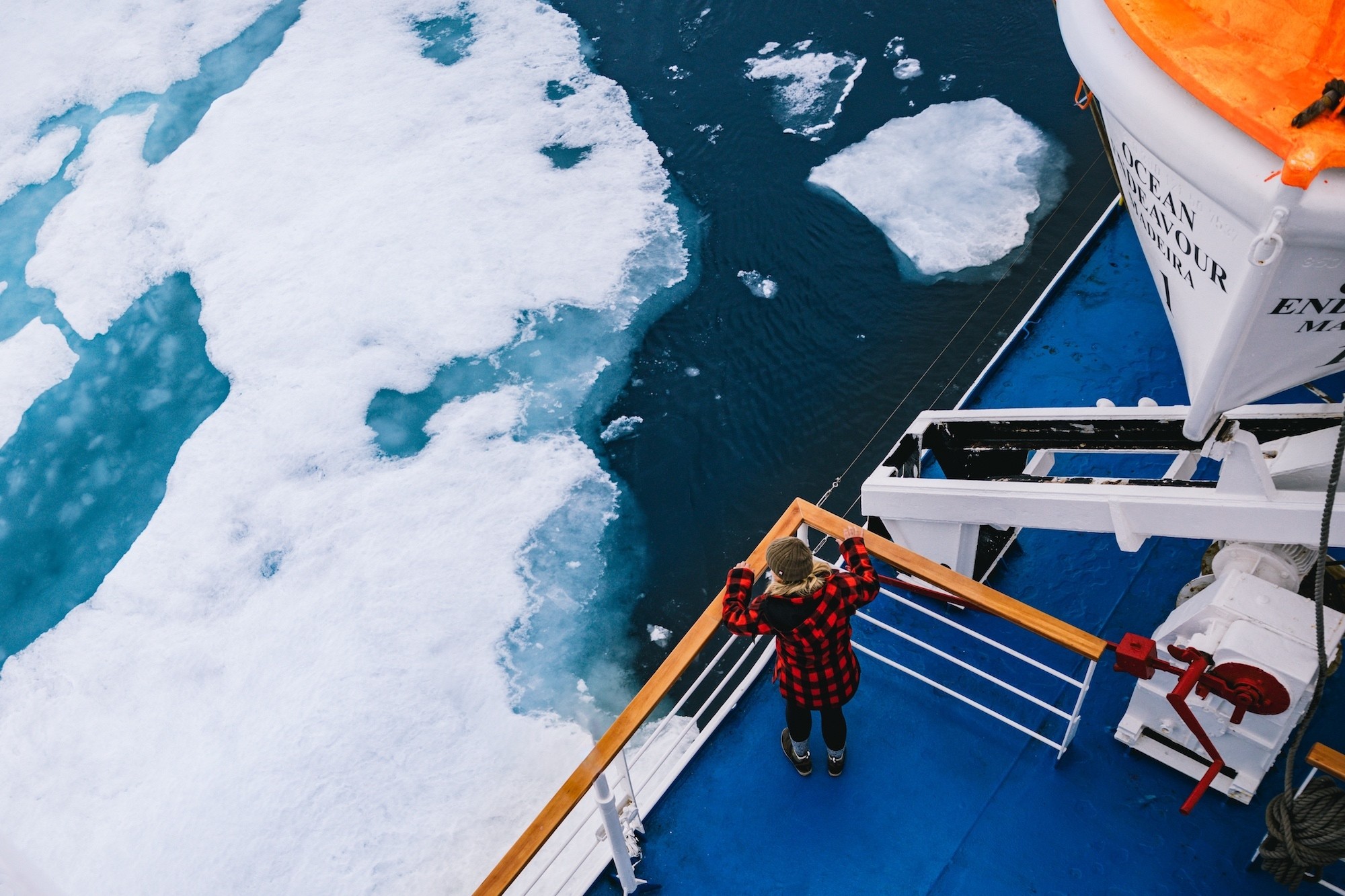
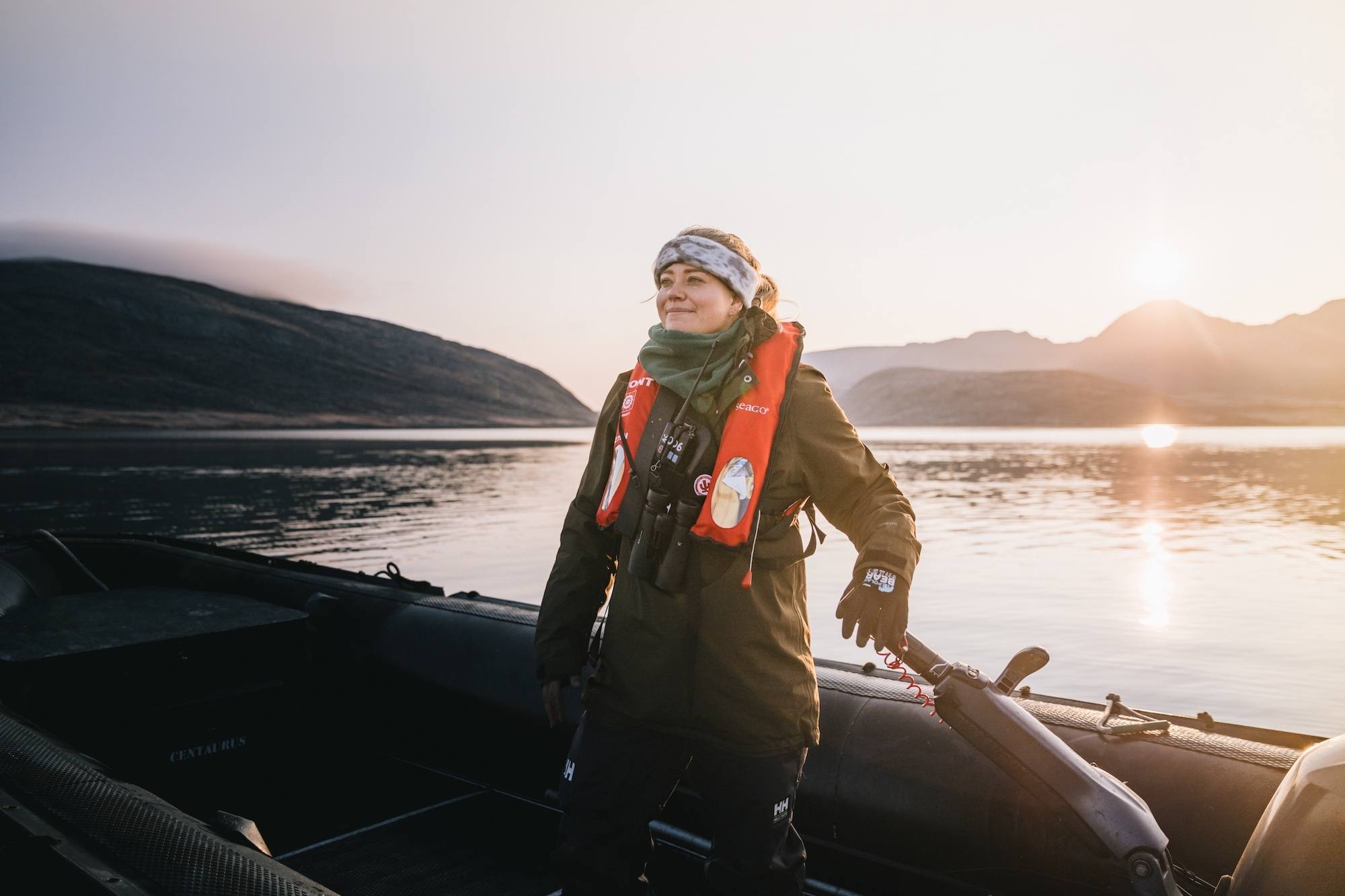
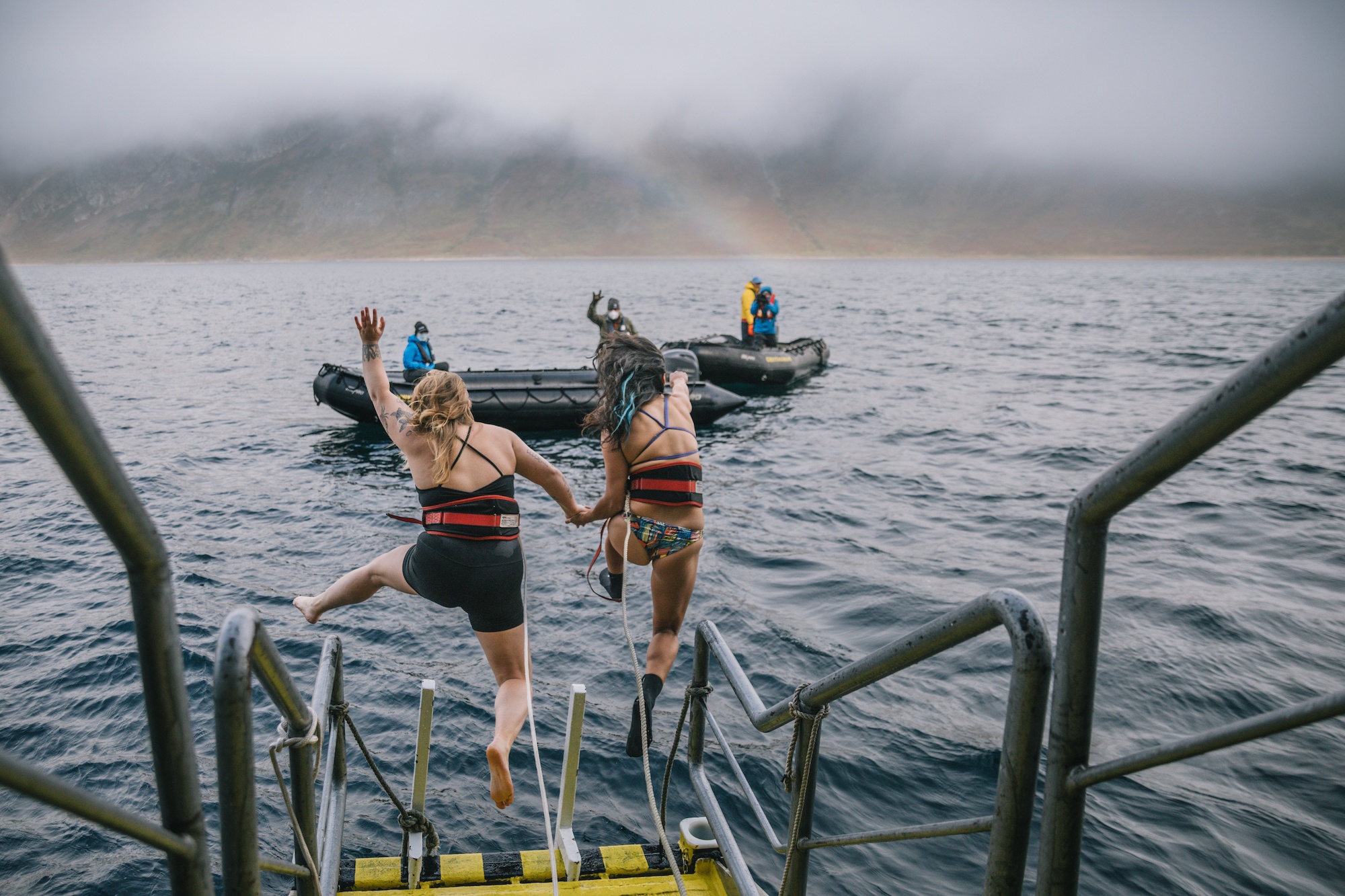
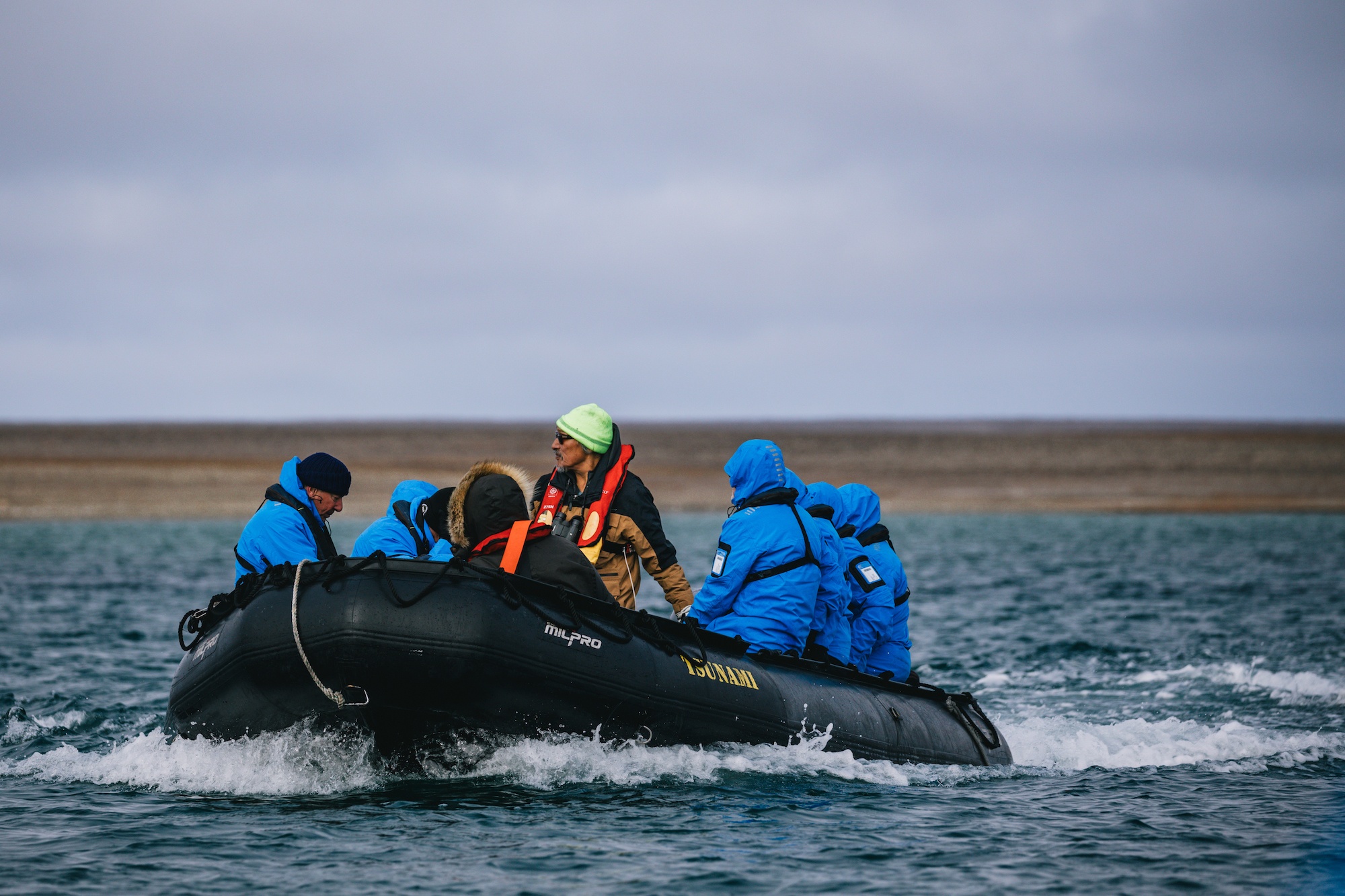
The operational framework of polar tourism relies heavily on specialized expedition vessels, ice-strengthened hulls, and rigid-inflatable zodiac boats capable of navigating narrow fjords and towering icebergs. Operators such as Adventure Canada manage multi-month seasonal itineraries spanning remote Canadian territories and Greenland. These voyages depend on a robust infrastructure of small aircraft, marine vessels, and seasonal navigation windows. According to industry data from the International Association of Antarctica Tour Operators (IAATO) and the Association of Arctic Expedition Cruise Operators (AECO), polar tourism has experienced a steady resurgence following pandemic-related lulls, as travelers increasingly seek remote, nature-based destinations that offer deep engagement with local ecosystems and indigenous cultures.
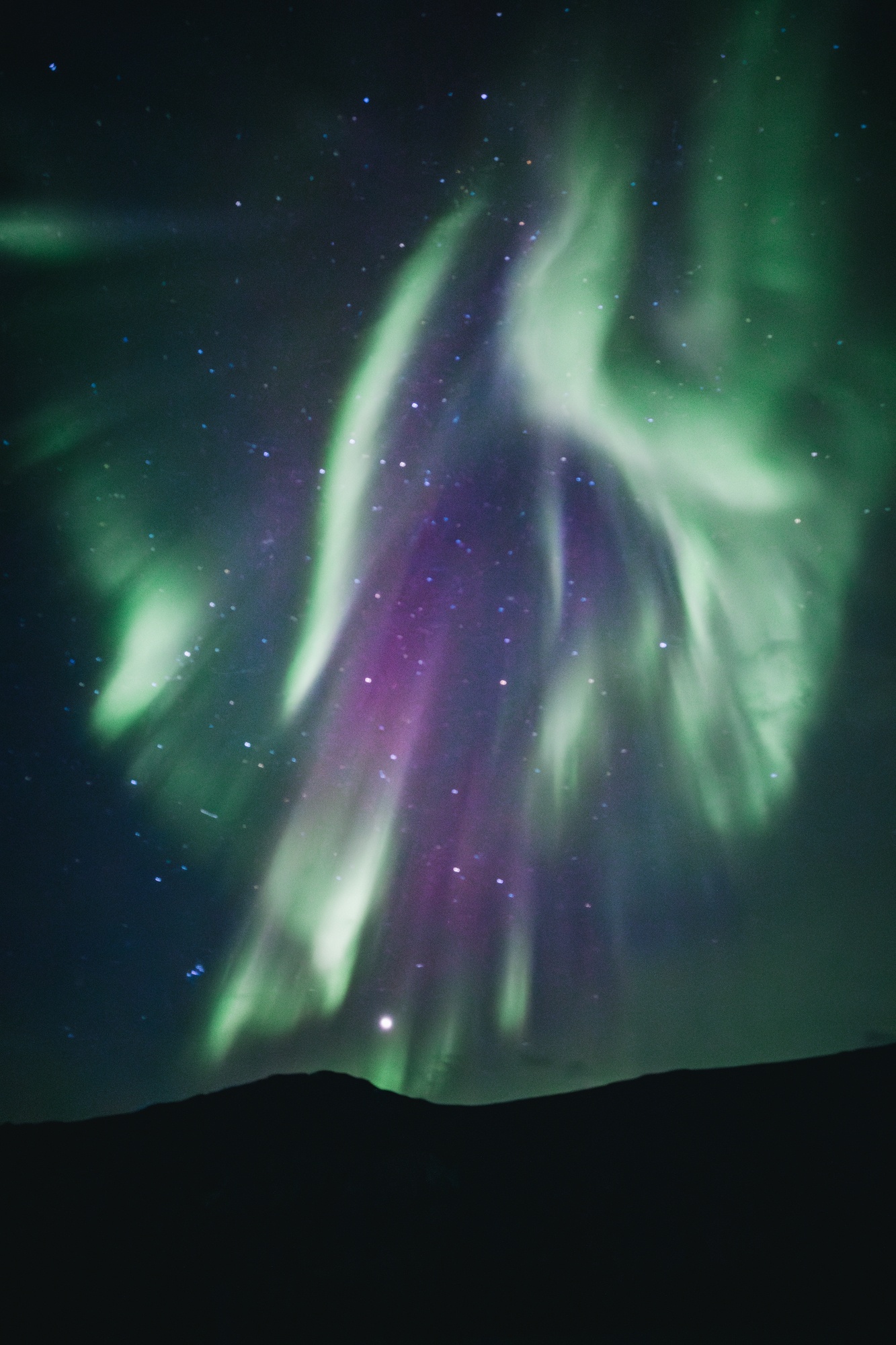
The Evolution of the Polar Travel Sector
For decades, polar exploration was the exclusive domain of scientific researchers, heavy commercial vessels, and elite mountaineers. However, the late 20th and early 21th centuries saw the democratization of high-latitude travel through specialized cruise tourism. Today, modern expedition ships function as floating research stations and community hubs, carrying historians, marine biologists, ornithologists, and cultural interpreters alongside travelers.
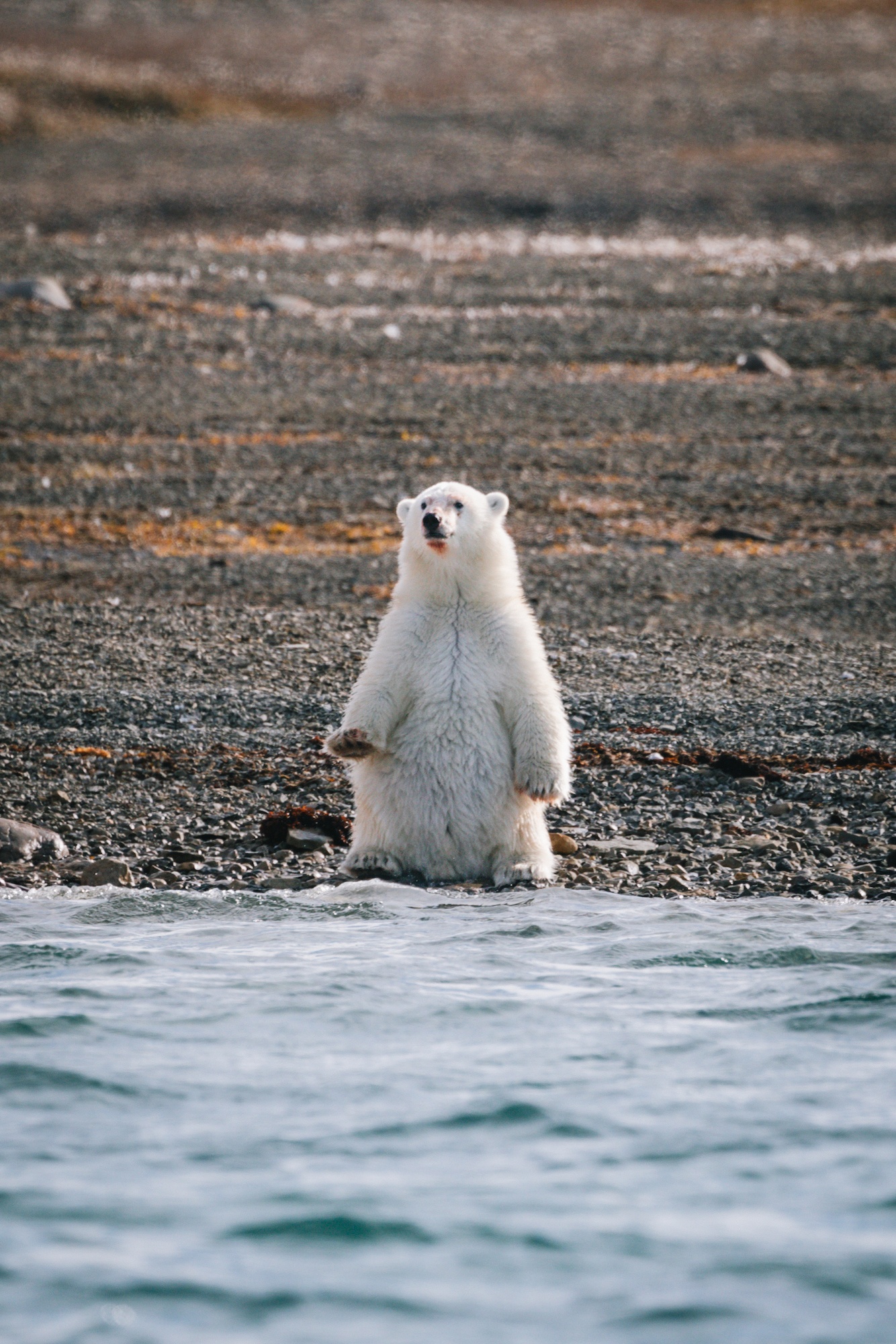
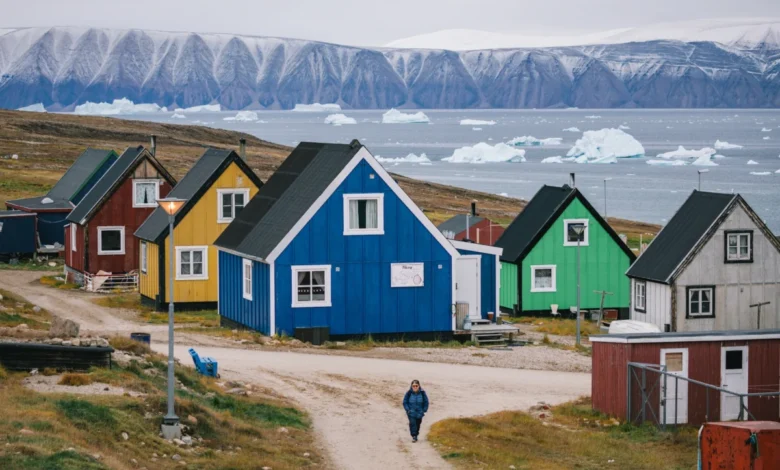
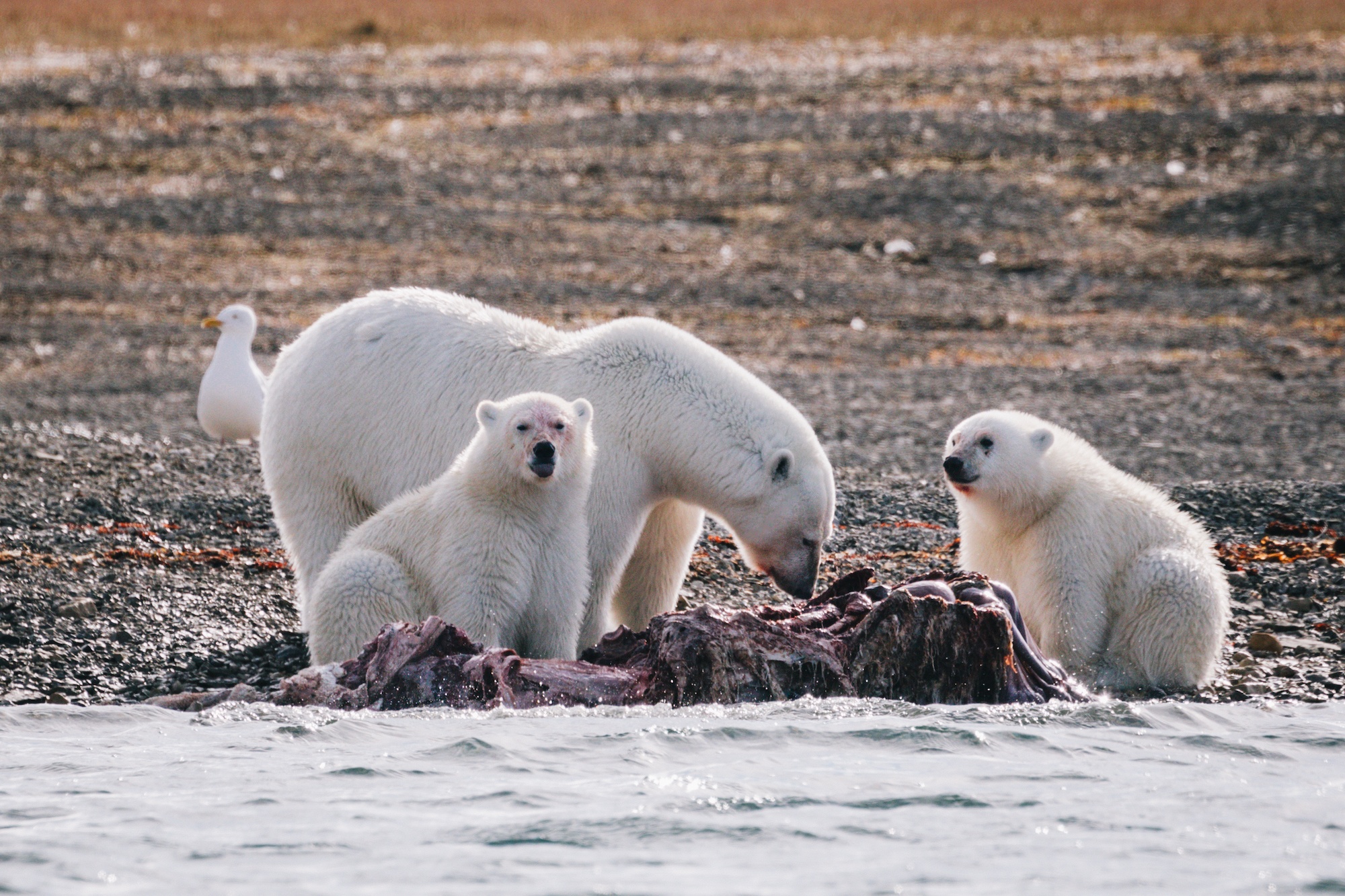
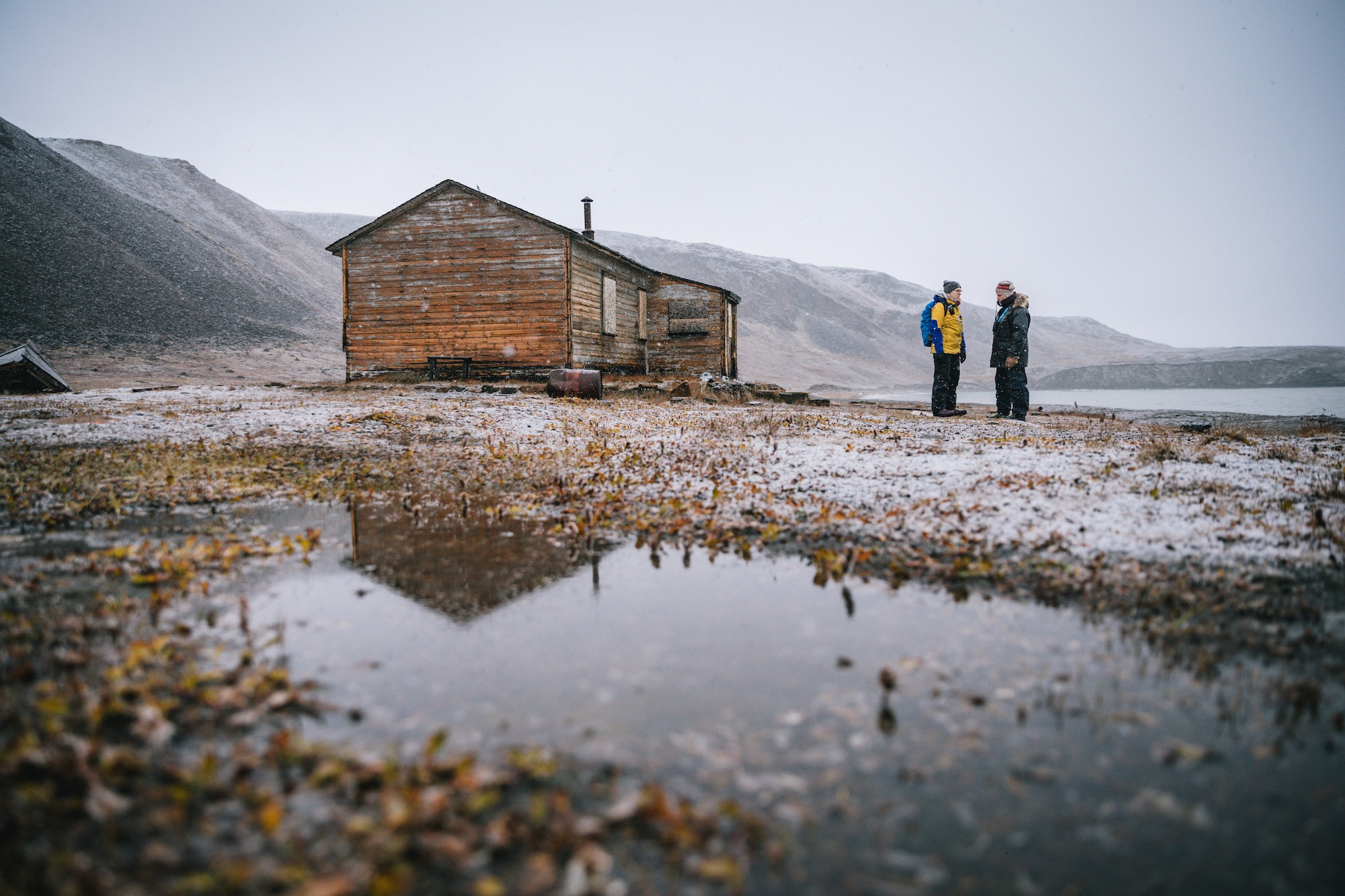
The appeal of the Arctic lies in its extreme isolation, vast wilderness areas, and unpredictable meteorological conditions. Visitors frequently encounter diverse marine and terrestrial wildlife, including bowhead whales, narwhals, and polar bears navigating shrinking pack ice. Furthermore, itineraries often incorporate cultural exchanges with northern Indigenous communities, offering travelers insights into traditional ways of life, local governance, and contemporary challenges such as rapid climate change.

Industry analysts note that modern travelers are no longer satisfied with passive sightseeing; they demand immersive, educational experiences. This shift has elevated the role of the expedition guide from a logistical assistant to a critical educator and safety officer. Guides are tasked with interpreting complex glaciological formations, managing wildlife encounters safely, and contextualizing the socio-political landscapes of the communities visited.
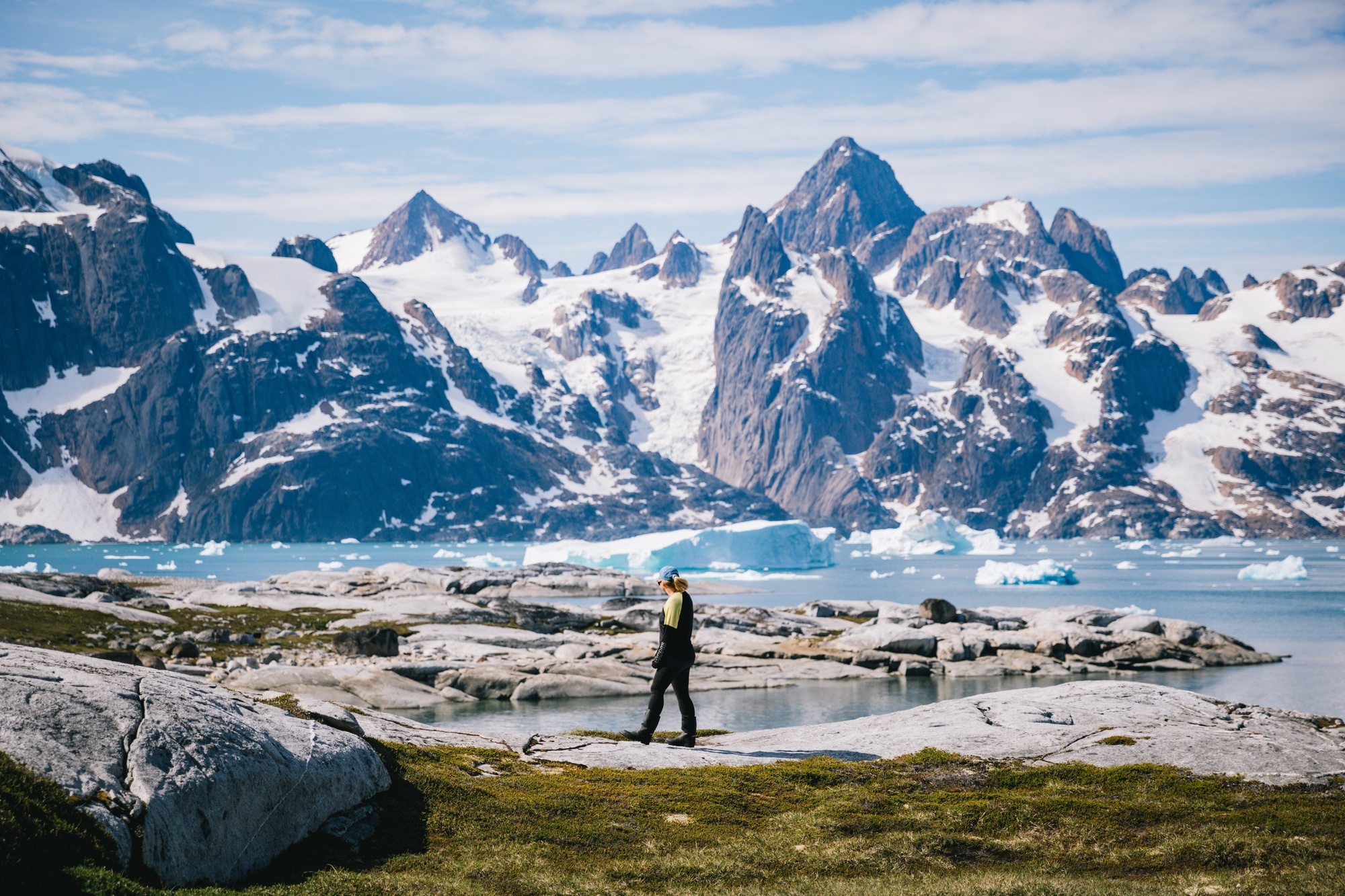
Structural Shifts in Travel Content Creation
The transition of digital creators into direct booking agents and field guides reflects broader economic pressures within the digital media landscape. Over the past decade, the influencer marketing model has faced growing criticism regarding saturation, algorithmic volatility, and the mental health tolls of constant digital connectivity. Many established creators who built audiences during the initial boom of travel blogging are now seeking sustainable, community-oriented careers that leverage their specialized field experience.
By pivoting to specialized referral models—acting effectively as boutique travel advisors for high-ticket expedition cruises—these professionals bridge the gap between prospective travelers and niche operators. This model relies on firsthand operational knowledge rather than generalized advertising. Travel advisors specializing in polar regions can offer granular insights regarding vessel types, cabin selections, specific wildlife viewing probabilities, and physical fitness requirements. This consultative approach reduces consumer anxiety associated with booking complex, expensive journeys to remote environments.
From an economic perspective, this model offers a diversified revenue stream for content creators while providing expedition operators with highly qualified, pre-educated clientele. Passengers who book through specialized guides often arrive with a foundational understanding of expedition etiquette, environmental protocols, and the logistical realities of remote marine travel.
Operational Realities and Environmental Stewardship
Operating in the high Arctic presents formidable logistical and environmental challenges. Expedition companies must adhere to strict international maritime guidelines, including the Polar Code established by the International Maritime Organization (IMO). These regulations dictate ship construction standards, crew training requirements, and environmental protections designed to minimize the impact of heavy fuel use and waste generation in fragile ecosystems.
Environmental advocacy groups closely monitor polar tourism, balancing the economic benefits to northern communities against the ecological footprint of increased vessel traffic. Greenhouse gas emissions, localized disturbance of marine mammals, and the introduction of non-native species remain primary concerns. In response, leading operators have implemented rigorous sustainability frameworks, including mandatory briefings on wildlife viewing distances, zero-discharge policies, and partnerships with local research institutions to support citizen science projects on board.
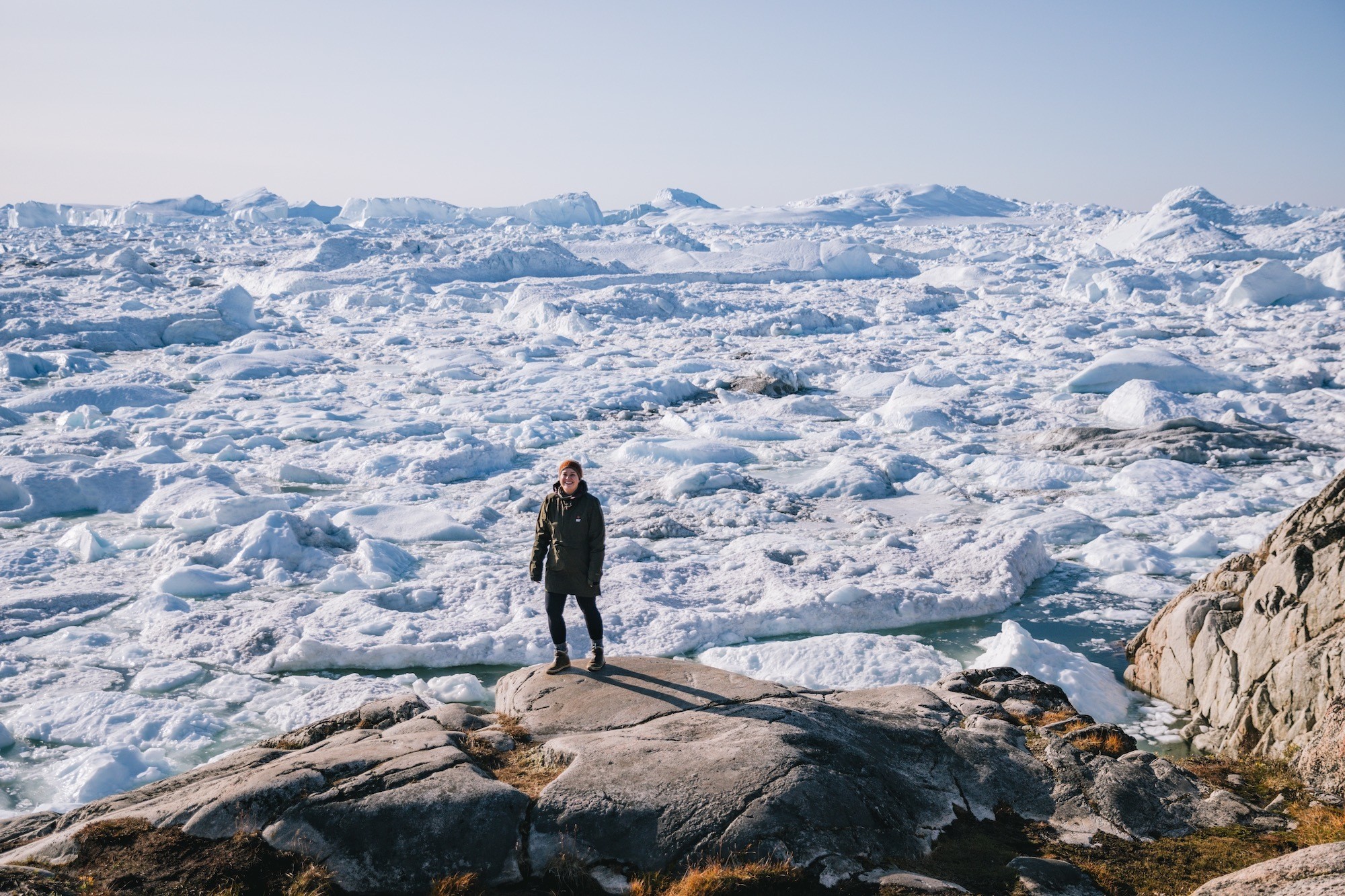
Travelers who visit these polar environments frequently return as vocal advocates for climate action and environmental conservation. Exposure to retreating glaciers, thinning sea ice, and altered wildlife migration patterns transforms tourists into long-term stakeholders in polar preservation. Industry leaders argue that responsible tourism, when managed under strict regulatory oversight, serves as a vital educational tool that fosters global awareness of high-latitude climate vulnerability.
Future Outlook for High-Latitude Expeditions
The market for polar expeditions is projected to expand moderately over the coming decade, driven by rising disposable incomes among demographic segments seeking experiential luxury and adventure travel. However, capacity constraints imposed by environmental regulations and the limited availability of ice-rated vessels will likely cap explosive growth, preserving the exclusive and remote nature of these destinations.

As the industry matures, the integration of experienced field personnel into advisory and promotional roles is expected to become more widespread. This convergence of media, expedition operations, and specialized travel consulting underscores a broader trend: consumers increasingly value authenticity, deep domain expertise, and personal accountability from the platforms and individuals they follow. For the Arctic tourism sector, this evolution promises a well-informed, highly engaged traveler base prepared to navigate the profound realities of the world’s most remote frontiers.