From Digital Nomad to Polar Expedition Leader: The Evolution of Arctic Tourism and Travel Curation

The modern landscape of travel journalism and expedition management is undergoing a significant structural shift, highlighted by veteran travel creators transitioning from passive digital content creation to active, hands-on expedition logistics and specialized booking curation. This movement reflects a broader industry trend where seasoned travelers leverage their niche expertise to offer direct booking services, bypassing traditional agency models to foster deeper environmental stewardship and sustainable tourism practices in fragile ecosystems like the Arctic.
Background and Context of Polar Tourism Growth
Polar travel, once considered an extreme frontier accessible only to scientific researchers and heavily funded mountaineering teams, has evolved into a specialized sector of the cruise and expedition industry. According to industry data from the International Association of Antarctica Tour Operators (IAATO) and the Association of Arctic Expedition Cruise Operators (AECO), demand for high-latitude voyages has grown exponentially over the past decade. Travelers increasingly seek immersive, off-the-beaten-path experiences that prioritize education, wildlife viewing, and cultural exchange with indigenous communities.
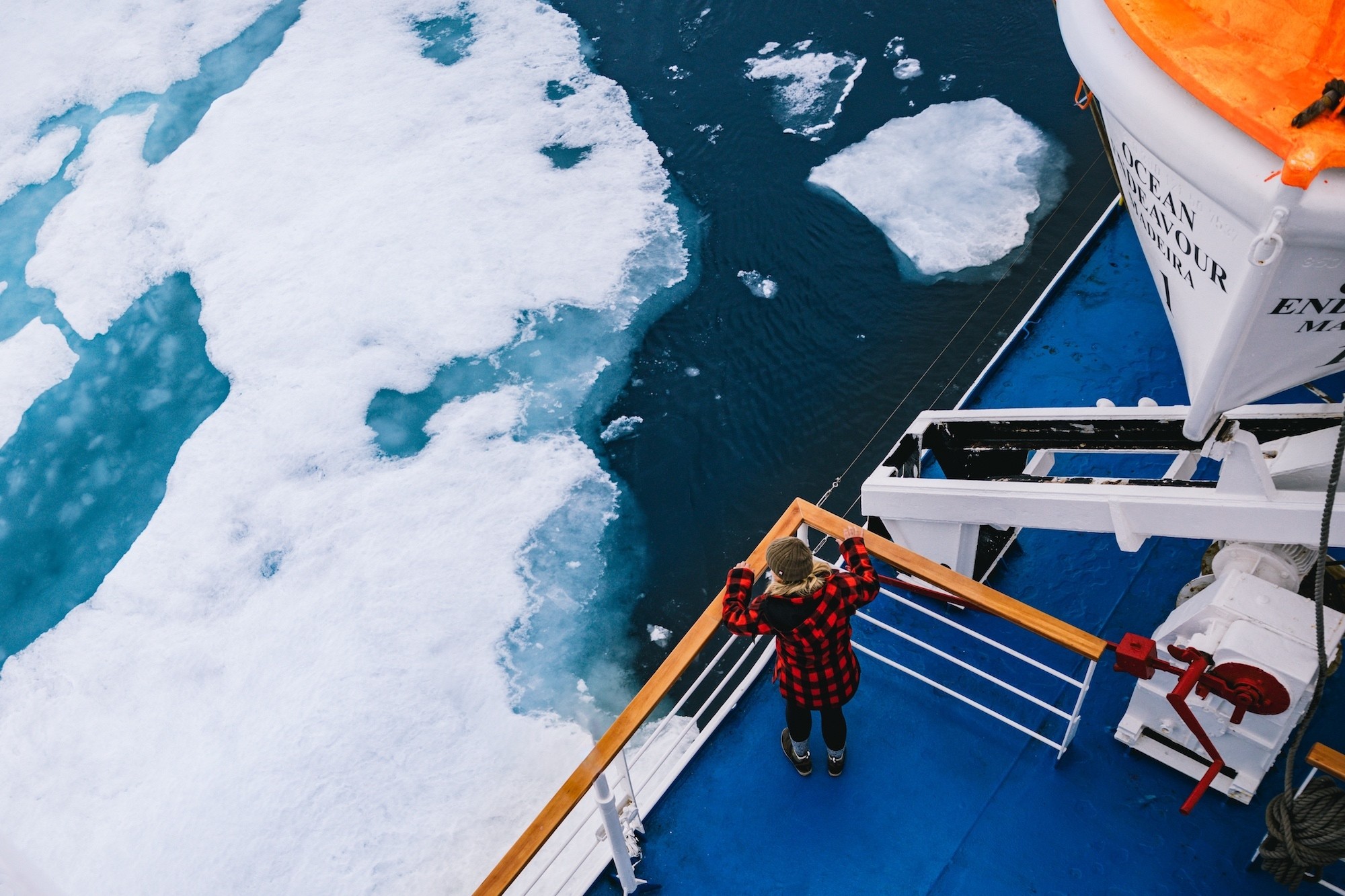
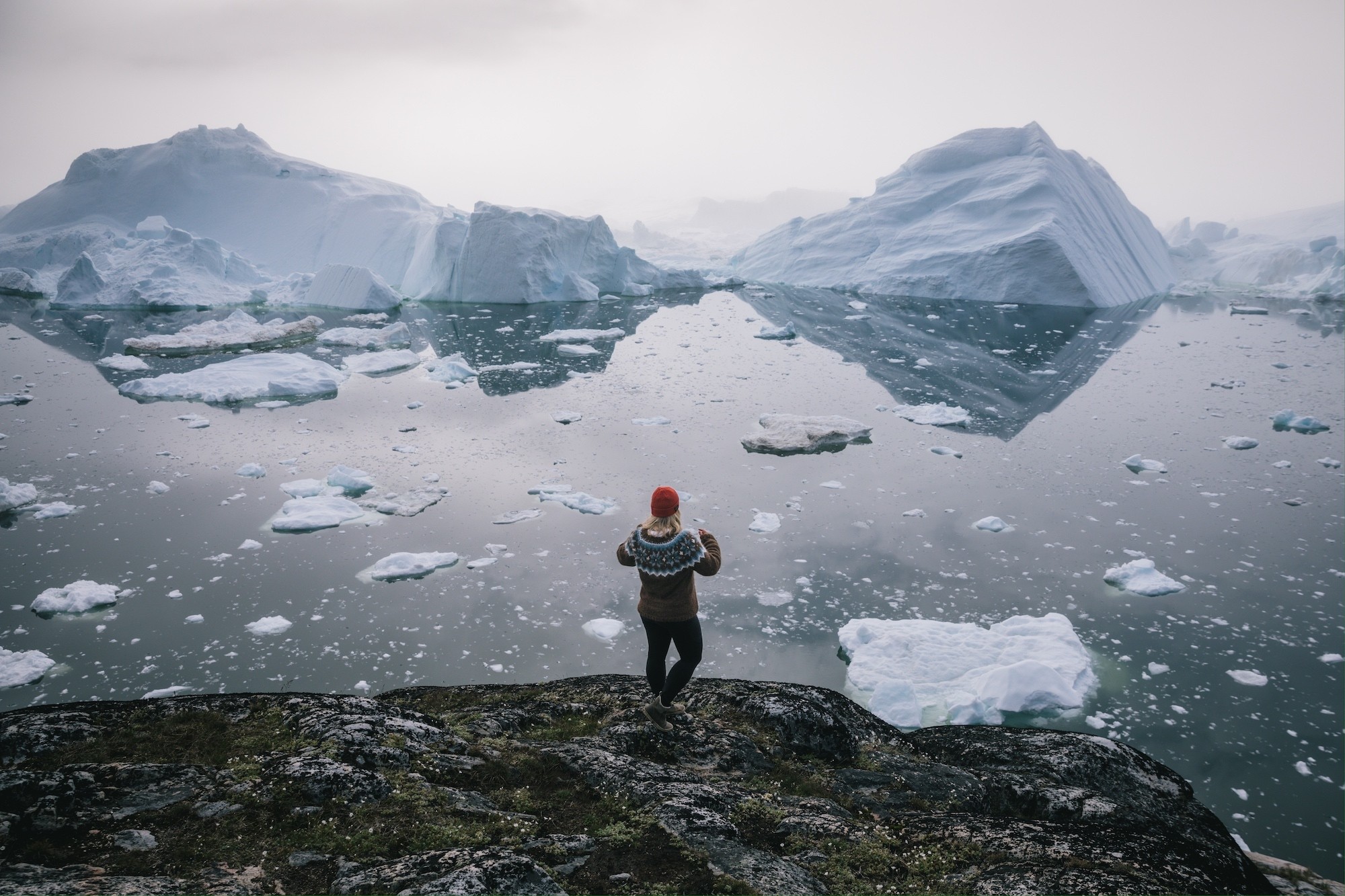
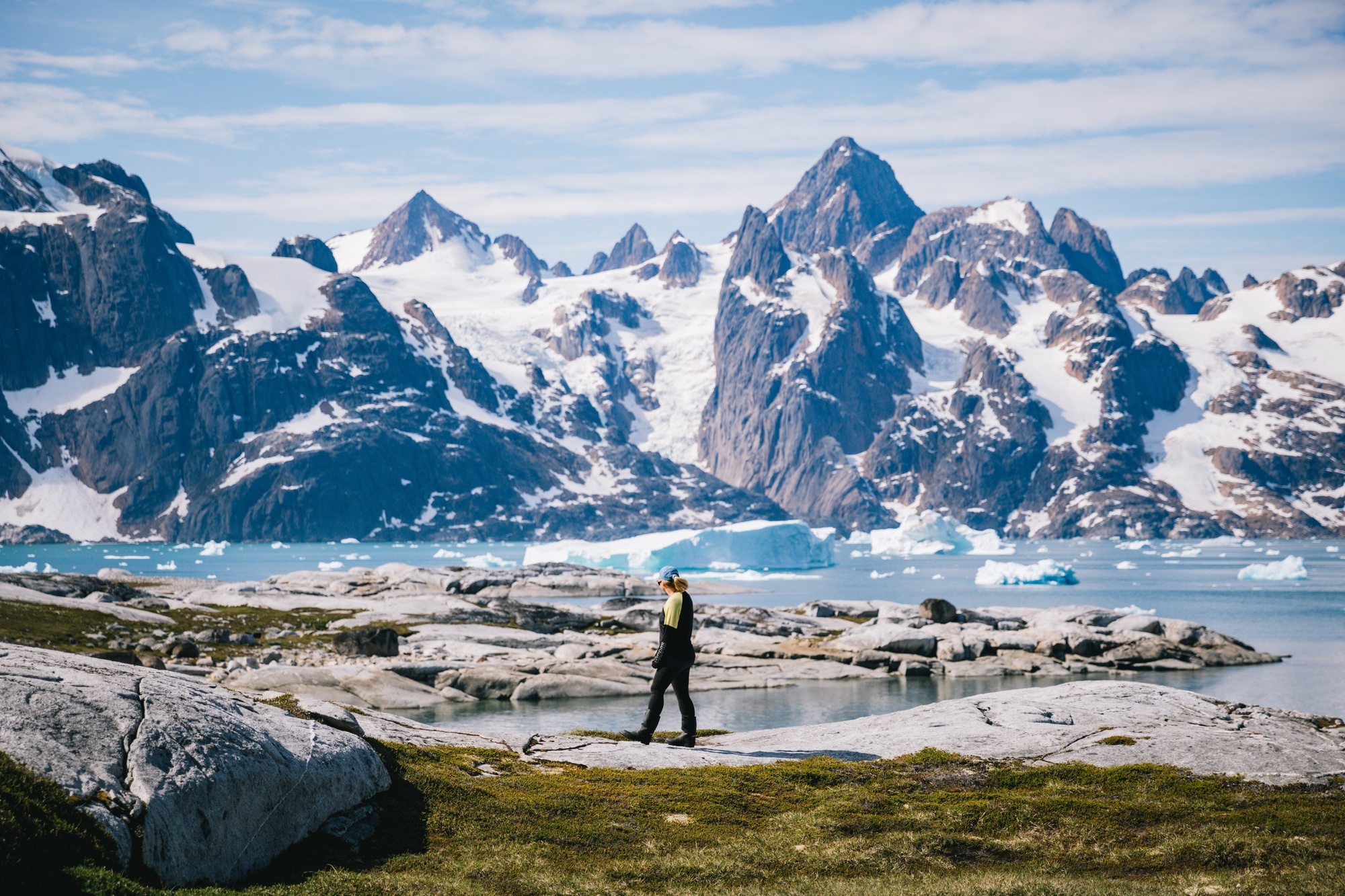
The Arctic region remains largely inaccessible for the majority of the calendar year due to severe sea ice encapsulation. Efficient commercial access is virtually restricted to a narrow summer weather window spanning from June through September. During this brief period, specialized ice-strengthened expedition vessels navigate fjords, archipelagos, and coastal settlements that would otherwise remain unreachable. Small-craft aviation, rigid-hull inflatable boats (Zodiacs), and seasonal snowmobiling serve as the primary modes of transit for navigating these remote territories.
Industry Evolution and the Shift Away from Traditional Influence
The transition of digital creators into formal expedition guides and curated travel consultants addresses a growing disillusionment within the travel influencer economy. Following global disruptions in the tourism sector, many long-term content creators have reported burnout resulting from continuous digital competition, shifting social media algorithms, and the demands of perpetual self-marketing.
Rather than relying solely on advertising revenue and sponsored digital campaigns, professionals with years of field experience are pivoting toward operational roles. By joining established expedition companies—such as Adventure Canada, a family-owned and operated polar travel operator founded by industry veterans—these guides integrate themselves into structured team environments that emphasize community, continuity, and specialized knowledge.
Operational Logistics and On-Board Experiences
Operating voyages in high-latitude environments requires rigorous logistical planning and adherence to strict environmental protocols set by governing bodies. Expedition vessels function as floating communities where passengers and crew live, work, and study alongside one another for weeks at a time. High rates of passenger and staff retention characterize the top tier of polar operators, with many expedition leaders and guests returning year after year.

Daily operations in the Arctic typically involve:
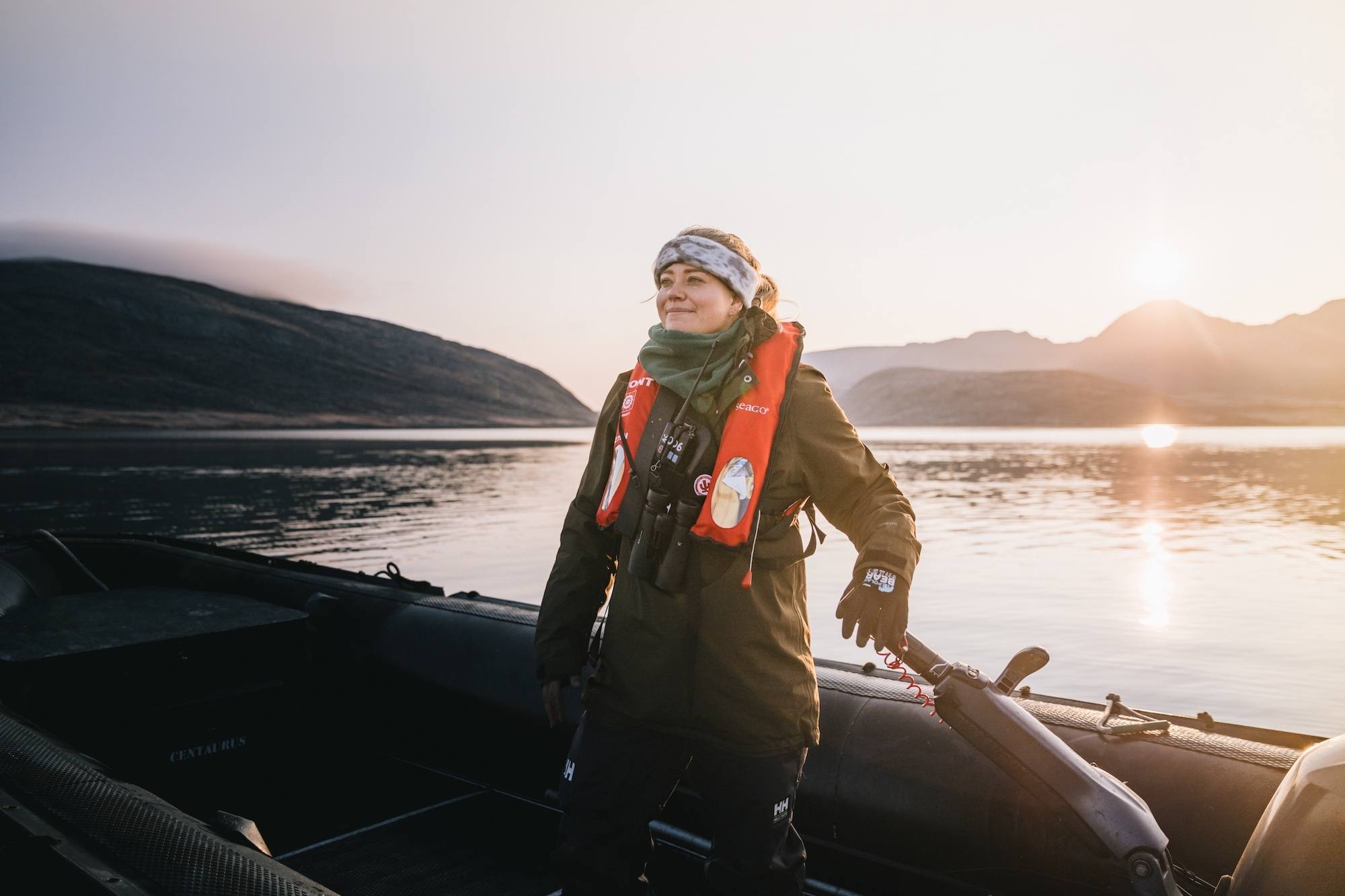
- Navigating Zodiac watercraft through dense drift ice and around icebergs.
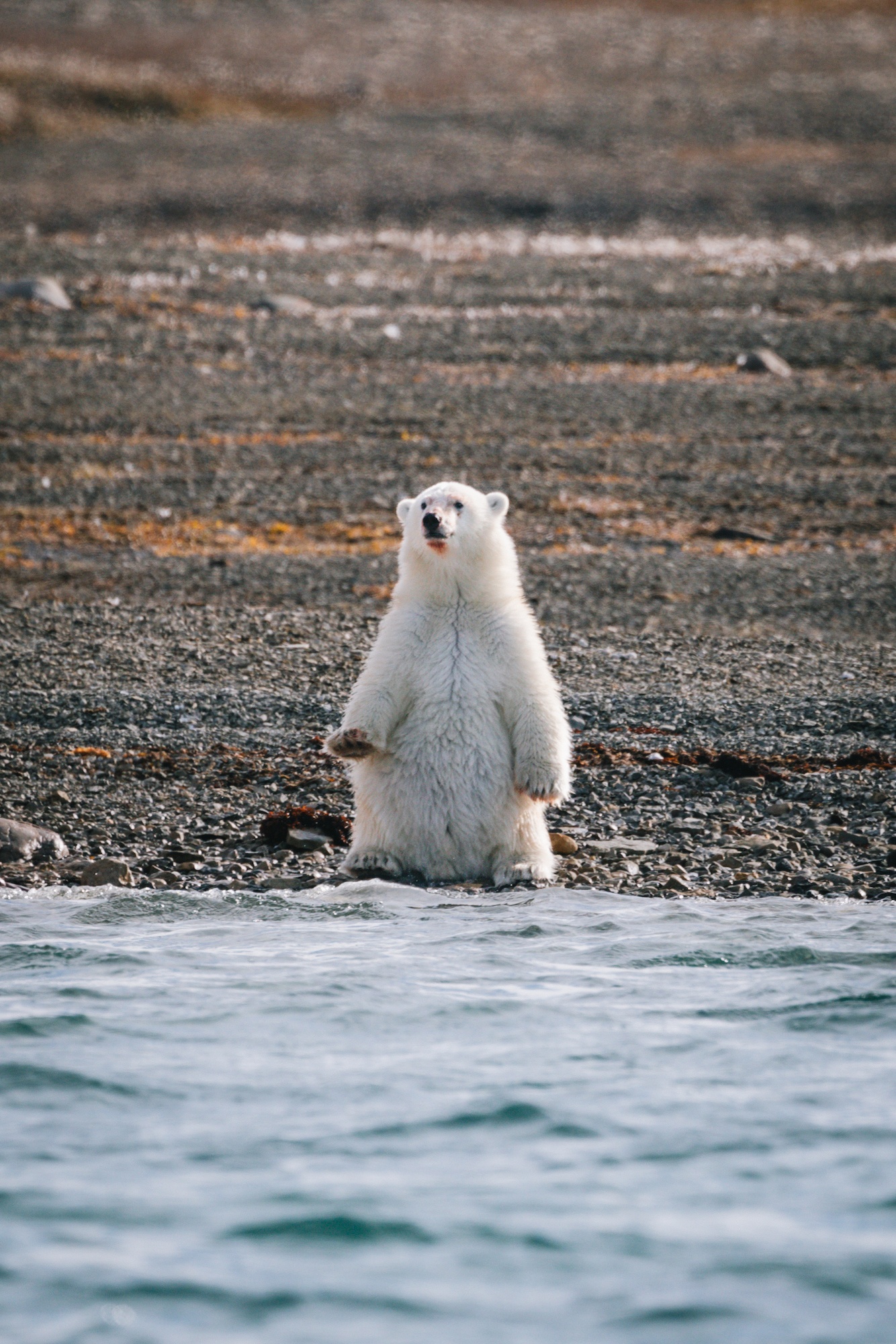
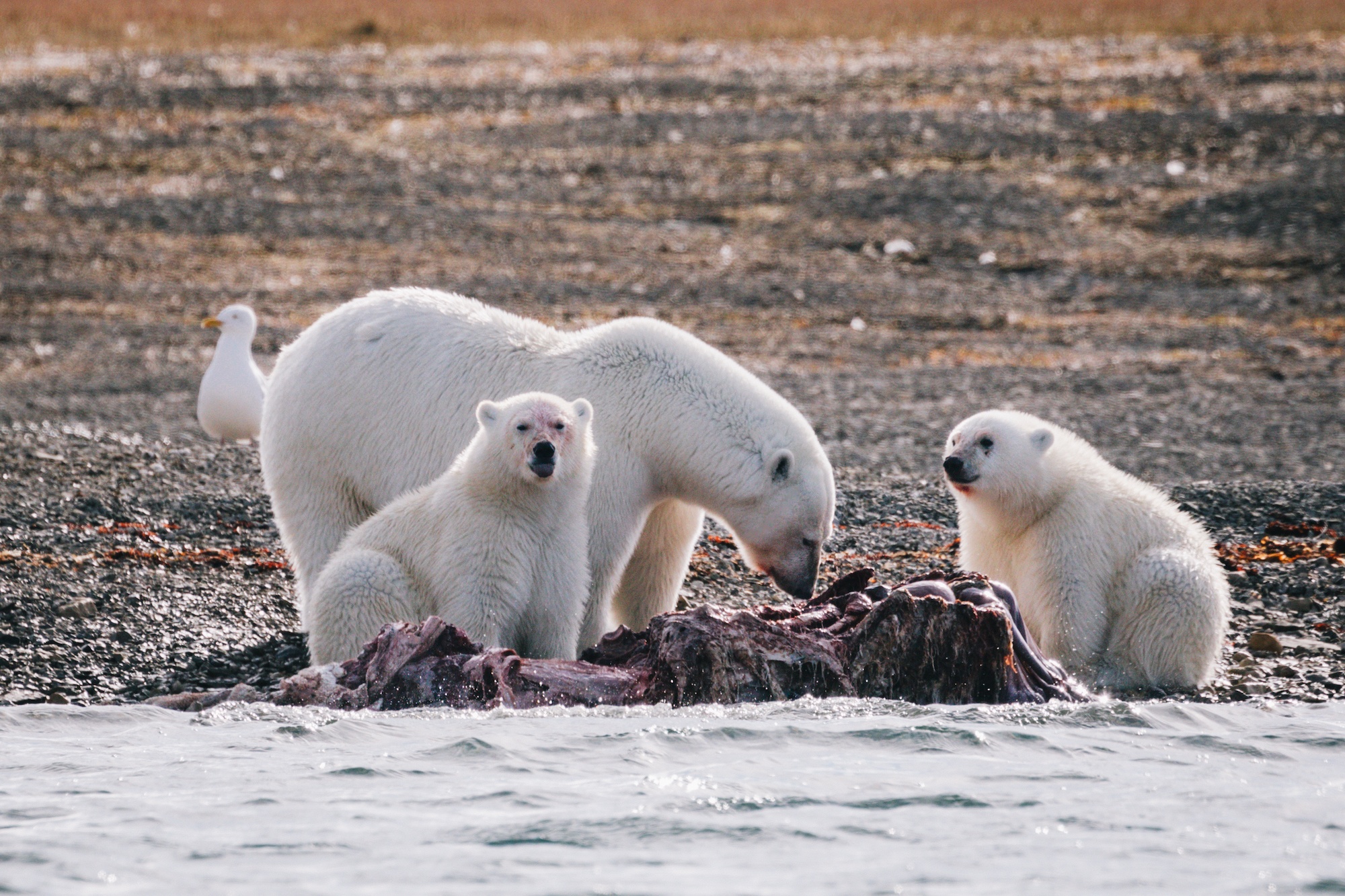
- Conducting bridge watches for marine wildlife, including bowhead whales, narwhals, and polar bears.
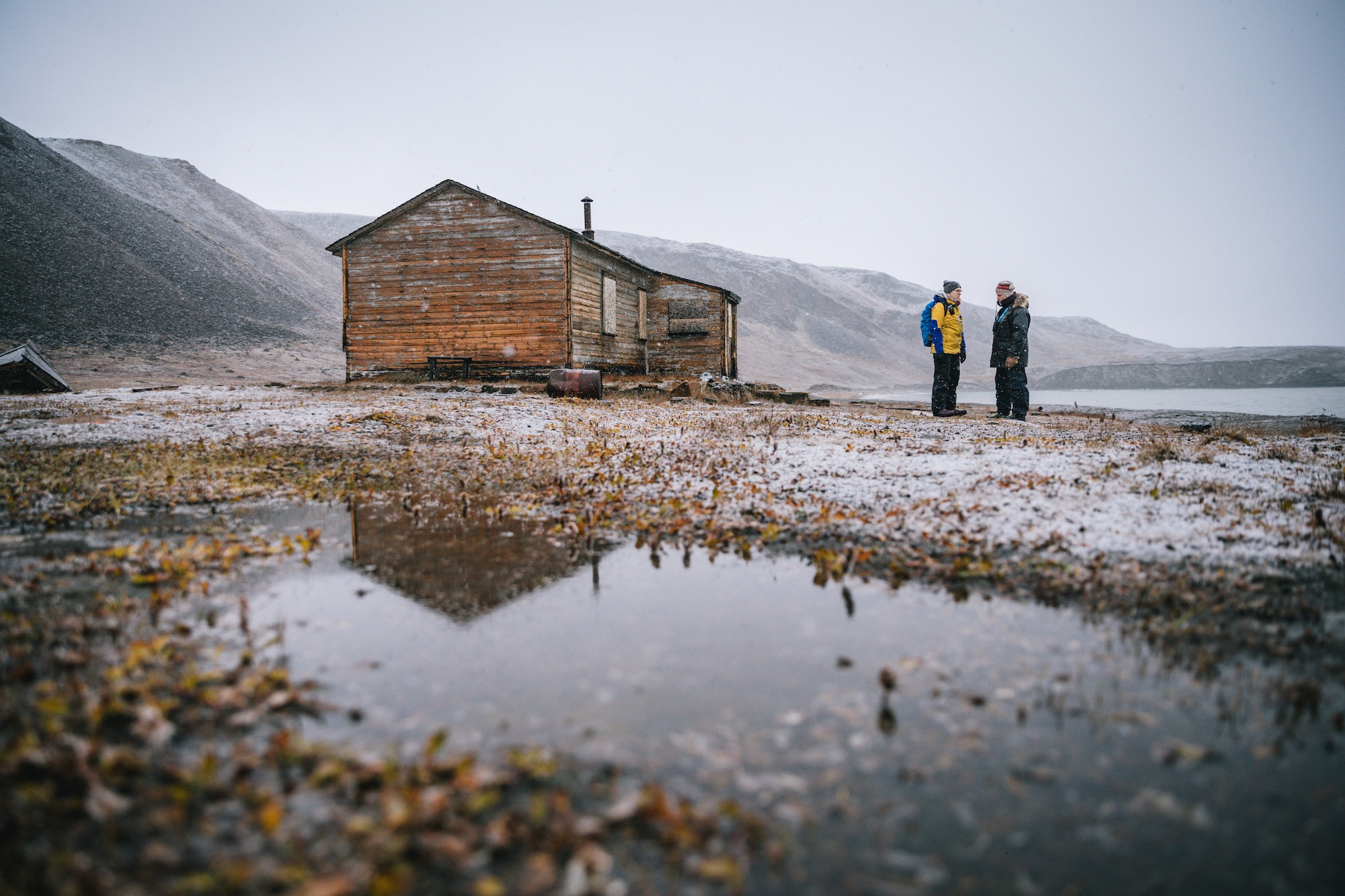
- Facilitating shore landings to historical sites, such as Beechey Island, associated with early Franklin expedition explorations.
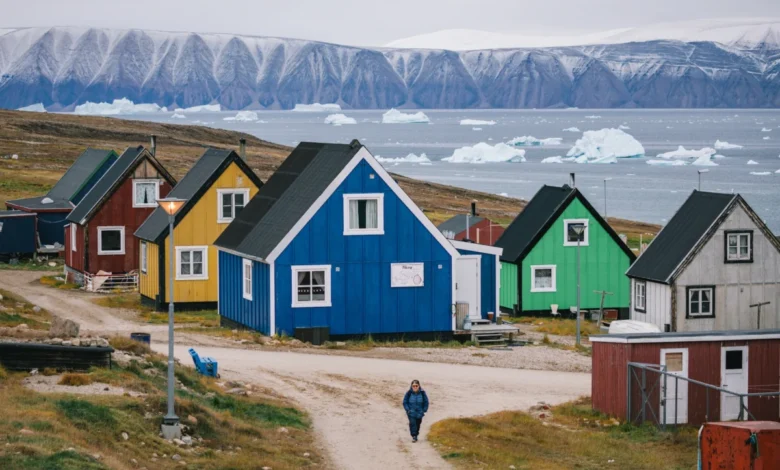
- Organizing community visits to northern settlements to engage with local Inuit culture and view traditional arts.
- Delivering scientific and historical lectures by resident marine biologists, historians, and cultural interpreters.
Economic Implications of Curated Booking Models
In response to changing consumer preferences, expedition guides and niche experts are increasingly adopting a consultant-broker hybrid model. By partnering directly with tour operators, these specialists act as referral agents who earn commissions on booked voyages while providing personalized itinerary planning based on firsthand experience.
This model offers several structural advantages for consumers:
- Tailored Guidance: Prospective travelers receive objective advice from individuals who have spent cumulative months or years in the specific geographical region.
- Direct Access: Clients gain insights into vessel layouts, cabin selection, optimal travel windows, and physical fitness requirements.
- Continuity: Travelers often have the opportunity to travel directly with the consultant, bridging the gap between pre-trip planning and on-site execution.
From an economic perspective, this peer-recommended booking framework reduces marketing acquisition costs for operators while providing specialized creators with a sustainable revenue stream rooted in physical, real-world engagement rather than digital impressions.
Environmental Stewardship and the Future of the High North
As anthropogenic climate change continues to impact high-latitude ecosystems at rates significantly higher than the global average, the role of polar travelers is undergoing intense scrutiny. Diminishing multi-year sea ice and receding glaciers present profound ecological challenges, altering habitats for apex predators like polar bears and disrupting traditional indigenous subsistence activities.
Industry stakeholders emphasize that tourism, when managed responsibly, plays a critical role in conservation. Proponents argue that travelers who witness the raw majesty and vulnerability of the polar regions firsthand return as lifelong ambassadors for environmental protection and climate action. Organizations such as AECO enforce strict guidelines regarding wildlife viewing distances, waste management, and community consent to ensure that the footprint of expedition vessels remains minimal.
The integration of experienced guides into the commercial booking and expedition leadership pipeline ensures that incoming visitors are thoroughly educated on safety, cultural respect, and ecological sensitivity. As the demand for high-latitude exploration continues to rise, the fusion of expert-led guiding with personalized travel curation represents a maturation of the polar tourism market—prioritizing depth of experience, ecological awareness, and sustainable industry practices over mass-market volume.