The modern hospitality industry has increasingly prioritized the development of sophisticated indoor aquatic facilities, transforming traditional hotel swimming pools from mere amenities into primary travel destinations. As climate patterns shift and travelers seek reliable leisure options regardless of external weather conditions, high-end properties have invested heavily in architectural marvels that provide controlled, luxury aquatic environments. These facilities, ranging from climate-controlled solariums to expansive indoor water parks, represent a significant evolution in guest experience design, merging wellness, recreation, and aesthetic innovation.
Historical Context and Industry Evolution
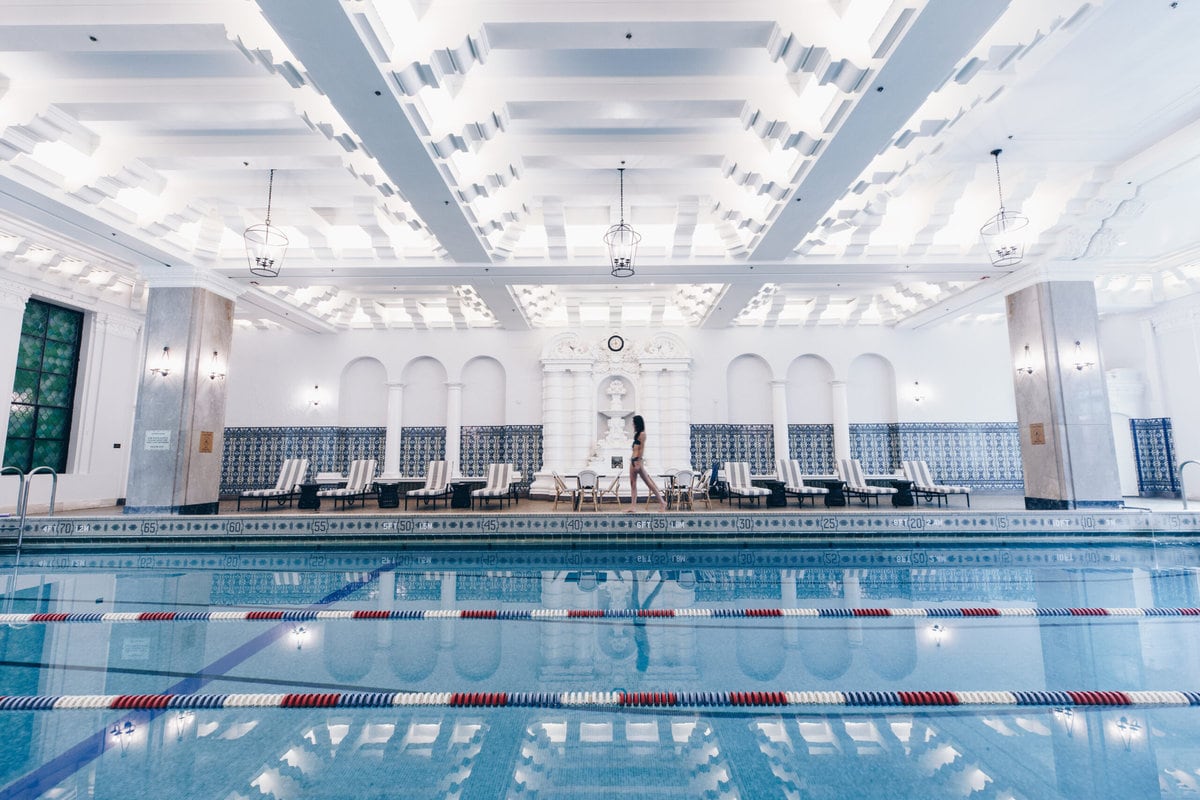
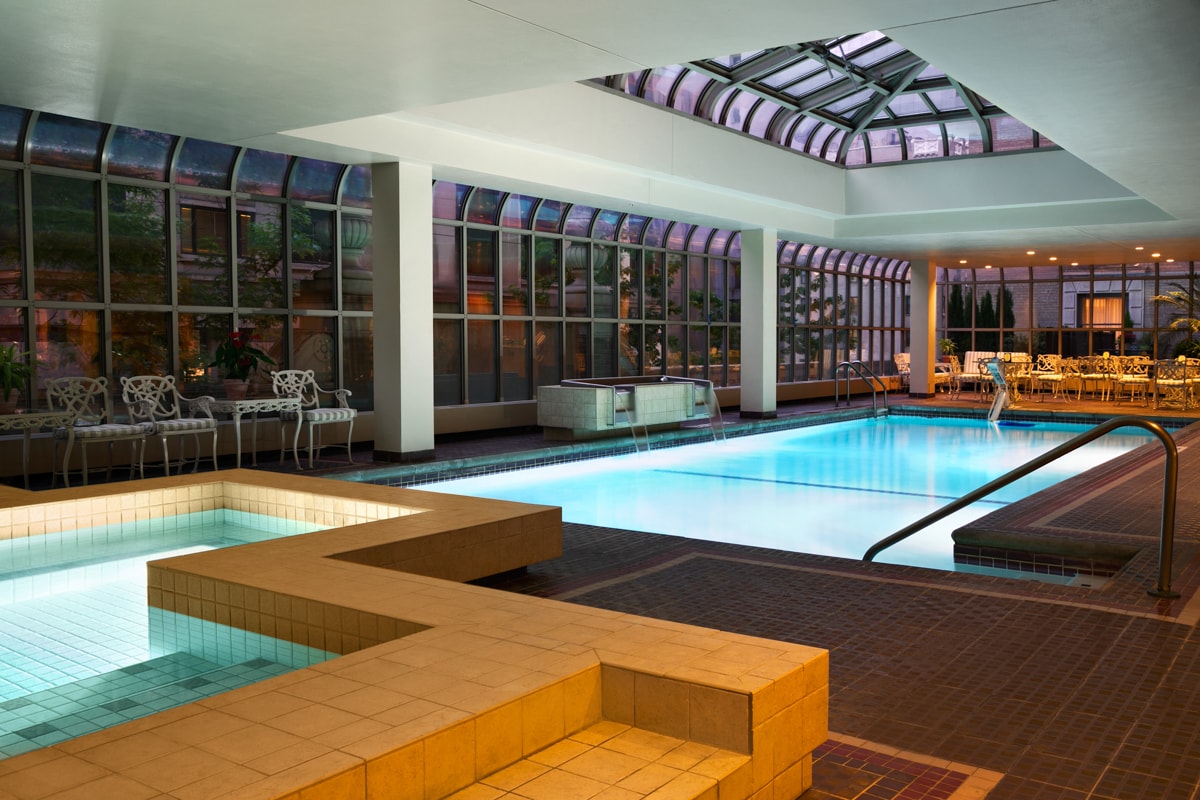
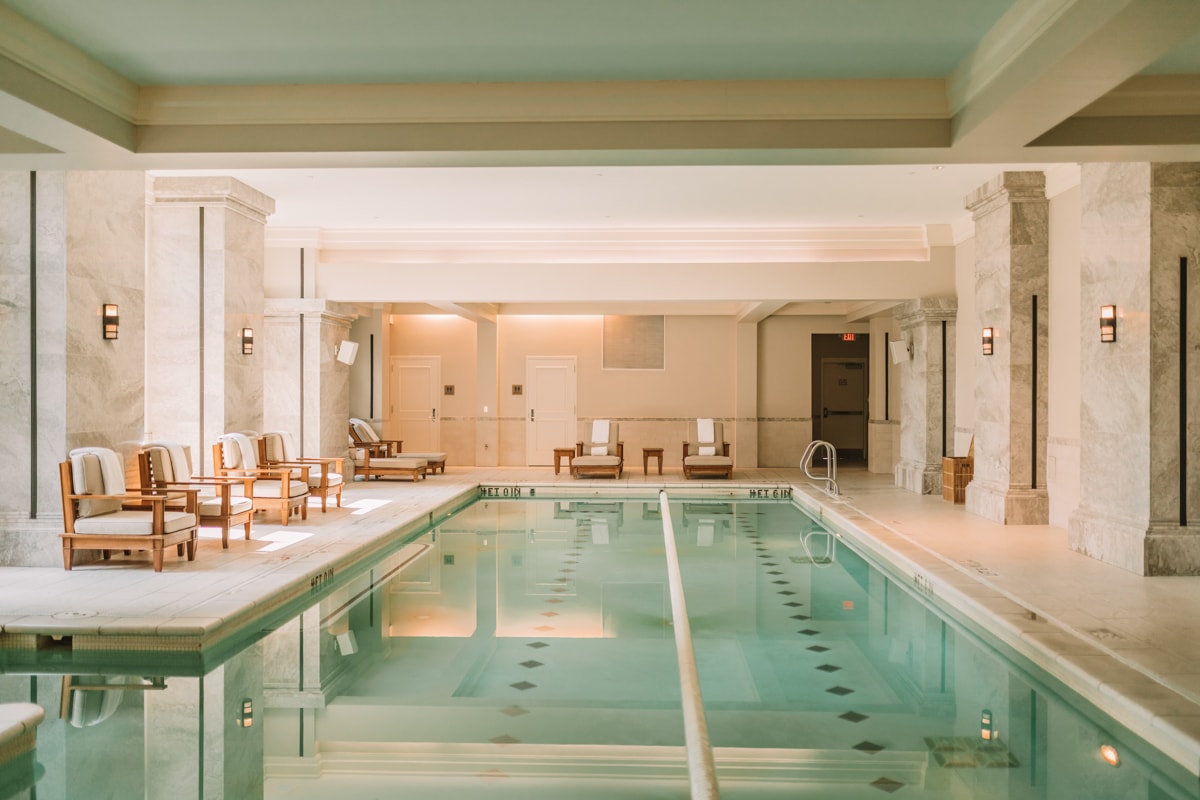
The concept of the indoor hotel pool has evolved significantly over the last century. In the early 20th century, such facilities were often status symbols for urban athletic clubs or grand hotels, designed with ornate materials like marble and terracotta. The InterContinental Chicago Magnificent Mile, for instance, preserves the legacy of the 1929 Medinah Athletic Club, featuring a junior Olympic pool adorned with original Spanish Majolica tiles and a terracotta fountain of Neptune.
In recent decades, the industry has shifted toward "destination aquatic centers." This shift was accelerated by the rise of the indoor water park movement in the mid-1990s, pioneered by properties like the original Great Wolf Lodge in Wisconsin Dells. By utilizing advanced engineering, such as German Foiltec roofing—which allows for near-total light transmission while maintaining thermal regulation—hotels can now simulate tropical environments in temperate or sub-arctic climates.
Architectural and Technological Innovations
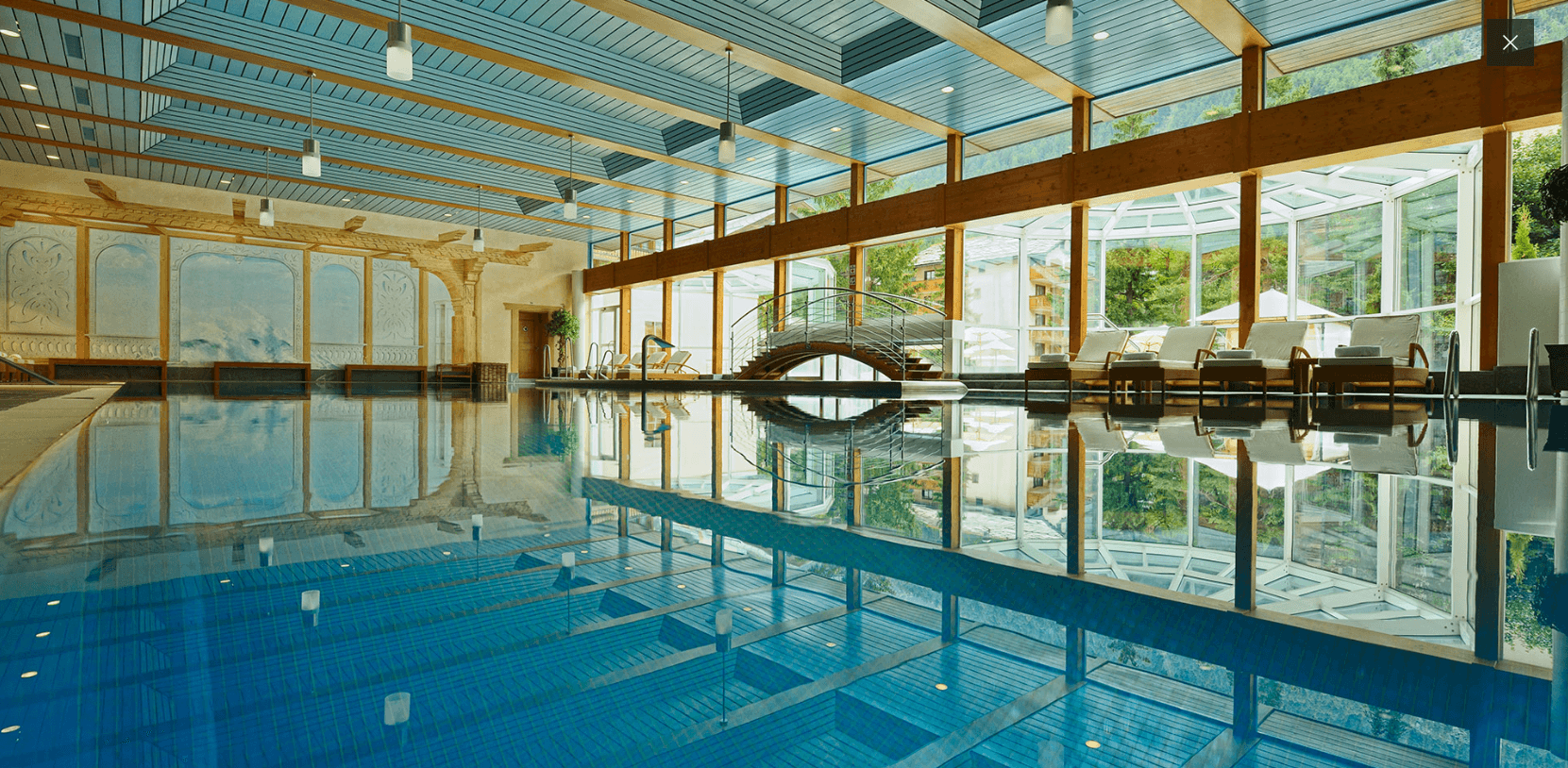
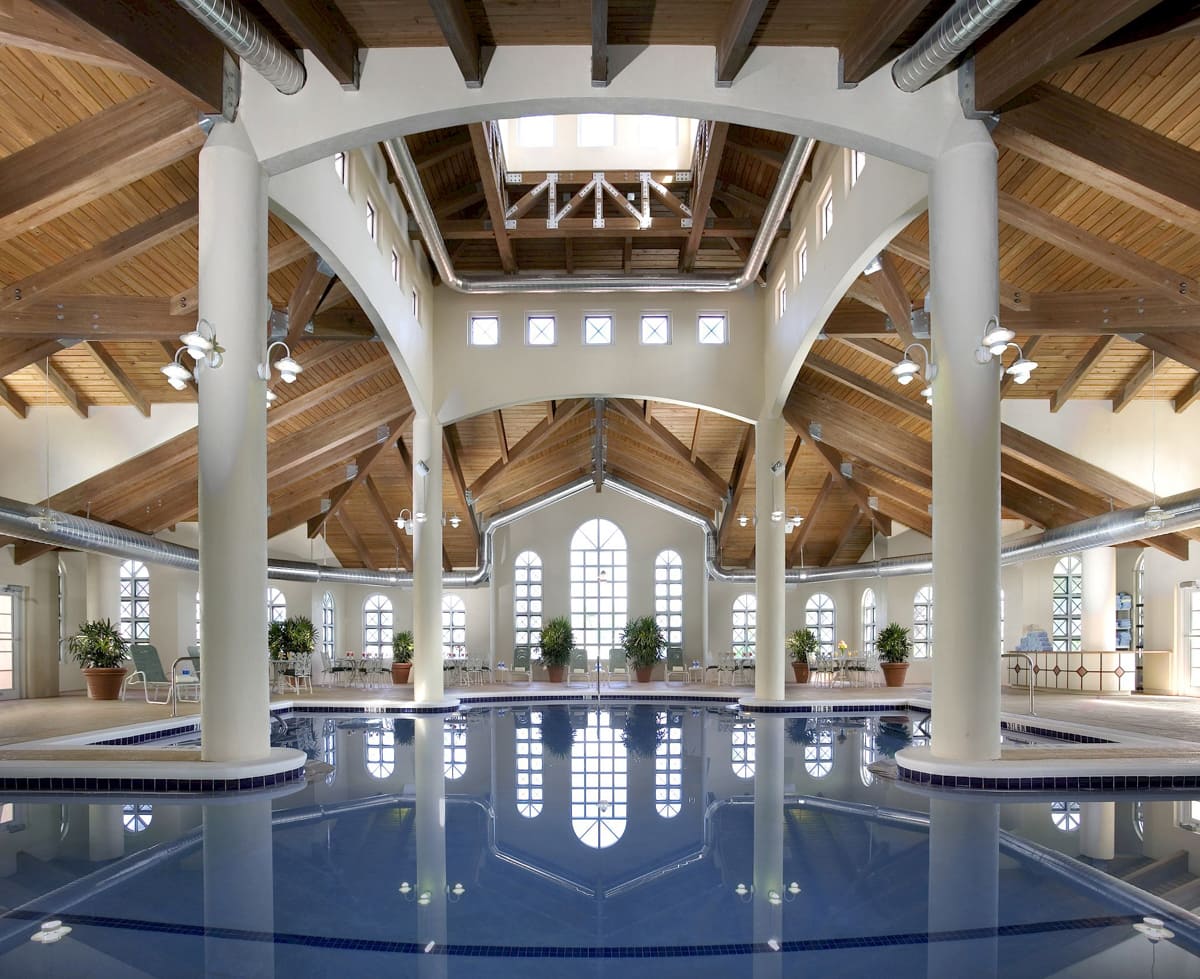
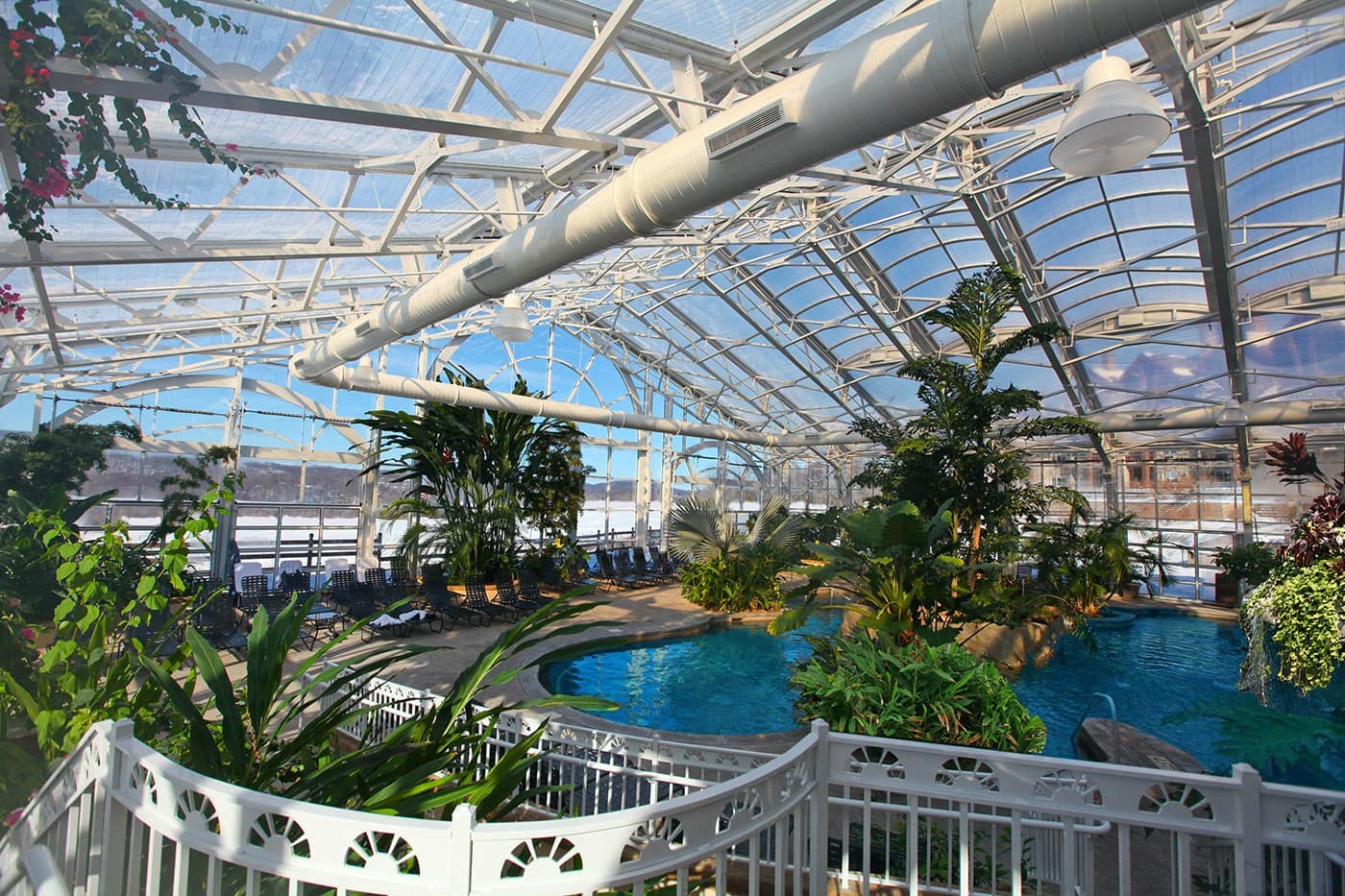
Contemporary indoor pool design focuses on three primary pillars: light, atmosphere, and environmental control. The Tropical Biosphere Pool at the Grand Cascades Lodge in New Jersey serves as a prime example of this technological advancement. By utilizing specialized translucent roofing materials, the lodge provides a year-round sunny environment despite its location in the Northeast.
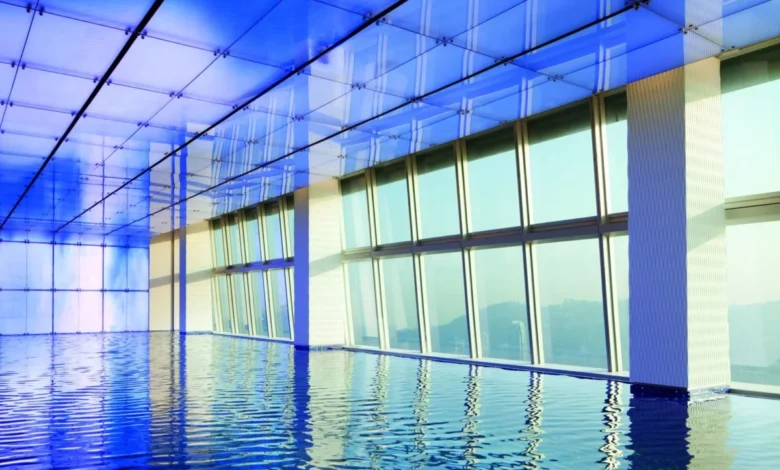
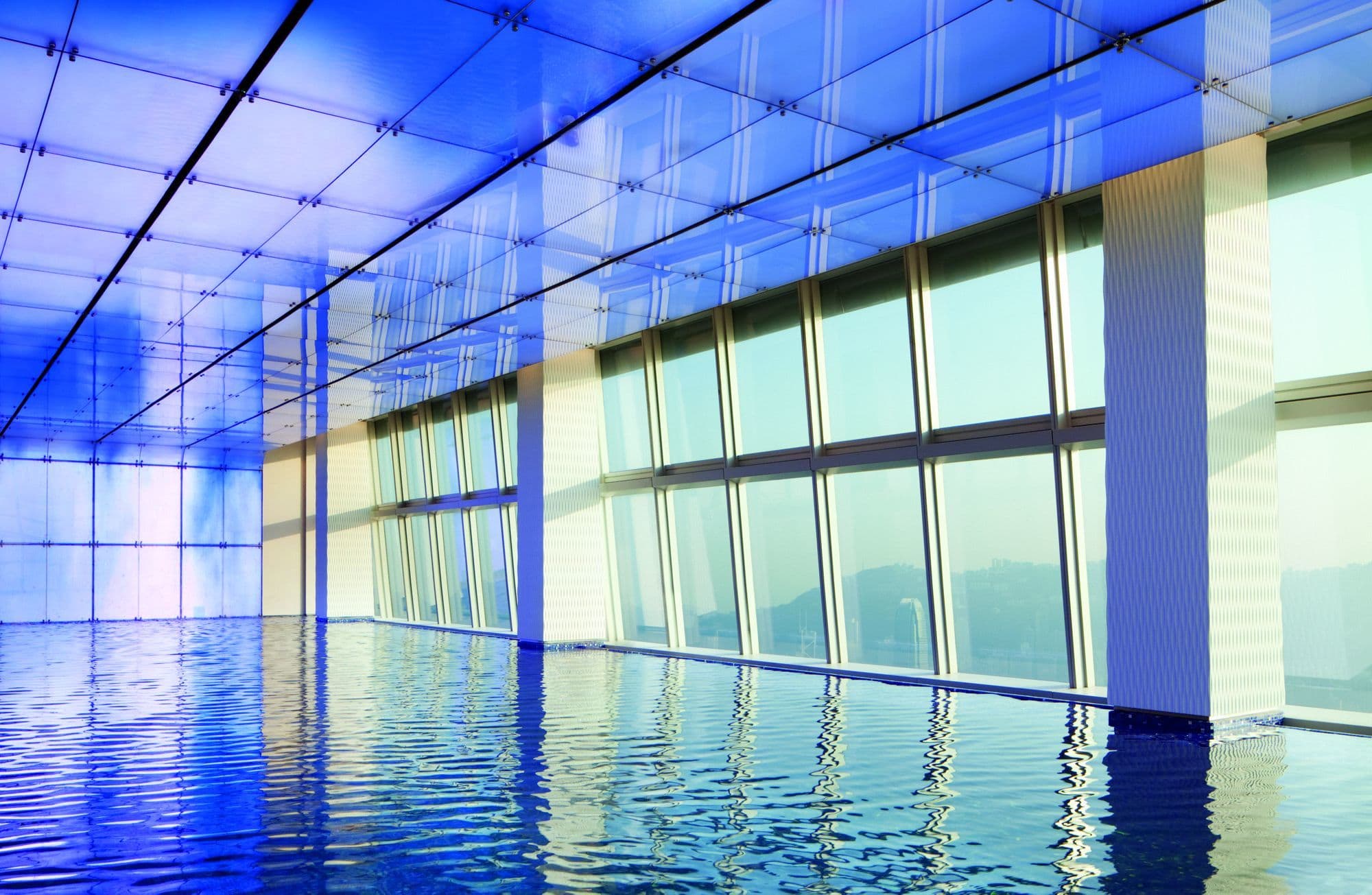
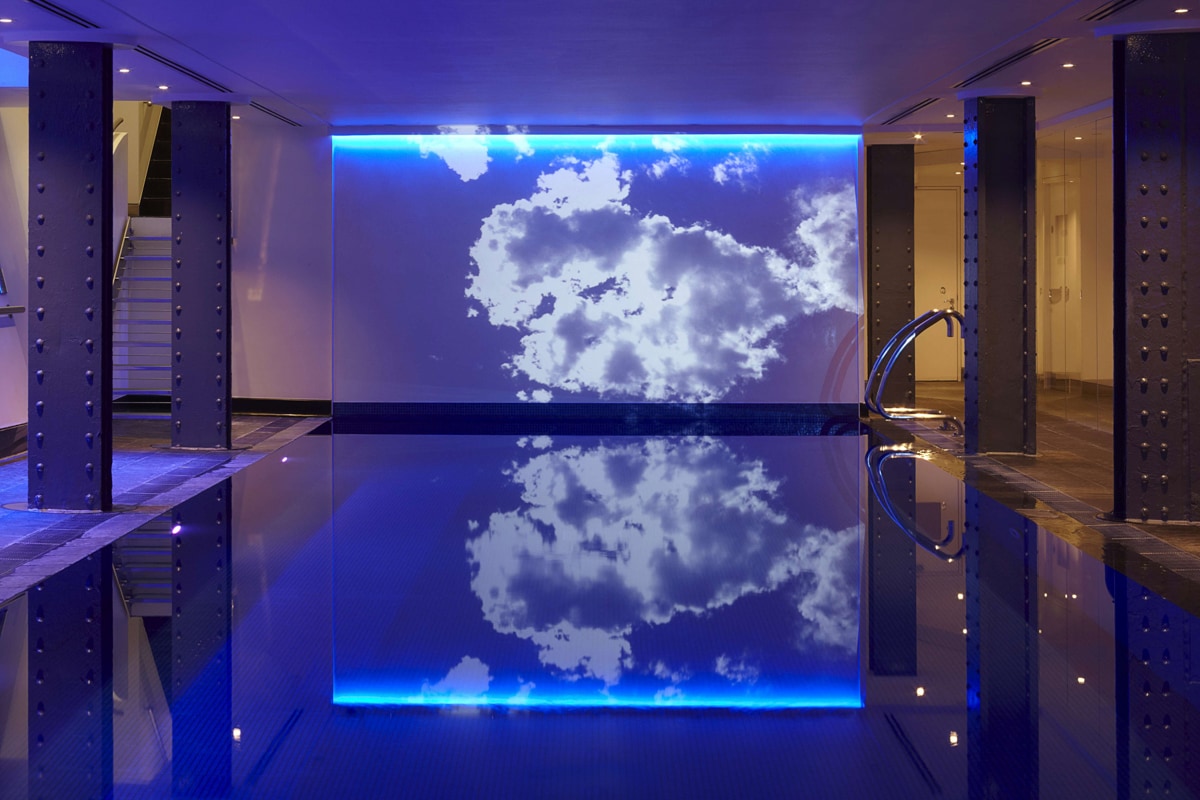
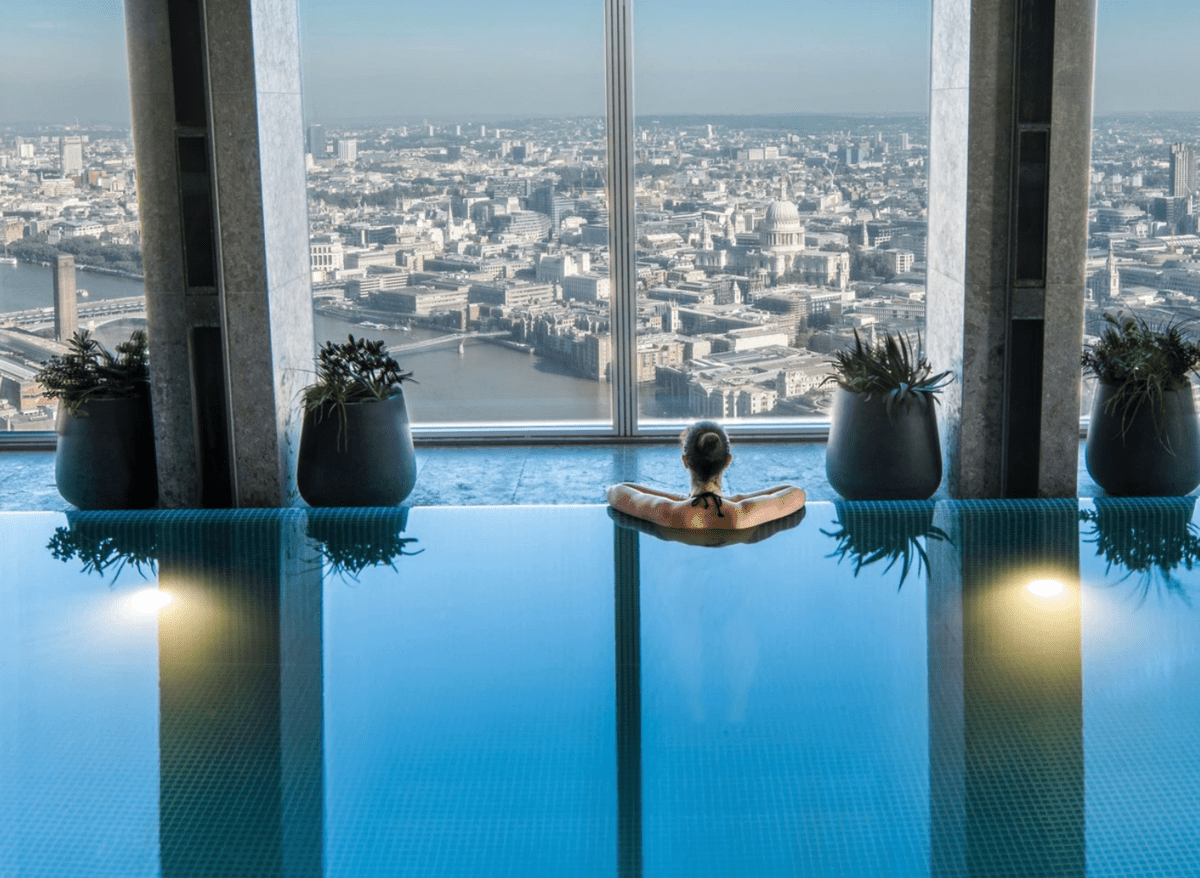
Furthermore, high-end urban hotels are increasingly utilizing vertical space to enhance the swimming experience. The Ritz-Carlton Hong Kong, located on the 118th floor, utilizes infinity-edge technology and high-definition projections to create a multisensory environment. This integration of digital media—such as the swaying palm tree displays and cloud projections at the Ritz-Carlton—represents a new frontier in hotel interior design, where the environment is curated to maximize psychological relaxation.
Top-Tier Global Indoor Pool Destinations
-
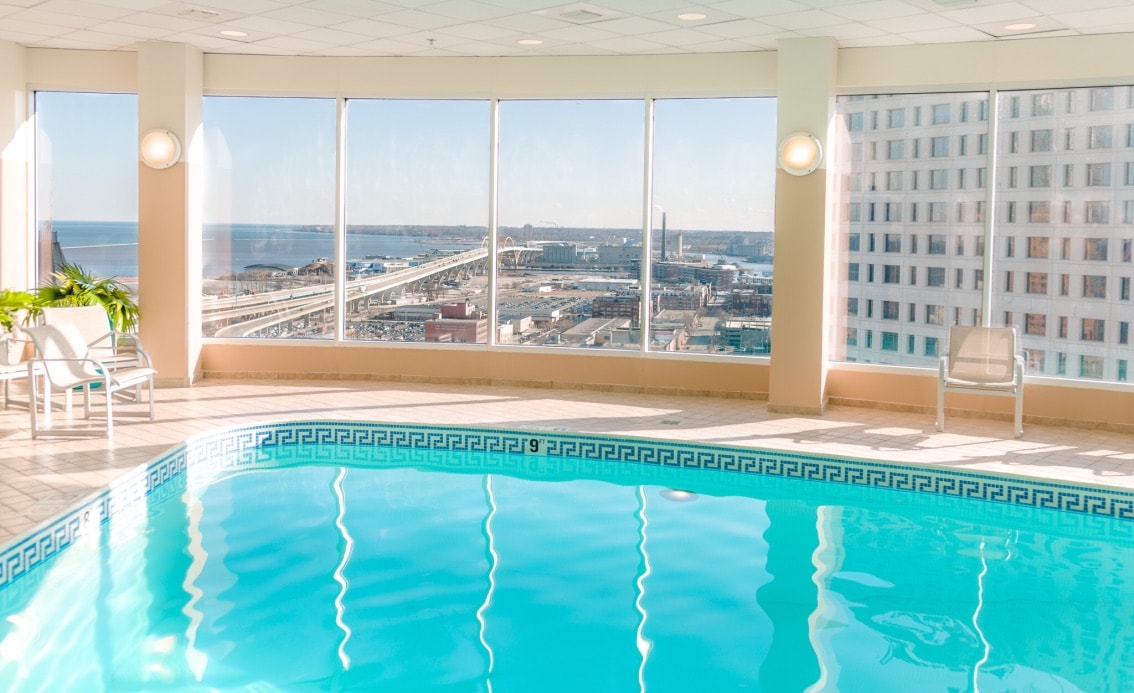
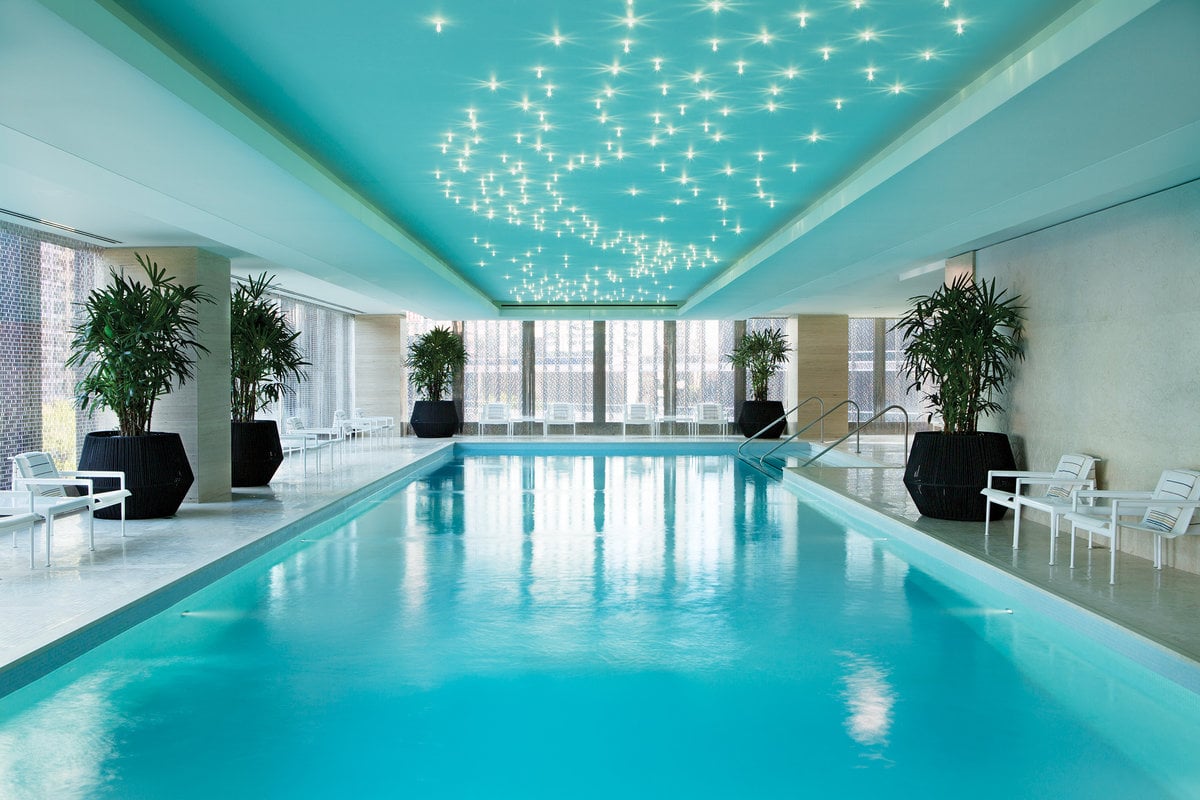
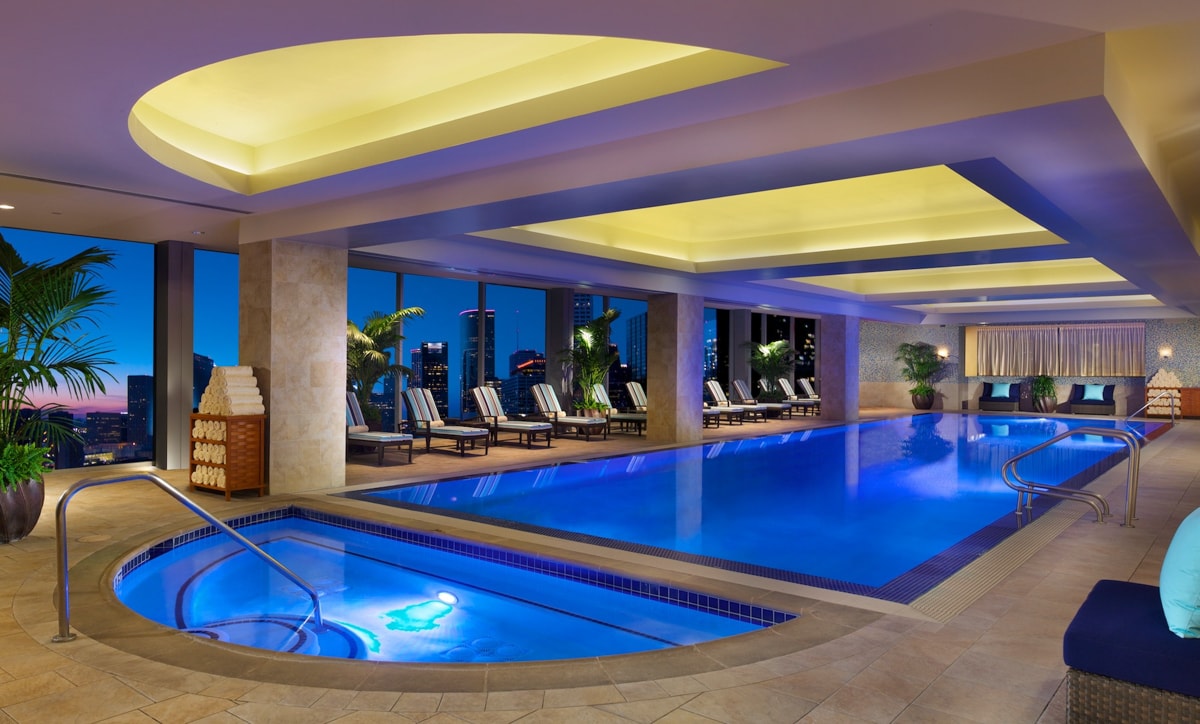
The Peninsula Chicago (Chicago, Illinois): Notable for its half-Olympic-sized pool, this facility utilizes 20-foot floor-to-ceiling windows to provide panoramic views of the city and Lake Michigan. Its design prioritizes natural light, making it a benchmark for urban luxury hotels.
-
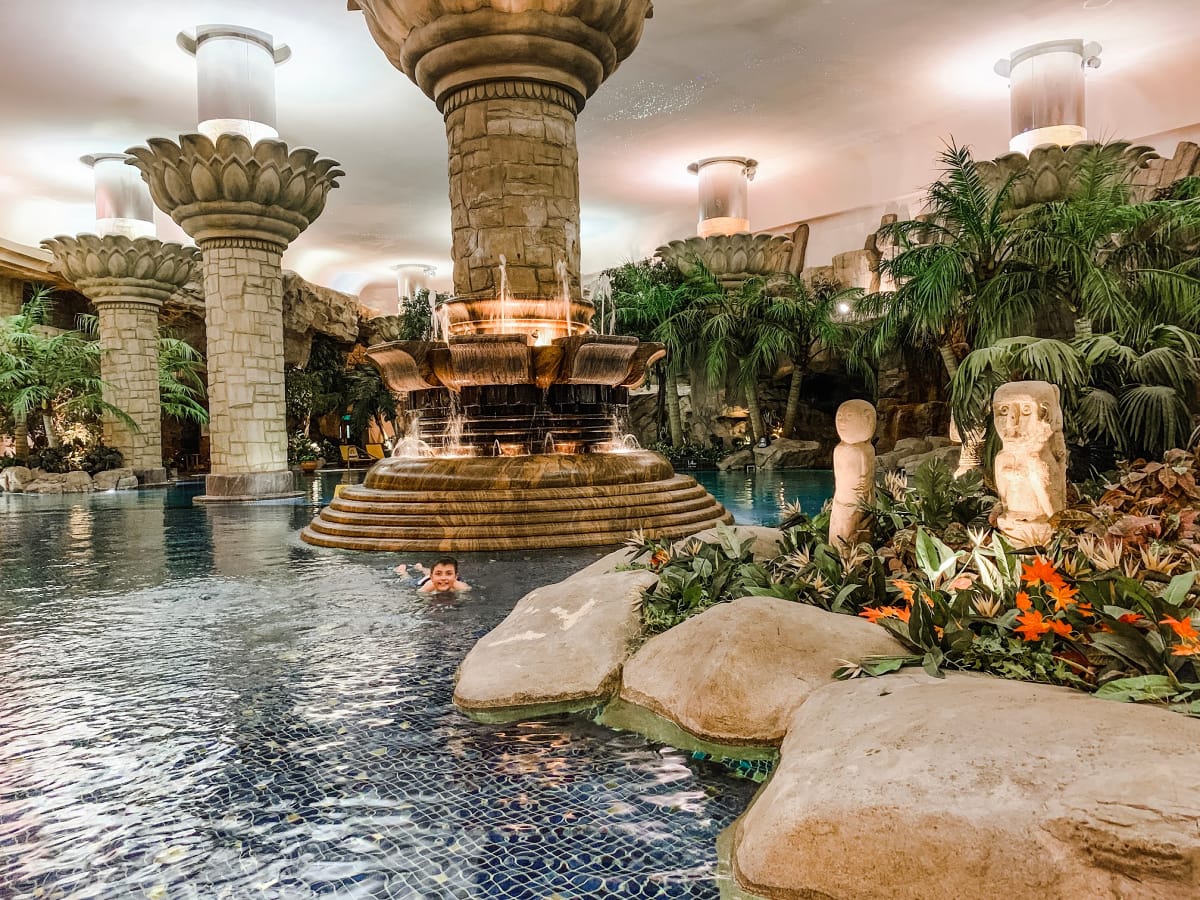
Grand Hyatt Beijing (Beijing, China): The Club Oasis at this property features a subterranean tropical theme. With underwater music, lush vegetation, and specialized lighting, it is designed to isolate the guest from the bustle of the city, effectively creating an artificial micro-climate.

-
Ritz-Carlton Hong Kong (Hong Kong, China): Situated at a record-breaking elevation, this pool emphasizes the intersection of architecture and skyline views. It remains one of the most technically complex indoor aquatic installations globally.
-
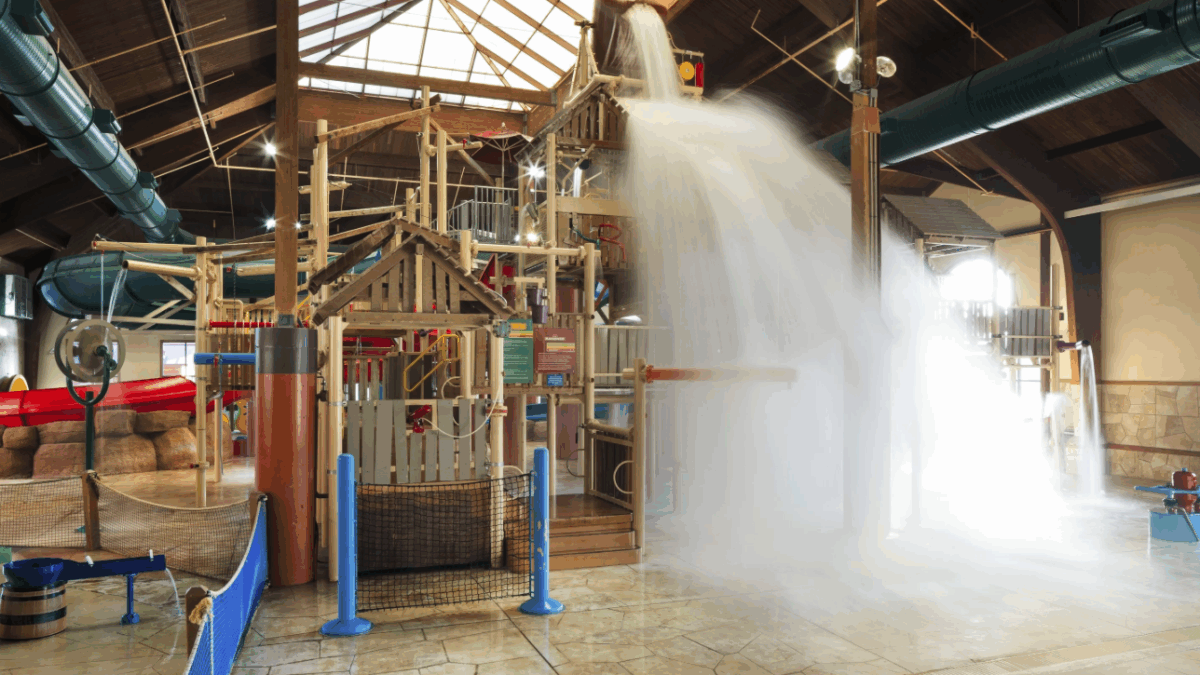
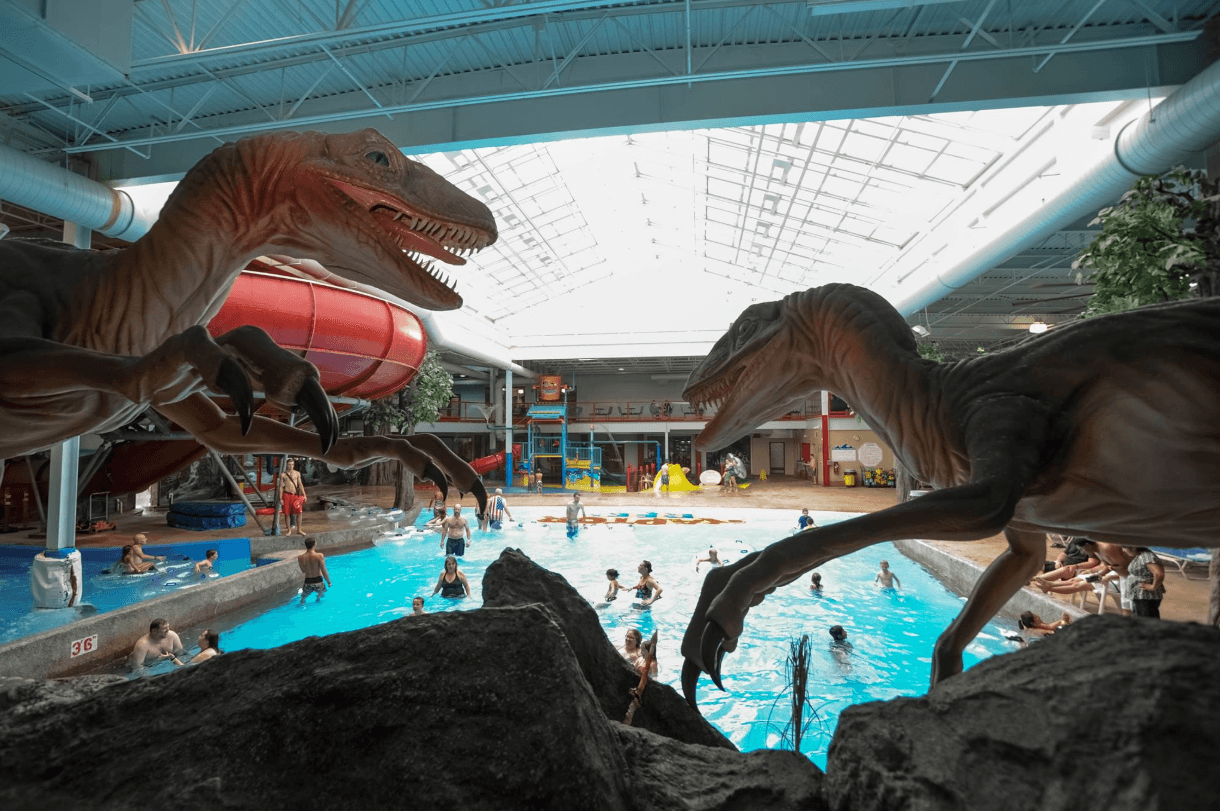
Great Wolf Lodge (Wisconsin Dells, Wisconsin): As the foundational model for the indoor water park industry, this property demonstrates the shift toward family-centric, high-volume recreational facilities. It includes massive wave pools and complex slide systems designed for year-round high-occupancy use.
-
Hammock Beach Golf Resort & Spa (Palm Coast, Florida): By providing an indoor alternative to its massive outdoor fantasy pool complex, this property addresses the demand for "weather-proofing" vacations in regions prone to sudden tropical rain.
-
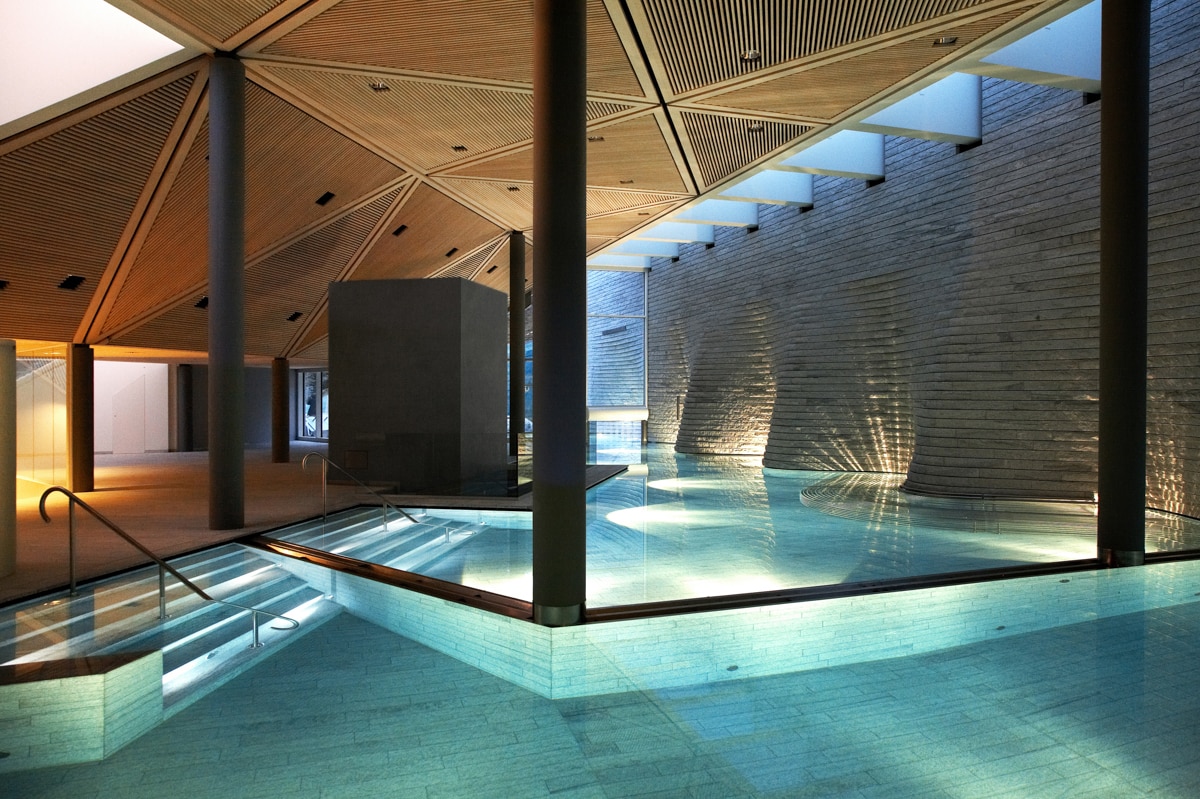
Hotel Mont Cervin Palace (Zermatt, Switzerland): This property highlights the trend of indoor-outdoor hybrid pools, allowing guests to swim in a warm, light-filled environment while observing alpine weather patterns, including snowstorms, from a protected vantage point.
-
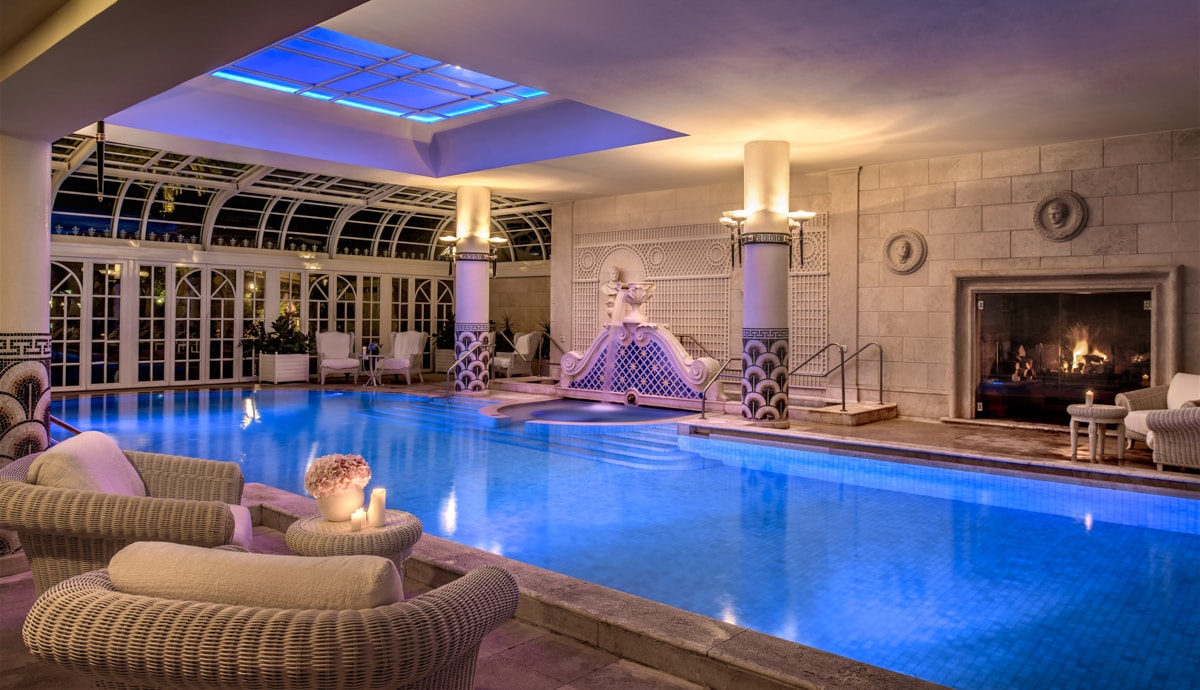
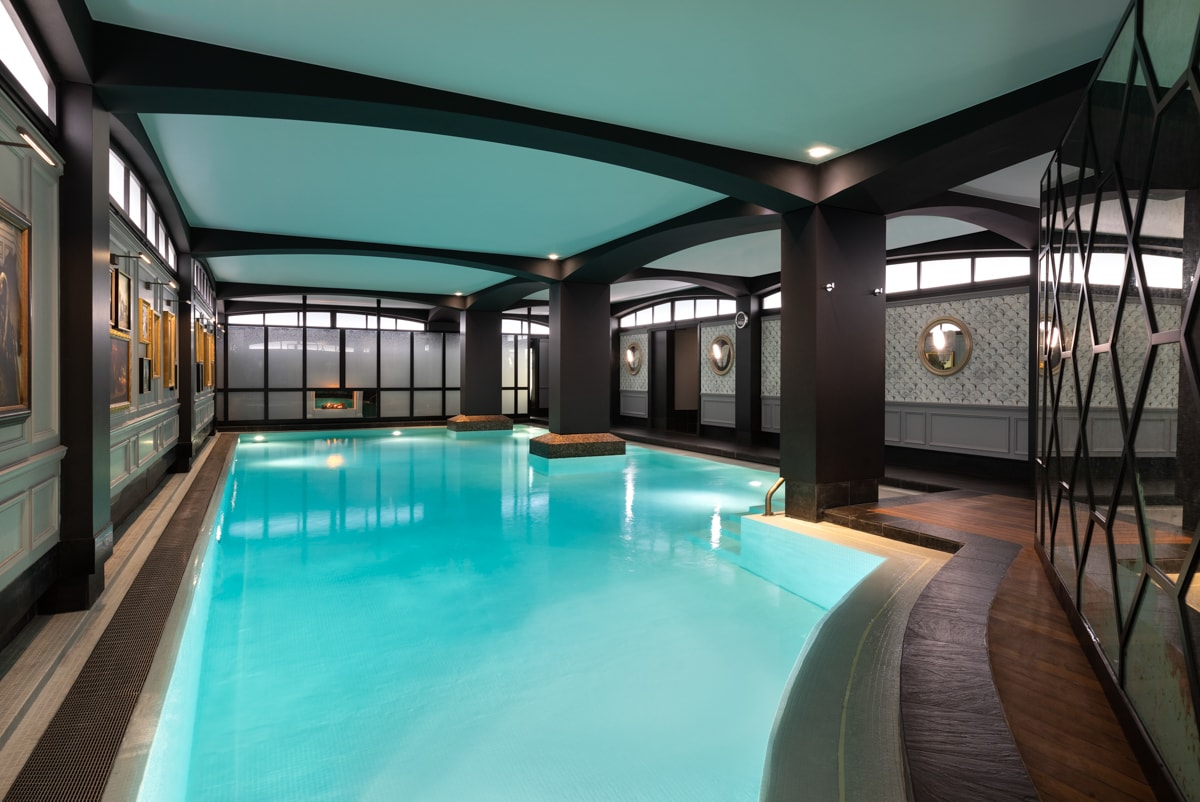
Rome Cavalieri (Rome, Italy): This property exemplifies the "spa-pool" hybrid, where the aquatic facility is integrated into a larger wellness circuit. Features such as poolside wood-burning fireplaces and Japanese stone walks cater to the wellness-oriented traveler.
-
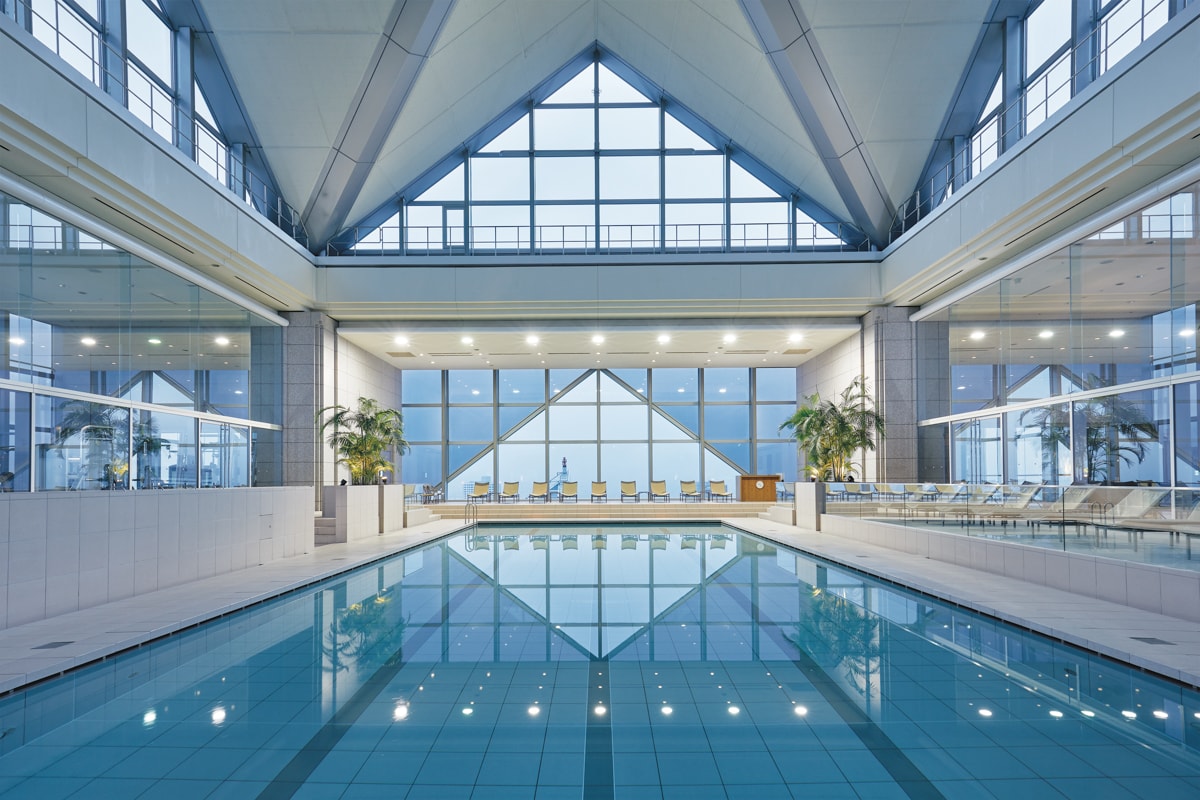
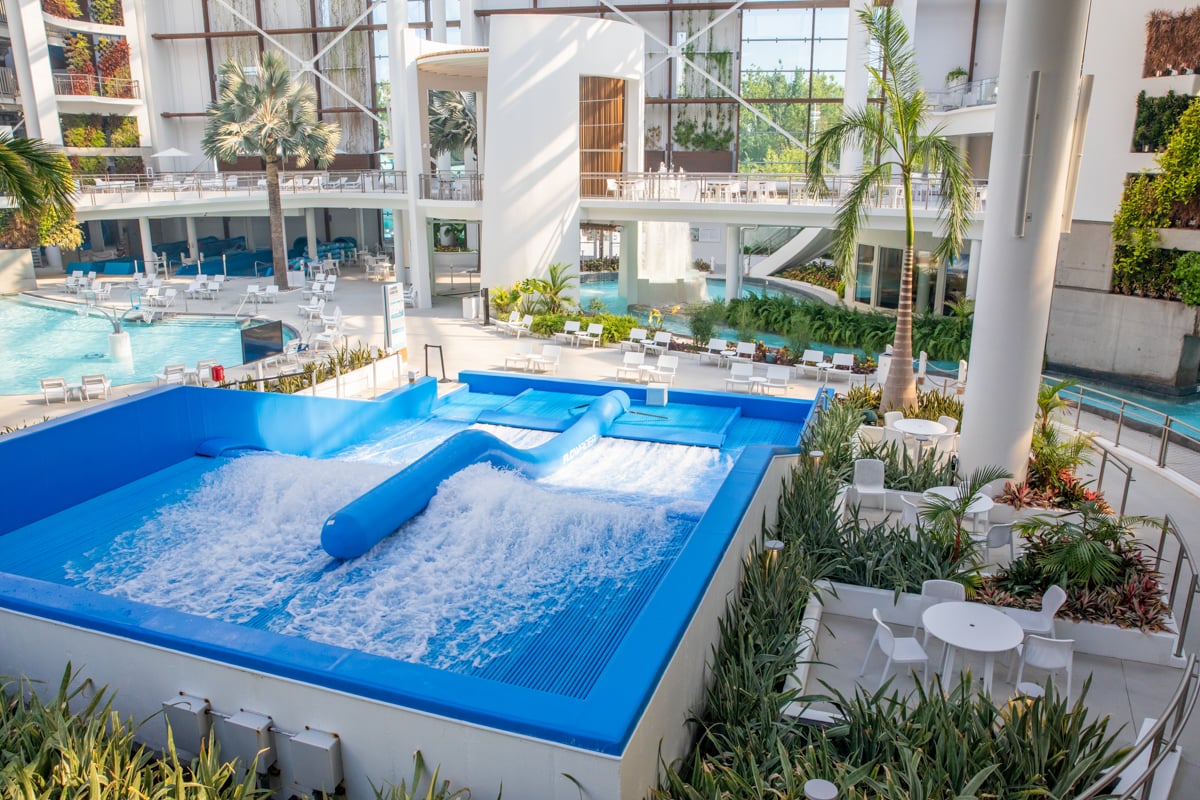
Park Hyatt Tokyo (Tokyo, Japan): Famous for its appearance in cinematic history, this pool demonstrates how iconic design can contribute to a hotel’s brand equity. Its location on the 47th floor remains a testament to the luxury hotel trend of "sky-high" wellness centers.
-
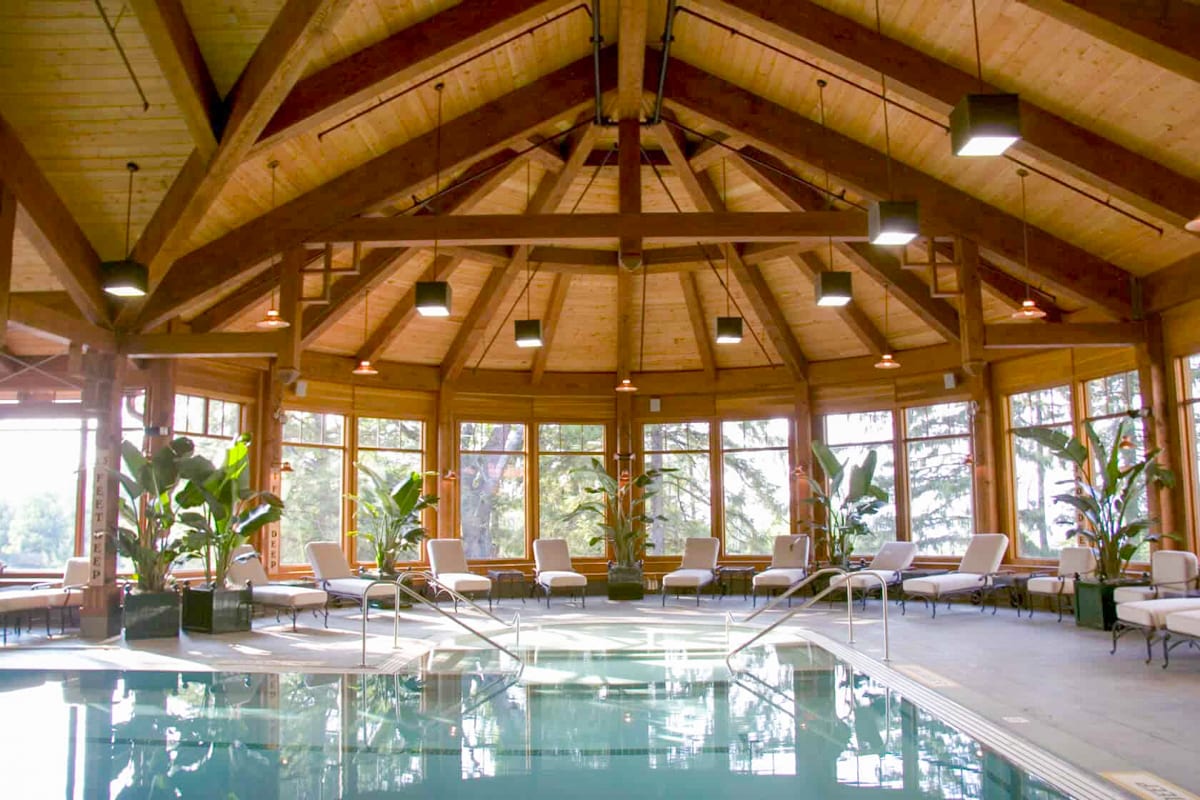
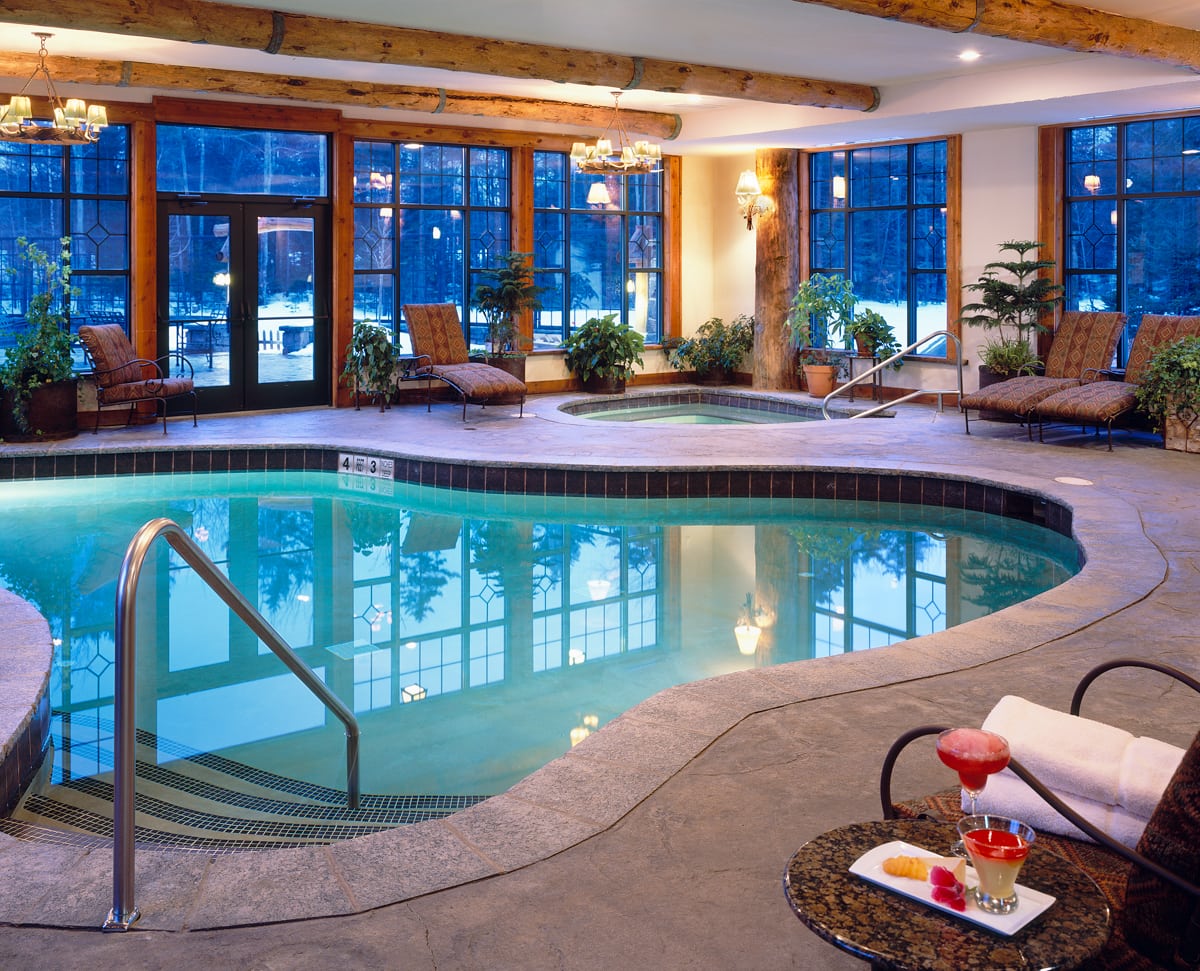
Mohonk Mountain House (Hudson Valley, New York): This facility merges historical preservation with modern aquatic luxury. Suspended above a vast forest preserve, the pool offers a unique visual experience that reinforces the resort’s connection to its natural environment.

-
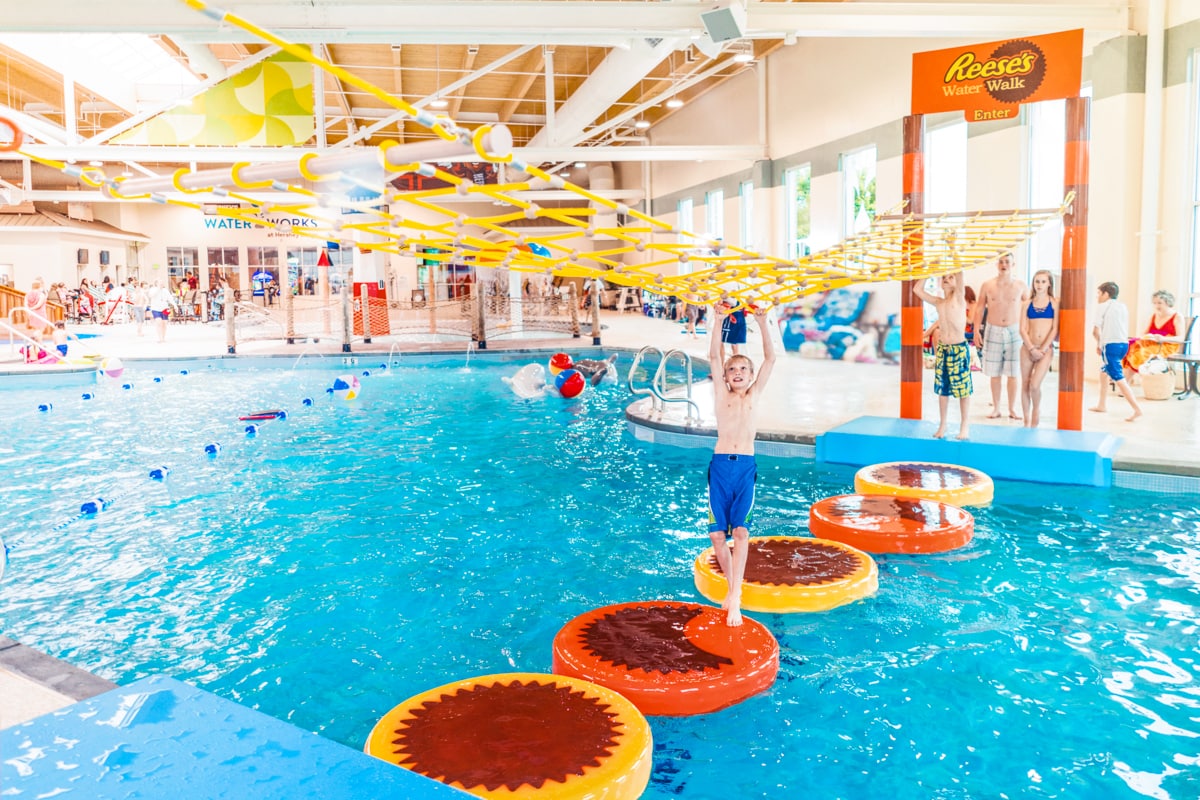
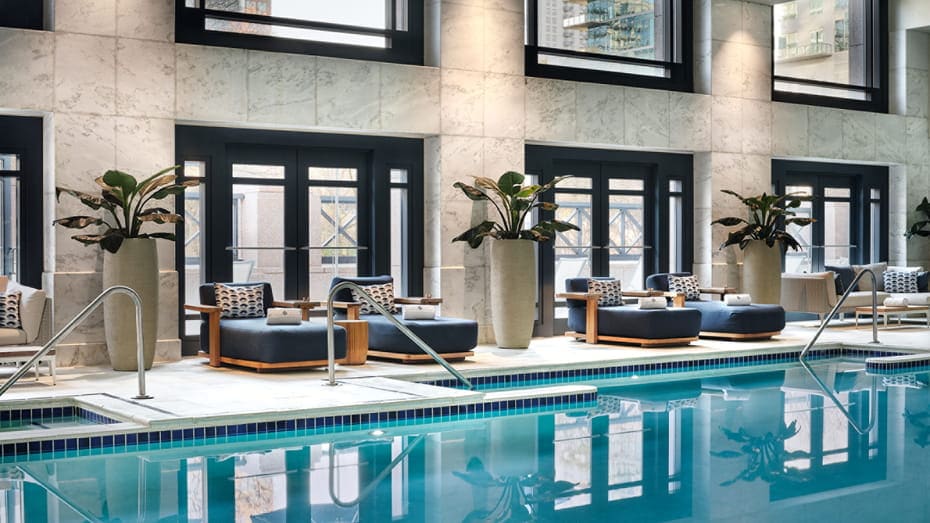
Wilderness at the Smokies Resort (Sevierville, Tennessee): This resort utilizes the "Wild WaterDome" concept, a massive 66,000-square-foot indoor water park. This scale of development allows the property to compete directly with standalone theme parks.
Operational Standards and Safety Regulations
The transition to year-round indoor aquatic operations requires rigorous maintenance and adherence to international safety standards. Water chemistry management is a critical concern, particularly in indoor environments where chemical odors can accumulate. Consequently, many leading hotels, such as the One Aldwych in London, have transitioned to mineral-based, chlorine-free cleaning systems. These systems provide a cleaner swimming environment and are more suitable for guests with sensitive skin.
Safety protocols at these high-volume resorts are equally sophisticated. Large-scale water parks like those at Wilderness at the Smokies maintain dedicated lifeguard teams and provide standardized life-vest programs. In contrast, luxury urban properties often limit access to specific hours to ensure a quiet, safe environment for guests, reflecting the varying operational philosophies of the industry.
Economic and Social Implications
The investment in premium indoor pools has direct economic implications for hotel properties. Data suggests that properties with high-quality, year-round aquatic amenities see higher average daily rates (ADR) and longer lengths of stay, particularly among family demographics. By eliminating the seasonality of the pool, hotels can effectively monetize their facilities twelve months a year, rather than being beholden to the constraints of local weather.
From a social perspective, these facilities serve as community hubs. The rise of day-pass programs—where local residents can purchase access to amenities like the SoundWaves park at Gaylord Opryland—indicates a shift toward hotels acting as community recreational centers. This strategy increases non-room revenue and expands the hotel’s footprint within the local market.
Future Trends in Aquatic Design
As sustainability becomes a primary concern in the hotel sector, the next generation of indoor pools will likely focus on energy efficiency. Reducing the carbon footprint of heating massive volumes of water, while maintaining strict humidity and air-quality controls, is the current challenge for engineering firms. Innovations in heat recovery systems and solar-thermal integration are expected to become standard in new luxury developments.
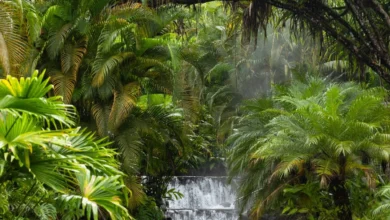
Furthermore, the integration of "biophilic design"—the incorporation of natural elements such as living walls and waterfalls—will continue to gain traction. As guests increasingly seek wellness-focused travel, the indoor pool is poised to become the central anchor of the hotel wellness experience, moving beyond simple recreation to become a holistic sanctuary for both physical exercise and mental decompression.
Conclusion
The global landscape of indoor hotel pools is a testament to the industry’s ability to innovate within the confines of luxury, safety, and environmental stewardship. From the historic, tile-lined basins of Chicago to the high-tech, cloud-projected infinity pools of Hong Kong, these aquatic spaces represent the pinnacle of modern hotel design. For the traveler, they offer a reliable, consistent, and increasingly luxurious experience, effectively ensuring that the enjoyment of water is no longer restricted by the calendar. As the sector continues to evolve, the emphasis will undoubtedly remain on creating immersive, multi-sensory, and sustainable environments that define the next era of global travel.