15 Essential Experiences in Jerome Arizona: A Comprehensive Guide to the Nation’s Largest Ghost Town

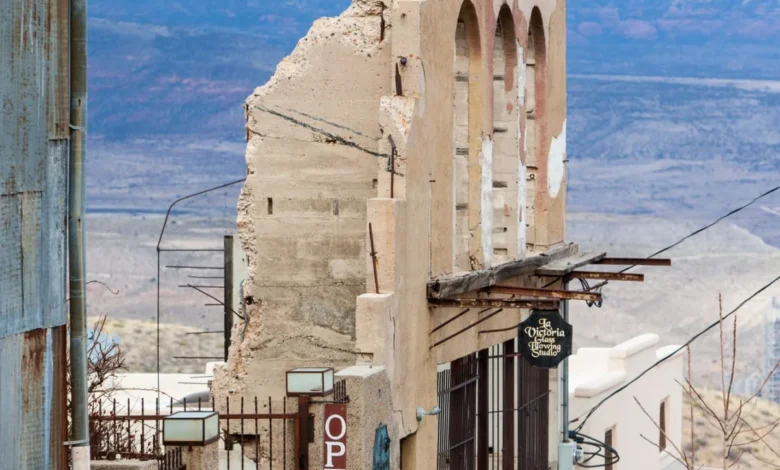
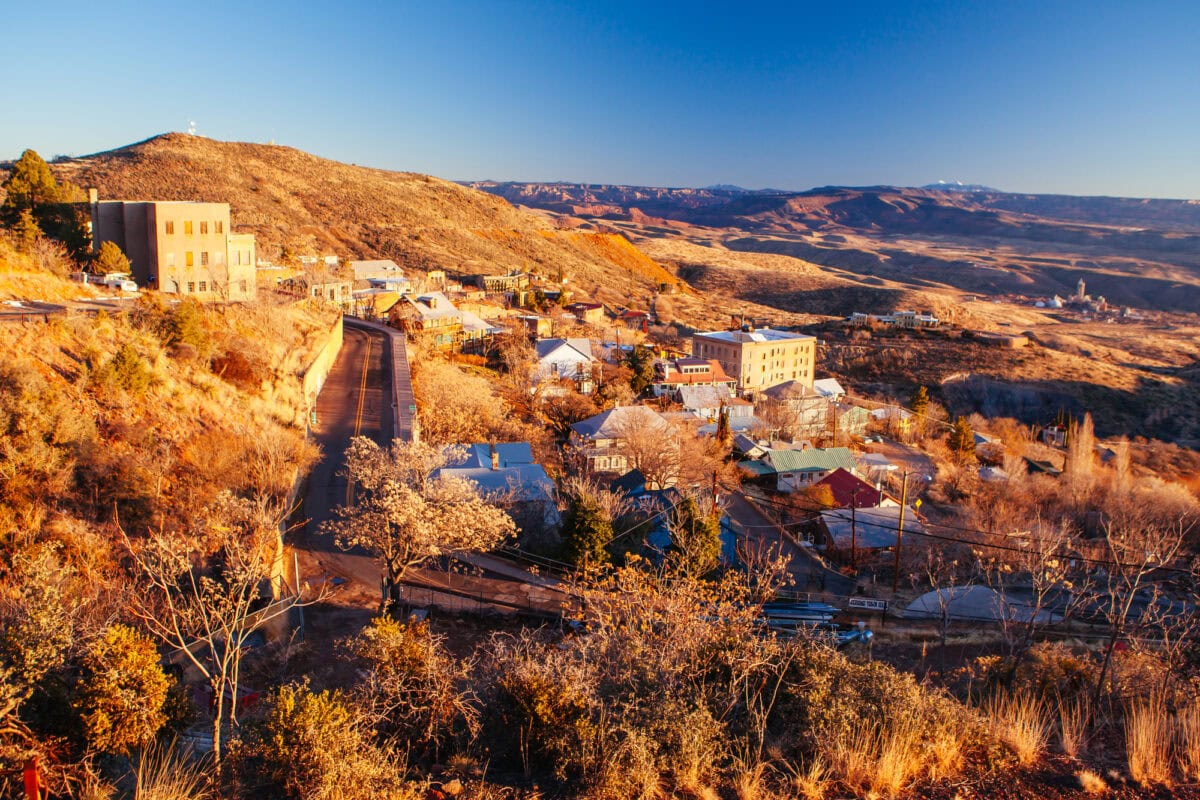
Perched precariously on the side of Cleopatra Hill in the Black Hills of Yavapai County, Arizona, the town of Jerome stands as a testament to the boom-and-bust cycles of the American West. Once a thriving copper mining hub with a population that peaked at nearly 15,000 residents at the turn of the 20th century, the town has transitioned into a unique historical landmark and cultural destination. Today, with a stable population of approximately 500 people, Jerome holds the distinction of being the largest ghost town in the United States, offering visitors a window into the raw, industrial heritage of the early 1900s.
Historical Context and Chronology of Growth
The history of Jerome is inextricably linked to the extraction of copper, gold, and silver. The United Verde Copper Company, established in the late 1880s, drove the initial industrialization of the area. By 1918, the town was a bustling metropolis of the frontier, characterized by its "wicked" reputation—a moniker earned through its 24 saloons, 18 brothels, and various opium dens, which catered to the transient workforce of the mines.
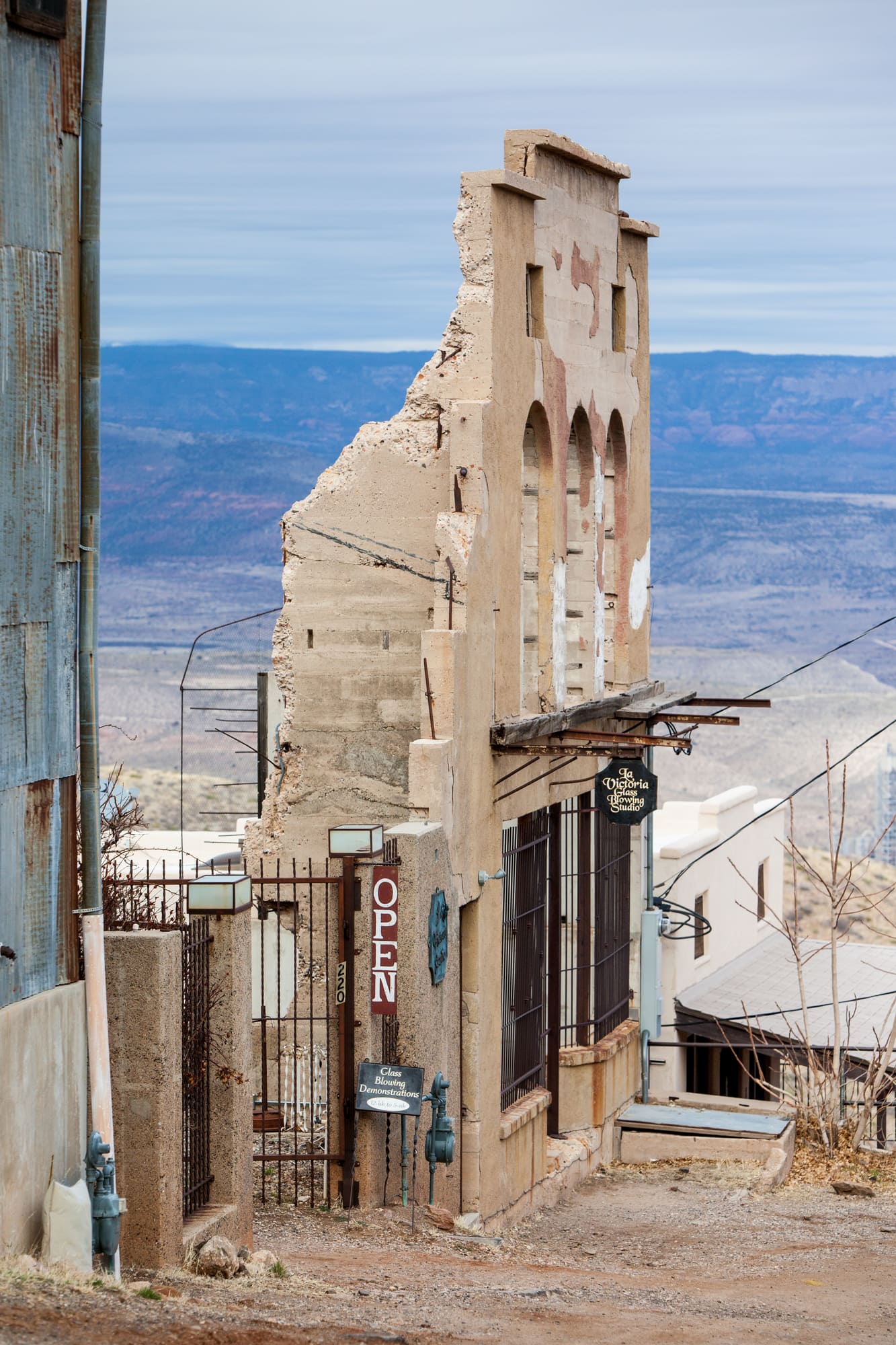
The decline began in the mid-20th century as ore deposits were depleted and global copper demand fluctuated. In 1953, the Phelps Dodge Corporation, which had purchased the mining interests, officially closed the underground operations. The subsequent economic collapse was swift; the town’s population plummeted, leaving behind a "ghost town" landscape of abandoned storefronts and residential structures. In 1967, recognizing the historical and architectural significance of the remaining infrastructure, the United States Secretary of the Interior designated the town a National Historic Landmark District.
State Historic Preservation and Infrastructure
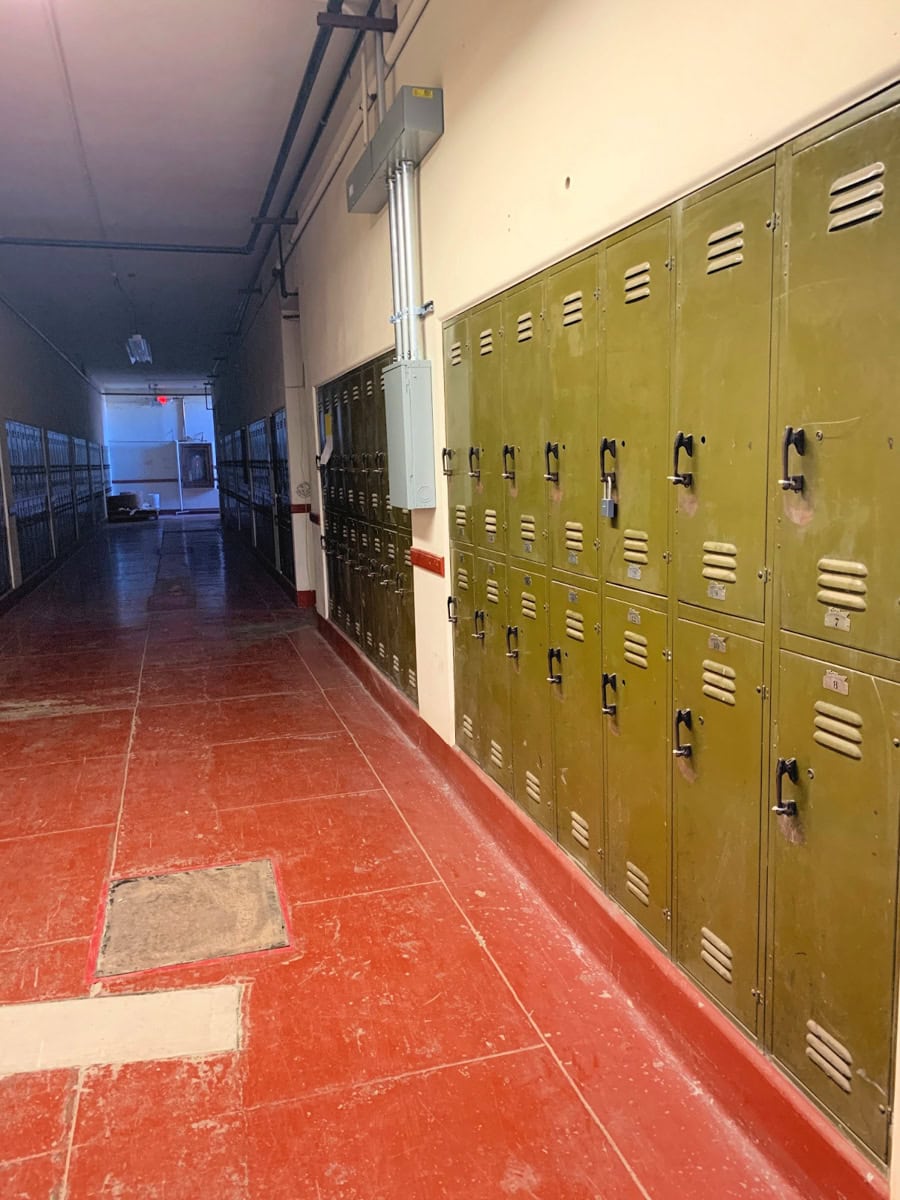
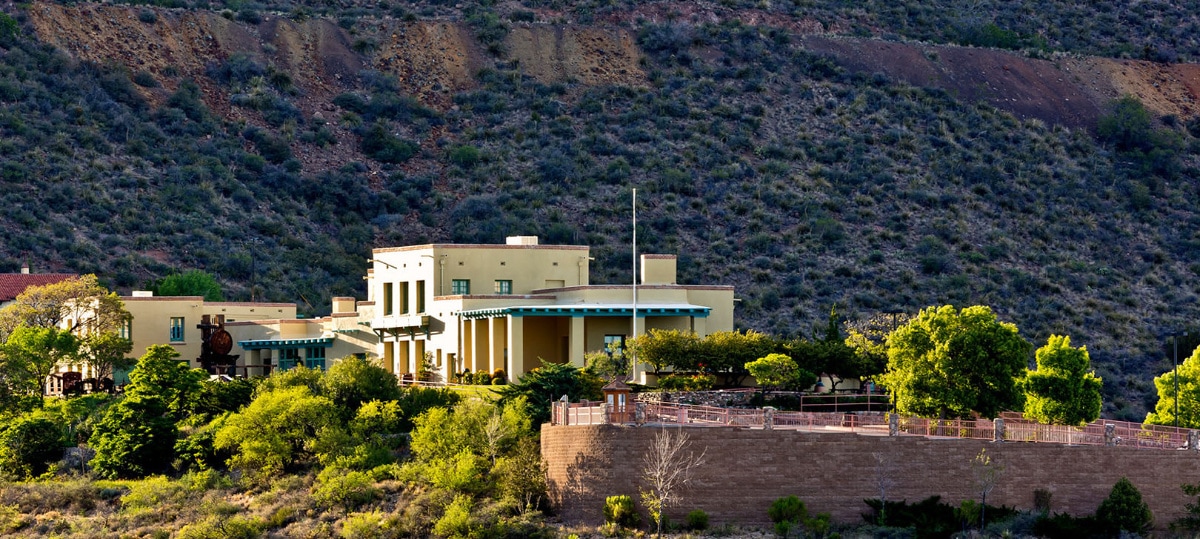
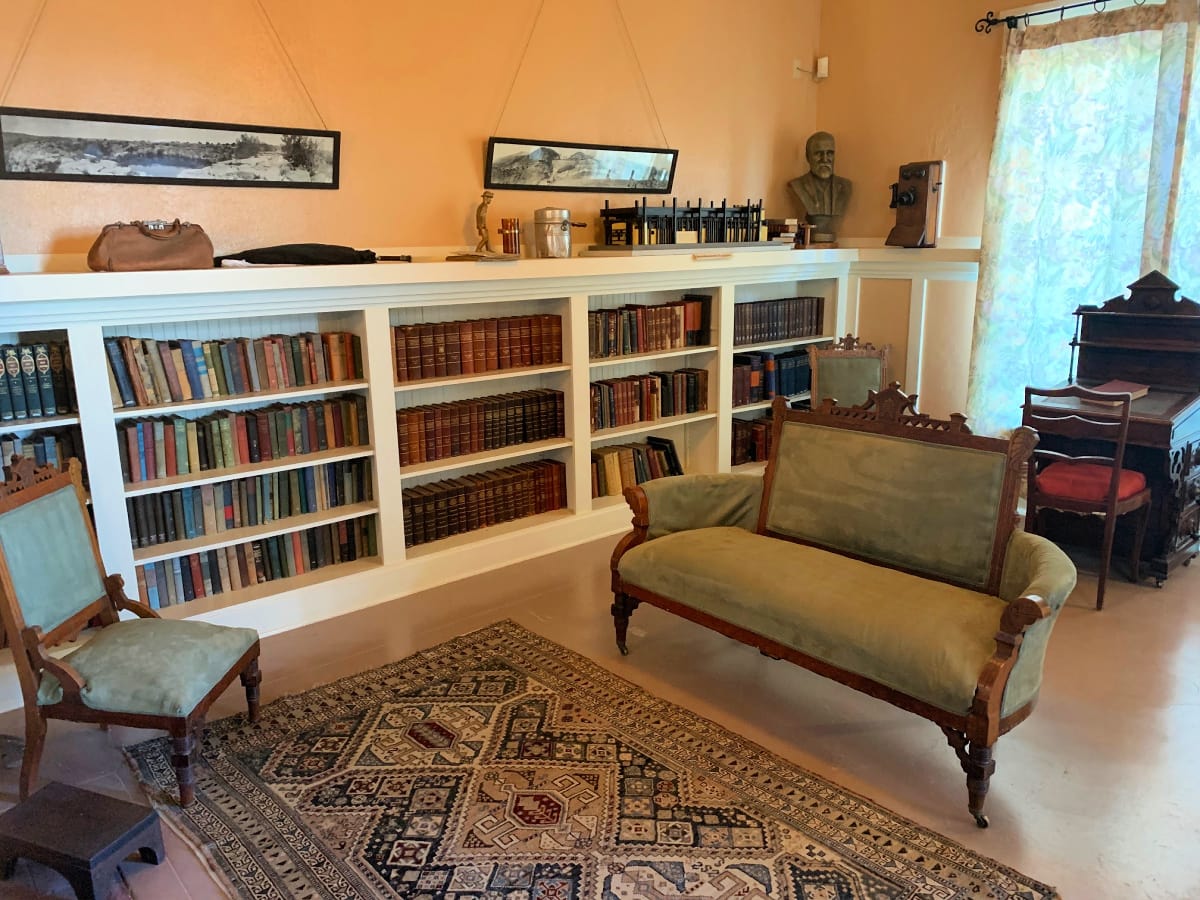
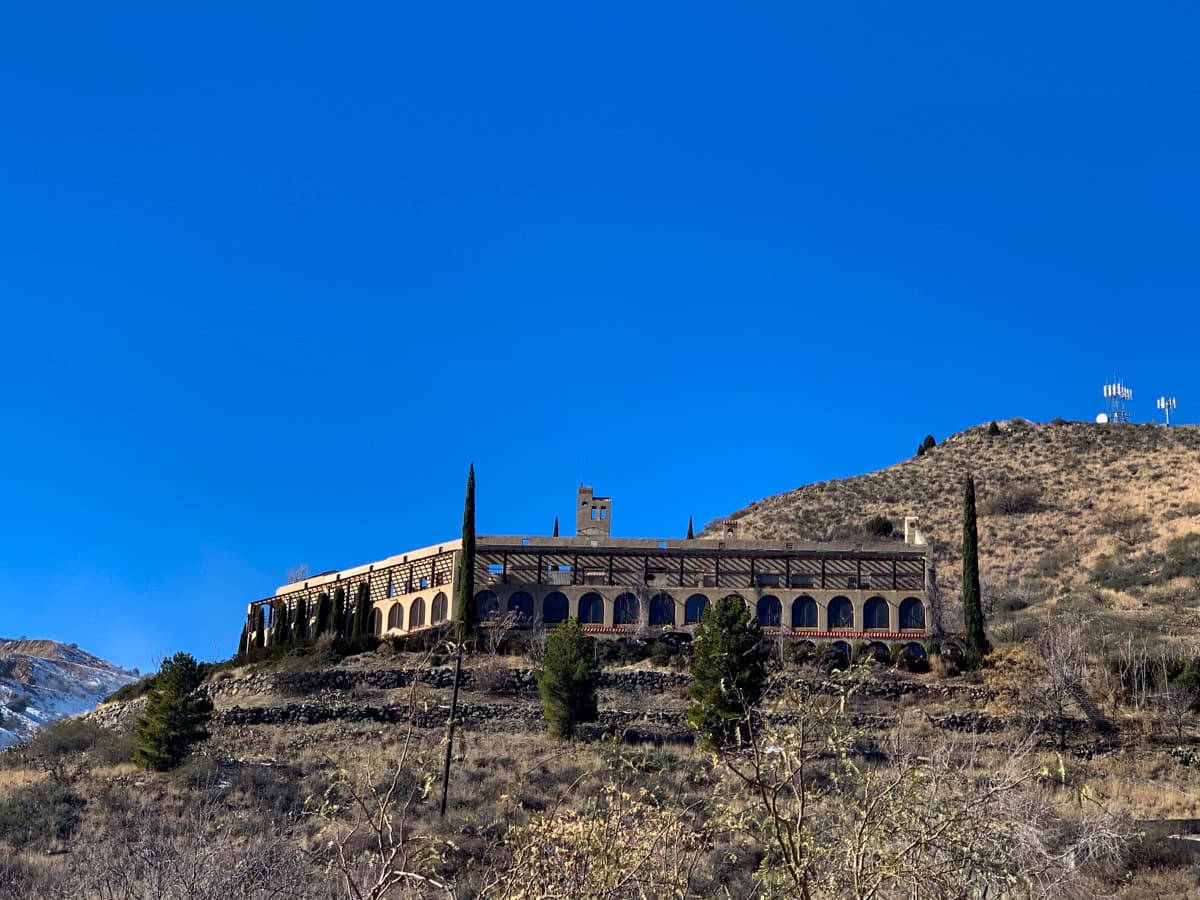
The preservation of Jerome’s history is anchored by the Jerome State Historic Park, centered around the Douglas Mansion. Constructed in 1916 by James S. Douglas, the mansion served as the administrative hub for the United Verde Extension Mining Company. Today, the park provides an objective analysis of the town’s geological and mining history. Exhibits feature detailed models illustrating the "Swiss cheese" maze of tunnels beneath the town, a byproduct of decades of aggressive excavation.
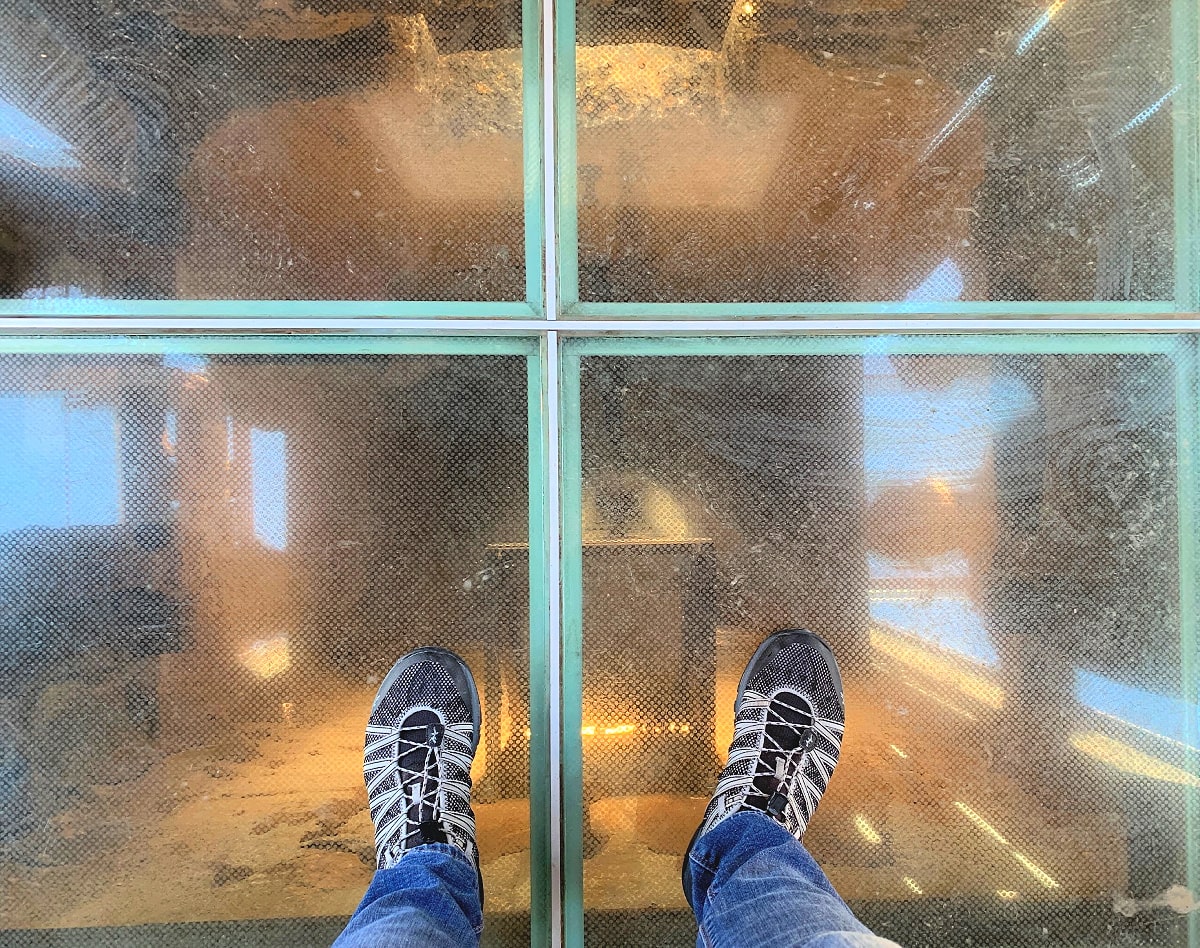
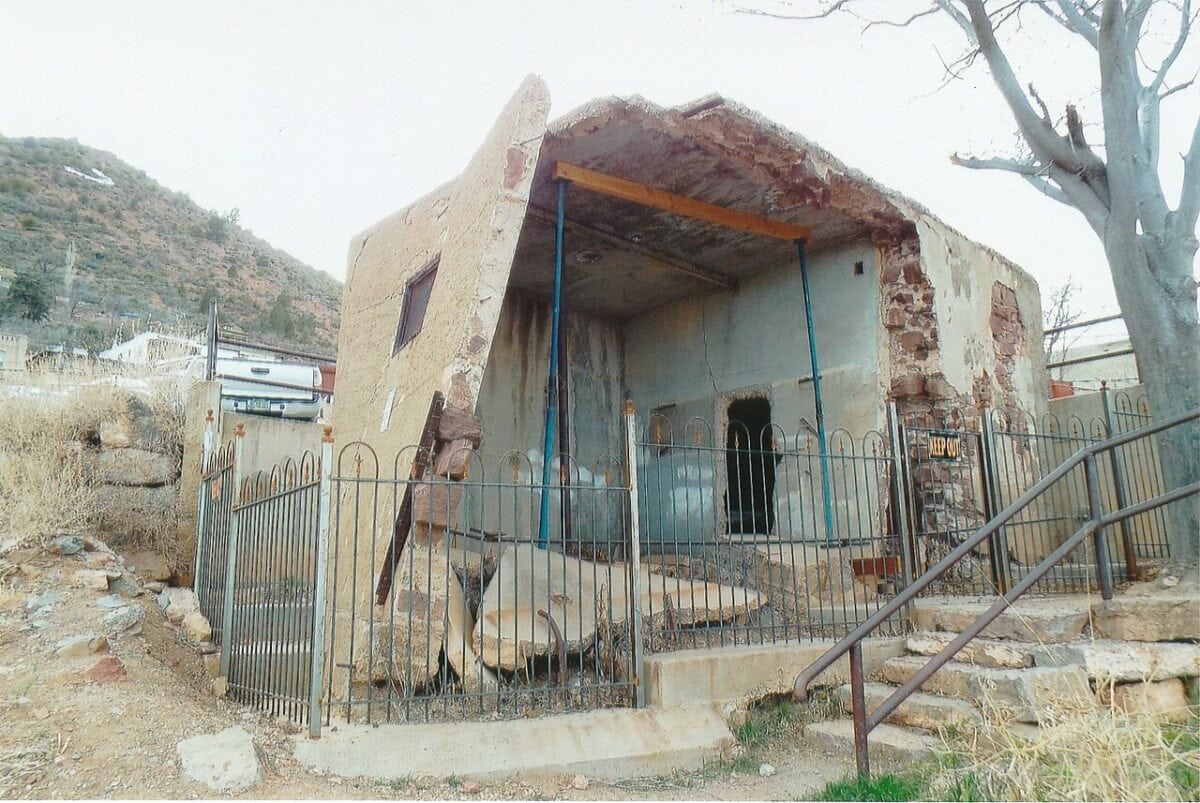
The physical stability of the town remains a point of interest for geologists and historians alike. Because the town was built atop the Verde Fault, the area is prone to seismic activity and structural shifting. This instability is best exemplified by the "Sliding Jail," a reinforced concrete structure that, following a series of dynamite blasts and geological tremors in 1938, migrated approximately 225 feet from its original foundation. The site now serves as a tangible case study on the limitations of early 20th-century urban planning in geologically active zones.
Cultural Evolution and Economic Diversification
The modern era of Jerome is defined by its transition from an extractive economy to one focused on tourism, the arts, and heritage conservation. Following the closure of the mines, the low cost of property attracted an influx of artists, retirees, and historical preservationists. This demographic shift saved the town from total abandonment.
Current economic data indicates that tourism is now the primary driver of the local economy. Visitors to Jerome engage with several distinct sectors:
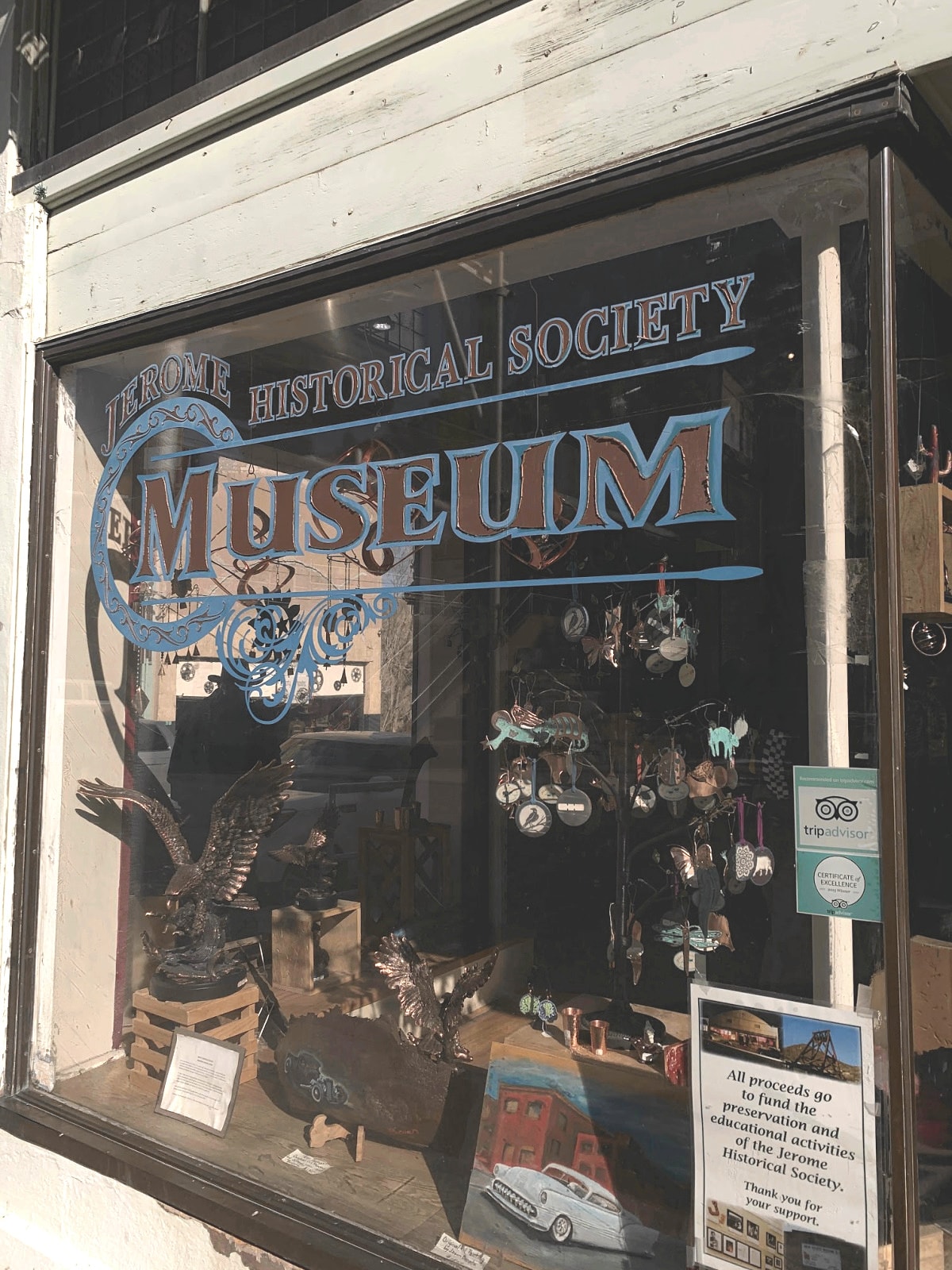
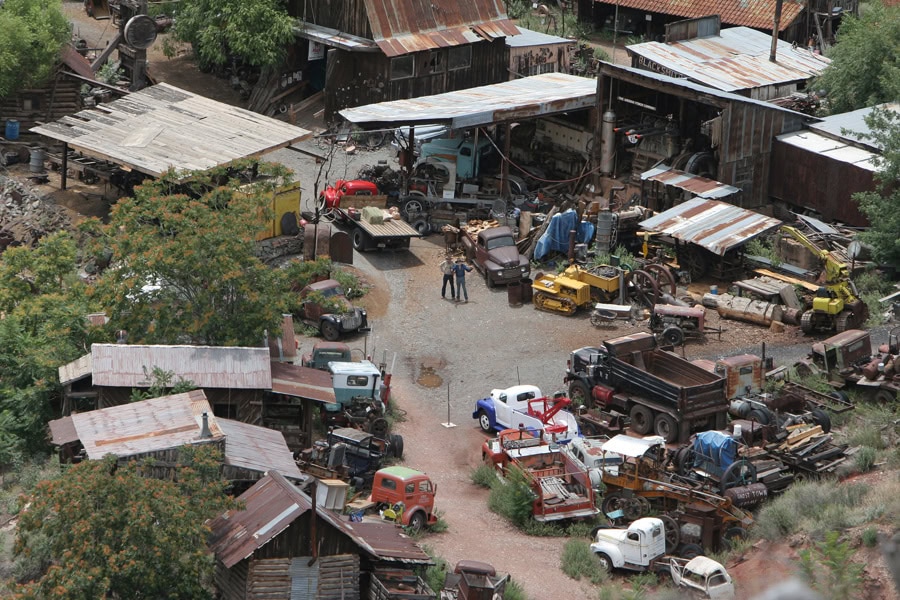
- Mining Heritage Education: Sites such as the Gold King Mine Museum and the Jerome Historical Society Mine Museum document the transition from labor-intensive mining to modern historical tourism. These locations display an extensive collection of vintage vehicles, industrial equipment, and primary source artifacts that contextualize the daily life of a frontier miner.
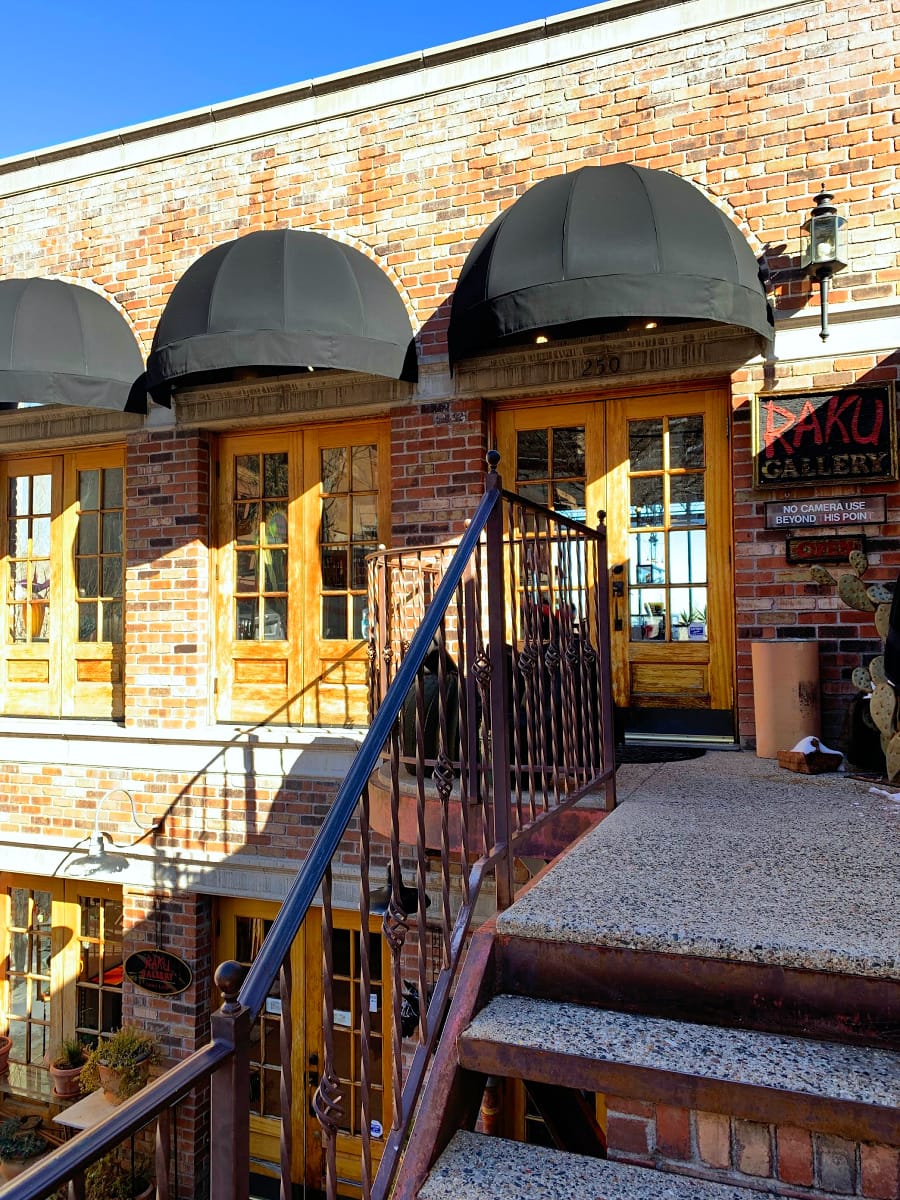
- The Arts District: Jerome is home to nearly two dozen active art galleries and studios. The "First Saturday Artwalk" has become a hallmark of the town’s monthly calendar, facilitating engagement between local artists and the public.
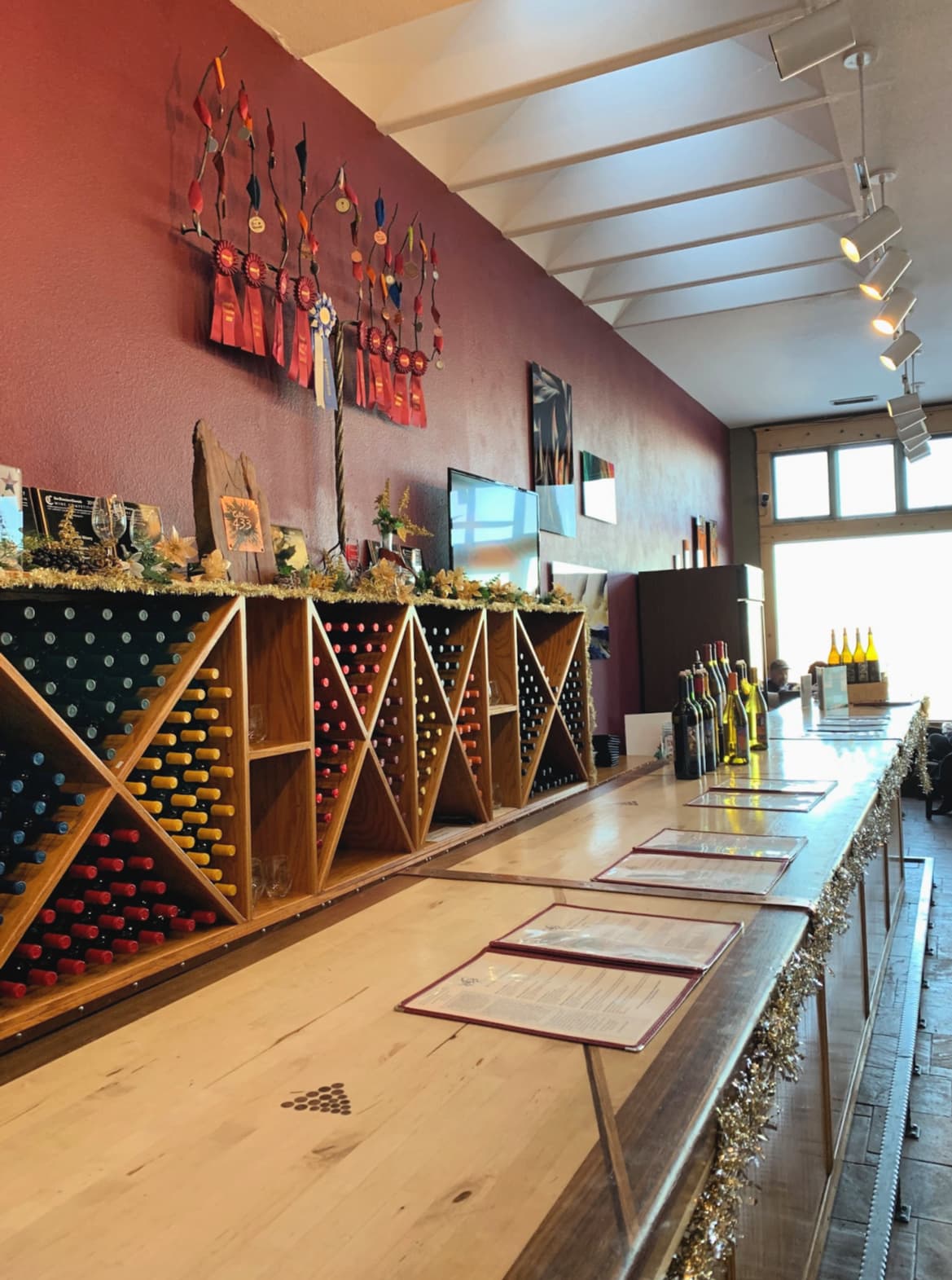
- Viticulture and Culinary Arts: Leveraging the unique microclimate of the Verde Valley, several tasting rooms have emerged, positioning the area as a burgeoning wine-producing region. Establishments like The Original Jerome Winery and various local grillhouses provide a nexus between historical atmosphere and contemporary hospitality.
Analysis of Tourism and Preservation Challenges
The resurgence of Jerome as a travel destination brings specific logistical challenges. The town’s infrastructure, originally designed for horse-drawn carriages and pedestrian miners, is under constant pressure from modern vehicular traffic. The limited parking availability on the town’s steep, winding streets necessitates careful municipal management. Local authorities have implemented public parking zones and shuttle services to mitigate congestion, reflecting a broader trend in historic preservation where accessibility must be balanced against the preservation of authentic streetscapes.
Furthermore, the "ghost town" branding has prompted a niche interest in paranormal tourism. While the phenomenon is largely cultural, it has provided a secondary revenue stream for local hospitality businesses. Properties such as the Jerome Grand Hotel, formerly the United Verde Hospital, and the Connor Hotel, frequently leverage their historical associations with the mining era to attract guests interested in historical preservation and, by extension, the folklore associated with the buildings.
Strategic Outlook for the Region
The broader impact of Jerome’s preservation extends to the economy of Yavapai County. By maintaining its historic character, the town serves as an anchor for regional tourism circuits, often linked with neighboring destinations like Sedona and Prescott. The economic implication of this status is significant: it provides a model for other abandoned industrial sites in the West to transition toward sustainable, heritage-based revenue models without sacrificing their original architectural integrity.
As of the current decade, the town maintains a policy of restricted development. New construction must adhere to strict guidelines set by the Jerome Design Review Board to ensure that modern additions do not disrupt the visual and historical continuity of the district. This regulatory environment ensures that while Jerome continues to evolve, it remains distinct from the modern suburban expansion seen elsewhere in the Phoenix metropolitan area.
Visitors seeking to explore the region are encouraged to plan their itineraries around the seasonal variations of the Verde Valley. Spring and autumn provide optimal climatic conditions for traversing the town’s steep inclines. As the town continues to navigate the balance between its past as a "wicked" mining camp and its present as a center for the arts, it remains a critical point of study for those interested in the resilience of American frontier towns. The preservation of Jerome is not merely an act of nostalgia, but a calculated effort to maintain the physical and historical record of the 19th-century industrial revolution in the American Southwest.