Beyond the Moroccan Frontier: A Strategic Guide to Expanding Your North African Itinerary

Many travelers arrive in Morocco captivated by the sensory richness of the medinas and the vastness of the Sahara, often failing to realize that this North African nation serves as a central hub for a much broader regional experience. Morocco’s unique geographical position—straddling the Atlantic Ocean and the Mediterranean Sea—places it in close proximity to European territories, Atlantic archipelagos, and sub-Saharan corridors. While Morocco is frequently visited as a standalone destination, its connectivity to Spain, the Canary Islands, the British territory of Gibraltar, and the challenging but rewarding routes toward Mauritania offers a rare opportunity for trans-continental exploration. By understanding the logistics of ferries, regional flight networks, and land border regulations, travelers can effectively transform a single-country trip into a multi-territory expedition that bridges the gap between Africa and Europe.
The Geopolitical Context of Mediterranean Connectivity
The Strait of Gibraltar, a narrow waterway stretching just nine miles at its tightest point, has historically been the primary conduit for trade, migration, and cultural exchange between the African continent and the Iberian Peninsula. Modern infrastructure has capitalized on this proximity, establishing a robust network of maritime and aerial transport.
Historically, the relationship between Morocco and its neighbors has fluctuated, but the transit corridors have remained remarkably consistent. Since the 1990s, the development of high-speed ferry operations and expanded regional flight paths has streamlined the movement of goods and people. However, travelers must remain cognizant of the specific political nuances, such as the closed border with Algeria—a situation that has remained static since 1994 due to regional diplomatic tensions. This closure serves as a stark reminder that while connectivity is high in some sectors, regional geopolitics dictate the flow of international movement.

Maritime Logistics and the Strait of Gibraltar
The maritime link between Morocco and Spain remains the most utilized route for international travelers. Major ports, including Tangier Med and Tangier Ville on the Moroccan side, facilitate daily crossings to Algeciras and Tarifa in Spain. These routes are serviced by established ferry operators such as FRS, Balearia, and Armas.
Data from regional port authorities indicate that millions of passengers transit these routes annually, with a significant surge during the summer months when the European Moroccan diaspora returns home. For the average traveler, these ferry services operate with high efficiency. Most Western passport holders—including citizens from the United States, United Kingdom, Canada, and the European Union—benefit from visa-exempt entry for stays of up to 90 days. This policy, underpinned by long-standing bilateral agreements, ensures that the transition from the bustling markets of Tangier to the sun-drenched coast of Andalusia is often as seamless as a domestic commute.
The Unique Status of Ceuta and Melilla
A critical, often misunderstood component of North African travel involves the Spanish autonomous cities of Ceuta and Melilla. Situated on the Mediterranean coast of Morocco, these two cities are technically part of the European Union, functioning as European enclaves on the African mainland.
The implications for travelers are significant: crossing into Ceuta or Melilla requires passing through formal international border control. Because these territories are governed under the Schengen Agreement, travelers effectively exit Morocco and enter the European Union. Historically, these borders have been points of intense scrutiny regarding migration and customs, but for the casual tourist, the process is straightforward provided one possesses a valid passport. Visitors should anticipate standard customs checks, as these borders act as the southern-most frontier of the European Union.

The Canary Islands: A Strategic Atlantic Extension
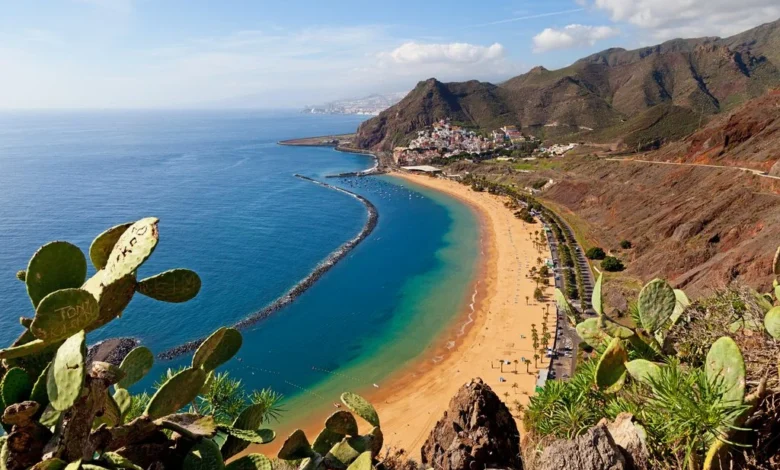
Further to the southwest, the Spanish Canary Islands—comprising islands such as Tenerife, Gran Canaria, and Lanzarote—represent a distinct travel category. Geographically, these islands are significantly closer to the Moroccan coast than to the Spanish mainland. This proximity has allowed for a thriving tourism ecosystem that connects the Atlantic coast of Morocco with the volcanic landscapes of the Canaries.
Travelers often leverage the direct flights that link major Moroccan hubs like Casablanca and Marrakech to the primary airports in the Canaries. This connection allows for a diverse itinerary, transitioning from the arid, rugged terrain of the Moroccan desert to the lush, resort-oriented environments of the Atlantic archipelagos. Economically, this integration is bolstered by a steady flow of logistics and commerce between the islands and the Moroccan mainland, providing a reliable infrastructure for tourism.
Navigating the British Territory of Gibraltar
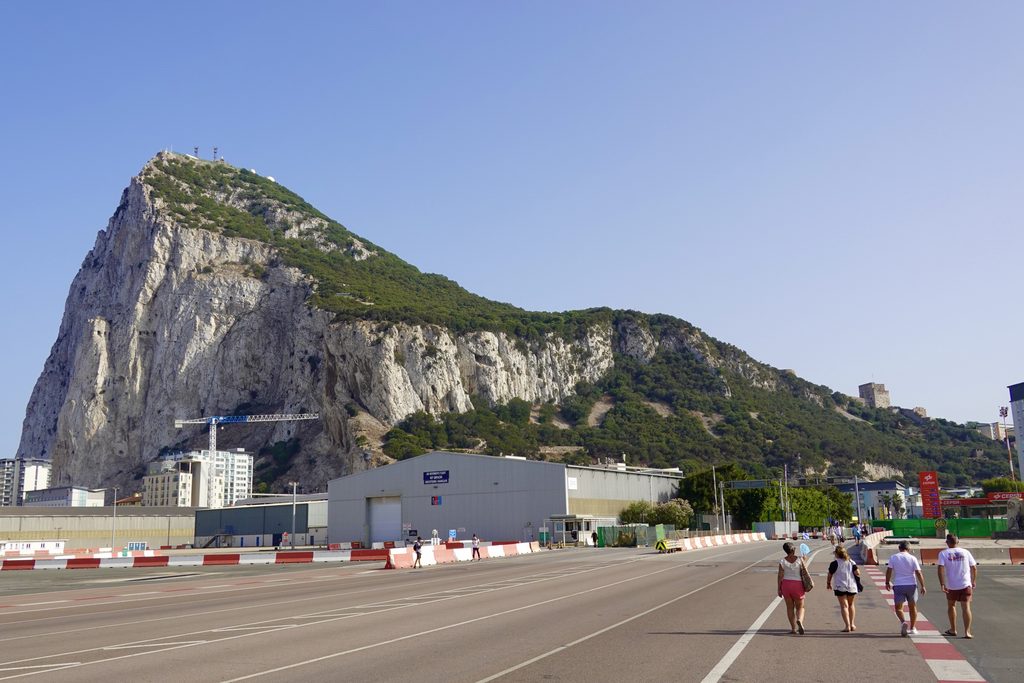
The Rock of Gibraltar serves as a unique cultural and political enclave at the intersection of the Atlantic and the Mediterranean. As a British Overseas Territory, it offers a distinct contrast to both the Moroccan and Spanish cultures that surround it. Accessible via the Spanish border town of La Línea de la Concepción, Gibraltar is a focal point for travelers interested in British colonial history, natural geography, and specialized tourism, such as dolphin-watching and botanical exploration.
Travelers arriving from Morocco typically route through Spain to reach the peninsula. Given its status as a British territory, customs regulations are distinct, and visitors should be prepared for potential border delays during periods of high traffic. The strategic importance of the Rock, which has been a point of contention and cooperation between the UK and Spain for centuries, remains a vital factor in local travel logistics.

The Southern Route: Western Sahara and Mauritania
Travel beyond the southern borders of Morocco into the Western Sahara and toward Mauritania represents a shift from standard tourism to expeditionary travel. Western Sahara, a disputed territory, is administered by Morocco. Major coastal cities like Dakhla have gained international renown as hubs for world-class kitesurfing and high-end desert tourism. However, the region’s status requires travelers to exercise due diligence.
The transit into Mauritania from the southern border represents a significant logistical challenge. Unlike the Northern borders, the crossing into Mauritania involves navigating vast, remote desert stretches. Official travel advisories from many Western governments often highlight the security risks associated with regional instability and the harsh, unforgiving nature of the Sahara Desert. Travelers attempting this route are strongly advised to conduct thorough research, secure the necessary visas, and ensure their vehicles and support systems are equipped for remote, off-grid conditions. It is not a path for the casual tourist, but rather for those with substantial experience in desert navigation and risk management.
Diplomatic Realities: The Algeria Border Closure
Any analysis of the regional travel landscape is incomplete without addressing the status of the Morocco-Algeria border. Since the closure of the land border in 1994, the two nations have maintained a rigid separation of travel infrastructure. The absence of direct flights or overland crossings means that the two nations, despite their geographical and cultural overlaps, are logistically disconnected for the traveler.
This diplomatic impasse forces those wishing to visit both countries to transit through third-party hubs, typically in Europe or the Middle East. This adds significant time and cost to any itinerary attempting to span both nations. Consequently, travel experts emphasize that while Morocco acts as a gateway to the broader Mediterranean and Atlantic regions, its eastern frontier remains a strictly controlled boundary that dictates the flow of regional tourism.
Broader Implications for International Travel
The ability to move fluidly between Morocco, Spain, and the surrounding territories is a testament to the infrastructure developed to support the Mediterranean economy. For the global traveler, the implications are clear: the region is not merely a collection of isolated destinations but an interconnected web of cultural, economic, and logistical pathways.
The success of these multi-country itineraries relies on the stability of maritime and aerial links. As climate, migration, and economic factors continue to evolve, the demand for reliable connectivity across the Strait of Gibraltar and the Atlantic will likely increase. For the present, the ease of movement between these regions provides a unique opportunity for cultural synthesis. A traveler who begins their journey in the traditional souks of Fes, transits via ferry to the historical streets of Andalusia, and concludes in the volcanic landscapes of the Canary Islands experiences a geographic and cultural spectrum that is unmatched in other parts of the world.
Final Recommendations for the Regional Traveler
Preparation is the cornerstone of any successful trans-continental journey. Travelers should prioritize the following actions:
- Document Verification: Ensure passports have at least six months of validity remaining. While many crossings are visa-exempt, always verify the specific entry requirements for each individual territory, especially when entering the European Union via Spain or its enclaves.
- Logistics Management: Utilize established ferry operators and monitor seasonal schedules, as weather conditions in the Strait of Gibraltar can occasionally impact transit times.
- Safety Awareness: Always consult official travel advisories, particularly when traveling to the southern regions or near border zones.
- Cultural Etiquette: Recognize that each territory—from the British influence in Gibraltar to the Spanish influence in the Canaries—carries its own set of customs and social expectations.
By viewing Morocco as a starting point for a broader regional exploration, travelers can move beyond the conventional tourist experience and gain a deeper understanding of the complex, interconnected history of the North African and Southern European landscape. This approach does not merely fill an itinerary; it provides a comprehensive perspective on a region that remains one of the most historically and geographically significant corridors in the modern world.