Rauhassa: Rethinking the Helsinki Museum Experience Through a Slower, Intentional Itinerary

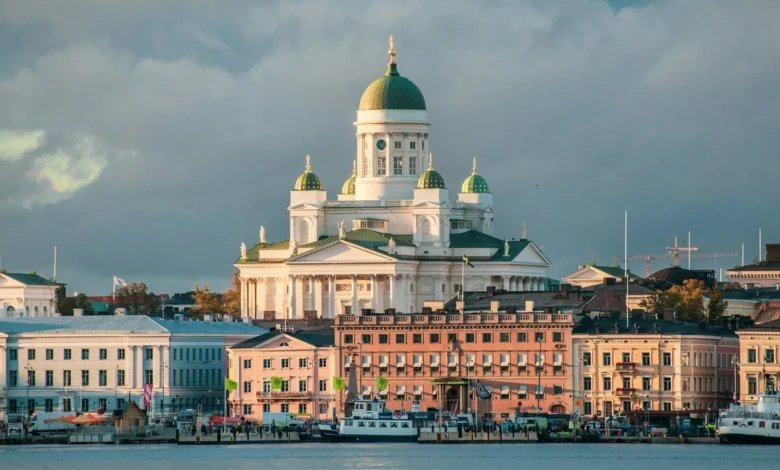
The contemporary travel landscape has long encouraged an exhaustive, checklist-driven approach to cultural tourism. In major European capitals, visitors frequently attempt to conquer five or six institutions before the afternoon concludes, transforming a contemplative journey into a logistical marathon. Nowhere is this phenomenon more prevalent—and more easily corrected—than in Helsinki, Finland, where the prevailing cultural ethos invites a starkly different paradigm: rauhassa, a Finnish term roughly translating to "in peace" or "without rushing." Rather than encouraging tourists to sprint through endless galleries until exhaustion sets in, urban planners, cultural historians, and seasoned travel experts are increasingly advocating for a curated, three-museum itinerary that prioritizes genuine engagement over superficial accumulation.
The Mechanics of an Intentional Museum Day
The primary flaw in the conventional multi-museum itinerary lies in cognitive overload. When visitors attempt to consume four or five distinct collections in a single afternoon, the boundaries between exhibitions blur. By 3:00 p.m., physical fatigue sets in, and the distinct historical narratives, artistic mediums, and architectural contexts of individual institutions begin to merge into an indistinguishable blur.
By contrast, limiting a primary exploration to two or three carefully selected venues allows for cognitive retention and emotional resonance. This measured pacing aligns directly with Finland’s broader cultural appreciation for intentional spaces, clean design, and deliberate pacing. In Helsinki, where cultural hubs are densely concentrated within the urban core, the transition between spaces is designed to be an extension of the cultural experience rather than a tedious transit hurdle.
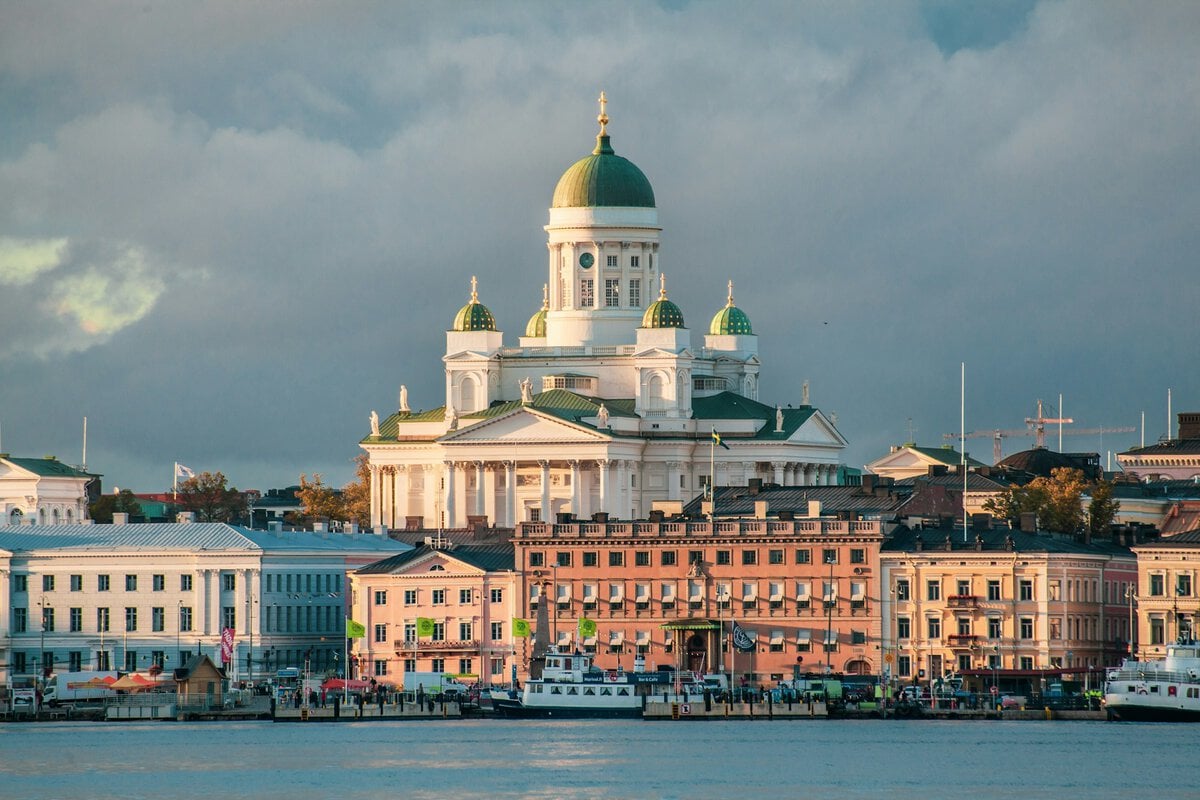
Chronology and Route: From Classical Heritage to Contemporary Vision
Executing a three-museum day in Finland’s capital requires a strategic geographic approach that maximizes exposure while minimizing transit friction. A proven route begins at the historic heart of the city and moves sequentially through distinct artistic eras.
Morning: The Classical Foundation at Ateneum
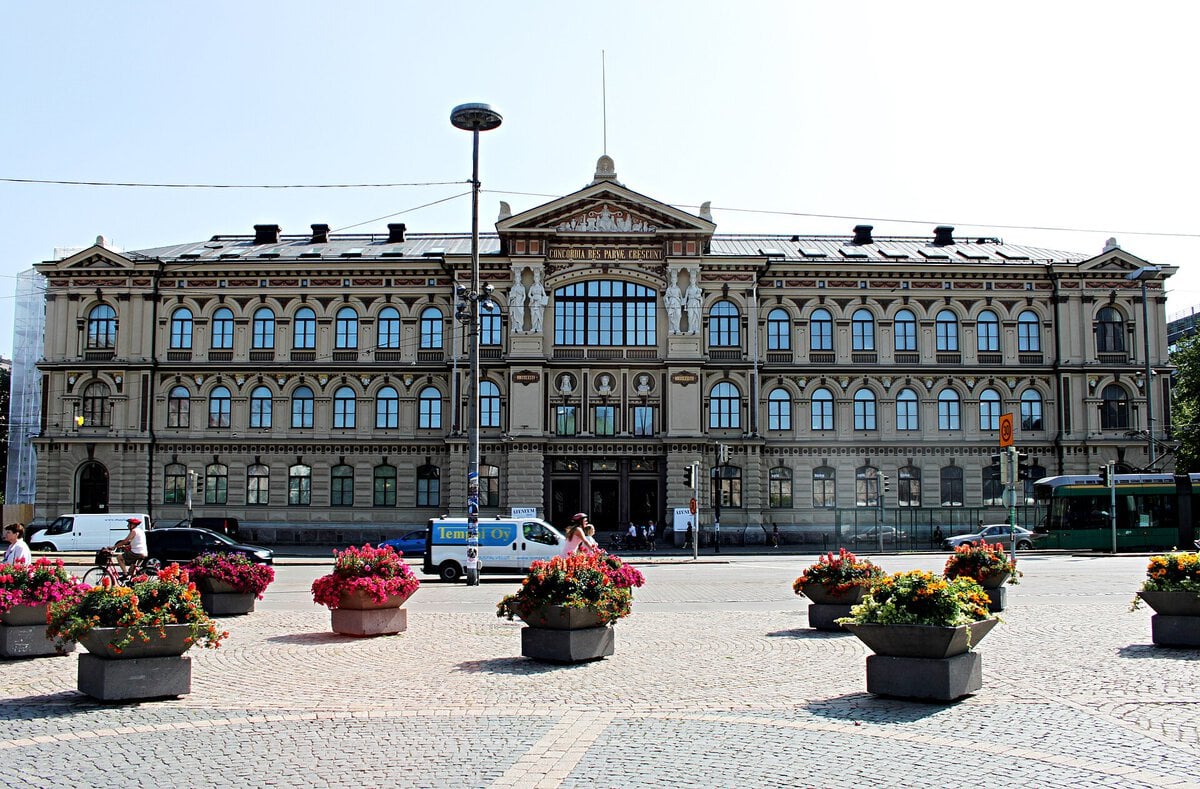
The journey commences at the Ateneum Art Museum, situated directly adjacent to Helsinki Central Station. Rising imposingly above the urban streetscape, the building immediately commands attention with its nineteenth-century neoclassical facade, juxtaposed against the modern hum of tram bells and pedestrian foot traffic. Upon entering, the external chaos dissipates; footsteps soften on polished gallery floors, and conversations drop to hushed murmurs.
As an integral component of the Finnish National Gallery, the Ateneum houses the nation’s most comprehensive collection of classical and historical art. Visitors can examine seminal works by canonical Finnish artists such as Akseli Gallen-Kallela and Helene Schjerfbeck, alongside significant international pieces. Cultural analysts recommend visiting during the morning hours when cognitive energy is highest, allowing patrons to sit before a canvas rather than skim past it. Standard admission is priced at €23 at the ticket office or €21 when booked online, with discounted entries available for specific demographics and free admission granted to minors under 18 and holders of the national Museum Card.
Midday: The Urban Transition to Kiasma
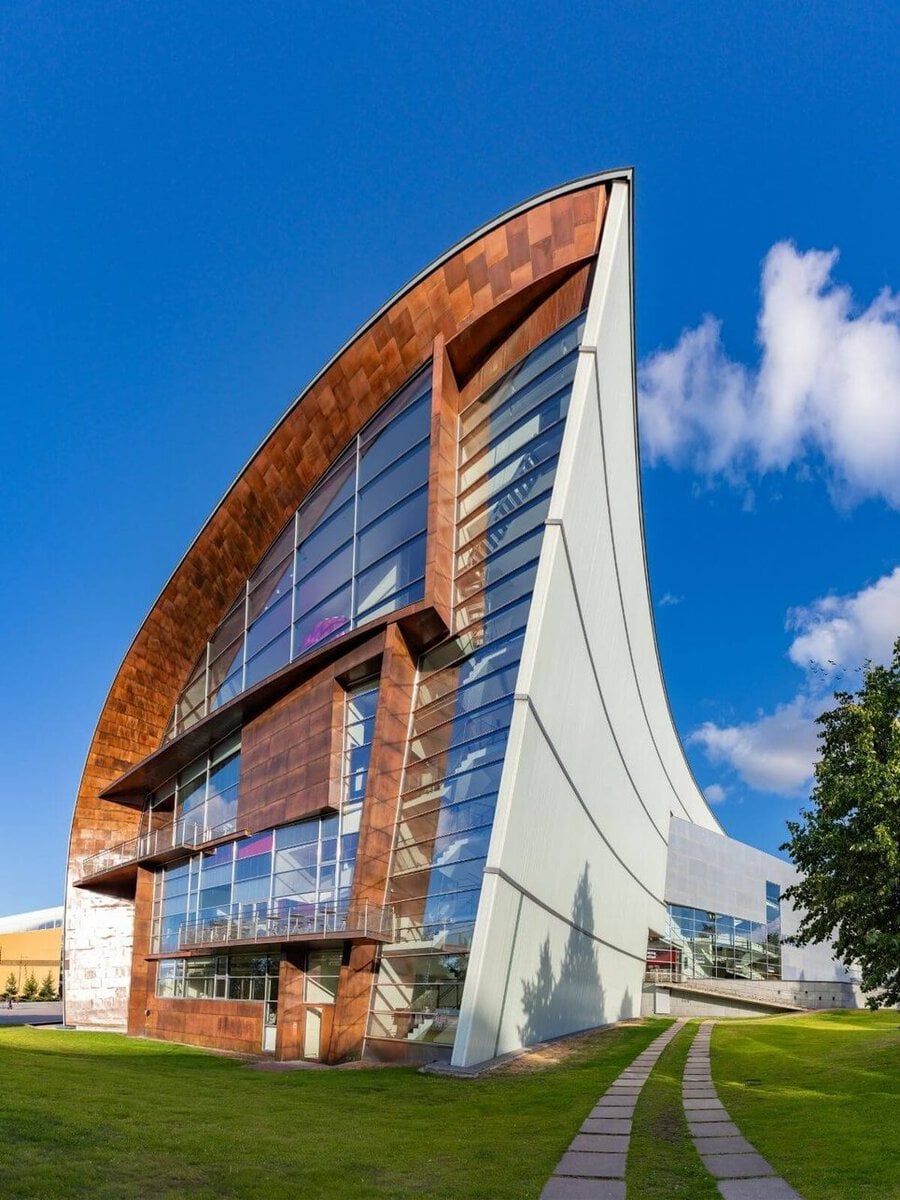
Upon departing the Ateneum, visitors face a remarkably short transit window: the Museum of Contemporary Art Kiasma is located a mere 500 meters away. This proximity eliminates the need for motorized transport, allowing the cityscape itself to serve as a bridge between historical perspective and contemporary discourse.
The spatial and thematic contrast between the Ateneum and Kiasma forms the psychological crux of the itinerary. Having spent the morning immersed in the visual storytelling that shaped Finland’s national identity, visitors walk a short distance to stand before challenging, contemporary installations that question the modern sociopolitical landscape. Designed by American architect Steven Holl, Kiasma’s curving, light-filled architecture offers a stark structural departure from the Ateneum’s nineteenth-century rigidity. Kiasma maintains a pricing structure identical to the Ateneum, though it famously offers free admission on the first Friday of every month—a policy that, while democratizing access, naturally generates peak visitor density.
Afternoon: The Culinary Pause and the Third Stop
Rather than forcing an immediate transition from Kiasma to a third cultural institution, regional tourism boards and hospitality experts strongly advise incorporating a deliberate coffee or lunch break. Helsinki’s museum cafés are celebrated for their culinary quality, offering fresh Nordic pastries, artisanal coffee, and locally sourced light lunches. This pause serves a physiological purpose, resetting physical stamina and preventing the mental fatigue associated with prolonged gallery attendance.
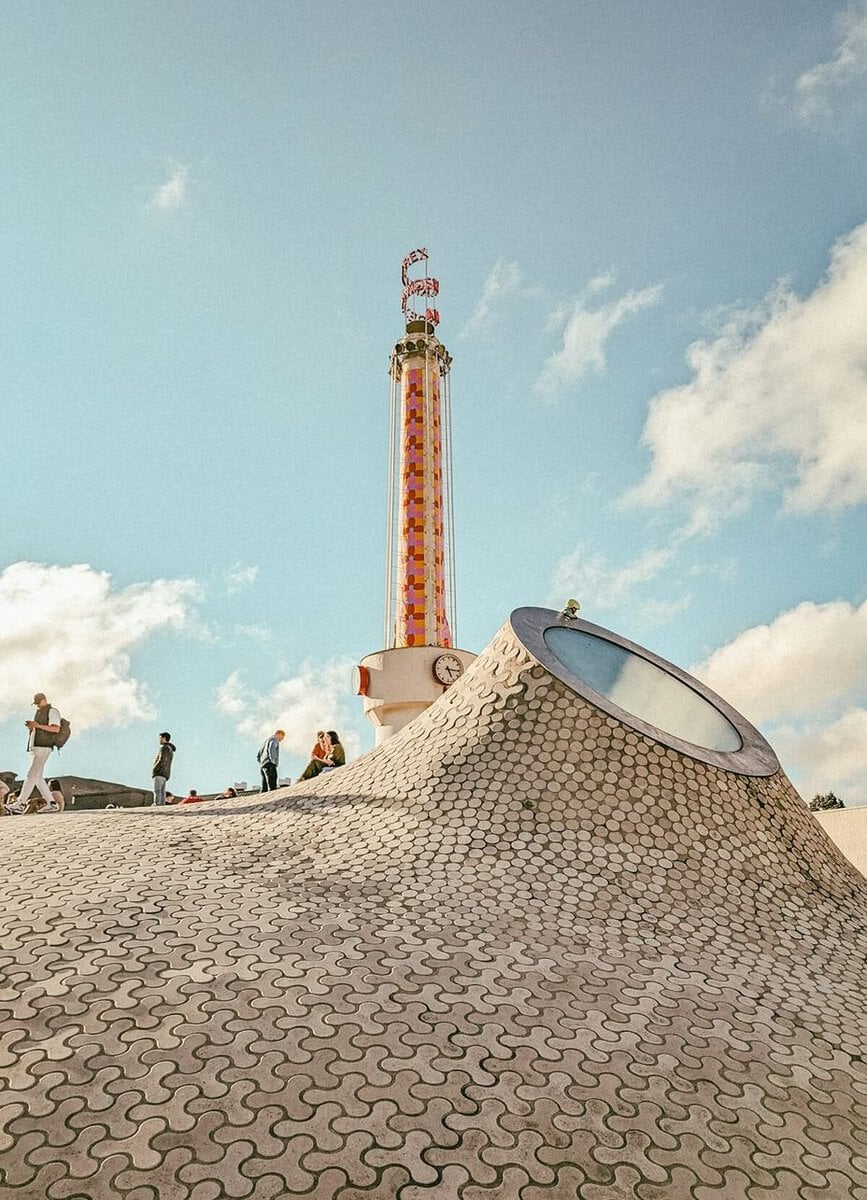
Following this intermission, visitors choose a final, third destination to anchor their afternoon. Prominent options include the Amos Rex subterranean museum—renowned for its futuristic, dome-studded public plaza and avant-garde exhibitions—or the city’s robust design and architecture institutions. Attempting to incorporate a fourth or fifth museum after this point sharply diminishes returns, transforming an enriching cultural excursion into an endurance test.
Economic Framework: Evaluating Access Cards
Navigating the financial aspects of Helsinki’s cultural sector requires careful cost-benefit analysis, particularly regarding regional access passes. Travelers frequently miscalculate the economic utility of the national Museum Card and the Helsinki Card, assuming that possessing a pass automatically translates to financial efficiency.
The Museum Card is a nationwide, twelve-month digital or physical pass geared explicitly toward comprehensive museum access across Finland. Conversely, the Helsinki Card functions as a multi-tiered city pass (available in 24-, 48-, or 72-hour increments) that bundles participating museums with broader sightseeing tours, public ferry transit, and attraction discounts.
Economic analyses of short-term itineraries indicate that for a single-day excursion featuring only two or three targeted stops, neither card is universally the cheapest option. Industry experts emphasize that the Museum Card becomes economically advantageous primarily during extended stays or multi-city Finnish itineraries, whereas the Helsinki Card pays dividends only when a traveler actively maximizes its bundled transit and sightseeing benefits. Consequently, visitors are advised to calculate individual ticket prices against pass costs before making a purchase.
Meteorological Considerations and Practical Logistics
Helsinki’s maritime climate is notoriously volatile, characterized by rapid shifts in temperature, wind, and precipitation. Because the curated three-museum route relies primarily on indoor galleries interspersed with brief, manageable outdoor walks, it serves as an ideal itinerary for inclement weather days.
To maximize comfort during transitions between climate-controlled galleries and the outdoor environment, layering is strongly recommended. Heavy winter coats or single-layer garments often prove cumbersome when moving repeatedly between overheated exhibition spaces and chilly Nordic streets.
Furthermore, while advance ticket reservations are generally not mandatory for self-paced exploratory days at the Ateneum, Kiasma, or Amos Rex, travelers are encouraged to verify current seasonal exhibition schedules and operational hours online prior to arrival. By rejecting the frantic pursuit of quantitative checklists in favor of the Finnish principle of rauhassa, visitors to Helsinki unlock a deeper, more sustainable understanding of the city’s artistic soul.