The Evolution of Park Hopping at Disneyland Resort: A Comprehensive Guide to Modern Theme Park Navigation

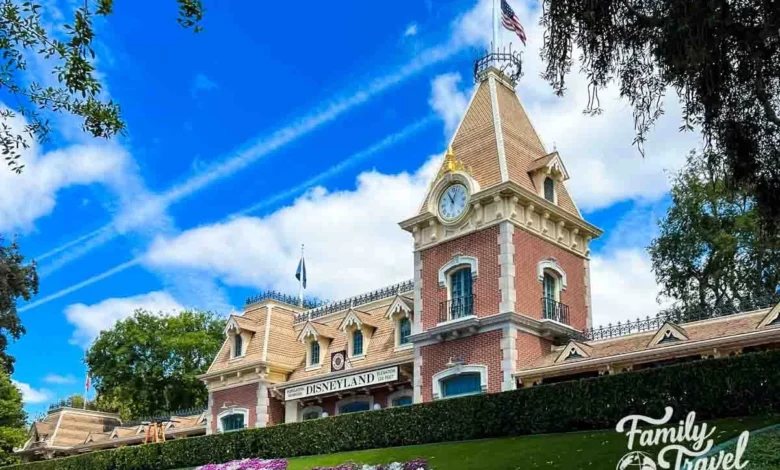
The Disneyland Resort in Anaheim, California, has transitioned into a sophisticated multi-gate destination that necessitates strategic planning for guests wishing to maximize their experience across its two distinct theme parks: Disneyland Park and Disney California Adventure. As the resort continues to evolve its ticketing structures and guest management systems, the concept of "park hopping"—the ability to visit both theme parks on the same day—has become a central pillar of the Southern California tourist economy. This practice, while offering unparalleled flexibility, is governed by a specific set of regulations, including time-bound entry requirements and a digital reservation system that reflects Disney’s broader shift toward data-driven capacity management.
The Framework of Modern Park Hopping
Park hopping at the Disneyland Resort is defined as a premium ticket add-on that grants guests the ability to traverse the Esplanade—the pedestrian plaza separating the two gates—and enter the second park after a designated time. Currently, the resort mandates that guests begin their day at the park for which they have a confirmed reservation. After 11:00 AM, guests with a Park Hopper ticket or a Magic Key pass may cross over to the other park, provided that park has not reached capacity.
This 11:00 AM threshold represents a significant shift from previous post-pandemic regulations, which restricted hopping until 1:00 PM. The adjustment was implemented in early 2023 following guest feedback and an internal analysis of crowd flow patterns. Once a guest has entered their second park after the 11:00 AM mark, they are permitted to move back and forth between the two locations as frequently as they desire for the remainder of the operating day.
Chronology of the Two-Park System
The logistical necessity of park hopping was born on February 8, 2001, with the grand opening of Disney California Adventure (DCA). Prior to this, Disneyland was a single-gate destination where a standard ticket sufficed for the entire property. The expansion transformed the resort into a multi-day destination, mirroring the "hub and spoke" model of its larger counterpart, Walt Disney World in Florida.
The timeline of park hopping evolution at the resort includes several key milestones:
- 2001–2019: The traditional era of park hopping, where guests used physical tickets or paper FastPasses to move freely between gates at any time of day.
- March 2020 – April 2021: The resort remained closed due to the global COVID-19 pandemic.
- April 2021: Upon reopening, Disney introduced the "Park Access Reservation System." Initially, park hopping was strictly limited to after 1:00 PM to ensure social distancing and predictable staffing levels.
- February 2023: In response to consumer demand for more flexibility, the hopping time was moved up to 11:00 AM, where it remains today.
- July 2024: The transition from "Disney Genie+" to "Lightning Lane Multi Pass" integrated park-hopping capabilities into a more streamlined digital booking interface.
Supporting Data and Economic Impact
The decision to add park-hopping capabilities is an economic one for both the consumer and the Walt Disney Company. For the 2024 season, the cost to add a Park Hopper option to a single-day ticket typically ranges from $65 to $75, depending on the tier and demand. For multi-day tickets, the flat fee for the hopper add-on is applied to the total duration of the ticket, often making it more cost-effective for guests staying three or more days.
Data from travel industry analysts suggests that approximately 40% to 60% of multi-day visitors opt for the Park Hopper add-on. This revenue stream is vital for the resort’s "Per Capita Guest Spend" metrics. Furthermore, the physical proximity of the two parks—located roughly 300 feet apart across the Esplanade—makes park hopping at Disneyland significantly more popular than at Walt Disney World, where parks are separated by miles of highway and require bus, monorail, or skyliner transportation.
Integration with Lightning Lane Multi Pass
A critical component of the modern park-hopping strategy is the Lightning Lane Multi Pass system. This digital service, which replaced the previous Genie+ system, allows guests to book arrival windows for popular attractions. When a guest possesses a Park Hopper ticket, the Disneyland mobile app automatically recognizes their eligibility to book attractions in the second park.
For example, a guest starting their day at Disneyland Park can, while standing in line for "Space Mountain," use their smartphone to book a 12:30 PM Lightning Lane for "Radiator Springs Racers" in Disney California Adventure. This technological integration has effectively gamified the theme park experience, rewarding guests who understand the digital ecosystem and the timing of the 11:00 AM crossover.
Logistical Infrastructure: Lockers, Dining, and Re-entry
While park hopping involves moving between two different gates, Disneyland also maintains a liberal re-entry policy for guests staying within the same park. Visitors are permitted to leave the park to return to their hotels for rest, use the amenities at the Downtown Disney District, or dine at the flagship Disney hotels.
To facilitate this, the resort provides several tiers of locker rentals:
- In-Park Lockers: Located on Main Street, U.S.A. and Buena Vista Street. These are ideal for guests spending the majority of their time in one location.
- Esplanade Lockers: Located outside the gates. These are strategically positioned for park hoppers, allowing them to access their belongings without re-entering a specific park.
Dining also plays a pivotal role in hopping logistics. Disney California Adventure is often viewed as the premier destination for adult-oriented dining and alcoholic beverages, featuring the Carthay Circle Restaurant and the annual Food & Wine Festival. Conversely, Disneyland Park is home to iconic "bucket list" dining experiences like the Blue Bayou. Park hopping allows families to balance the whimsical, quick-service nature of Disneyland with the more refined table-service options in California Adventure.
Official Responses and Strategic Positioning
In various quarterly earnings calls and media briefings, Disney executives have emphasized that the reservation and park-hopping systems are tools for "optimizing the guest experience." By requiring a starting park reservation, Disney can predict staffing needs for security, custodial, and ride operations teams with high precision.
Josh D’Amaro, Chairman of Disney Experiences, has frequently noted that the goal of these systems is to "spread the load" across the resort. By restricting hopping until late morning, the resort prevents a massive surge of guests from overwhelming one park during the critical opening hours, which are typically the busiest for high-demand attractions like "Star Wars: Rise of the Resistance."
The Impact on the Anaheim Resort District
The nuances of park hopping extend beyond the berm of the theme parks and into the city of Anaheim. The "Anaheim Resort District" comprises dozens of "Good Neighbor" hotels that rely on the foot traffic generated by the two-park system.
Industry experts observe that the ease of park hopping at Disneyland encourages guests to book shorter, more intensive stays. Because it is physically possible to experience the highlights of both parks in a single 16-hour day, there is a high demand for hotels within walking distance (such as those along Harbor Boulevard). Hotels like the Howard Johnson Anaheim Hotel & Water Playground and the Westin Anaheim Resort have tailored their marketing to highlight their proximity to the Esplanade, directly appealing to the "mid-day break" crowd that leaves the park to rest before returning for evening fireworks or "World of Color" performances.
Broader Implications and Future Outlook
The current state of park hopping at Disneyland serves as a blueprint for the "Disneyland Forward" initiative—a multi-decade expansion plan recently approved by the Anaheim City Council. This $1.9 billion investment is expected to introduce new themed lands and potentially blur the lines between the theme parks, retail districts, and hotel properties.
As the resort expands, the concept of a "gate" may continue to evolve. There is ongoing speculation among industry analysts that Disney may eventually move toward a "frictionless" entry system using biometric or advanced RFID technology, further easing the transition between parks.
For the modern traveler, the implication is clear: the Disneyland experience is no longer a passive one. It requires a mastery of the 11:00 AM rule, a deep understanding of the reservation calendar, and a strategic approach to digital booking tools. Those who navigate these systems effectively find that park hopping is not merely an add-on, but the most efficient way to consume the vast array of narratives, from the nostalgic corridors of Fantasyland to the cinematic immersion of Avengers Campus.
In conclusion, park hopping at Disneyland Resort represents the intersection of classic Disney storytelling and modern logistical management. It reflects a broader trend in the travel industry toward "flexibility within a framework," where guests are given the freedom to choose their path, provided they adhere to the digital guardrails established by the resort’s operational leadership. As Disneyland moves toward its 70th anniversary in 2025, the Park Hopper ticket remains the essential tool for the comprehensive Southern California Disney experience.