The Evolution of the Private Jet Expedition
The concept of the private jet expedition has undergone a rapid transformation over the last decade. Once defined by multi-month voyages that spanned the globe in a blur of transit, the industry is seeing a clear pivot toward "micro-expeditions." By shortening the duration of these trips without sacrificing the quality of the stay or the exclusivity of the access, Aman and Remote Lands are addressing a demographic shift. Today’s luxury traveler—often a business leader, entrepreneur, or philanthropist—faces increasing constraints on their time, prioritizing high-impact, culturally immersive experiences over long-duration transit.
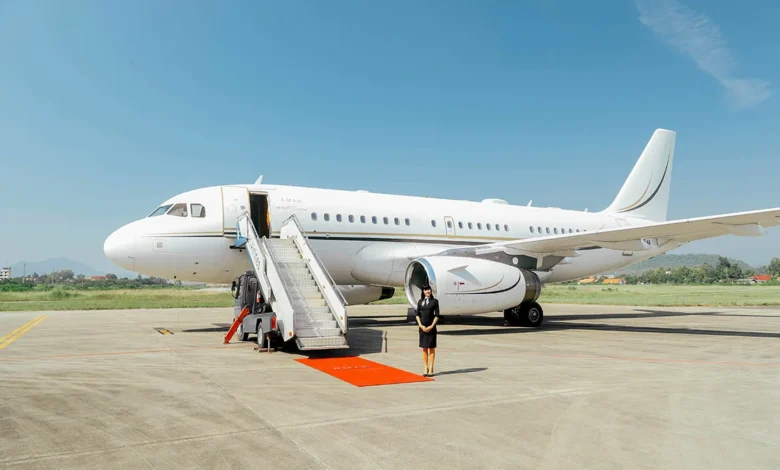
The 2028 program utilizes the Airbus ACJ 319, a corporate jet variant renowned for its exceptional range and cabin comfort. This aircraft acts as the mobile hub of the experience, ensuring that the transition between remote landscapes and urban centers is as seamless as the service provided within the Aman properties themselves.
Cultural Treasures of Asia: A 15-Night Odyssey
The first of the 2028 marquee offerings, "Cultural Treasures of Asia," is scheduled to run from March 4 to March 19. Priced from $164,888 per person based on double occupancy, this itinerary is a deliberate deep dive into the spiritual and historical architecture of the continent.
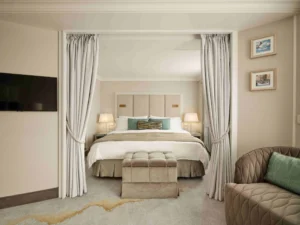
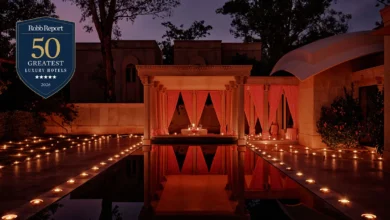
The journey commences in Tokyo, where guests are granted access to the minimalist sanctuary of Aman Tokyo. The programming here is emblematic of the partnership’s focus on authentic cultural exchange; guests may engage in private culinary instruction with master chefs or participate in traditional samurai sword training. From Japan, the expedition transitions to Cambodia. The highlight of this leg is an aerial exploration of Angkor Wat. By utilizing private helicopters to view the world’s largest religious monument, travelers gain a perspective typically unavailable to the general public, effectively bypassing the logistical hurdles associated with ground-level tourism in high-traffic archaeological zones.

The itinerary continues with a trek through the dramatic landscapes of Tiger Leaping Gorge in China, followed by a visit to the cliffside Tiger’s Nest Monastery in Bhutan. The final chapter of this expedition is set in India, providing a private viewing experience of the Taj Mahal, an inclusion that underscores the "extraordinary access" promised by the organizers.
From Islands to Ancient Worlds: The October 2028 Experience
Later in the year, the "From Islands to Ancient Worlds" expedition offers a more geographically diverse trajectory. Taking place over 17 nights in October with a starting price of $198,888 per person, this route bridges the gap between East Asia, the Middle East, and the Mediterranean.
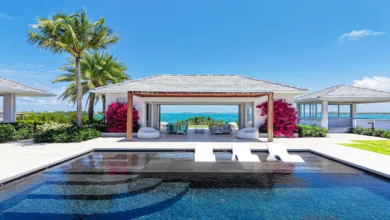
The journey begins at Aman Kyoto, focusing on the refined aesthetics of Japanese Zen tradition, including private geisha ceremonies and meditation sessions. The itinerary then pivots to the tropical environments of the Philippines and Indonesia. Specifically, guests will explore Central Java’s UNESCO World Heritage sites before proceeding to the Maldives. A significant point of interest for this specific trip is the inclusion of the yet-to-be-opened Amanpulo in the Maldives, which is slated for its official debut in 2028. This addition serves as a primary draw for repeat Aman loyalists interested in being among the first to experience the group’s newest coastal flagship.
The final segments of the journey transition into the historic hubs of the Middle East and Europe, including stops at the Jumeirah Burj Al Arab in Dubai, the rugged Adriatic coastline of Montenegro, and the cultural crossroads of Istanbul.
Official Perspectives on Luxury Travel
Catherine Heald, the chairman, CEO, and founder of Remote Lands, has positioned these 2028 expeditions as the culmination of 14 years of operational refinement. In a recent press statement, Heald emphasized that the value proposition of these trips lies in the "deeper connection" fostered by the travel operator’s global network.

"Our 2028 Aman Jet Expeditions represent the very best of what we do: extraordinary access, thoughtful cultural immersion, and seamless, highly personalized travel," Heald noted. "From the ancient wonders of Asia to idyllic islands and historic cities, each journey has been meticulously designed to give our guests a deeper connection to the places they visit while experiencing them in unparalleled comfort and style."
The operational success of these expeditions relies on a high ratio of staff to guests. Each traveler is assigned a dedicated luxury vehicle, a personal driver, and a local guide. This modular structure allows for a high degree of customization; while the jet follows a fixed schedule, the ground activities are tailored to the specific interests of the individual or couple.
Market Implications and Industry Context
The rise of such high-end expeditions reflects a broader trend in the luxury travel sector, where the "barrier to entry" for truly unique experiences is becoming increasingly financial. As the market for private aviation grows, the differentiation between operators has shifted from the luxury of the jet itself to the exclusivity of the experiences on the ground.
By partnering with a hotel brand as well-regarded as Aman, Remote Lands effectively creates a "closed-loop" ecosystem. Guests do not need to worry about the logistics of local transportation, high-end accommodation, or entry to restricted sites, as the brand presence of Aman ensures a consistent standard of service from Tokyo to Montenegro.
From a macroeconomic perspective, these expeditions serve as a barometer for the health of the ultra-high-net-worth (UHNW) travel market. Despite global economic fluctuations, demand for bespoke, time-efficient, and secure travel options has remained resilient. The trend toward shorter, more intense trips—as seen in the 2028 itineraries—also suggests that the wealthy are increasingly valuing "time-wealth" over sheer duration. A two-week trip that covers five countries with zero friction is now more desirable than a month-long trip that involves standard commercial layovers and logistical delays.

A Chronology of Collaboration
The partnership between Aman and Remote Lands, which began in 2013, has moved through several distinct phases:
- 2013–2016: The foundational years, focusing on established luxury routes in Southeast Asia.
- 2017–2020: The expansion phase, incorporating more complex, multi-continent itineraries and larger groups.
- 2021–2025: The "resilience" phase, which saw the development of private jet charters in response to the global pandemic, prioritizing health, safety, and exclusivity.
- 2026–Present: The "customization" phase, where the focus has shifted toward hyper-personalized, shorter itineraries and the integration of new property openings, such as the 2028 launch of Amanpulo.
Future Outlook
As the industry looks toward 2028, the success of these programs will likely be measured not just by ticket sales, but by the ability of the organizers to continue securing access to sites that are increasingly limiting tourism. The ability of Remote Lands to leverage its network to provide "private" access to sites like Angkor Wat or the Taj Mahal is the primary competitive advantage that justifies the six-figure price tags.
For those considering these expeditions, the primary appeal is the elimination of the "friction of travel." In an era where airport security, flight delays, and logistical planning can dominate a high-end vacation, the Aman/Remote Lands model provides a turnkey solution that caters to the elite traveler’s desire for efficiency. While the 2028 dates remain several years away, the early announcement of these itineraries allows the organizers to manage demand and curate the guest list for each flight, ensuring a high level of exclusivity that remains the hallmark of the Aman brand. As luxury travel continues to evolve, the integration of private aviation with high-touch, culturally immersive ground experiences is set to remain the gold standard for global exploration.