Tierra de Patagones A Journey into the South Atlantic documents an ambitious maritime expedition

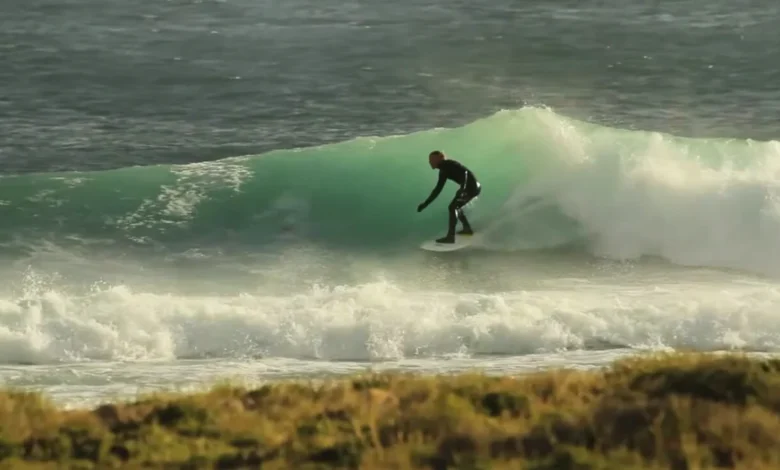
The documentary film Tierra de Patagones: A Journey into the South Atlantic, produced by the acclaimed adventure filmmaking duo known as the Gauchos del Mar, chronicles a rigorous six-month expedition undertaken by brothers Joaquin and Julian Azulay. The film follows the siblings as they traverse the rugged landscape of southern Argentina, navigate the perilous waters of the South Atlantic, and attempt to become the first individuals to document surfing on the isolated and uninhabited Isla de los Estados.
The Objective and Geographical Context
For years, Joaquin and Julian Azulay have carved a reputation for themselves by documenting remote surf breaks across the Americas. However, despite their extensive international travel, they identified a significant gap in their own experience: the extreme southern tip of their native Argentina. The brothers conceptualized this expedition not merely as a surfing trip, but as a comprehensive exploration of the cultural and geographical identity of Patagonia.
Isla de los Estados, located at the eastern end of the Tierra del Fuego archipelago, is separated from the mainland by the Le Maire Strait. The island is characterized by its jagged coastline, dense forests, and unpredictable sub-Antarctic climate. It is a strictly protected nature reserve, and human presence is largely restricted to a small, permanent naval detachment, making it one of the most secluded and challenging environments for maritime transit in the region.
Chronology of the Expedition
The journey commenced in Buenos Aires, with the brothers embarking on a long-haul transit to the southernmost city in the world, Ushuaia. This initial phase of the trip served as a cultural immersion, allowing the filmmakers to interact with the local communities that define the Patagonian frontier.
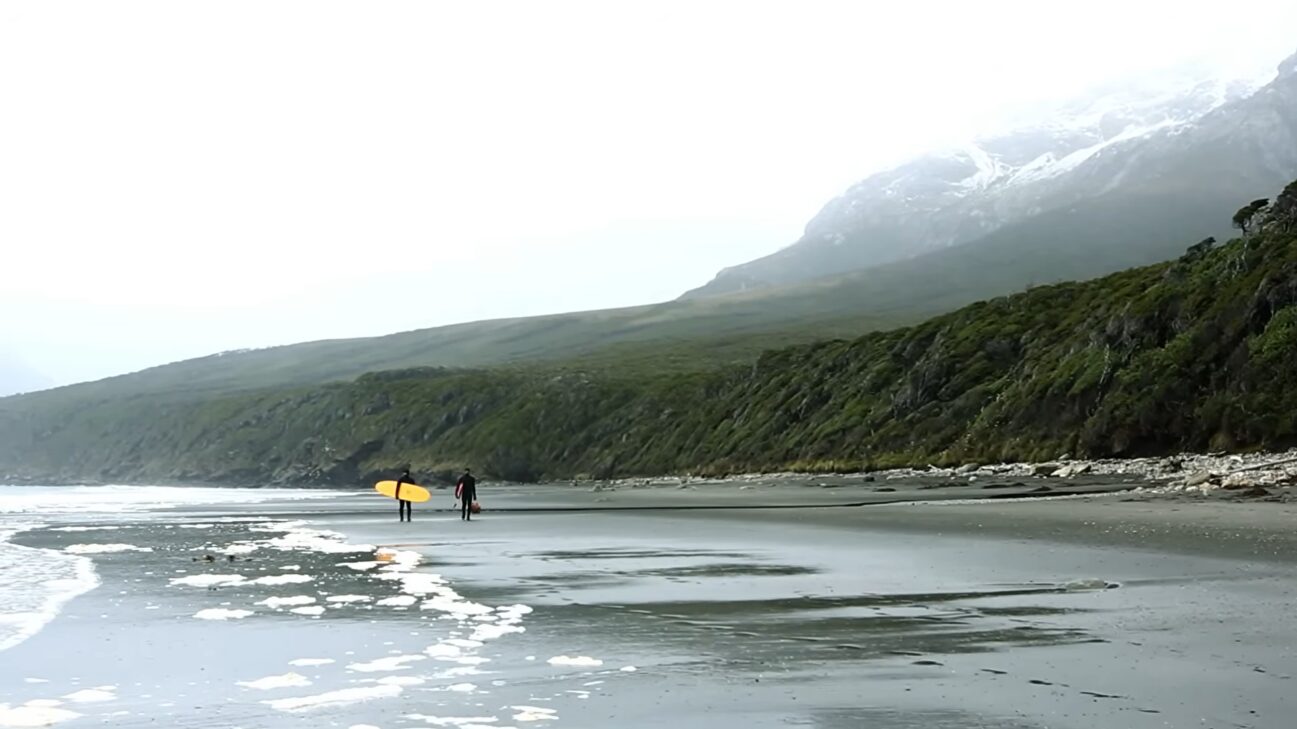
Upon reaching Ushuaia, the brothers secured passage with Captain Mono, a veteran mariner operating the Mago del Sur, a small sailboat capable of withstanding the harsh conditions of the South Atlantic. The expedition, however, faced immediate logistical hurdles. The region is notorious for the "Furious Fifties"—a belt of strong westerly winds found between the latitudes of 50 and 60 degrees.
Due to severe weather patterns that rendered the Beagle Channel impassable for a vessel of their size, the crew was forced to delay their departure. During this downtime, the brothers engaged in local labor, assisting in agricultural harvests to sustain themselves. Once a weather window emerged, they departed the Beagle Channel, though they were soon forced to seek refuge in Bahía Aguirre, an abandoned bay that serves as a waypoint for maritime travelers. During this period of isolation, the team documented the lives of the few remaining gauchos working the remote, wind-swept ranches that characterize the region’s sparse interior.
Technical Challenges and Maritime Risks
The final approach to Isla de los Estados presented significant technical difficulties. The coastline of the island is dominated by submerged reefs and heavy swells, which posed a constant threat to the Mago del Sur. At one critical juncture, the expedition’s support motorboat suffered a mechanical failure near the surf break. In a display of technical resilience, the brothers entered the frigid waters on their surfboards to perform emergency repairs, a testament to the risks involved in pursuing extreme sports in high-latitude environments.
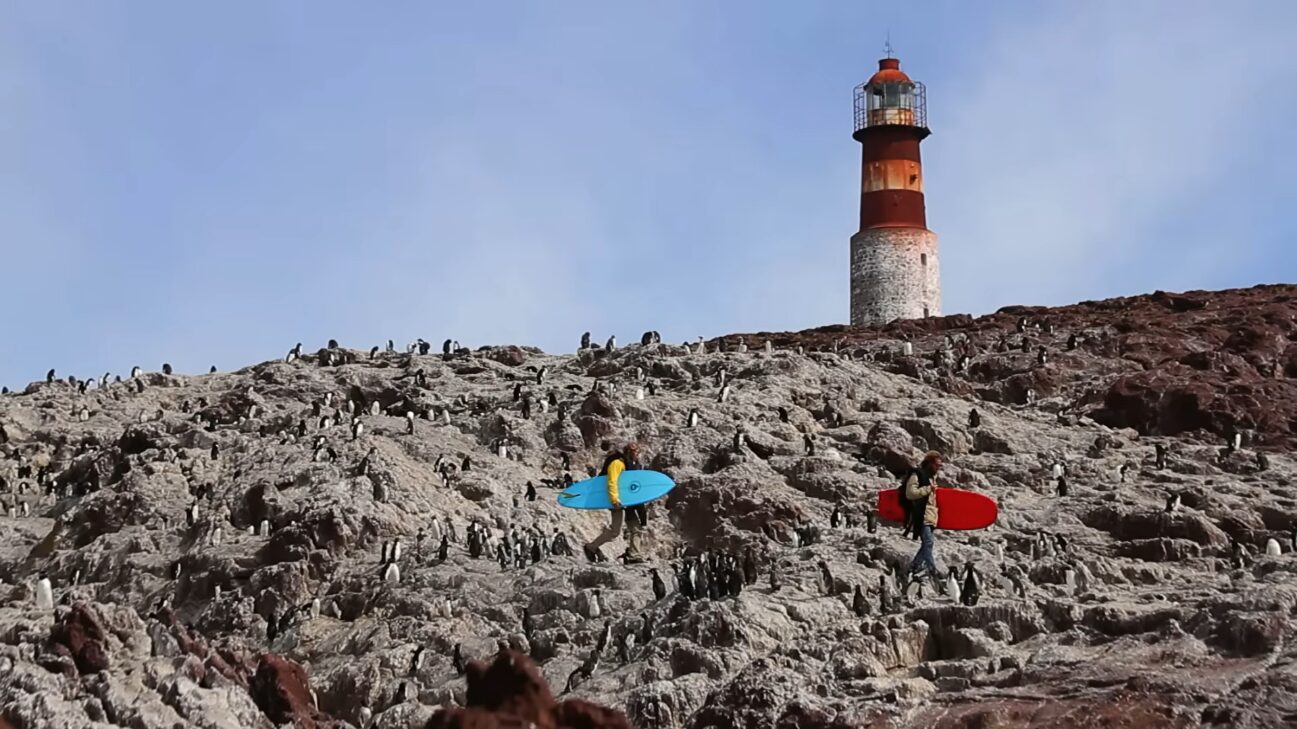
The island itself offered a somber landscape of historical significance. Beyond the surf, the film captures footage of the 19th-century San Juan de Salvamento prison, an abandoned penal colony that was once the southernmost prison in the world, as well as the ruins of an old lighthouse and a decaying cemetery. These sites underscore the island’s history as a place of exile and maritime disaster.
Supporting Data: The Climate of the South Atlantic
The success of the expedition was entirely dependent on the narrow parameters provided by the South Atlantic’s weather systems. According to meteorological data for the region, the area surrounding Isla de los Estados experiences average annual wind speeds exceeding 30 knots, with wave heights frequently reaching between three and five meters even during calmer periods. The decision to navigate these waters in a small craft represents a significant risk profile, requiring a precise understanding of barometric pressure shifts and tidal currents.
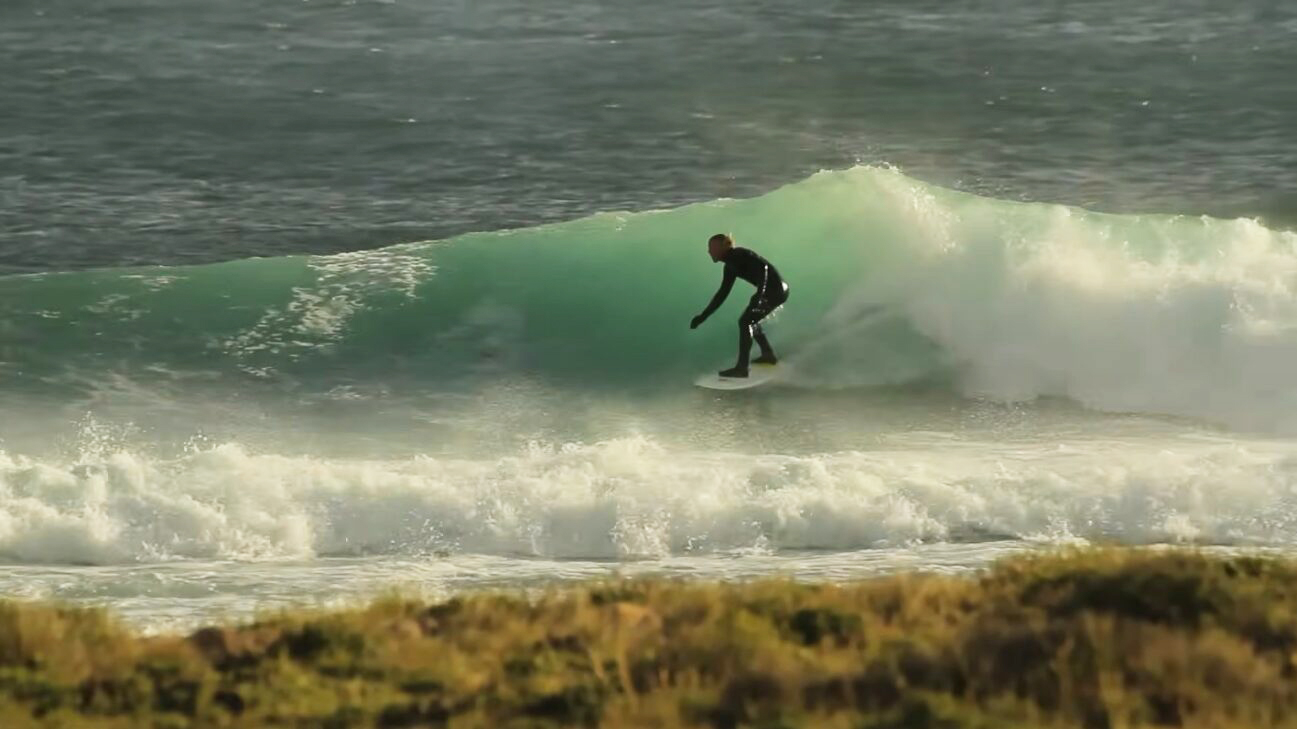
The "Furious Fifties" contribute to a complex maritime environment where sea surface temperatures hover between 4°C and 8°C throughout the year. For the Azulay brothers, this necessitated the use of specialized 5/4mm wetsuits with integrated hoods and thermal boots to prevent hypothermia during their attempts to surf.
Cultural and Environmental Implications
The documentary serves as more than an adventure log; it functions as a visual record of a region that remains largely off-limits to the general public. By focusing on the intersection of human history—the gauchos and the abandoned prison—and the natural history of the island, the brothers highlight the fragility of the South Atlantic ecosystem.
The interaction with local wildlife, including colonies of rockhopper penguins and the dense, sub-Antarctic vegetation, provides a rare look at an ecosystem that has been spared from mass tourism. The film implicitly touches upon the importance of conservation in the Tierra del Fuego province, where the local government maintains strict regulations regarding landing on protected islands to ensure the preservation of nesting sites and marine habitats.
Reflections on the Goal
The culmination of the project—the discovery and successful surfing of the waves at Isla de los Estados—was arguably the least certain aspect of the mission. Upon arrival, the initial surf conditions were unfavorable, leading to a period of exploration on foot. It was only on the final day of their stay that the swell increased, providing a window for the brothers to complete their objective.
While the waves themselves were described as moderate, the symbolic importance of the act was the true focal point for the filmmakers. By the time they set sail back to Ushuaia, the brothers had successfully navigated the legal, environmental, and physical barriers that have kept the island isolated for decades.
Broader Impact and Industry Reception
The release of Tierra de Patagones adds to a growing body of work by the Gauchos del Mar that emphasizes "slow travel." In an era where extreme sports are often characterized by high-speed, digitally enhanced content, this project stands out for its methodical approach and its reliance on traditional maritime skills.
Industry observers have noted that the documentary effectively captures the "end-of-the-world" aesthetic that defines the southern tip of South America. By documenting the logistical failures—the mechanical issues, the weather delays, and the lack of surf—the film provides an honest assessment of what it means to conduct an expedition in one of the planet’s most unforgiving regions.
Ultimately, the journey of the Azulay brothers stands as a significant case study in modern exploration. It demonstrates that even in the 21st century, there remain corners of the globe where the environment dictates the pace of human activity, and where the achievement of a goal is secondary to the experience of the transit itself. The film is currently available for public viewing, providing viewers with a detailed look at a region that continues to influence the collective imagination of sailors, surfers, and explorers worldwide.
Related posts: