The Evolution of Destination Nuptials: Why Multi-Day Exclusive-Use Resort Weddings Are Reshaping the Global Hospitality Industry

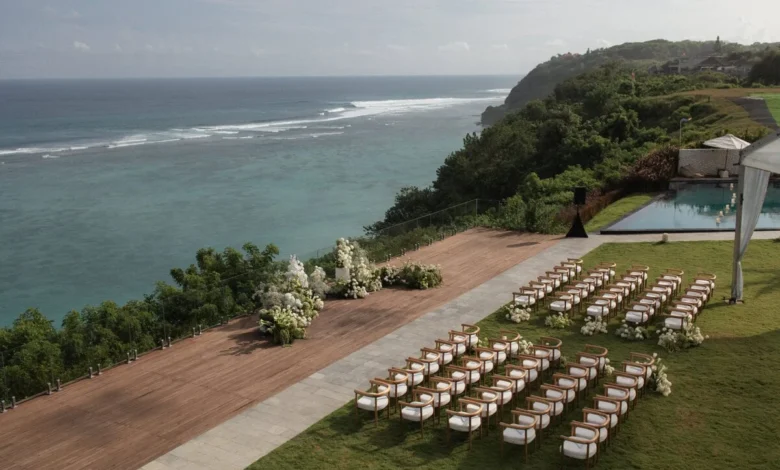
The traditional wedding model—defined by a singular, compressed evening of ceremonies, formal dining, and hurried goodbyes—is rapidly undergoing a structural transformation. Across the global destination events market, an increasing number of couples are rejecting the constraints of the one-day format in favor of multi-day celebrations. This shift has particularly taken root in premier international locations like Bali, where exclusive-use resort buyouts allow entire wedding parties to inhabit a singular property over several days, fostering an environment of extended engagement rather than fleeting interactions.
Industry analysts note that this trend reflects broader changes in consumer preferences within luxury travel and experiential event planning. Rather than treating a wedding as a high-pressure, single-night performance, hosts are utilizing multi-day itineraries to maximize time spent with guests, integrate local cultural elements, and alleviate the logistical friction traditionally associated with large-scale destination events.
The Structural Shift: Moving Beyond the Single-Day Model
In a conventional single-night wedding, guests often travel hundreds or thousands of miles only to experience a tightly orchestrated sequence of events lasting mere hours. Introductions, formal ceremonies, dinner service, and dancing are compressed into a timeline that leaves little room for unscripted interaction. Attendees who may not have seen each other for years frequently find themselves exchanging only brief pleasantries across crowded reception tables.
By contrast, multi-day celebrations alter the temporal rhythm of the event. When guests arrive over the course of a designated window, they are given time to acclimatize to the environment, recover from long-haul flights, and ease into the social dynamic of the group. According to event coordinators, this preliminary decompression period is crucial. Conversations occur naturally during breakfast or around shared recreational spaces rather than being rushed between structured courses. Consequently, by the time the actual wedding ceremony occurs, the assembly of guests has already formed a cohesive social unit, significantly shifting the emotional resonance of the main event.
Exclusive-Use Resorts and Logistical Efficiency
A central component of this trend is the demand for exclusive-use property buyouts. In this operating model, an entire resort—including accommodation units, dining areas, and recreational infrastructure—is reserved exclusively for a single party. This eliminates the presence of outside hotel guests, securing complete privacy across communal zones such as pool decks, rooftop lounges, and cliffside restaurants.
From a management and planning perspective, exclusive-use contracts streamline complex event logistics. Coordinating hundreds of guests across multiple commercial hotels often introduces friction related to disparate check-in times, off-site transportation, and fragmented group activities. Consolidating an entire wedding party under one roof eradicates these variables. Shared transfers, group excursions, and communal dining schedules can be synchronized centrally, minimizing the administrative overhead typically shouldered by the couple or their designated wedding planners.
Geographical Focus: The Rise of Southern Bali’s Clifftop Venues
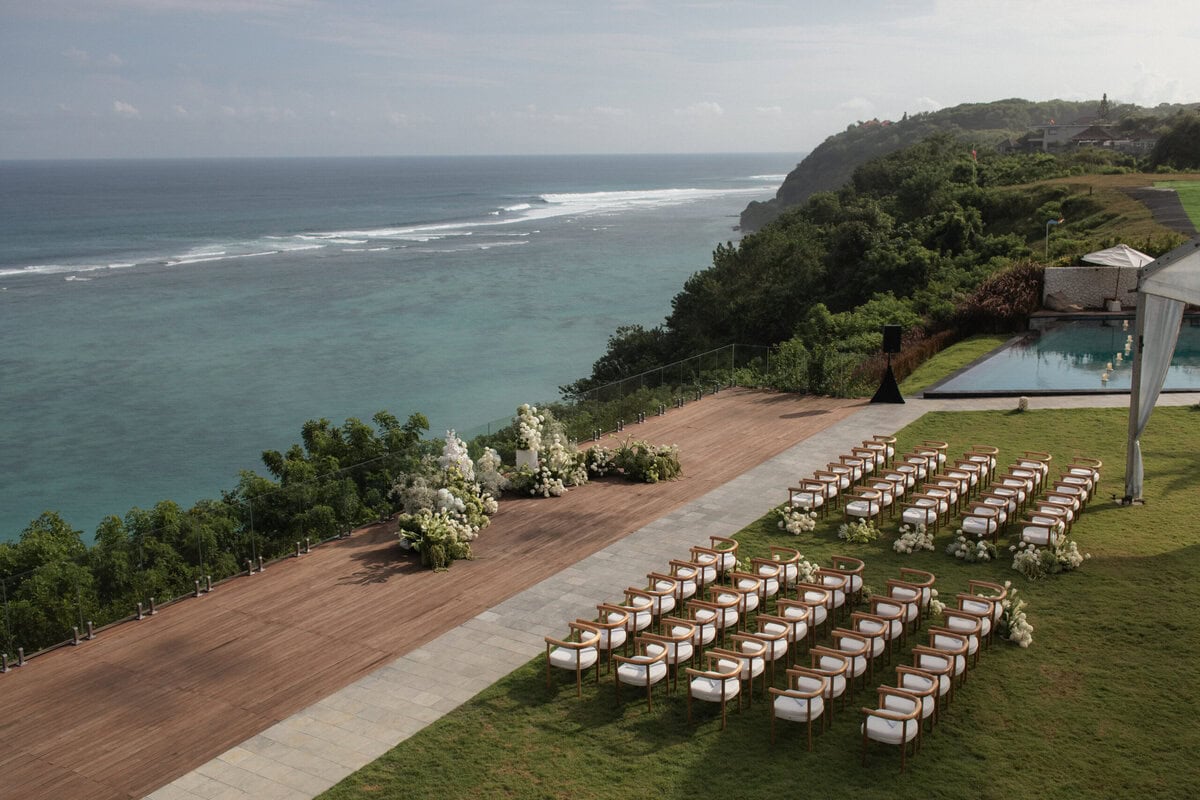
While historical destination wedding markets in Bali heavily favored the expansive beachfront properties of areas like Nusa Dua, recent demand patterns highlight a pivot toward the island’s dramatic southern coastline. The limestone cliffs overlooking the Indian Ocean offer distinct geographical advantages over sea-level beaches, including elevated vantage points, open horizons, and consistent oceanic airflow that moderates the tropical climate.
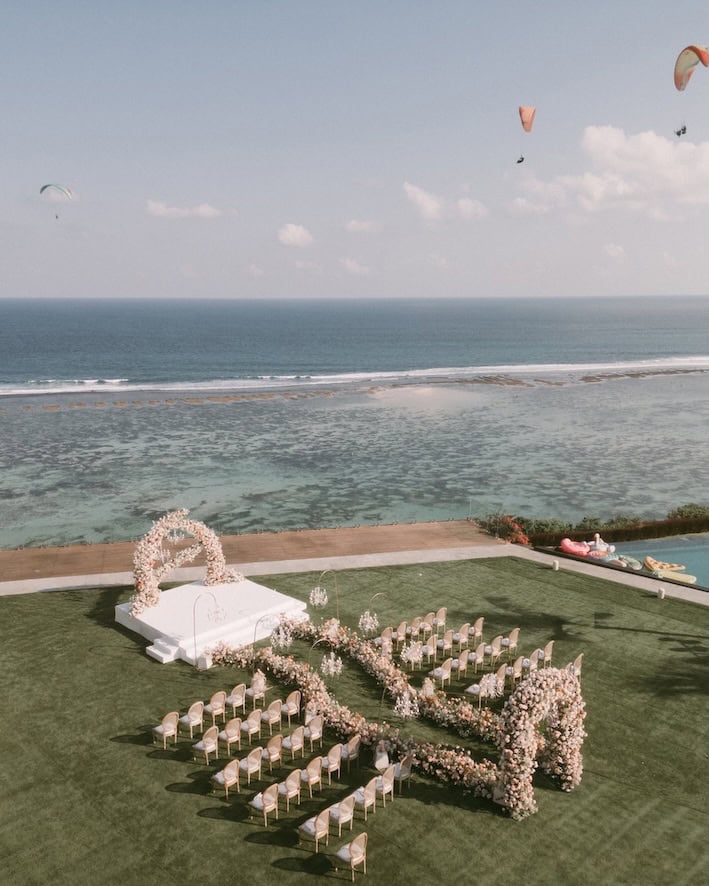
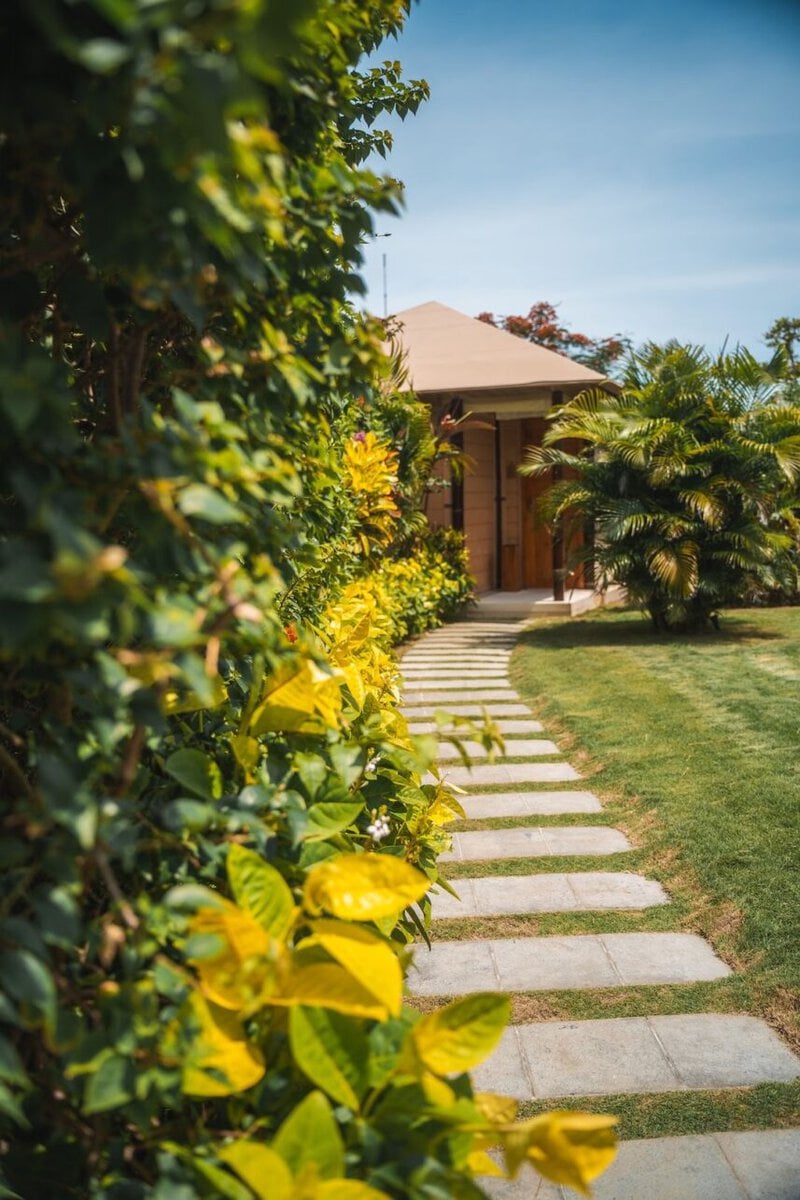
Properties situated along these clifftops—such as Glamp Nusa, which developed its tented suites in partnership with design firm Escape Nomade—capitalize on this topography. Utilizing natural materials and localized architectural configurations, these venues aim to align with the traditional Balinese philosophical framework of Tri Hita Karana, which emphasizes harmony between humanity, nature, and the spiritual realm.
Industry observers note that such spatial orientations are not merely aesthetic choices; they actively influence guest behavior. Cliffside positioning inherently creates centralized sunset vantage points, drawing attendees together organically at specific intervals during the late afternoon. Furthermore, the acoustic profile of elevated coastal locations often provides a degree of acoustic isolation from busier commercial districts, contributing to an atmosphere of seclusion.
Chronological Structuring of Multi-Day Itineraries
Designing an effective multi-day destination wedding requires a delicate balance between programmed activities and unstructured downtime. Event management professionals generally recommend a four-part chronological framework to optimize guest satisfaction and minimize logistical fatigue.
Arrival Day: Decompression and Orientation
The initial day of a multi-day itinerary is deliberately unscripted. Recognizing the fatigue associated with international travel, hosts typically schedule a relaxed welcome dinner free from formal speeches or rigid timelines. This allows guests to settle into their accommodations and adjust to the local environment at their own pace.
The Intermediary Days: Organic Socialization and Flexibility
The days separating arrival from the primary ceremony represent the core value proposition of the multi-day model. During this phase, guests self-organize around wellness sessions, cultural excursions, or localized exploration, reconvening during pre-planned evening anchors such as rooftop gatherings or communal dinners. Planners advise limiting formal group obligations to two or three major touchpoints per day, leaving the remaining hours open for individual relaxation.
The Wedding Day: Contextualized Celebration
When the ceremony finally takes place, it is no longer an isolated event operating in a vacuum. Instead, it serves as the emotional apex of several days of shared experiences. Event coordinators note that the visual scale of clifftop backdrops often carries significant weight, reducing the reliance on excessive physical ornamentation or expansive decor budgets.
The Recovery Day: Unhurried Departures
To counteract the abrupt dispersal typical of traditional weddings, multi-day itineraries frequently conclude with an intentional "recovery day." Featuring unhurried communal breakfasts and flexible departure schedules, this closing period allows guests to process the experience collectively before transitioning back to international transit.
Economic and Practical Implications
Financially, exclusive-use multi-day resort buyouts generally sit at the higher end of the global event budgeting spectrum. However, industry analysts emphasize that comparing these costs directly to a single-night venue rental is misleading. Because accommodation, catering infrastructure, and recreational amenities are bundled into an integrated package rather than contracted piecemeal, the expenditure structure is fundamentally different.

Practical planning considerations for hosts and attendees remain stringent. While Bali’s climate permits year-round event scheduling, the dry season—extending roughly from April through October—offers the most predictable weather patterns, though shoulder months frequently attract lower general tourist traffic. International arrivals typically route through Ngurah Rai International Airport, with southern peninsula destinations requiring centralized ground transfers ranging from 30 to 45 minutes depending on traffic density.
Expert Insights and Regulatory Frameworks
As the multi-day destination wedding market matures, industry professionals emphasize the necessity of specialized administrative oversight. Venue operators consistently recommend that couples engaging in multi-day buyouts retain a dedicated professional wedding planner 12 to 18 months in advance, particularly for peak-season dates. While resort staff manage property-related logistics, independent planners are viewed as essential for coordinating complex vendor timelines, styling, and multi-day guest programming.
Additionally, legal compliance remains a critical consideration for foreign nationals. Because civil marriage regulations for non-citizens in Indonesia involve complex legal documentation procedures, a substantial percentage of international couples elect to execute their formal legal marriages within their home countries, utilizing their time in Bali to perform symbolic ceremonies. Early consultation with venue event teams and legal advisors is strongly encouraged to navigate these requirements efficiently.
Ultimately, the steady transition toward multi-day, exclusive-use destination weddings signals a broader recalibration within the hospitality sector. By prioritizing extended communal time and experiential travel over compressed ceremonial timelines, modern couples are reshaping how significant life events are celebrated, documented, and remembered.