Rethinking the Thanksgiving Menu: A Modern Approach to Balancing Nutrition and Tradition

The Thanksgiving holiday, deeply rooted in North American tradition, has historically been characterized by indulgent, calorie-dense feasts that often emphasize heavy fats, refined carbohydrates, and sugary desserts. However, contemporary culinary trends and shifting consumer preferences have prompted a reevaluation of what constitutes a quintessential Thanksgiving meal. Rather than advocating for the total elimination of traditional staples like butter-rich mashed potatoes or elaborate pies, modern nutritionists and chefs are increasingly focusing on the concept of culinary balance. By integrating fiber-rich greens, plant-forward proteins, and seasonal produce, hosts are finding that they can maintain the festive spirit of the holiday while mitigating the post-meal malaise often associated with overconsumption.
The Evolution of the Thanksgiving Feast
The history of the Thanksgiving dinner in the United States has evolved from a rudimentary harvest celebration to a highly structured, elaborate event. In the 19th century, the menu was largely dictated by what was available on the farmstead, focusing on local poultry, wild game, and seasonal squash. By the mid-20th century, the industrialization of food production introduced processed ingredients and standardized recipes, which contributed to the rise of the "beige" meal—a plate dominated by gravy, white starches, and heavy proteins.
Recent data from the U.S. Department of Agriculture (USDA) and various health-focused culinary organizations suggest that the average American consumes between 3,000 and 4,500 calories during the Thanksgiving meal, with a significantly high proportion of those calories coming from saturated fats and added sugars. This caloric intake is nearly double the recommended daily allowance for most adults, leading to growing public health concerns regarding holiday-related weight gain and metabolic stress.
Strategies for Culinary Equilibrium
To combat the nutritional imbalance of the traditional feast, culinary experts are advocating for a "compositional approach" to menu planning. This strategy does not mandate the removal of traditional favorites but rather emphasizes the addition of contrasting elements.
Bitter greens, such as radicchio, kale, or endive, serve as a vital counterpoint to the richness of buttery mashed potatoes. From a sensory and chemical perspective, the bitterness of these greens stimulates the palate and breaks through the heavy mouthfeel of fat, effectively enhancing the flavor profile of the starch. Similarly, the inclusion of tart cranberries—which provide natural acidity—serves as an essential palate cleanser against the salt-heavy profile of traditional turkey gravy.
Furthermore, integrating plant-forward dishes such as legumes, whole grains, and cruciferous vegetables adds essential dietary fiber. Fiber is critical for digestion, particularly when consuming large quantities of food, as it slows the absorption of glucose and helps regulate satiety signals, potentially reducing the likelihood of overeating.
Chronology of Modern Holiday Trends
The shift toward healthier holiday options has not occurred in a vacuum; it is the result of a multi-decade trend toward wellness-conscious dining.
- 1990s–2000s: The rise of the "Low-Fat" and "Low-Carb" diet crazes saw attempts to replace traditional ingredients with synthetic or highly processed alternatives, often resulting in lackluster culinary outcomes.
- 2010s: The "Farm-to-Table" movement gained significant traction, encouraging home cooks to prioritize seasonal, locally sourced vegetables over pre-packaged sides.
- 2020–Present: The COVID-19 pandemic necessitated smaller gatherings and a greater focus on home cooking. This period saw a surge in interest for "plant-forward" and allergy-conscious recipes, as households became more aware of the health implications of their diets and the specific dietary needs of guests, such as gluten sensitivities or veganism.
Addressing Dietary Diversity
Modern Thanksgiving planning requires a more inclusive approach than in previous decades. With the prevalence of dietary restrictions, including lactose intolerance, celiac disease, and ethical plant-based diets, the traditional "meat-and-potatoes" model is increasingly viewed as exclusionary.
According to recent surveys by the International Food Information Council (IFIC), nearly 30% of American consumers now report following a specific eating pattern or diet, ranging from intermittent fasting to gluten-free regimens. Consequently, recipe developers are now focusing on modular menu designs. This involves creating "build-your-own" side dishes or ensuring that primary vegetable courses are prepared without dairy or animal-based fats. By providing high-fiber, high-protein plant-based mains, hosts can ensure that every guest, regardless of dietary preference, has a substantial and satisfying meal.
The Nutritional Impact of Seasonal Produce
The emphasis on seasonal produce—such as Brussels sprouts, winter squash, and root vegetables—is not merely an aesthetic choice; it is a nutritional imperative. Seasonal vegetables are often harvested at their peak, providing a higher concentration of micronutrients, including Vitamin C, Vitamin A, and potassium.
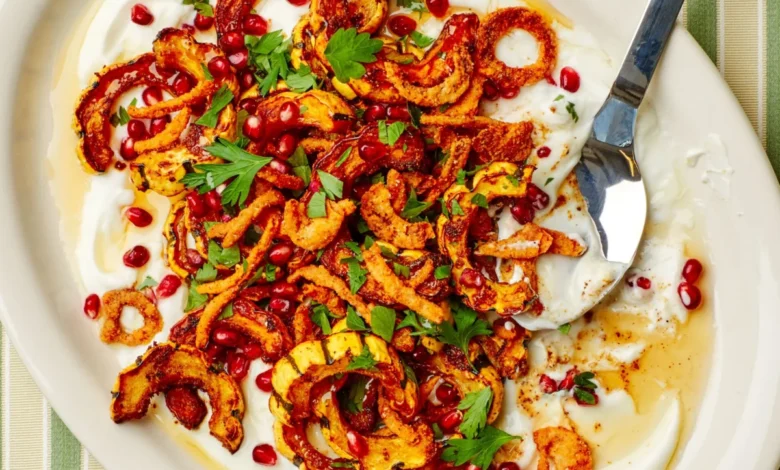
"The goal is to move away from a monochromatic plate," says Dr. Elena Rodriguez, a consulting nutritionist specializing in festive dining. "When you incorporate a variety of colors through roasted carrots, pomegranate-studded salads, and herb-infused grains, you are inherently increasing the phytonutrient density of the meal. This doesn’t mean the mashed potatoes have to go; it means they are part of a more holistic, nutrient-dense narrative."
Industry and Public Response
Professional culinary institutions have largely supported this transition. Leading publications and food networks have pivoted their annual Thanksgiving coverage to feature "make-ahead" appetizers that focus on raw or lightly roasted vegetables, as well as desserts that highlight natural fruit sugars rather than refined additives.
Public sentiment toward these changes has been largely positive. While traditionalists occasionally express concern that "healthy" implies a lack of enjoyment, current data suggests that home cooks are increasingly seeking recipes that balance health with the indulgence expected of a holiday. The trend toward "flexitarianism"—the practice of eating mostly plant-based foods while occasionally consuming meat—has made the integration of non-traditional sides more palatable to the average household.
Economic and Logistical Implications
From a logistics standpoint, focusing on fresh, plant-forward ingredients can also be a more cost-effective strategy. While the price of turkey and specialty dairy products has seen significant volatility due to supply chain pressures and inflation, staple produce items—such as sweet potatoes, cabbage, and seasonal squashes—often remain more affordable.
Furthermore, the rise of "make-ahead" recipes—which are frequently featured in healthy holiday guides—addresses the common issue of kitchen congestion. By preparing fiber-heavy salads and roasted vegetable platters in advance, hosts can reduce the frantic pace of Thanksgiving Day, leading to a more relaxed and enjoyable environment.
Broader Impact on Public Health
The long-term implications of modifying the Thanksgiving menu are significant. If, as a society, we shift the expectation of the holiday meal from a singular event of caloric excess to one of balanced nutrition, the cumulative impact on public health could be measurable. Reducing the post-prandial glycemic spike associated with heavy starch consumption and excessive sugar intake can lead to better energy levels and improved sleep quality for families.
The integration of vegan, gluten-free, and dairy-free options also fosters a more welcoming social environment. By removing the stress of navigating hidden allergens or dietary conflicts, the table becomes a place of connection rather than a site of anxiety for those with restricted diets.
Conclusion
The modern Thanksgiving table is a reflection of a changing society that values both tradition and personal well-being. By embracing a menu that is rich in fiber, diverse in its vegetable selection, and mindful of dietary restrictions, households can preserve the festive nature of the holiday without sacrificing health. The evidence is clear: the most successful Thanksgiving meals are those that offer a harmonious balance—where rich, traditional flavors are complemented by fresh, nutrient-dense ingredients, ensuring that there is truly a place for everyone at the table. Whether through the inclusion of crunchy, bitter greens or the thoughtful preparation of plant-based mains, the evolution of the Thanksgiving menu is a positive shift toward a more sustainable and inclusive way of celebrating.