22 Essential Travel Items for Modern Explorers: A Comprehensive Guide to Optimized Packing and Gear Efficiency


The global travel accessories market, valued at approximately $48.2 billion in 2023, is undergoing a significant shift as consumers increasingly prioritize minimalist, high-efficiency gear over traditional, bulky luggage. As airlines continue to "unbundle" their services—charging higher fees for checked baggage and implementing stricter weight limits—the demand for versatile, multi-functional travel items has reached an all-time high. For veteran travelers who have transitioned to a "carry-on only" lifestyle, the selection of gear is no longer about luxury, but about logistical necessity and the optimization of the travel experience.
This evolution in packing philosophy is driven by a decade of technological advancement and a growing cultural emphasis on "slow travel" and digital nomadism. The following analysis examines 22 essential items that have defined the modern packing list, offering a blend of technical innovation, security, and sustainability.
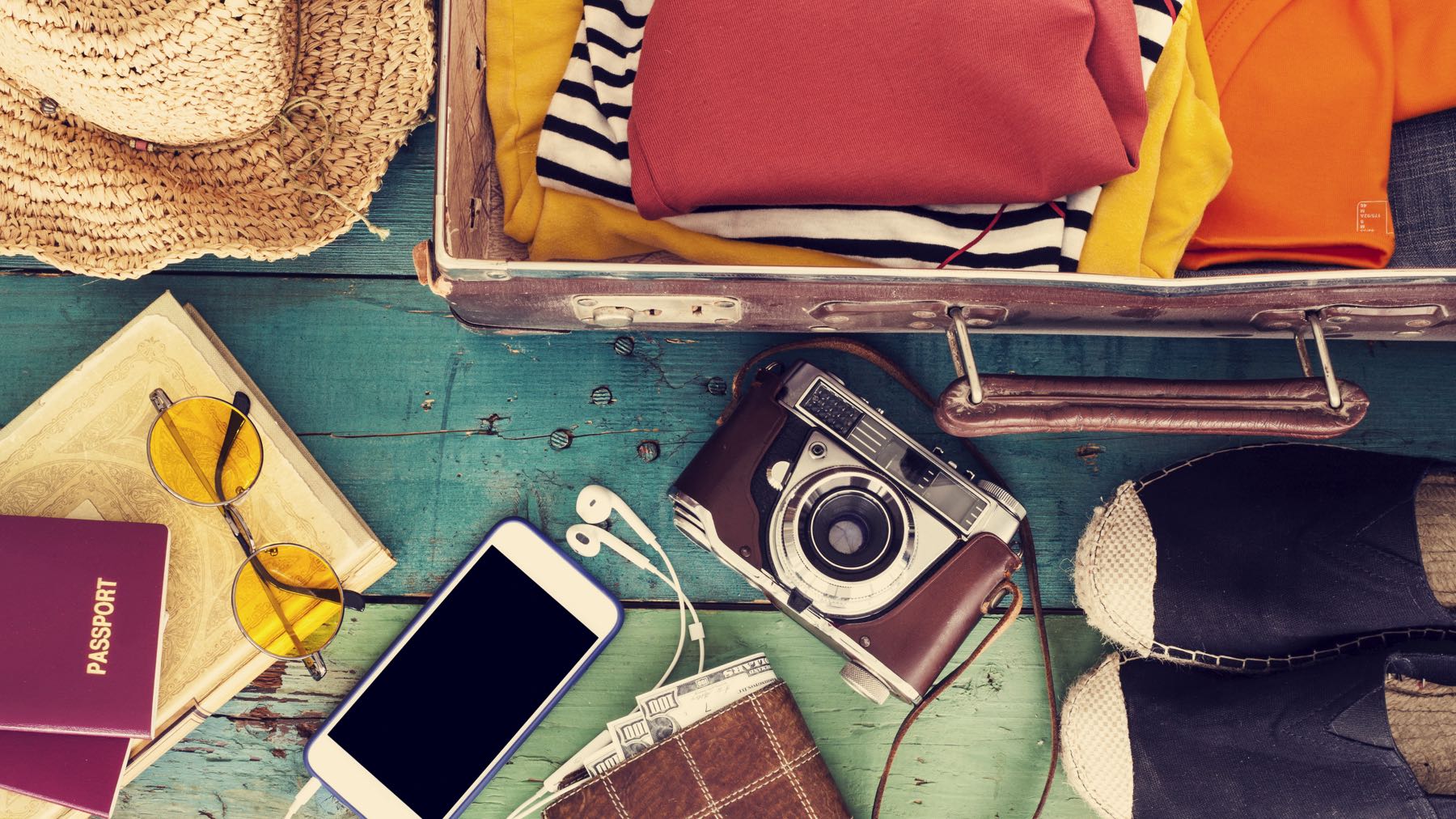
The Technological Core: Connectivity and Capture
The modern traveler is often a digital-first explorer. The integration of high-performance electronics into compact forms has revolutionized how journeys are documented and managed.
1. High-Efficiency Portable Power Banks
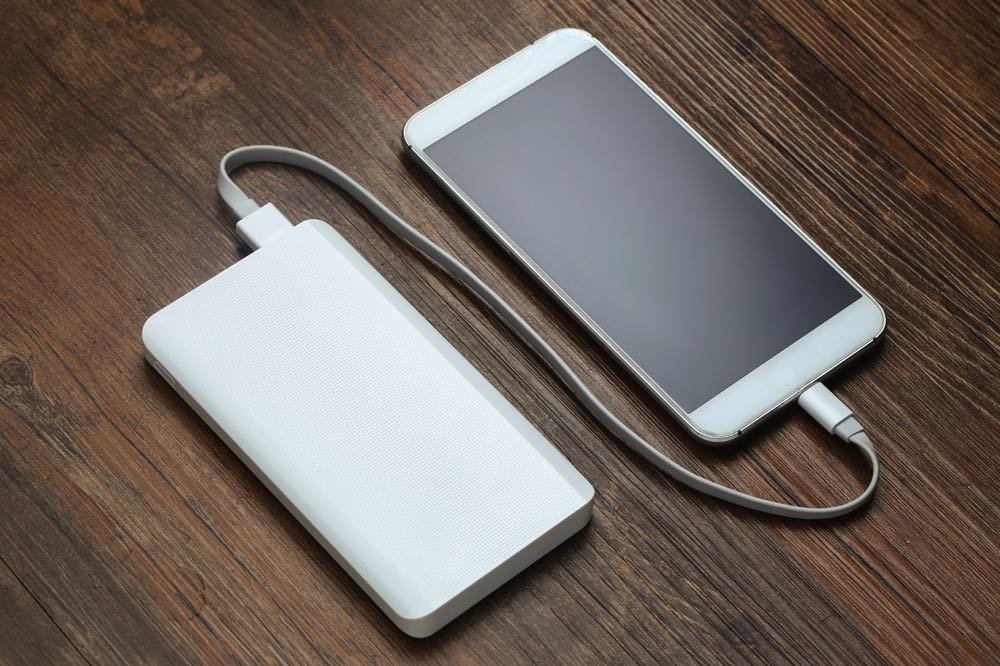
The reliance on smartphones for navigation, digital boarding passes, and translation has made portable chargers a non-negotiable safety item. Industry data suggests that the average smartphone battery lasts less than 14 hours under heavy GPS use. High-capacity units, such as those from RavPower or TP-Link, which offer multiple USB outputs and enough milliampere-hours (mAh) to charge a device six times, are now standard. For minimalist needs, "credit card" sized chargers provide a 35-50% emergency boost, fitting seamlessly into a wallet.
2. Compact Aerial Cinematography: The Drone Evolution
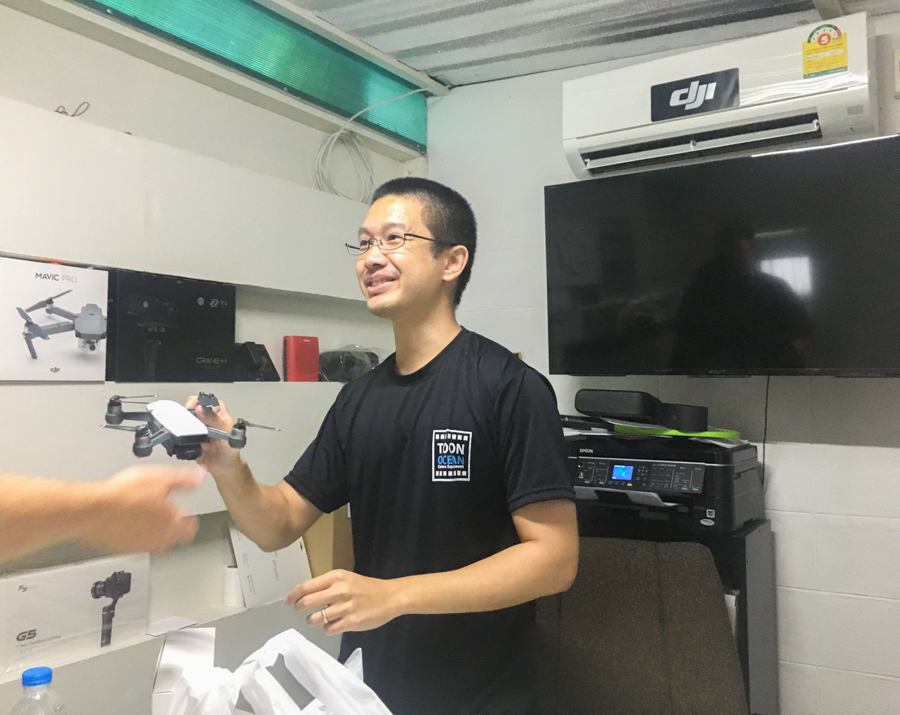
Since 2014, the drone market has shifted from professional-grade, bulky units like the DJI Phantom to ultra-portable models like the DJI Mavic Mini. Weighing under 249 grams, these devices often bypass stringent registration requirements in many jurisdictions while offering 2.7K or 4K video capabilities. This democratization of aerial photography allows travelers to capture cinematic perspectives that were previously reserved for big-budget productions.

3. Professional-Grade Compact Cameras
Despite the advancement of smartphone optics, the "one-inch sensor" compact camera remains a staple for high-quality documentation. The Sony RX100 VII and Canon G7X Mark II offer optical zoom and manual controls that smartphones cannot replicate. Analysts note that while the point-and-shoot market has declined, the "premium compact" segment remains robust among content creators who require external microphone ports and high-bitrate video.
4. Noise-Cancellation Technology
Acoustic engineering, specifically Active Noise Cancellation (ANC), has become an essential tool for mitigating "travel fatigue." Devices like the Bose QuietComfort series use destructive interference to neutralize ambient engine noise on aircraft. The transition from bulky over-ear headphones to compact earbuds like the Apple AirPods Pro has allowed travelers to maintain this benefit without sacrificing significant space in a 40-liter backpack.
Organizational Systems and Spatial Optimization
As airline overhead bin space becomes more competitive, the science of internal organization has become paramount.
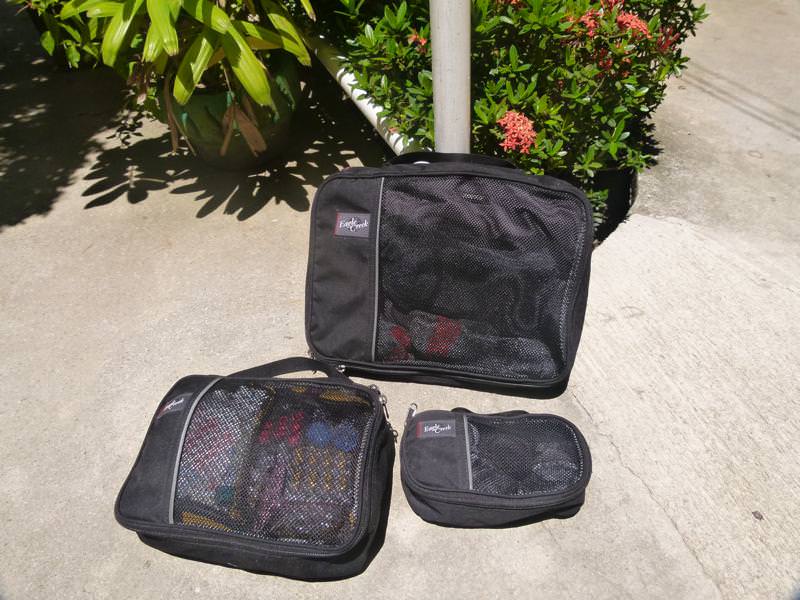
5. Compression Packing Cubes
The use of silnylon or mesh packing cubes, specifically those with dual-zipper compression systems like the Eagle Creek series, allows travelers to reduce the volume of their clothing by up to 30%. This organizational method not only maximizes space but also serves as a modular system, allowing for rapid security screenings and better weight distribution within the pack.
6. Versatile Footwear: The Minimalist Movement
Footwear is traditionally the most difficult item to pack due to its rigid shape. The rise of "minimalist" or "barefoot" shoes, such as Lems, addresses this. These shoes are designed with collapsible outsoles, allowing them to be rolled into a ball. Their aesthetic versatility allows them to function as both athletic gear and casual evening wear, adhering to the "one-pair" philosophy of minimalist travel.
7. Multi-Purpose Storage Solutions
Ziploc bags and lightweight dry bags remain the "unsung heroes" of travel. Beyond food storage, they serve as waterproof barriers for electronics during tropical rains or as makeshift laundry bags. In a journalistic context, these items represent the intersection of low-tech reliability and high-utility design.
Sustainability and Ethical Consumption
A significant trend in the 2024 travel landscape is the move toward "zero-waste" gear. Travelers are increasingly held accountable for their environmental footprint, particularly in developing nations with limited waste management infrastructure.
8. Water Purification and Reusable Systems
With 8 million tons of plastic entering the oceans annually, the shift away from single-use bottles is critical. Reusable bottles paired with UV-C light purifiers, like the Steri-Pen, allow travelers to safely drink tap water in regions where it would otherwise be biologically hazardous. This not only reduces plastic waste but also provides significant cost savings over long-term itineraries.
9. Ethical Apparel and Fair Trade
The "slow fashion" movement has permeated the travel gear industry. Brands like Prana have gained market share by utilizing organic cotton and recycled materials while maintaining Fair Trade certifications. For the traveler, this means packing durable, antimicrobial clothing that requires less frequent washing, further reducing the environmental impact of their journey.
10. The Diva Cup and Menstrual Health
For female travelers, the transition to silicone menstrual cups represents a major logistical improvement. In many remote regions, sanitary products are either unavailable or difficult to dispose of. The Diva Cup offers an eco-friendly, cost-effective solution that can be used for up to 12 hours, providing freedom during long transit days in areas with limited facilities.
Safety, Security, and Personal Well-being
In an era of increased global mobility, personal security and health remains a top priority for independent explorers.
11. Redundant Security Measures
Travelers are moving beyond simple padlocks. TSA-approved locks are now supplemented with portable doorstop alarms that emit a 120-decibel siren if a room is breached. This "layered" security approach is particularly popular among solo travelers and those utilizing budget accommodations or shared hostels.

12. Medical Readiness and First Aid
A modernized first-aid kit is no longer just bandages. It includes broad-spectrum antibiotics (where legally obtained), rehydration salts, and specialized medications like Ciprofloxacin for gastrointestinal distress. The inclusion of a comprehensive medical kit is a reflection of the "off-the-beaten-path" trend, where professional medical help may be hours or days away.
13. Digital and Physical Adapters
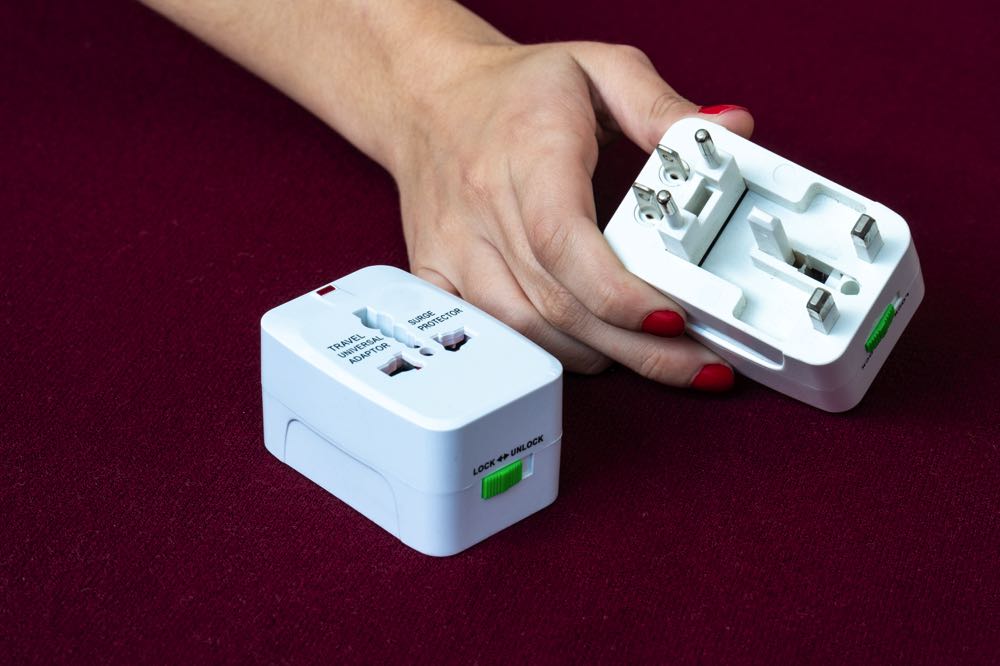
The universal power adapter has evolved to include multiple USB-C and USB-A ports, acting as a centralized charging hub. This eliminates the need for multiple "wall warts," streamlining the electronic footprint of the traveler.
Specialized Gear: From Coffee to Pets
The final category of essentials focuses on the "luxury of the mundane"—items that provide comfort and normalcy in unfamiliar environments.
14. Portable Espresso Solutions
The "Handpresso" and "Aeropress" have become cult favorites among travelers who refuse to compromise on coffee quality. These manual devices allow for the preparation of high-quality espresso or brewed coffee using nothing more than hot water and manual pressure, bypassing the often-poor quality of hotel or hostel coffee.
15. Compact Grooming and Hygiene
The advent of cordless, USB-rechargeable hair tools and high-absorbency microbial travel towels (like the MSR Pack Towel) has allowed travelers to maintain personal grooming standards without the bulk of traditional appliances. These towels dry up to 40% faster than cotton, preventing the growth of odor-causing bacteria in damp climates.
16. Pet Travel and Emotional Support
As more travelers bring pets on international journeys, gear such as collapsible crates and behavioral aids has seen a market surge. The Air Carrier Access Act in the United States and similar regulations globally have formalized the requirements for Emotional Support Animals (ESAs), necessitating specific documentation and specialized travel gear to ensure animal safety and passenger comfort.

Impact and Implications for the Travel Industry
The shift toward this highly curated list of essentials has broader implications for the global tourism economy. Airline carriers are increasingly designing cabin interiors to accommodate the "carry-on" trend, while gear manufacturers are racing to create lighter, stronger materials like Dyneema and high-tenacity nylon.
Furthermore, the "Goats On The Road" philosophy—traveling for over a decade with a 40-liter backpack—serves as a case study in efficiency. By minimizing physical baggage, travelers gain mobility, reduce their carbon footprint, and decrease their vulnerability to theft or lost luggage.
In conclusion, the modern travel kit is a sophisticated ecosystem of high-tech tools and low-tech staples. Whether it is the peace of mind provided by a noise-canceling earbud or the environmental responsibility of a Steri-Pen, these 22 items represent the pinnacle of current travel preparation. As technology continues to shrink and the global consciousness regarding sustainability grows, the "essential" list will likely continue to evolve, further empowering the next generation of global explorers.