The Ultimate Guide to Choosing the Best European eSIM Data Plans for Travelers in 2024


As international travel rebounds to pre-pandemic levels, modern globetrotters are increasingly shifting away from traditional physical SIM cards in favor of embedded electronic SIMs, commonly known as eSIMs. This technological evolution allows tourists visiting Europe to connect instantly to regional mobile carriers without the hassle of swapping out physical plastic cards or paying exorbitant domestic carrier roaming fees. With the European Union having outlawed internal data roaming fees across member states, a single regional data plan now provides seamless cross-border connectivity. However, navigating the myriad of available prepaid eSIM options requires careful consideration of data caps, validity periods, network reliability, and device compatibility.
Background and Technological Evolution of eSIMs

The telecommunications sector has undergone a seismic shift over the past half-decade. Historically, international travelers relied on physical prepaid SIM cards purchased either at airport kiosks upon arrival or ordered in advance online. While effective, this traditional method presented logistical hurdles, including the risk of losing the home-country SIM card, the necessity of carrying a specialized SIM-ejection tool, and the inconvenience of managing physical hardware.
The introduction of eSIM technology fundamentally alters this landscape. An eSIM is a digital SIM embedded directly into a smartphone’s motherboard during manufacturing. Users activate a cellular plan digitally by downloading a profile via a QR code or an application. This innovation has gathered significant momentum, most notably illustrated by major manufacturers like Apple removing physical SIM trays entirely from iPhone models sold in the United States starting with the iPhone 14 lineup. Consequently, travelers must increasingly adopt digital solutions to maintain connectivity abroad.
Why Mobile Data is Essential for Modern European Travel

Navigating contemporary Europe without a reliable, high-speed mobile data connection is no longer practically feasible. While free public Wi-Fi networks exist in major metropolitan areas, relying on them presents security vulnerabilities, inconsistent speeds, and severe coverage gaps.
Much of modern European infrastructure relies entirely on digital integration. Travelers require constant internet access to validate digital train and flight tickets, utilize real-time public transit tracking, access restaurant menus via QR codes, hail rideshare services such as Uber, and complete cashless transactions at various establishments. Furthermore, critical administrative tasks—such as receiving two-factor authentication codes from banking institutions or communicating with accommodation hosts via messaging platforms like WhatsApp—depend heavily on consistent cellular availability.
Comparative Analysis of International Roaming Versus Prepaid eSIMs

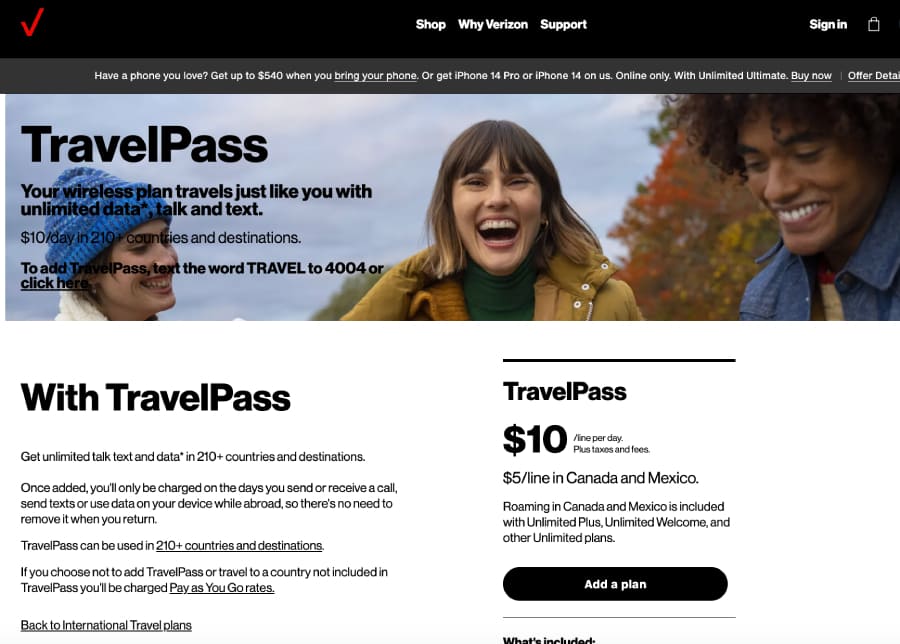
Domestic mobile carriers in North America, Australia, and other regions frequently market international roaming packages, but these services often harbor significant financial and operational drawbacks. Major US carriers, for instance, typically charge standard daily international pass fees of approximately $10 per day. Alternatively, monthly international packages frequently impose strict data ceilings, after which speeds are drastically throttled to unusable 2G rates, or they levy punitive overage charges exceeding $30 per gigabyte.
In contrast, third-party prepaid eSIM providers offer significantly more economical alternatives. Dedicated European eSIM data plans generally cost between $2.00 and $5.00 per day, representing a savings of up to 80% compared to traditional domestic carrier roaming fees. Furthermore, third-party plans offer transparent pricing structures without hidden overage penalties.
Leading European eSIM Providers and Plan Offerings
The marketplace for European travel eSIMs features several prominent providers, each catering to different travel durations, data consumption habits, and budgetary requirements.
Holafly provides customizable plans ranging from 1 to 90 days with unlimited data allowances. This model eliminates the risk of running out of data mid-trip, making it ideal for heavy data users who stream media, upload large photo files, or utilize their devices extensively for navigation.
SimOptions functions as an official marketplace, distributing prepaid eSIM plans directly from major European telecommunications giants such as Orange, Bouygues Telecom, and O2. These provider-backed plans ensure maximum network reliability and high-speed data access by tapping directly into premier domestic infrastructures.

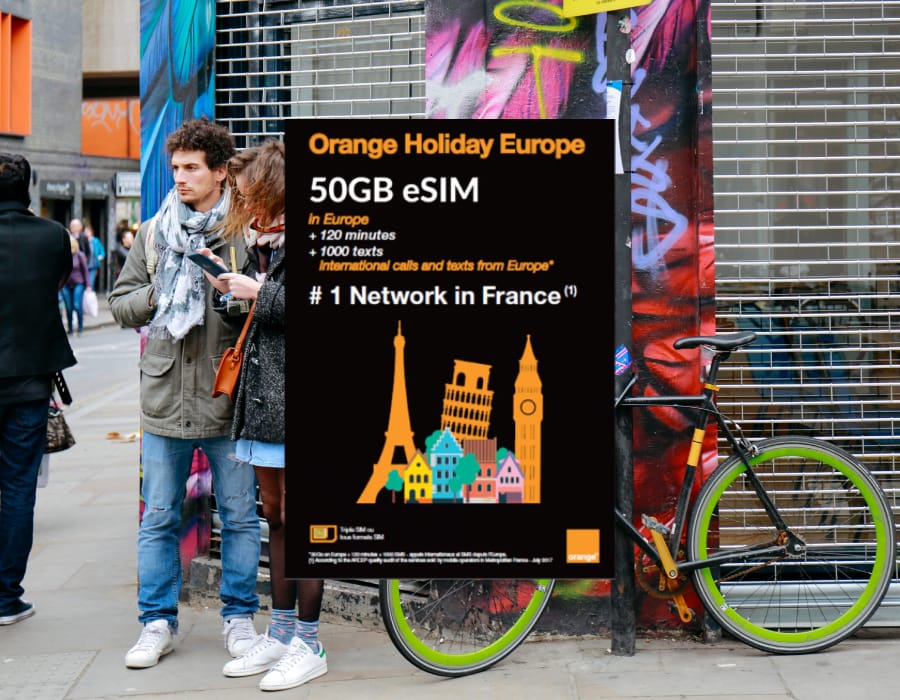
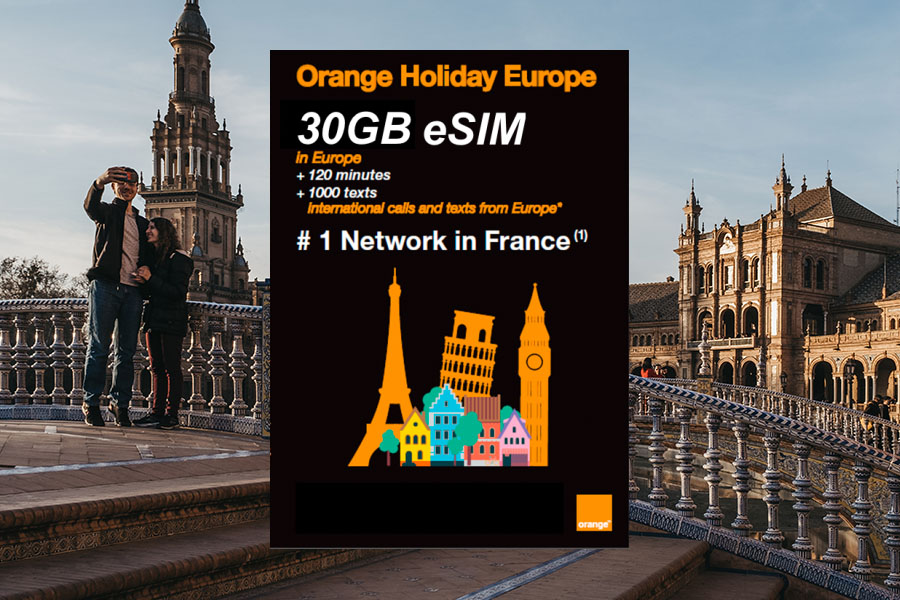
Orange Holiday Europe eSIM 50GB and 70GB Plans: Representing some of the most comprehensive packages available, these offerings provide massive data allowances valid for 28 days. Uniquely, these plans include an actual French phone number, enabling traditional voice calls and SMS text messaging across Europe, alongside mobile hotspot capabilities.
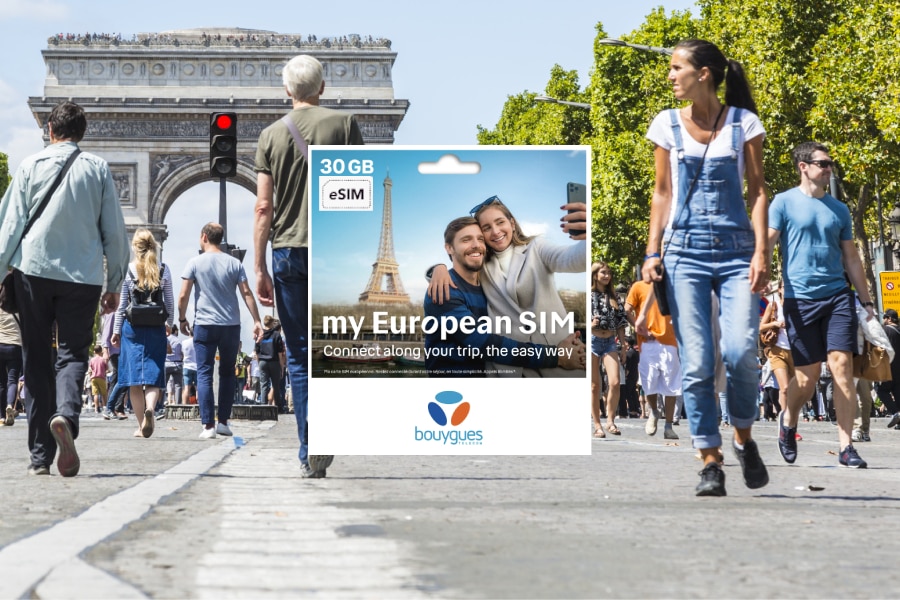
Bouygues My European eSIM: Offering a robust 30GB data allocation valid for 30 days, this plan includes unlimited European voice calling. It serves as a dependable option for mid-length to extended journeys.
Orange Holiday Zen eSIM: Designed for moderate data users, this plan provides 15GB of data along with unlimited European calls and texts, backed by Orange’s extensive network coverage.
Smart Comfort X eSIM: Functioning as a budget-friendly, data-only option with a 5GB allocation, this plan is tailored for light data users who rely primarily on Wi-Fi connections for heavy tasks.
Device Compatibility and Technical Considerations
Before purchasing a regional eSIM, travelers must verify that their smartphone is both eSIM-compatible and network-unlocked. Essentially all modern smartphones manufactured from 2019 onward—including recent iterations of Apple iPhones, Google Pixel devices, and Samsung Galaxy flagships—support eSIM functionality and dual-SIM operations. Dual-SIM capability is a critical advantage, enabling users to maintain their home-country physical SIM active for incoming text messages and two-factor authentication while utilizing the eSIM exclusively for cost-effective local data.

However, consumers must ensure their device is not software-locked to a specific domestic carrier. Locked phones will reject foreign carrier profiles until the home carrier officially unlocks the device for international travel.
Activation Procedures and Best Practices
Modern technological updates have streamlined the eSIM activation process significantly. For example, recent operating system updates, such as Apple’s iOS 17.4 release, have introduced automated eSIM installation features, minimizing technical friction.
Experts recommend purchasing an eSIM prior to departure to complete initial setup procedures while connected to a stable home Wi-Fi network. However, full activation of the data plan should be deferred until arrival at the European destination, as plan validity countdowns typically begin the moment the service connects to a cellular network.
Regional Coverage Nuances and Regulatory Frameworks
While EU regulations mandate the elimination of roaming fees among member nations—allowing a French-issued eSIM to operate seamlessly in Italy, Germany, Spain, and beyond—certain European territories fall outside this regulatory framework. Switzerland and the United Kingdom, for instance, are not bound by EU roaming mandates. Consequently, travelers must carefully review individual plan terms to ensure coverage extends to non-EU destinations if their itinerary includes those regions.
Concluding Analysis and Recommendations
Adopting a prepaid eSIM data plan represents the most efficient, cost-effective, and logistically streamlined method for maintaining connectivity while traveling in Europe. By carefully assessing personal data consumption habits, verifying device compatibility, and selecting reputable provider networks, international travelers can navigate foreign infrastructure with confidence and continuous digital access.