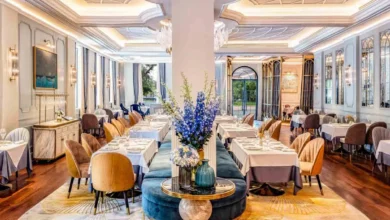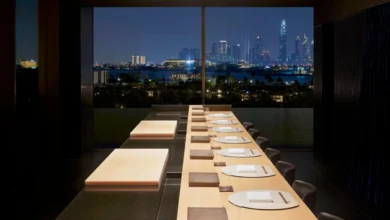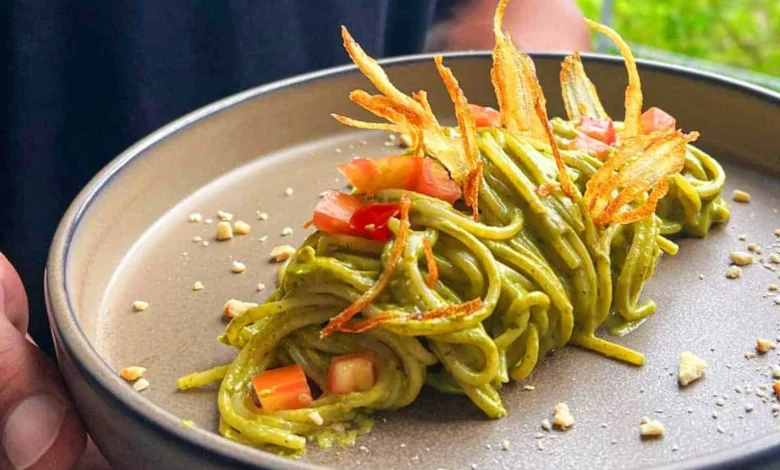
Koh Samui has steadily evolved into a premier global destination for luxury tourism, health optimization, and sustainable gastronomy. As the second-largest island in Thailand, it has long attracted travelers seeking diverse accommodations, ranging from intimate boutique guesthouses to extravagant private coastal villas. However, recent developments in the hospitality sector highlight a profound strategic shift toward comprehensive wellness programming and high-end plant-based dining. An evaluation of three prominent luxury properties—W Koh Samui, Kapuhala, and Kamalaya—demonstrates how the island is meeting the escalating international demand for conscious, holistic travel experiences without compromising on luxury or culinary sophistication.
Background and Context of Koh Samui’s Wellness Sector
The global wellness tourism market has experienced exponential expansion over the past decade, driven by shifting consumer priorities toward preventive health, mental well-being, and environmental sustainability. Thailand has positioned itself at the forefront of this movement, leveraging its rich traditions of Eastern philosophy, herbal medicine, and hospitality. Within the Thai tourism ecosystem, Koh Samui has emerged as a primary hub for specialized retreats.
Historically, regional wellness travel was synonymous with rigid asceticism, caloric restriction, and basic accommodations. However, contemporary luxury travelers increasingly expect a synthesis of rigorous health programming and elevated lifestyle amenities. This modern paradigm integrates advanced physical conditioning, bio-impedance analysis, personalized therapeutic treatments, and sophisticated gastronomy. Consequently, local resorts have invested heavily in multidisciplinary wellness teams, specialized fitness infrastructure, and innovative culinary teams capable of executing refined plant-based menus.
Chronology of the Island’s Culinary and Wellness Integration
The integration of advanced wellness protocols and plant-based fine dining across Koh Samui did not happen overnight; it represents a multi-year culinary evolution. In the early 2000s, properties like Kamalaya pioneered holistic health sanctuaries that combined traditional Asian healing arts with Western medical science. Over the subsequent decade, as global veganism transitioned from a niche dietary choice to a mainstream lifestyle movement, mainstream luxury brands began adapting their offerings.
By the mid-2010s, specialized eco-resorts such as Kapuhala established footprints on the island, anchoring their business models entirely on plant-based sustainability and athletic conditioning. More recently, mainstream luxury flagships like W Koh Samui have revamped their culinary programs, enlisting executive chefs to design dedicated vegan menus that honor local Thai flavors while aligning with global nutritional standards. This progressive trajectory illustrates how Koh Samui’s hospitality industry has systematically transformed from offering generalized luxury to curating hyper-specialized, health-conscious travel itineraries.
Property-Specific Analysis: A Trio of Distinct Wellness Methodologies
A detailed examination of the three resorts visited during a recent regional assessment reveals distinct operational philosophies tailored to diverse traveler profiles.
W Koh Samui: Contemporary Luxury and Dynamic Fitness
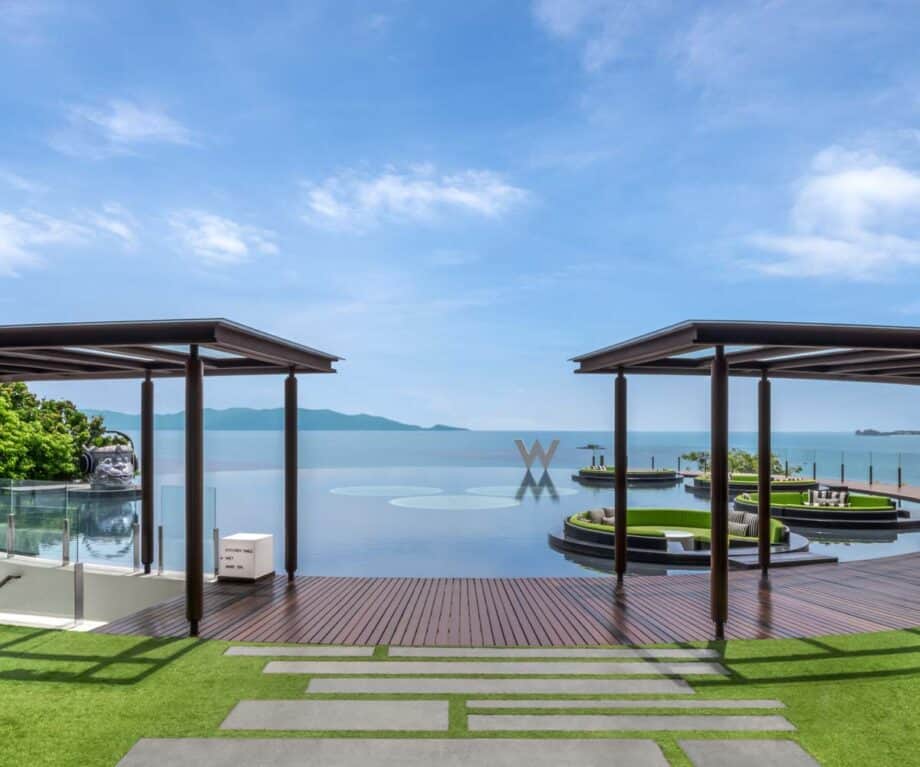
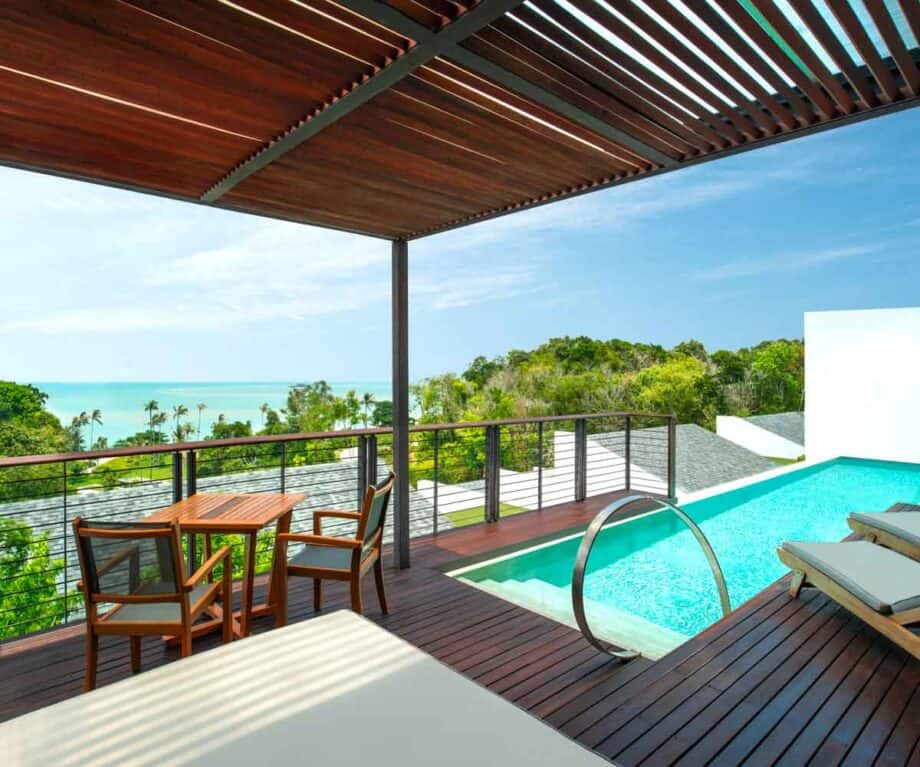
Operating under the modern lifestyle ethos of the W brand, W Koh Samui approaches wellness through a lens of dynamic flexibility and stylish indulgence. Situated with panoramic views of the Gulf of Thailand, the resort features Premier Ocean View Pool Villas designed for seamless indoor-outdoor living.
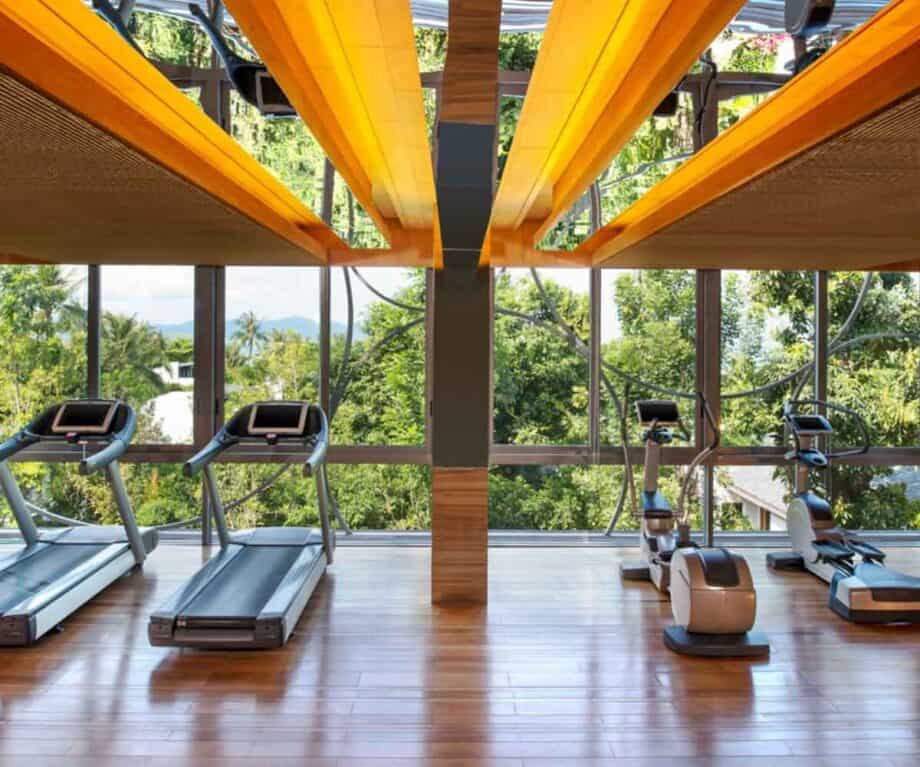
Rather than enforcing a structured health regimen, W Koh Samui empowers guests to curate their own routines via the FIT Studio and a 24-hour fully equipped gymnasium. Daily activities range from high-intensity interval training (HIIT) and circuit training to restorative Pilates and yoga. For post-workout recovery, the resort’s Away Spa incorporates innovative treatments, most notably the THAIMAZCAL—a sweat-lodge-inspired herbal steam room that merges traditional Thai botanical therapies with contemporary spa practices.
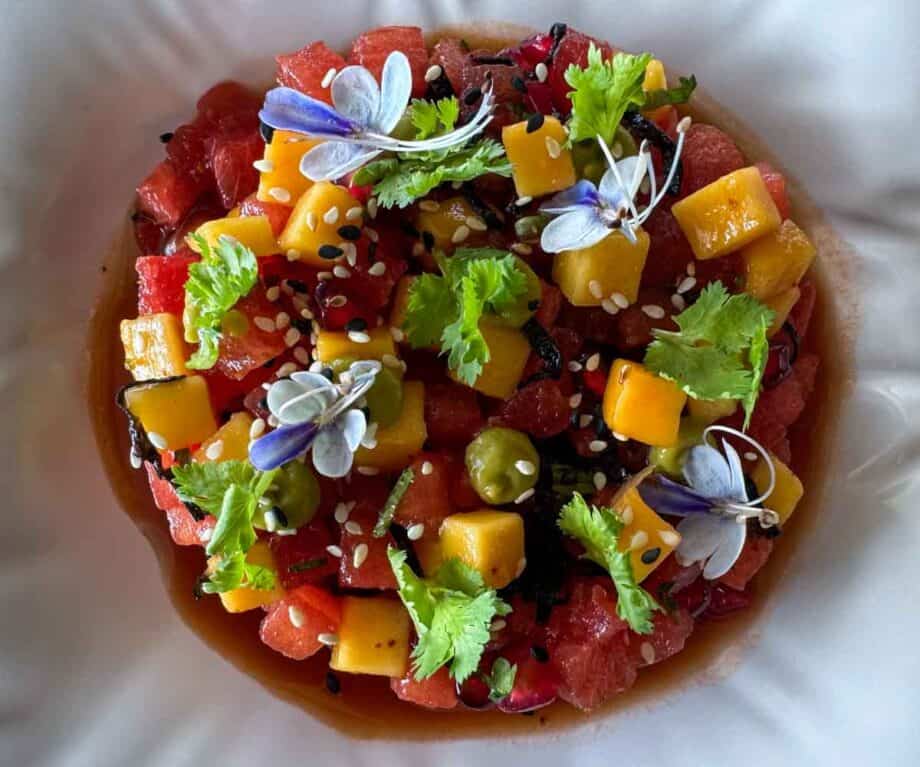
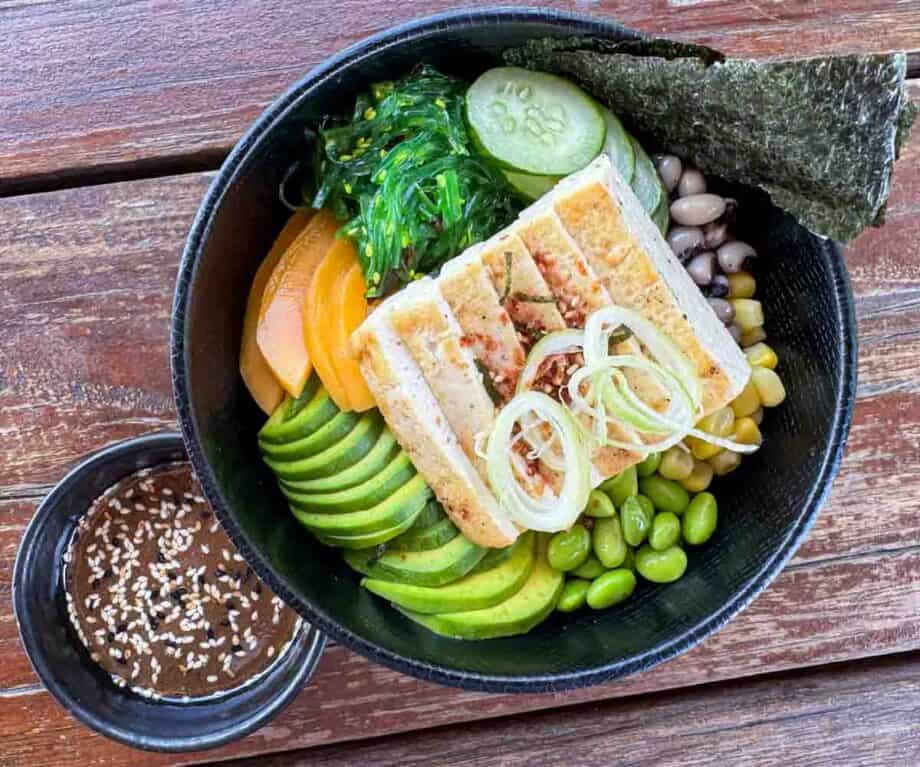
On the culinary front, Executive Sous Chef Bee has introduced a comprehensive vegan menu at The Kitchen Table and SIP & Beach Grill. The offerings reflect a commitment to nutritional density and bold international profiles, featuring dishes such as Cured Watermelon Tataki, Roasted Beetroot and Avocado Salad, and innovative plant-based takes on traditional Thai curries. Breakfast highlights include vegan eggs Benedict served on wholegrain muffins with almond hollandaise, while the resort’s Japanese specialty restaurant, NAMU, delivers elevated dishes like miso-glazed roasted eggplant and coconut mango mochi.

Kapuhala: 100% Plant-Based Immersion and Athletic Conditioning
For travelers seeking total immersion in a cruelty-free environment, Kapuhala offers a distinct model as a 100% plant-based boutique resort. Perched in the island’s verdant hills, the property comprises an intimate collection of nine luxury tented villas and restored farmhouses.
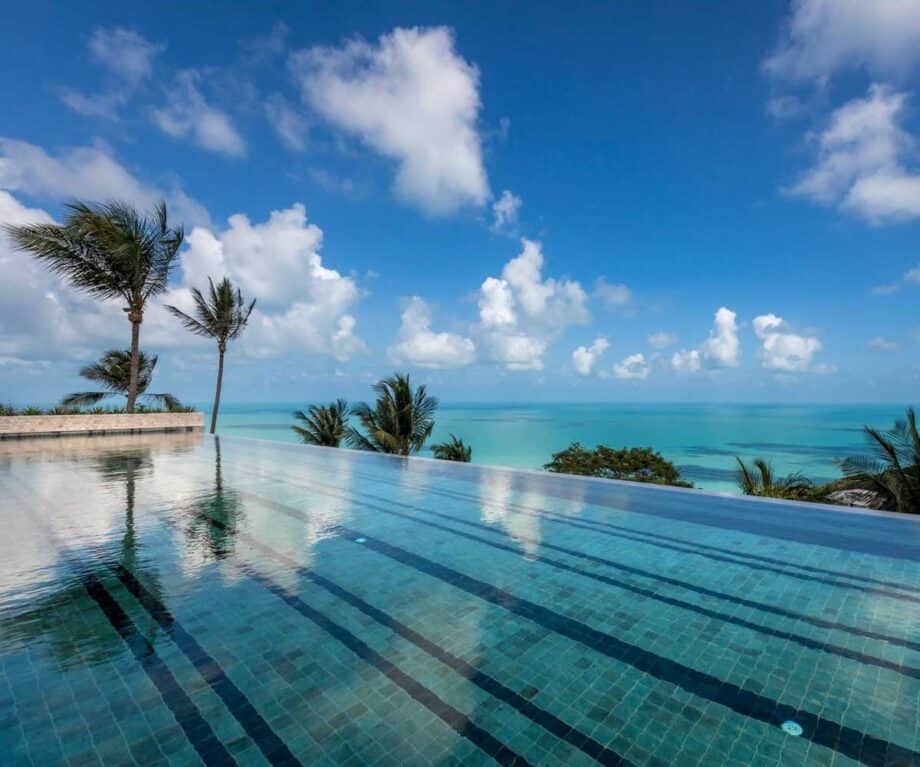
Kapuhala’s operational framework is deeply rooted in sustainability and athletic performance. The resort features a 25-meter saltwater infinity pool, a professional-grade training gym, and private wood-fired saunas paired with traditional ice baths. Guests can participate in bespoke wellness retreats or follow self-directed schedules that integrate sunrise yoga on private decks with endurance training.
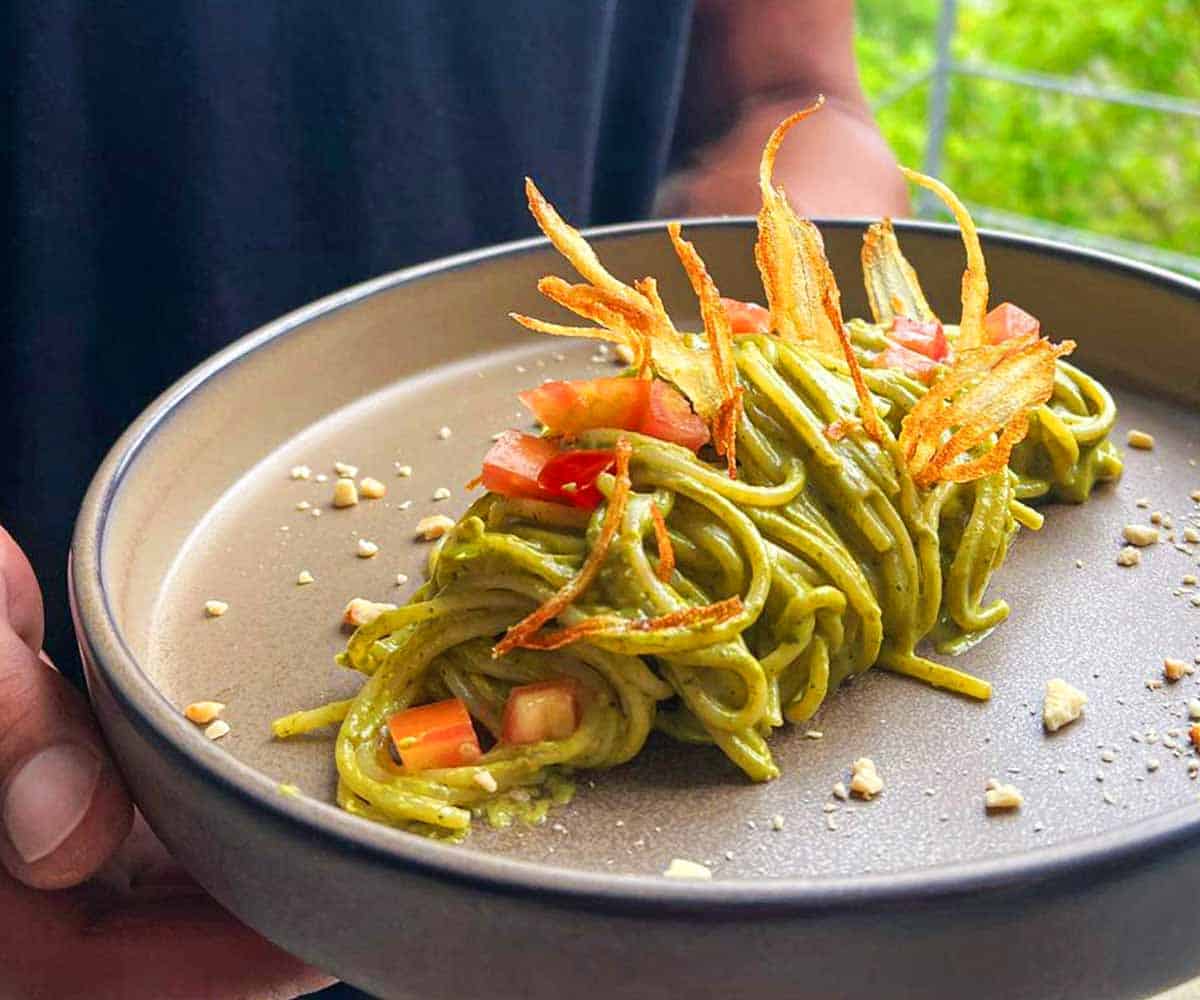
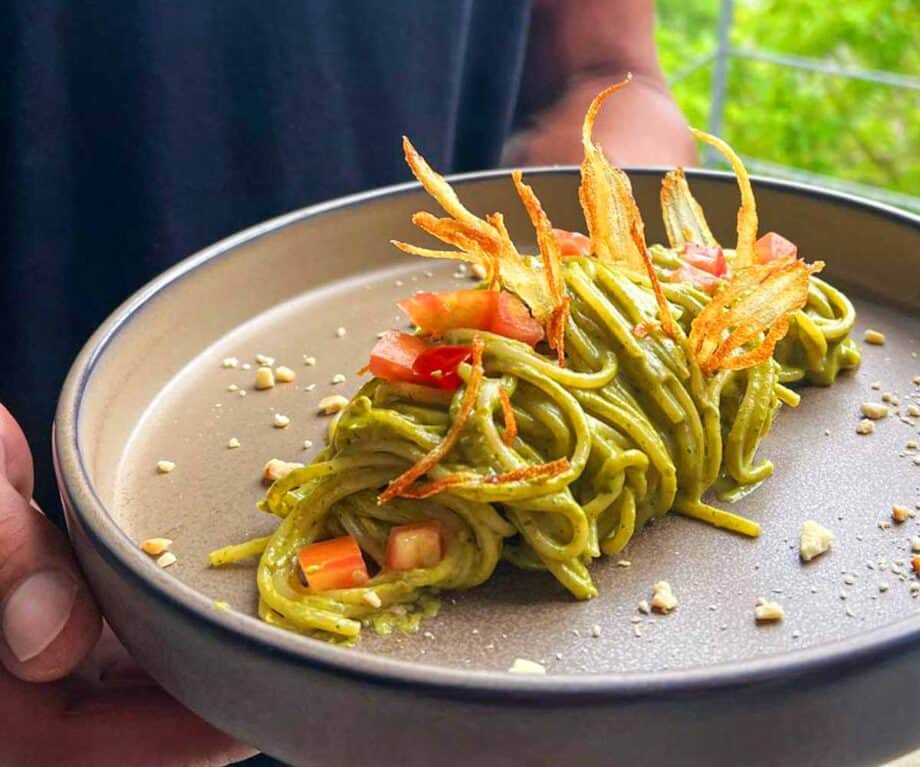
The culinary anchor of Kapuhala is Halapua, a destination restaurant led by vegan chef Crystal Lee. Halapua specializes in authentic Sicilian cuisine adapted entirely to plant-based ingredients. The menu demonstrates considerable technical execution, featuring dishes such as polenta fries with truffle mayo, bean-and-walnut polpette meatballs, creamy fusilli alfredo, and arancini crafted from beetroot risotto. The establishment underscores the viability of high-end vegan Italian gastronomy within a tropical Southeast Asian setting.
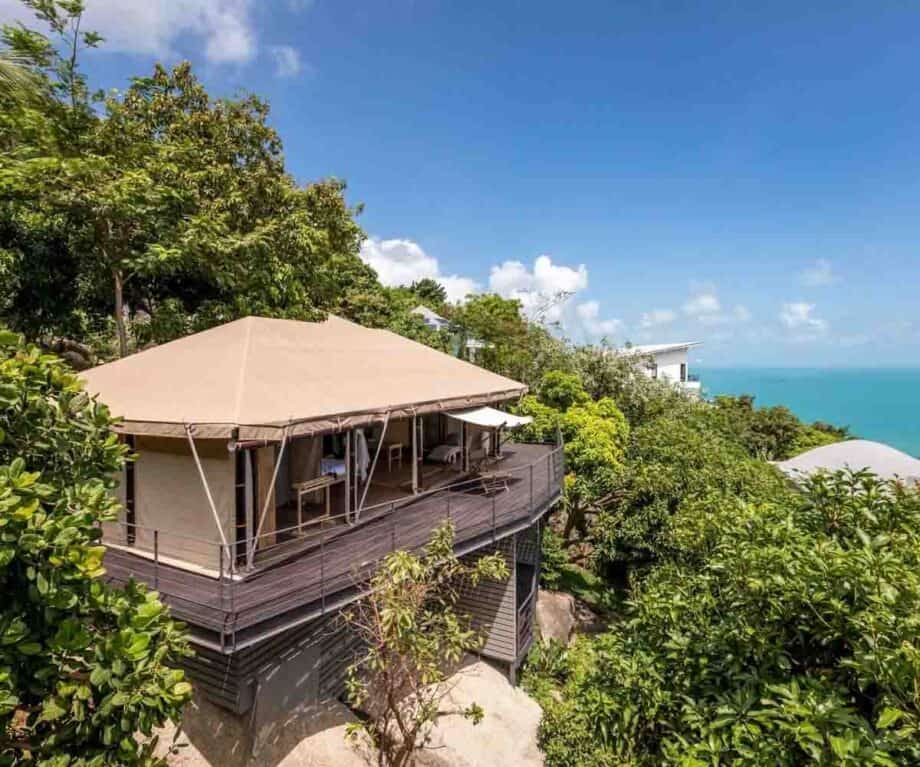
Kamalaya Koh Samui: Comprehensive Holistic Sanctuary
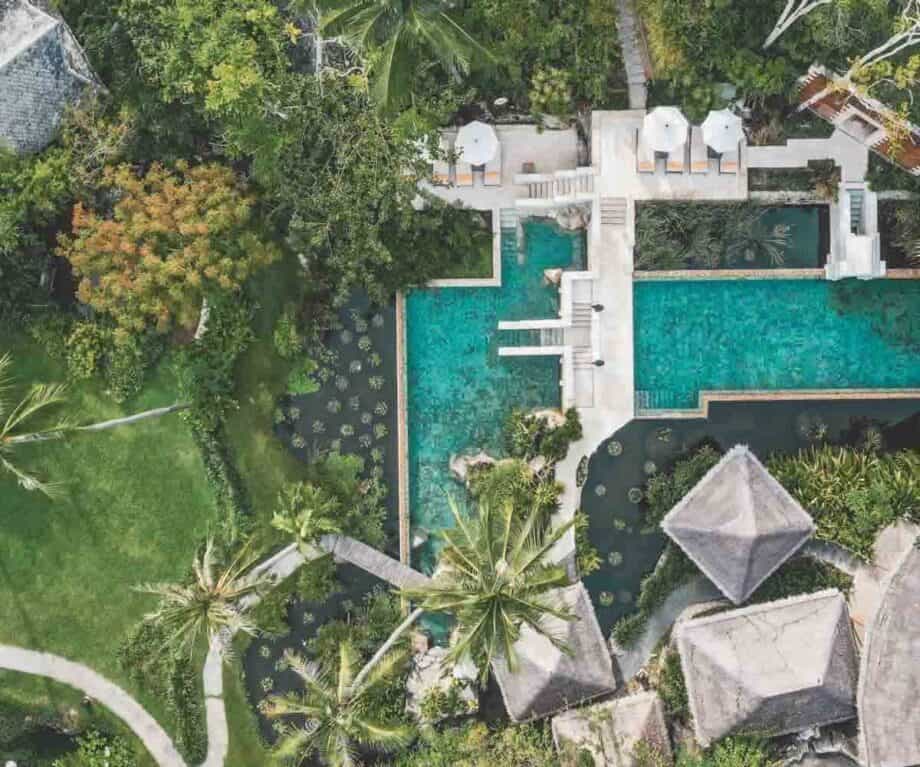
Kamalaya operates as an internationally acclaimed holistic wellness sanctuary, having established its reputation since 2005. Designed around a natural hillside landscape that incorporates ancient monastic meditation sites—such as the historical "Ajarn Cave"—the resort integrates Eastern and Western preventive healthcare.
Guests at Kamalaya typically choose from structured wellness programs focusing on detoxification, stress management, optimal fitness, and emotional balance, or they work alongside naturopaths and therapists to construct bespoke itineraries. Upon arrival, visitors undergo detailed clinical assessments, including Body Bio-Impedance Analysis, which establishes a scientific baseline for their health goals.
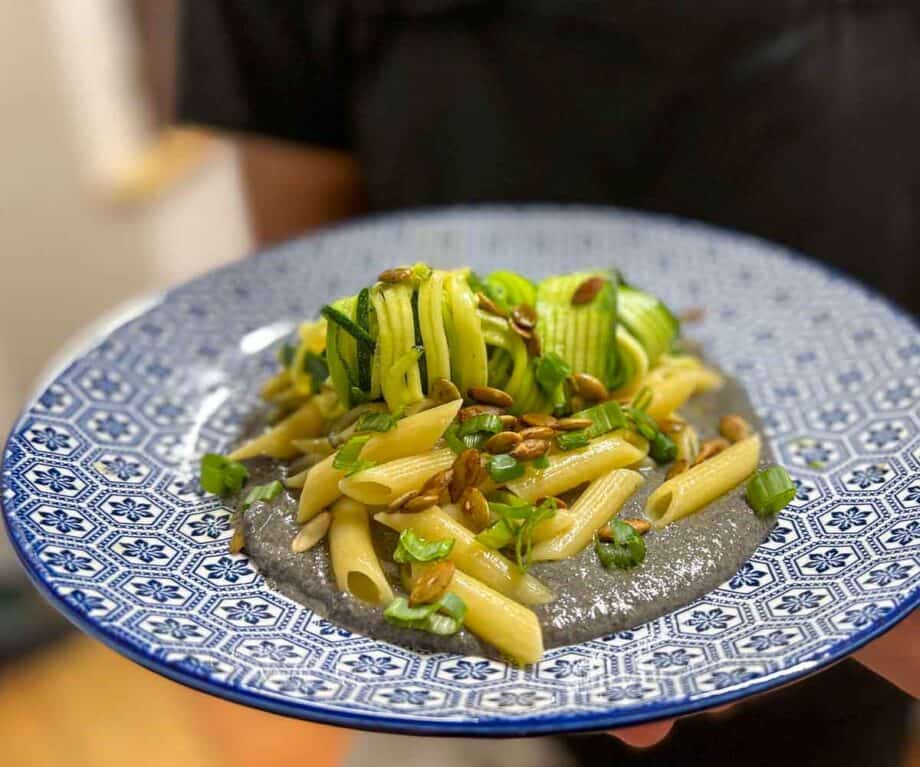
The culinary division, overseen by Executive Chef Mohan at the Soma and Amrita Café restaurants, provides extensive menus tailored to both general diners and those undertaking intensive detox regimens. The offerings emphasize organic, locally sourced plant-based proteins, raw culinary preparations, and functional elixirs. Signature dishes include mung bean kitcharee, raw vegan tacos, mung bean risotto, and single-origin Thai dark chocolate terrine, proving that therapeutic nutrition can maintain high culinary standards. Thermal wellness facilities, including rock-hewn herbal steam caverns and plunge pools, complement the therapeutic treatments.
Statements and Reactions from Industry Insiders
While specific corporate press releases vary, travel industry analysts and sustainability advocates have frequently lauded Koh Samui’s adaptive capacity. Commentators observing the Southeast Asian luxury market note that properties incorporating verifiable sustainable practices and inclusive dietary options command higher guest satisfaction ratings and repeat visitation rates.

Paul Eyers, co-founder of Vegan Food Quest and a prominent voice in sustainable travel journalism, observed following recent regional assessments: "Wellness travel and plant-based dining are alive and kicking on the island, with each of the three resorts offering extensive and varied options for vegans and plant-based diners. Our research shows that this approach to wellness and cuisine is a theme running throughout the island, where this type of travel is being embraced, developed, and taken to the next level."
Broader Economic and Market Implications

The proliferation of high-end wellness and plant-based infrastructure across Koh Samui carries significant economic and strategic implications for Thailand’s broader tourism economy.
- Diversification of Tourist Demographics: By expanding beyond traditional leisure tourism, Koh Samui successfully captures high-yield travelers who prioritize health, longevity, and ethical consumption. These visitors often exhibit longer average lengths of stay and higher daily expenditures.
- Supply Chain Localization: The demand for fresh, organic, and plant-based ingredients encourages luxury resorts to forge direct partnerships with local Thai organic farmers, agricultural cooperatives, and regional producers. This localization reduces the carbon footprint associated with imported luxury goods and bolsters the regional agrarian economy.
- Benchmark for Regional Competitors: The success of properties like W Koh Samui, Kapuhala, and Kamalaya establishes a new operational benchmark for luxury hospitality throughout Southeast Asia. Competitors in neighboring destinations—such as Bali, Phuket, and Langkawi—are increasingly compelled to upgrade their own wellness and plant-based offerings to remain competitive in the luxury segment.
Conclusion
The evolution of Koh Samui’s hospitality sector reflects a mature response to global shifts in consumer behavior. By bridging the gap between uncompromising luxury and conscientious living, the island’s premier resorts have redefined the parameters of modern travel. Whether through the dynamic flexibility of W Koh Samui, the strict plant-based ethos of Kapuhala, or the clinical depth of Kamalaya, Koh Samui demonstrates that sustainability, wellness, and culinary excellence can coexist harmoniously, securing the island’s status as a world-class destination for the foreseeable future.