Fogo Island, an iconic landmass situated off Newfoundland’s northern coast, offers a unique blend of rugged North Atlantic wilderness, vibrant cultural heritage, and striking contemporary architecture. While its remote location might suggest an extended stay, careful planning allows visitors to immerse themselves in the island’s distinctive character and cover its main highlights efficiently within a two-day itinerary. This guide provides an in-depth look at how to navigate Fogo Island, from essential sights and activities to practical considerations, ensuring a rich and memorable experience.
A Tapestry of Tradition and Innovation
Fogo Island stands as one of Newfoundland and Labrador’s most compelling destinations, a place where the ancient rhythms of the sea meet a bold vision for the future. Geologically, the island is a dramatic extension of the Appalachian Mountains, boasting a landscape that shifts from craggy, wave-battered coastlines to unexpected stretches of pristine white sand beaches. Interspersed within this raw natural beauty are communities that have clung to the edge of the world for centuries, preserving a way of life deeply rooted in fishing and maritime tradition. Yet, this traditional fabric is juxtaposed with the striking forms of modern architecture, most notably the Fogo Island Inn and a series of minimalist artist studios. This deliberate contrast is not merely aesthetic but embodies a profound socio-economic project aimed at revitalizing the island’s fortunes and preserving its unique culture for future generations.
Visitors often remark on the island’s profound sense of place, a feeling amplified by its "here and now" philosophy and the warmth of its residents. For many, a journey to Fogo Island is more than a trip; it’s an encounter with resilience, creativity, and an unparalleled natural environment. Experienced travelers, including those who have returned multiple times, attest that while a week could easily be spent exploring its every nook, the essence of Fogo Island can be captured within a well-structured 48-hour visit, particularly if one arrives early in the day and maintains an organized approach to exploration. The early morning ferry from Farewell is key to maximizing daylight hours and experiencing the breadth of what the island offers.
Establishing Your Base: Fogo or Joe Batt’s Arm
For practical purposes, most visitors will choose to base themselves in either the Town of Fogo or Joe Batt’s Arm. Both communities serve as excellent hubs, offering a range of accommodation options from charming local guesthouses and B&Bs to more contemporary stays. They also provide convenient access to the island’s main roads and attractions, making day trips to other communities and trailheads straightforward. The choice between them often comes down to personal preference for atmosphere; Fogo offers a slightly larger community feel, while Joe Batt’s Arm is home to the famous Fogo Island Inn and provides a picturesque harbour setting.
Architectural Marvels and Artistic Hubs
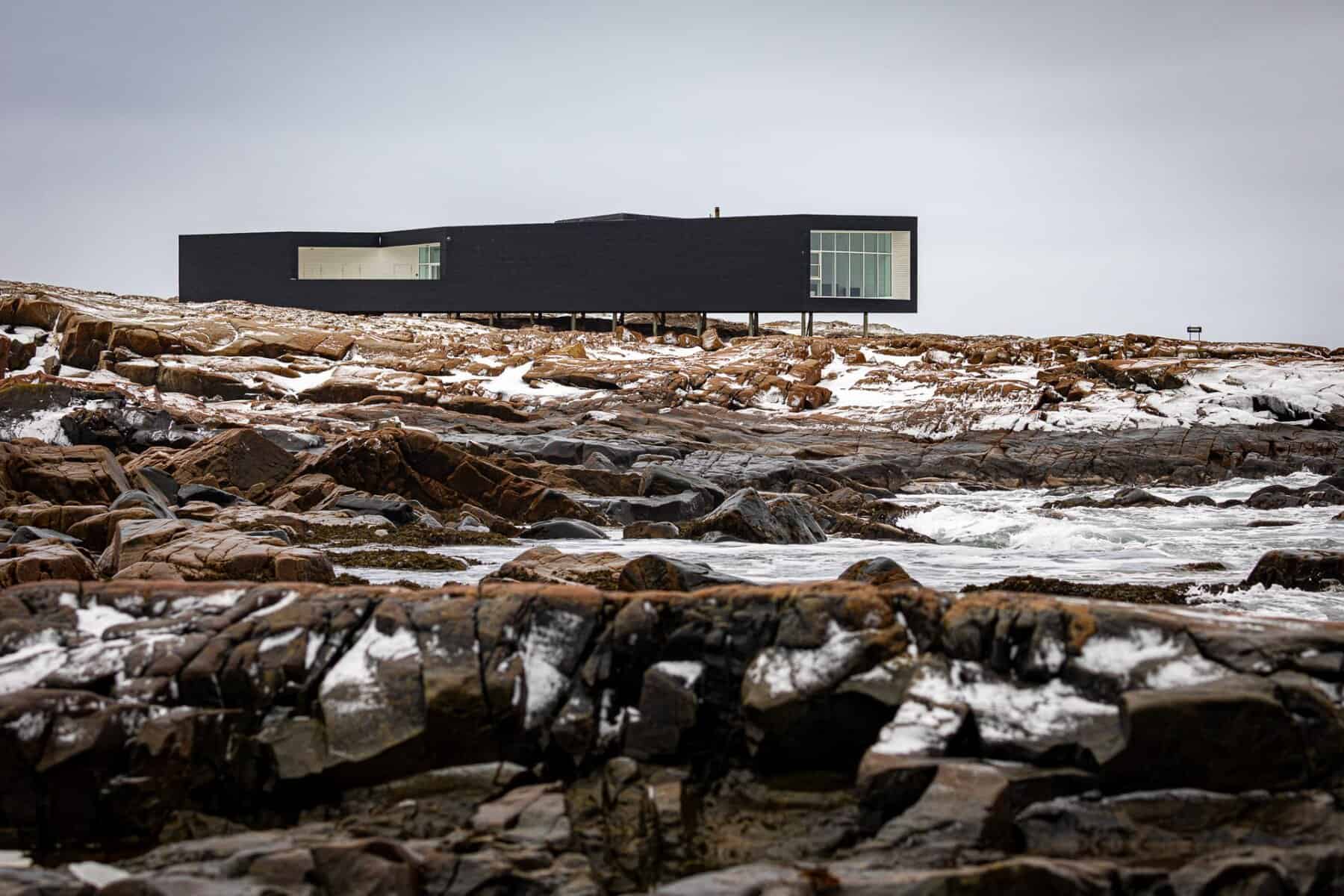
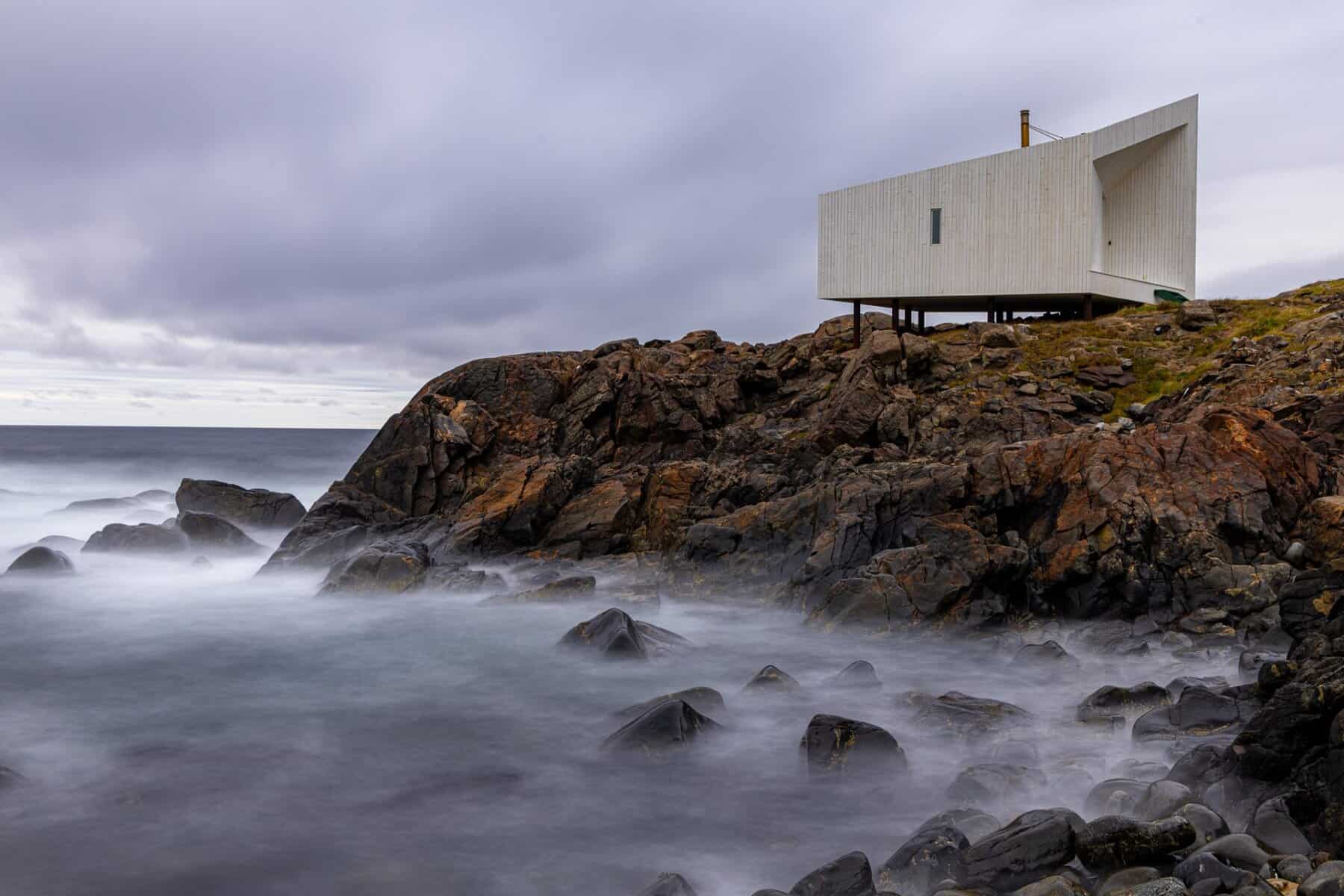
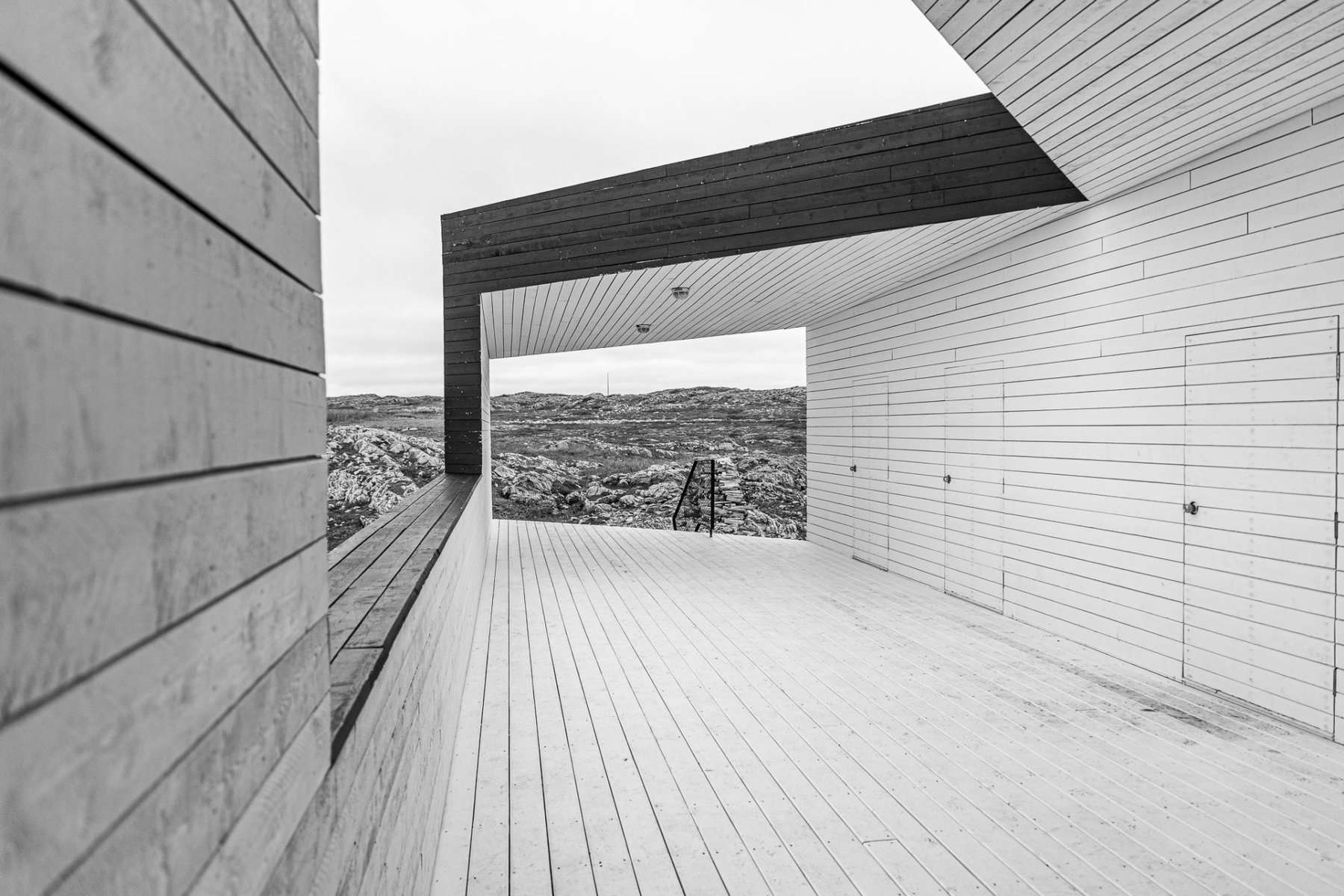
Fogo Island has gained international acclaim not only for its natural beauty but also for its groundbreaking architectural initiatives. The Fogo Island Arts program, launched in collaboration with the Shorefast Foundation, has established a series of architecturally significant artist studios scattered across the island’s varied landscape. Designed by Norwegian architect Todd Saunders, these structures—the Long Studio, Squish Studio, Tower Studio, and Bridge Studio—are more than just workspaces; they are sculptural interventions that blend seamlessly with, yet boldly stand out from, the rugged terrain. Each studio offers a different perspective on the island, inviting contemplation and engagement with both art and environment. Visiting these studios (many are visible from trails or roads) is a high priority for anyone interested in contemporary design and the intersection of art, nature, and community development.
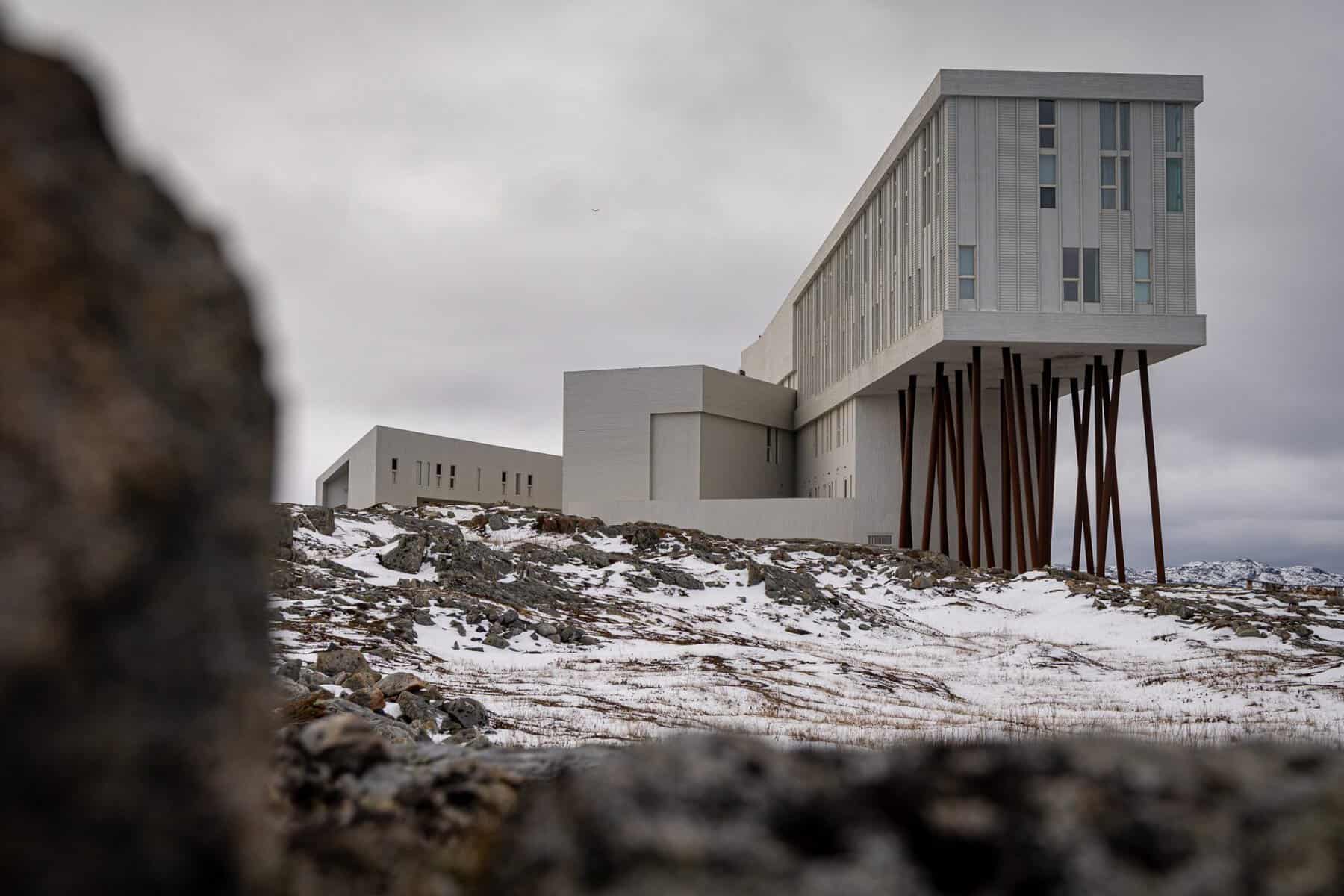
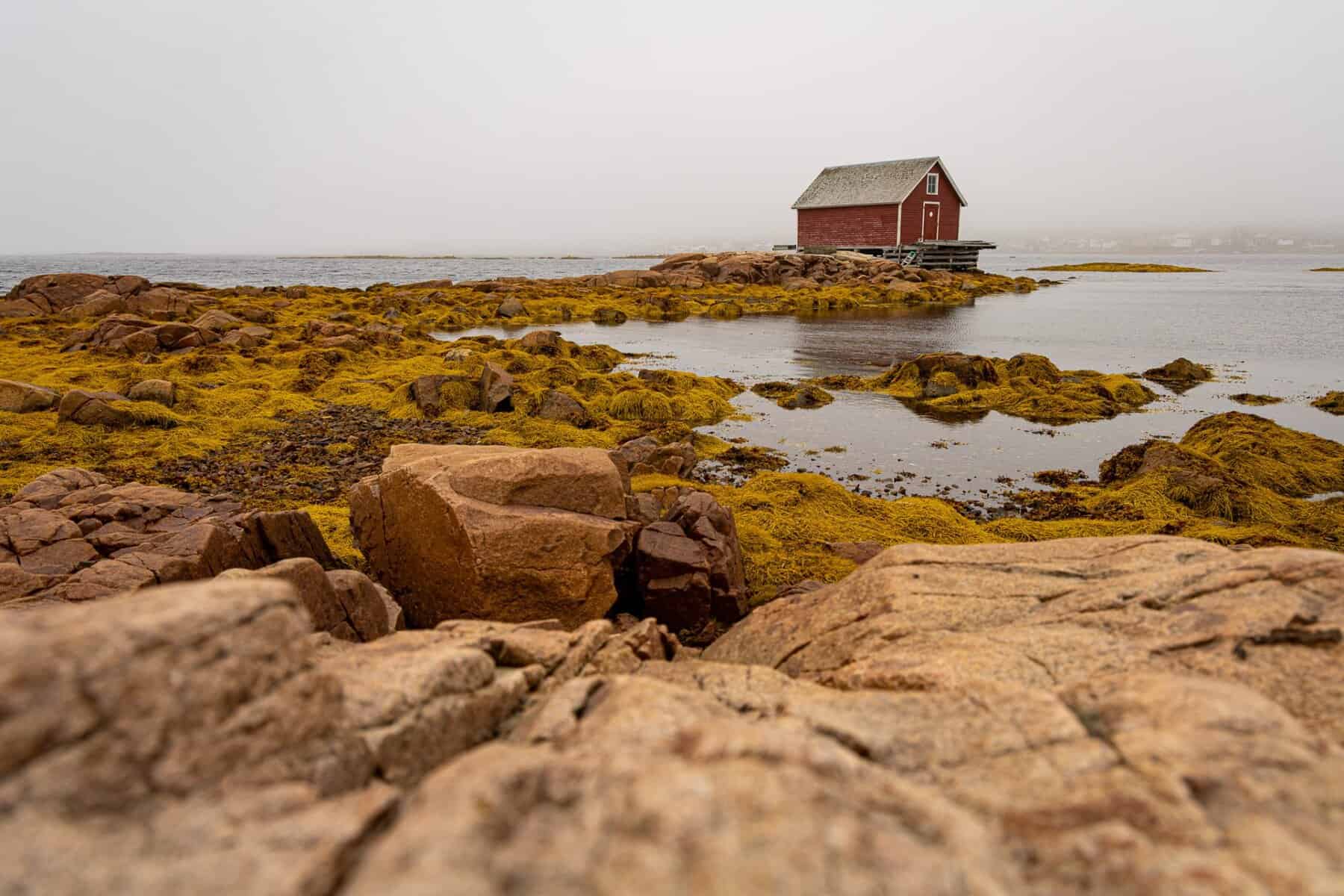
Beyond the dedicated artist studios, Fogo Island boasts other architectural gems. The Fogo Island Inn, a magnificent 29-suite hotel perched on stilts overlooking the North Atlantic in Joe Batt’s Arm, is undeniably the island’s most iconic structure. Its minimalist, bold design, which draws inspiration from traditional Newfoundland fishing stages, has garnered global recognition. More than just a luxury hotel, the Inn operates as a social enterprise, with all operating surpluses reinvested back into the community through the Shorefast Foundation. Its design is a statement of defiance against the harsh elements and a beacon of hope for economic renewal. Other noteworthy structures include the Clay Studio in the Town of Fogo, which showcases local pottery and craft, and various thoughtfully designed private homes that dot the landscape, reflecting a blend of traditional outport aesthetics with modern sensibilities. These structures collectively tell a story of innovation, cultural preservation, and a commitment to sustainable development.
Immersive Hiking Trails: Connecting with Nature and History
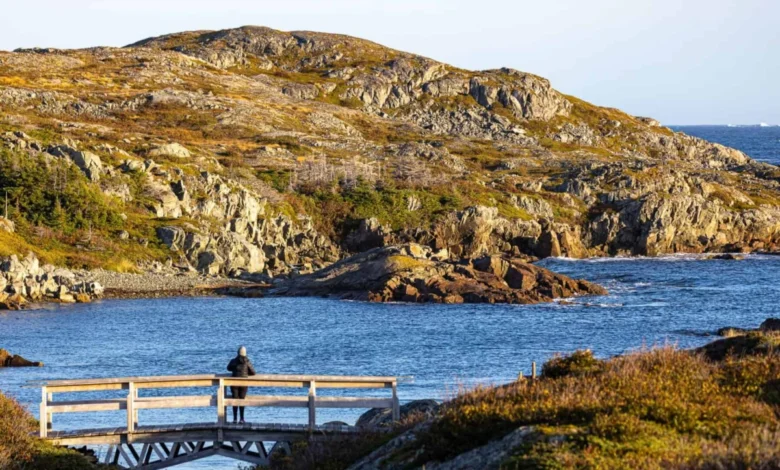
Fogo Island’s network of hiking trails provides an intimate way to experience its dramatic landscapes and rich history. While numerous routes exist, several stand out for their accessibility and unique offerings, allowing visitors to choose a manageable pace, perhaps selecting one primary hike per day to avoid feeling rushed.
-
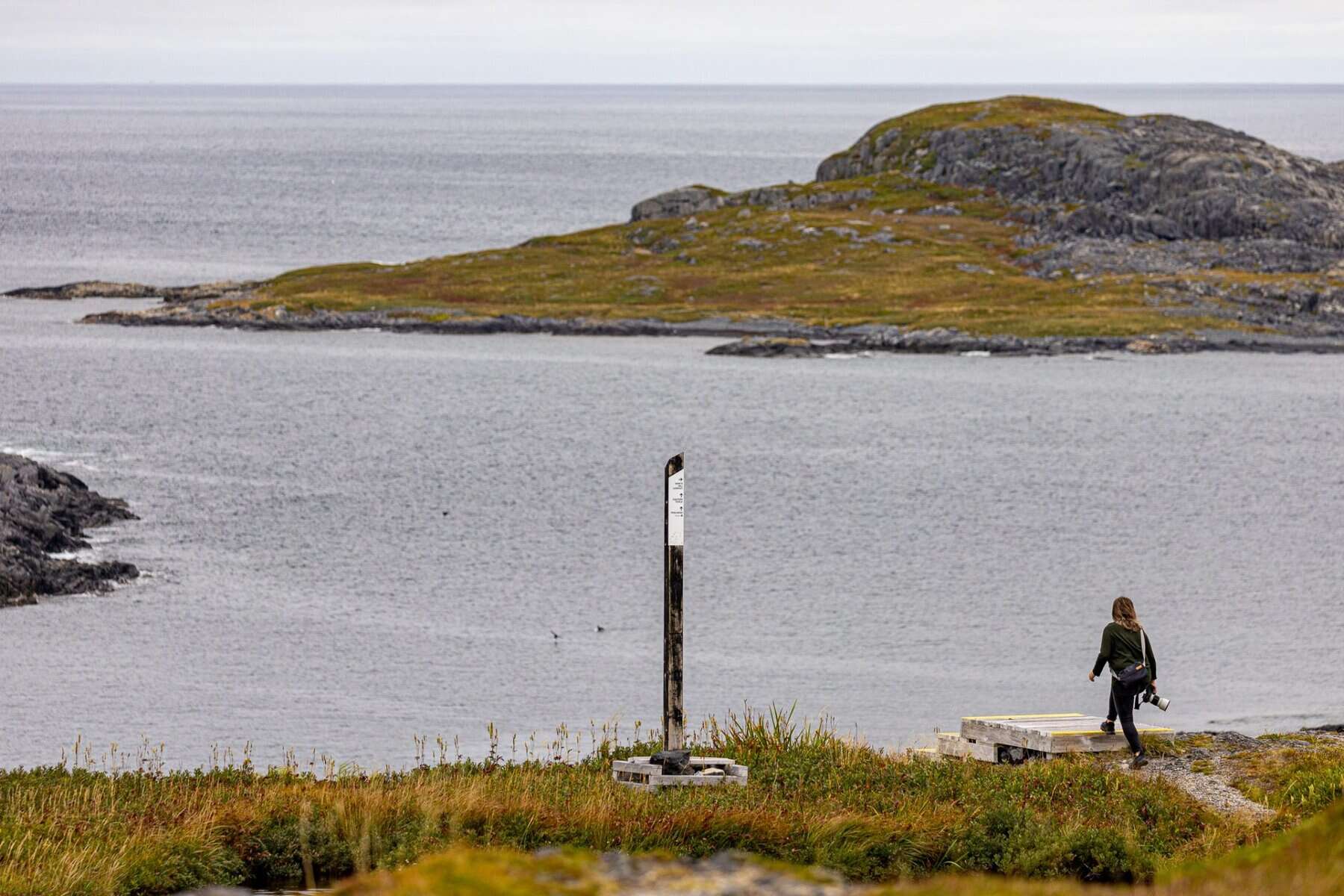
Lion’s Den Trail (4.2 km loop, 60-90 minutes): This highly recommended route traces the coastline from the Town of Fogo, guiding hikers past the poignant remnants of resettled communities like Lock’s Cove and Eastern Tickle. These ghost communities offer a stark reminder of Newfoundland’s controversial resettlement policy, where isolated outports were abandoned in favor of larger centers. Along the trail, a significant historical marker is the Marconi Interpretation Station. This site played a crucial role in early wireless communication, most famously receiving distress signals from the RMS Titanic in 1912. The trail offers not only stunning ocean vistas but also a tangible connection to pivotal moments in maritime history and the enduring human story of living by the sea.
-
Fogo Head Trail (Length Varies, Moderate to Challenging): For those seeking panoramic views and a more rigorous ascent, the Fogo Head Trail is an excellent choice. Characterized by numerous stairs and a steeper climb, the effort is amply rewarded with breathtaking 360-degree vistas. From the summit, hikers can survey the entirety of the Town of Fogo, the sprawling Atlantic, and, during the spring and early summer, potentially spot icebergs drifting south from Greenland. Whale sightings are also common from this elevated vantage point during migration seasons, adding an element of wildlife observation to the experience.
-
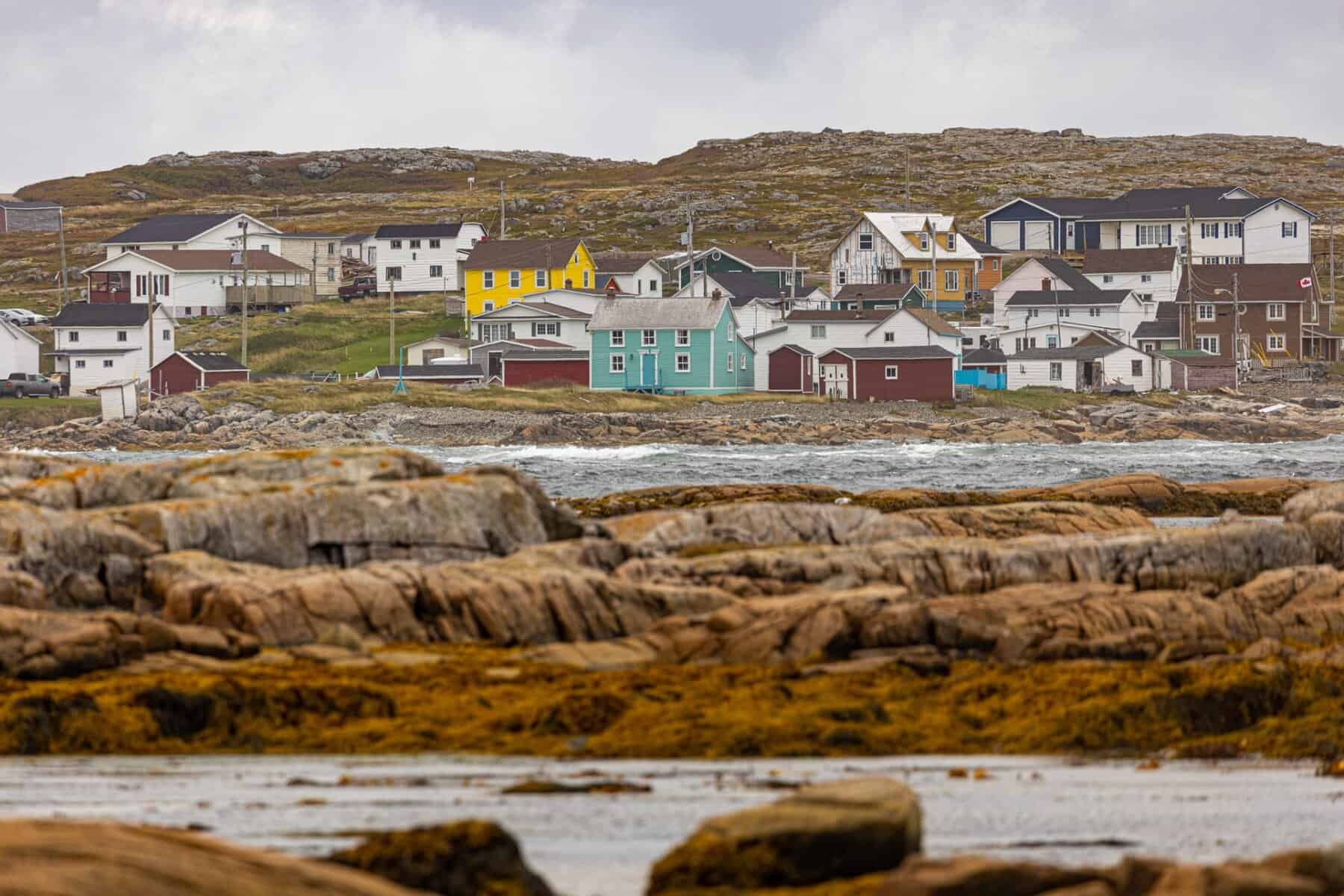
Turpin’s Trail (Tilting, 3-4 km, 60-90 minutes): Located in the picturesque community of Tilting, this shoreline walk begins at Sandy Cove, a surprising stretch of white sand beach that contrasts sharply with the island’s rugged reputation. In favorable weather, particularly during the shoulder seasons like October, the beach can evoke a remarkably tropical sensation, defying expectations of a North Atlantic island. Turpin’s Trail offers a unique perspective on Tilting, a designated National Historic Site of Canada renowned for its preserved Irish-Newfoundland heritage and traditional architecture. The trail meanders past colorful traditional homes, fishing stages, and offers glimpses into a way of life that has largely vanished elsewhere. Hikers can appreciate the intricate details of the community’s design and its deep historical roots.
While these are top choices, visitors should be aware that Fogo Island boasts many other shorter, less strenuous trails, often connecting communities or leading to scenic viewpoints. Always consult local maps and conditions before setting out, and be prepared for variable weather.
A Taste of Fogo: Culinary Delights
Despite its remote nature and relatively small number of dining establishments, Fogo Island offers a surprisingly rich culinary experience, deeply rooted in local ingredients and traditional Newfoundland flavors. The island’s food scene prioritizes freshness, seasonality, and a celebration of the sea.
At the pinnacle of the island’s dining experiences is the Fogo Island Inn Dining Room. Here, Executive Chef Jonathan Gushue leads a team dedicated to "new Newfoundland cuisine," utilizing ingredients foraged from the island, caught from its surrounding waters, or sourced from local farmers and artisans. Dishes often feature fresh cod, snow crab, lobster, scallops, and wild berries (partridgeberries, bakeapples, crowberries), all prepared with sophisticated techniques that honor their origins. Reservations are highly recommended.
For more casual fare, several local eateries offer hearty, authentic Newfoundland meals. These often include traditional fish and chips, fish cakes, Jigg’s Dinner (a classic boiled meal), and various seafood chowders. Visitors can also find charming cafes offering homemade baked goods, strong coffee, and opportunities to connect with local residents. While specific names are not provided in the original text, travelers can expect to find such establishments in the main communities of Fogo, Joe Batt’s Arm, and Tilting. Exploring these local spots provides a genuine taste of island life and its culinary heritage.

Exploring Fogo Island’s Vibrant Communities
The heart of Fogo Island lies in its eleven distinct communities, each possessing its own character and charm. While a two-day visit necessitates focusing on a few, the main hubs offer a comprehensive overview of the island’s cultural landscape. Driving between these communities is quick and scenic, typically taking no more than 10-20 minutes, allowing for easy integration into an itinerary.
-
Town of Fogo: As one of the largest settlements, the Town of Fogo offers a bustling (by island standards) center. It features historical sites, local shops selling crafts and souvenirs, and access to several hiking trails, including the Fogo Head Trail. Visitors can explore its waterfront, observe traditional fishing boats, and immerse themselves in a community that serves as a vital hub for island residents.
-
Joe Batt’s Arm: Home to the iconic Fogo Island Inn, Joe Batt’s Arm is a picturesque fishing village renowned for its vibrant fishing stages and colorful homes nestled along the harbor. It offers a blend of traditional maritime life and modern sophistication. Beyond the Inn, visitors can find local art galleries, small eateries, and opportunities to photograph classic Newfoundland scenery. The community embodies the island’s forward-thinking approach to sustainable tourism.
-
Tilting: Designated a National Historic Site of Canada, Tilting is a living museum of Irish-Newfoundland heritage. Its narrow lanes, meticulously preserved traditional saltbox houses, and active fishing stages transport visitors back in time. The community’s commitment to cultural preservation is evident in every detail, from its architecture to its unique dialect and storytelling traditions. Tilting offers a deep dive into a specific facet of Newfoundland’s cultural tapestry, making it an essential stop for history and culture enthusiasts. Its annual traditional music and storytelling festivals further highlight its vibrant heritage.
Beyond these three, smaller communities like Barr’d Islands, Little Seldom, and Shoal Bay each hold their own unique stories and scenic beauty, offering further opportunities for exploration if time permits. Driving the entire loop of the island provides a fantastic overview and countless photo opportunities.
Practical Information for a Seamless Fogo Island Visit
Effective planning is crucial for maximizing a short visit to Fogo Island.
How to Get There:
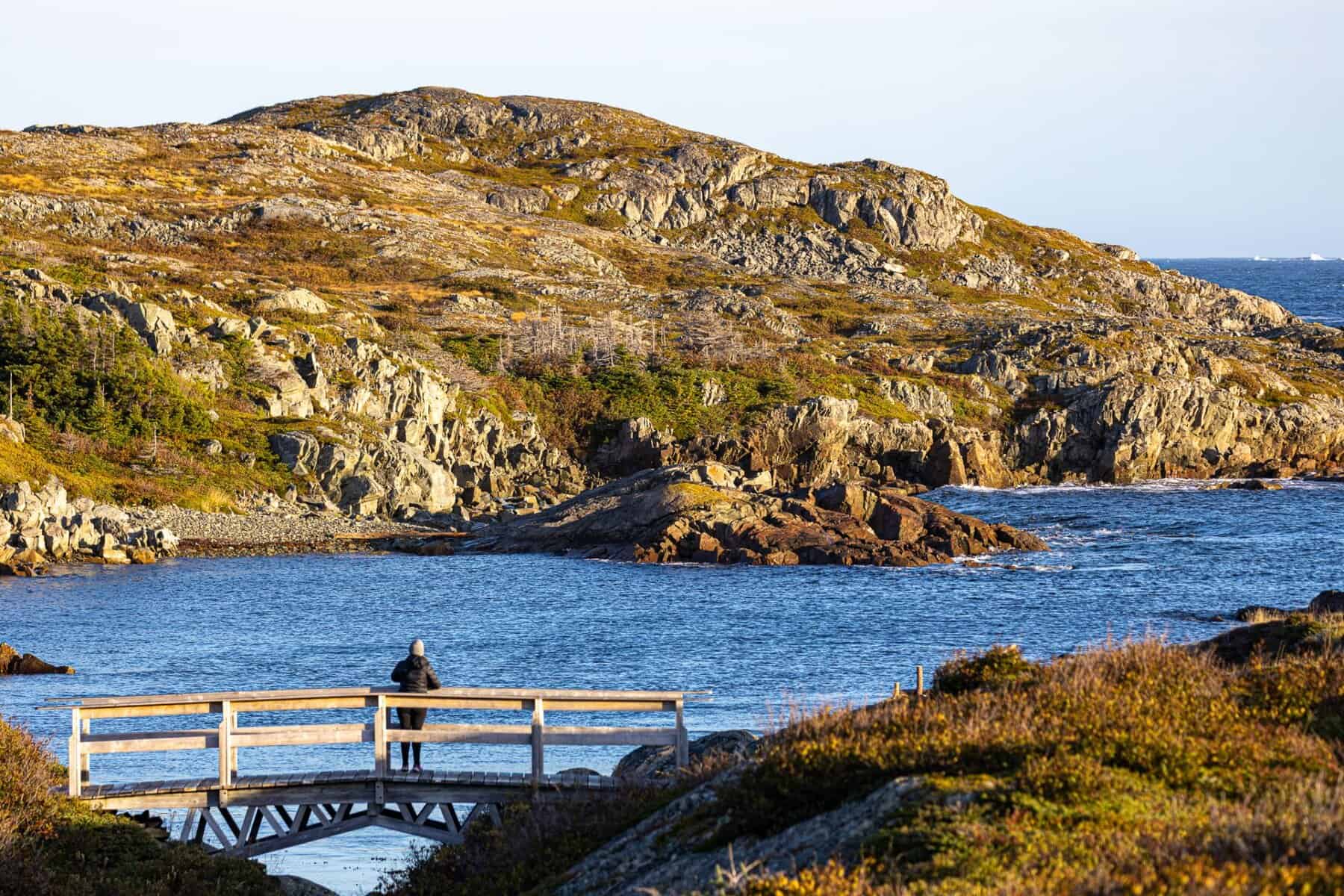
Access to Fogo Island is via a provincial ferry service. Travelers must drive to Farewell on Newfoundland’s northeast coast, where the ferry departs for Stag Harbour on Fogo Island. The crossing typically takes 45-60 minutes. During peak summer months (July and August), it is strongly advised to arrive at the ferry terminal at least 60-90 minutes, and sometimes even 2 hours, before your desired sailing. Queues can be extensive, and spaces are allocated on a first-come, first-served basis for non-commercial vehicles. Checking the ferry schedule and current wait times via the provincial ferry service website or app is essential.
Getting Around:
A car is absolutely essential for exploring Fogo Island. While distances between communities are short, there is no reliable public transport system, and taxis are scarce. Having your own vehicle provides the flexibility to explore at your own pace, access trailheads, and visit various communities scattered across the island. Ensure your rental car agreement permits travel on provincial ferries.
Best Time to Visit:
The ideal time to visit Fogo Island is from June to September. This period offers the most reliable weather, with warmer temperatures and longer daylight hours, ensuring full access to attractions and outdoor activities.
- June: Witness the last of the icebergs and early whale migrations. Cooler, but often less crowded.
- July & August: Peak season, warmest weather, highest visitor numbers. Expect longer ferry wait times (1-2 hours) and higher accommodation prices. Best for puffin and whale watching.
- September: Often considered a sweet spot, with cooler, crisp weather, fewer crowds, and the beautiful autumn colors beginning to emerge on the landscape. Ferry wait times are typically reduced.
Visiting outside these months, particularly in winter, is possible but comes with challenges, including reduced ferry service reliability due to weather, many seasonal businesses being closed, and limited dining and activity options.
How Much Time Do You Need?
Two days is sufficient to cover the main highlights at a steady pace, allowing for:
- Arrival and check-in on Day 1.
- Exploration of 2-3 key communities (e.g., Fogo, Joe Batt’s Arm, Tilting).
- Visits to 2-3 artist studios (exterior views).
- Completion of one significant hike (e.g., Lion’s Den or Turpin’s Trail).
- Enjoyment of local dining experiences.
A third day offers a more relaxed pace, allowing for deeper exploration, an additional hike, more time in specific communities, or perhaps a boat tour (if available).
Estimated Costs (Approximate, per person, per day, excluding ferry):
- Accommodation:
- Budget (local B&B/guesthouse): $100 – $180 CAD
- Mid-range (boutique inn/nicer B&B): $180 – $300 CAD
- Luxury (Fogo Island Inn): $1,500 – $2,500+ CAD (per night, often inclusive of meals/activities)
- Food:
- Casual/Local Eateries: $50 – $80 CAD (per day)
- Mid-range Dining: $80 – $150 CAD (per day)
- Fogo Island Inn Dining: $200+ CAD (per meal)
- Activities/Entrance Fees: Most hiking is free. Guided tours (e.g., boat tours for whales/icebergs) can range from $75 – $150 CAD. Museum/gallery entrances are typically modest ($5 – $15 CAD).
- Ferry (return trip for vehicle and passengers): Approximately $40 – $50 CAD.
What to Pack:
Fogo Island’s weather can be unpredictable, even in summer. Layers are key.
- Clothing: Waterproof and windproof jacket, warm sweaters/fleeces, long-sleeved shirts, sturdy pants.
- Footwear: Waterproof hiking boots or sturdy walking shoes are essential for trails and uneven terrain.
- Essentials: Camera (with extra batteries/memory), binoculars (for wildlife/icebergs), small backpack, reusable water bottle, sunscreen, insect repellent (especially for evening), hat, gloves (even in summer, for windy days), basic first-aid kit.
- Connectivity: Cell service can be spotty in some areas; consider downloading offline maps. Wi-Fi is generally available at accommodations.
Broader Impact and Implications
Fogo Island’s journey from a community facing the existential threat of out-migration and economic decline to a globally recognized model for sustainable rural development is remarkable. The Shorefast Foundation, through initiatives like the Fogo Island Inn and Fogo Island Arts, has spearheaded an economic and cultural revitalization based on "placemaking" and "asset-based community development." By leveraging the island’s unique culture, dramatic landscape, and the ingenuity of its people, Shorefast has created high-quality employment, attracted international attention, and fostered a renewed sense of pride among residents.
This model, sometimes referred to as "economic development through cultural tourism," serves as a case study for other remote communities grappling with similar challenges. It demonstrates that with thoughtful investment, local engagement, and a clear vision, it is possible to create economic prosperity while preserving cultural authenticity and ecological integrity. The influx of visitors and the international recognition bring both opportunities and challenges, requiring ongoing efforts to balance tourism growth with the needs and desires of the local population, ensuring that the benefits are shared equitably. The success of Fogo Island underscores the profound value of investing in place, people, and culture as drivers of sustainable futures.
While these recommendations highlight the standout experiences for a two-day visit, Fogo Island is also a place of serendipitous discoveries. Chance encounters with herds of caribou, multi-colored foxes, or even the occasional celebrity visiting the Inn are not uncommon. As is customary anywhere in Newfoundland and Labrador, a camera is an indispensable companion to capture the island’s captivating beauty and its vibrant, resilient spirit.
Related posts: