The allure of planning a journey far in advance is a sentiment deeply appreciated by discerning travelers. It’s a process that cultivates a slow, satisfying build-up of anticipation—the meticulous research, the careful refinement of choices, and the eventual moment when a dream destination solidifies from a mere possibility into an inevitable reality. For those with their sights set on 2026, this forward-thinking planning is already well underway. Emerging trends indicate a clear preference for destinations that offer ample space, unparalleled privacy, breathtaking natural surroundings, and the ultimate freedom to curate an experience entirely on one’s own terms.
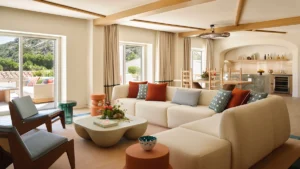
This growing desire for autonomy and seclusion has dramatically amplified the appeal of private villas over traditional hotel accommodations. Recent surveys underscore this shift, with a significant majority of holidaymakers now finding the prospect of a private villa more enticing than a hotel stay. The primary drivers behind this preference are relaxation and proximity to desirable destinations, with beach locations consistently topping the list of priorities. The appeal is intuitive: a villa offers a unique sense of immersion, allowing travelers to feel as though they are truly inhabiting a place, even if only for a short period. Mornings can unfold at their own unhurried pace, meals can be shared around a personal dining table, and entire days can be shaped by individual rhythms, free from the constraints of hotel check-in times, scheduled dining hours, or the presence of other guests.
This article presents a curated selection of destinations generating significant interest for luxury villa holidays in 2026. The list spans beloved Mediterranean classics to emerging European hotspots that are quietly but surely capturing the attention of sophisticated travelers.
The Paramount Importance of Destination Choice in Villa Holidays
While the specifications of a villa—its swimming pool, the number of bedrooms, the interior design—are undoubtedly important, it is crucial to recognize that the destination itself shapes the holiday experience as profoundly as the accommodation. A temptation exists to focus solely on the property’s features before thoroughly considering its geographical context. However, a villa situated in a location that perfectly aligns with a traveler’s style, group dynamics, and desired holiday atmosphere will invariably deliver a far richer experience than a technically superior property in an ill-suited setting.
For instance, a family prioritizing easy beach access, proximity to local eateries, and a relaxed pace of life requires a different geographical context than a couple seeking a secluded countryside retreat where the primary agenda involves reading and gourmet dining. Identifying the ideal destination first simplifies every subsequent decision, ensuring a more cohesive and satisfying travel plan.
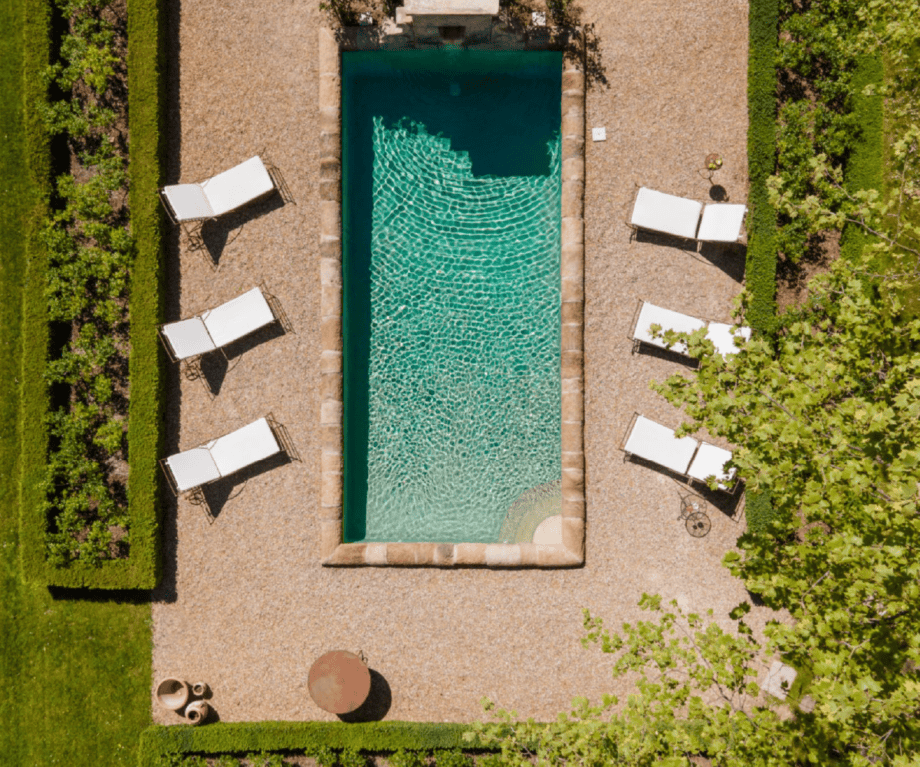
Furthermore, it is essential to consider the experiential character of a destination beyond its immediate reputation. Some locales inherently encourage spontaneous exploration, such as vibrant cities and charming coastal towns where simply wandering is an intrinsic pleasure. Conversely, other destinations are best suited for utilizing the villa as a true sanctuary, where the property itself becomes the focal point, and any excursions are supplementary to the core experience. Understanding the desired holiday dynamic is paramount in selecting the right location.
London, United Kingdom: A Cultural Capital Reimagined for Villa Stays
London may not be the immediate answer that springs to mind when discussing luxury villa holidays, yet it presents a compelling case for reconsideration. The city offers a distinctive advantage: the opportunity to immerse oneself, however briefly, within one of the world’s preeminent cultural capitals, all while residing in a private dwelling that offers a stark contrast to the anonymity of a hotel.
Imagine a beautifully appointed townhouse in Notting Hill, a chic lateral apartment in Chelsea within easy walking distance of some of Europe’s most celebrated restaurants, or a prestigious Mayfair residence complete with a dedicated concierge and chauffeured car. These are not compromises on a traditional villa holiday; rather, they represent a sophisticated evolution of the concept—a private, personal, and exceptional stay in a setting that rewards exploration at every turn.
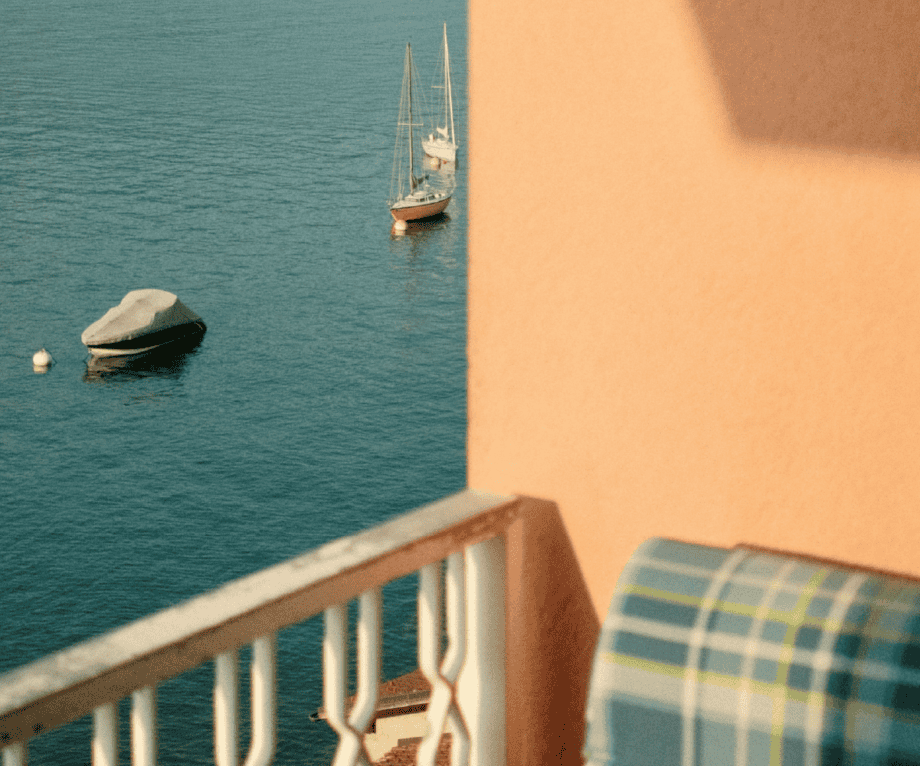
London excels as a domestic luxury getaway, offering the profound satisfaction of a genuine holiday without the logistical complexities of long-haul travel. A well-chosen long weekend in a prime property provides access to world-class theatre, museums, dining, and retail, coupled with the unique comfort of returning to one’s own front door each evening. It is an exceptional choice for significant celebrations, for groups of friends desiring a shared urban base, and for couples seeking the full cultural richness of London with the privacy and intimacy that a hotel cannot provide.
The cultural calendar for 2026 is particularly robust, and London’s culinary scene, already a dynamic force in Europe, continues to evolve with exciting new developments. For those who have historically overlooked London as a destination for private villa rentals, it warrants serious consideration as a sophisticated and rewarding choice.
Comporta, Portugal: Understated Coastal Elegance
Located just south of Lisbon, and a world away from the more bustling Algarve, Comporta has steadily cultivated its reputation as one of Europe’s most discreetly desirable coastal destinations. The enduring description of "the Hamptons of Europe" accurately captures its essence: understated, design-conscious, unhurried, and notably devoid of the commercialized gloss that has permeated some of Portugal’s more prominent resorts.
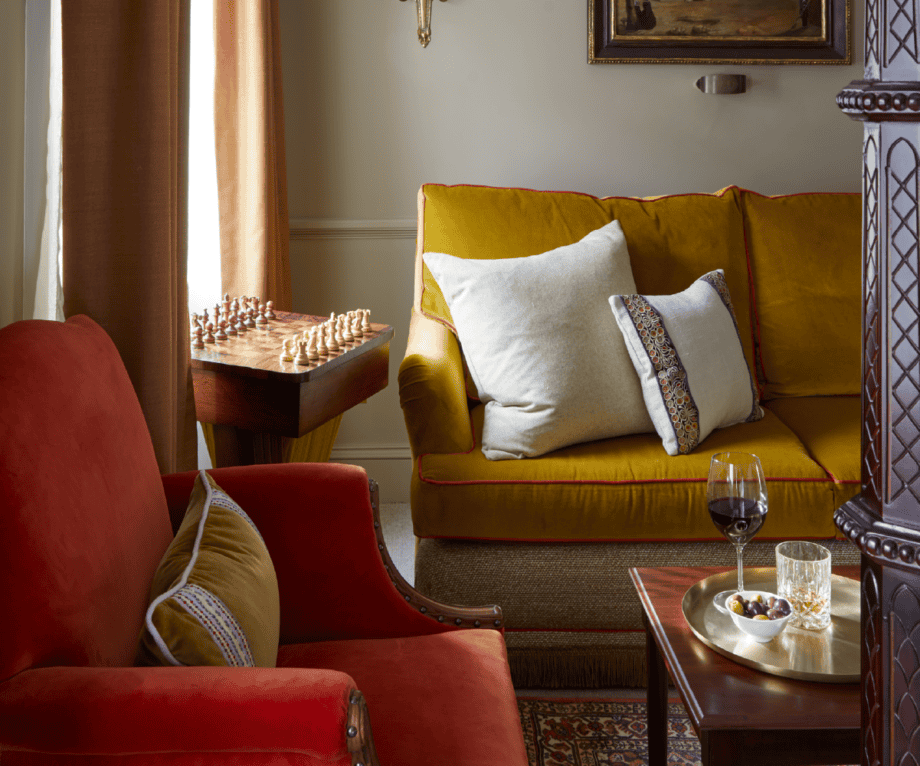
What truly sets Comporta apart is its deliberate avoidance of ostentation. The absence of large hotel chains is striking. The architecture is predominantly low-rise and thoughtfully integrated, utilizing natural materials that harmonize seamlessly with the surrounding landscape. The beaches are expansive, largely unspoiled stretches of Atlantic coastline, offering a sense of uncrowded tranquility that is increasingly rare in popular European summer destinations. Inland, vast rice fields meet fragrant pine forests, creating a landscape of almost cinematic beauty that has long been a quiet muse for designers and photographers.
The villas in Comporta generally reflect this same refined sensibility, featuring exceptional interiors, natural materials, and a harmonious integration of indoor and outdoor living spaces. For couples seeking complete coastal seclusion, coupled with access to excellent culinary experiences and the option of a sophisticated Lisbon evening just over an hour’s drive away, Comporta stands as a top European choice for 2026. It also appeals to travelers who find more celebrated destinations somewhat overwhelming and are drawn to the unique pleasure of discovering a place that rewards dedicated exploration.
Amalfi Coast, Italy: Timeless Drama and Unrivaled Views
The Amalfi Coast has captivated travelers for centuries, and its enduring appeal shows no signs of waning. The dramatic juxtaposition of limestone cliffs plunging into a sapphire sea, pastel-hued villages clinging precariously to the hillsides, and the exquisite quality of the afternoon light that bathes every terrace and garden in gold, creates a landscape of unparalleled beauty. It is a destination where photographic representations consistently fall short of capturing the sheer scale, vibrant color, and palpable atmosphere that can only be fully appreciated in person.

The profound advantage offered by a private villa on the Amalfi Coast, something no hotel can replicate, is perspective—quite literally. Waking up to such breathtaking views from one’s own private terrace, with the day unfolding without a fixed agenda, is a travel experience that resonates for years. This destination is particularly well-suited for larger groups, such as families or groups of friends, who desire a shared experience of something truly spectacular. Villas provide the necessary privacy and space for guests to enjoy each other’s company without the formalities associated with hotel dining and communal areas.
Envision evenings spent at a long outdoor table, savoring local wine with the shimmering sea below—these are the defining moments of an Amalfi Coast villa holiday, moments unavailable to guests of even the most luxurious hotels along the coast. The spring and early autumn months offer an ideal balance of pleasant weather, beautiful light, and manageable crowds. While summer is busier, the dramatic allure of the coastline remains undiminished.
Istria, Croatia: An Undiscovered Adriatic Gem
For travelers who have already explored Dubrovnik and are seeking a destination with greater depth and significantly fewer crowds, Istria emerges as a compelling answer. This Adriatic peninsula in northern Croatia offers a captivating blend of rolling vineyard landscapes, charming medieval hilltop towns, and a culinary scene that genuinely rivals Tuscany, all while receiving a fraction of the international attention.

The gastronomic credentials of Istria are formidable. Truffles are revered with the same dedication found in regions like Périgord or Alba. The local olive oils are of exceptional quality. The wine scene is intimate, characterful, and increasingly recognized internationally, with small producers crafting wines that rarely venture far from the peninsula. The quintessential Istrian experience might involve a morning visit to a local market, an afternoon spent lounging by the villa’s pool, and an evening enjoying extraordinary cuisine at a restaurant that seats perhaps only a dozen guests. This is the essence of a week in Istria, a proposition that is both deeply appealing and remarkably accessible.
Istria proves to be an ideal destination for a wide range of travelers. Couples seeking a truly off-the-beaten-path experience will find it profoundly satisfying. Families who value space, scenic beauty, and excellent food without the intensity of busier resorts will appreciate its unhurried pace. Small groups desiring privacy, exceptional dining, and the rare satisfaction of having discovered a place not yet on everyone’s radar will find it incredibly difficult to depart. For 2026, Istria represents one of the most intriguing and rewarding choices within the European villa market.
Cape Town, South Africa: A Symphony of Nature and Culture
Cape Town occupies a unique category in the world of travel destinations. Framed by the iconic Table Mountain on one side and the vast Atlantic Ocean on the other, it boasts a setting of almost improbable natural beauty. The city itself has developed with remarkable ambition and energy around this stunning backdrop. For travelers from the United Kingdom, it offers one of the most compelling options for a winter escape, providing an immersion in warmth, color, and vitality precisely when Northern Europe is at its most subdued.
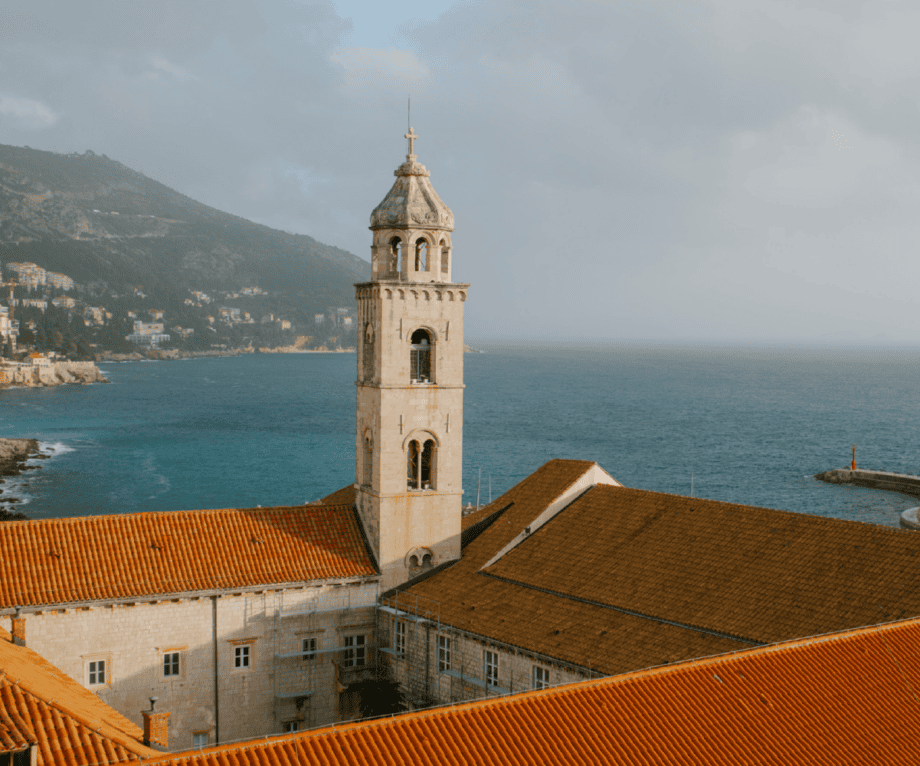
The city’s restaurant scene is world-class and continues to flourish, drawing upon the extraordinary produce of the Western Cape and the dynamic energy of a metropolis that takes its culinary offerings very seriously. The wine estates of Stellenbosch and Franschhoek are among the finest in the Southern Hemisphere and are easily accessible for day trips. The Atlantic Seaboard, encompassing areas like Clifton and Camps Bay, offers beaches of exceptional beauty, with the vibrant city always within close proximity.
Luxury villas in Cape Town are typically situated in spectacular locations, whether perched on the slopes of Lion’s Head or directly overlooking the ocean in Camps Bay. The quality of accommodation available has seen a significant rise in recent years. The combination of dramatic natural surroundings, profound cultural and culinary depth, and the distinctive quality of the South African light makes Cape Town one of the most rewarding villa destinations for those willing to travel a little further afield. It is particularly well-suited for creative couples, for groups seeking a city break with substantial depth, and for anyone captivated by the prospect of Table Mountain as a daily backdrop.
Enduring Favorites: Destinations That Consistently Impress
While the emerging destinations highlighted above are gaining significant traction, several enduring favorites continue to define the luxury villa holiday experience for very good reason. These classic destinations remain excellent choices for travelers whose specific requirements may not be fully met by the newer options.

Tuscany, Italy: Tuscany remains the benchmark against which other countryside villa destinations are measured. The harmonious blend of its picturesque landscape, world-renowned food and wine, rich artistic heritage, and the inimitable quality of Italian rural life during the summer months is simply extraordinary. The finest estates in Tuscany offer an experience that has no direct equivalent elsewhere in Europe. For families, groups, and individuals seeking a base of profound beauty from which to indulge in exceptional food and wine, Tuscany continues to justify every superlative it receives.
Mykonos, Greece: Mykonos embodies effortless Aegean style, bathed in brilliant light, and possesses an island energy that can range from vibrant to electric, depending on the specific location and time of visit. The most desirable villas here command spectacular positions with sweeping sea views and pool terraces meticulously designed for long, sun-drenched days. It consistently ranks among the most searched villa destinations in the Mediterranean.
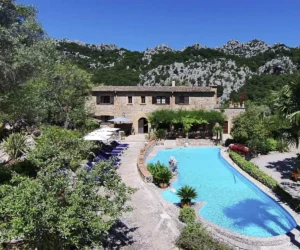
Mallorca, Spain: Mallorca maintains its consistent popularity with families and groups, and for good reason. The island offers a greater diversity and refinement than its broad reputation might suggest. Spectacular properties are available in the Tramuntana mountains, along the quieter eastern coast, and in the hills above Palma, each providing distinct experiences within the same captivating destination.

Maximizing the Villa Holiday Experience
The distinction between a good villa holiday and an exceptional one rarely hinges solely on the property itself. It is often the surrounding details that forge lasting memories: a private chef sourcing ingredients from the local market to prepare a bespoke meal; a massage booked for the afternoon of arrival to ensure a seamless transition from travel to relaxation; fresh flowers adorning the dining table, daily housekeeping services, or a property manager with intimate knowledge of the area capable of facilitating any request.
These enhancements are not mere luxuries; they are the elements that transform a comfortable stay into a genuinely restorative experience. With the most sought-after properties in prime destinations booking up well in advance, the optimal time to commence planning for 2026 is now. The right villa, in the ideal destination, secured with the appropriate level of care and support, offers a standard of travel that is exceptionally difficult to match elsewhere.