Curaçao, a constituent country of the Kingdom of the Netherlands located in the southern Caribbean Sea, has emerged as a premier culinary destination characterized by its complex cultural synthesis. The island’s gastronomy is a physical manifestation of its historical trajectory, blending indigenous Caribbean traditions with Dutch, Latin American, and West African influences. As the island shifts its economic focus toward high-end tourism and sustainable agriculture, its culinary landscape has transformed from a reliance on imported goods to a more nuanced, localized model. Understanding the contemporary food scene in Curaçao requires an exploration of its historical foundations, its recent farm-to-table movement, and the institutional efforts to preserve traditional recipes such as keshi yena.
Historical Context and Cultural Synthesis
The culinary heritage of Curaçao is inseparable from its colonial history. Following the Dutch West India Company’s seizure of the island in 1634, the territory became a major hub for the transatlantic slave trade and maritime commerce. This convergence of populations created a unique social fabric. The Dutch influence is most visible in the prevalence of snacks like bitterballen (deep-fried savory meatballs), while the African influence is embedded in the reliance on local root vegetables and the preparation of stews.
In the 20th century, the establishment of the Royal Dutch Shell oil refinery catalyzed further migration, bringing in workers from neighboring Venezuela and Colombia. This influx introduced South American staples—such as arepas and complex spice blends—into the local diet. Today, these diverse threads are woven into a culinary identity that distinguishes Curaçao from its Caribbean neighbors, which often feature more uniform, regional cuisines.
The Evolution of the Local Food Supply
For decades, Curaçao faced significant challenges in agricultural production due to its semi-arid climate and thin, rocky soil. Consequently, the island became heavily dependent on food imports, particularly from the United States and the Netherlands. However, a significant shift has occurred over the last fifteen years. Government initiatives and private investments have incentivized local farming, leading to the rise of specialized agricultural enterprises that prioritize drought-resistant crops and hydroponics.
Hofi Cas Cora stands as a primary example of this shift. Located in the interior of the island, the property operates as a dual-purpose entity: an educational farm and a weekend restaurant. By aligning its menu with the harvest cycle, the establishment provides a blueprint for sustainable hospitality. Economists observing the island’s hospitality sector note that the "farm-to-table" model serves as a risk-mitigation strategy against global supply chain volatility, which has historically caused price spikes for imported perishable goods in the Caribbean.
Chronology of Culinary Development
1634: The Dutch capture Curaçao, introducing European dietary habits and salt-curing preservation methods.
17th–19th Century: The plantation era facilitates the exchange of culinary knowledge between African, indigenous, and European populations, leading to the creation of creole dishes.
1918: The opening of the Isla Refinery triggers a massive demographic shift, integrating Venezuelan and Colombian culinary traditions into the local urban food scene.
2010: Following the dissolution of the Netherlands Antilles, Curaçao focuses on diversifying its tourism product, leading to an increase in high-end, chef-driven restaurant concepts.
2020–2024: The post-pandemic era sees an acceleration in the farm-to-table movement, with a renewed emphasis on food security and local sourcing.
Economic Implications of Gastronomic Tourism
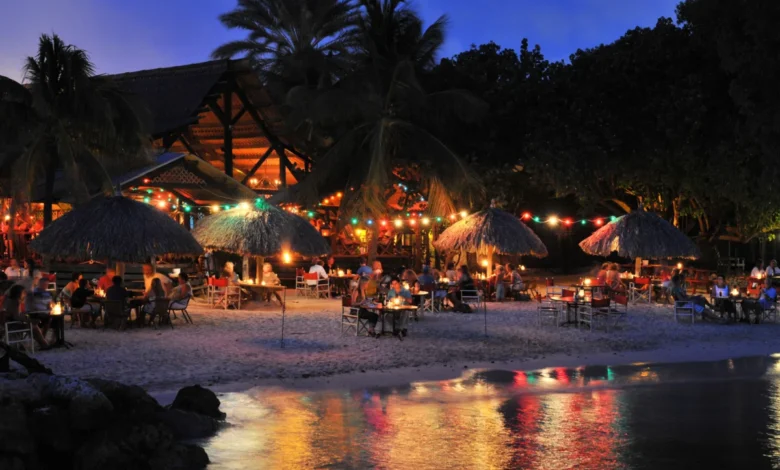
The Curaçao Tourist Board (CTB) has increasingly utilized gastronomy as a pillar of its destination marketing strategy. Data from the 2023 Tourism Impact Report suggests that travelers visiting Curaçao are spending approximately 25% of their daily budget on dining and nightlife, a significant increase from figures recorded in 2015. This shift has incentivized restaurant owners to refine their service standards and diversify menus to meet the expectations of an international clientele while maintaining local authenticity.
Investment in infrastructure, such as the restoration of the Pietermaai district, has created a fertile environment for boutique hospitality. Establishments like BijBlauw demonstrate the commercial viability of luxury, oceanfront dining. By integrating architectural heritage with a high-end breakfast and brunch menu, such venues cater to a "slow travel" demographic that prioritizes experiential consumption over all-inclusive mass tourism.
The Significance of National Heritage Dishes
Central to the preservation of Curaçaoan identity is the dish known as keshi yena. Historically, the dish is said to have originated from the practice of utilizing leftover scraps of meat—often remnants of the Sunday roast—which were then seasoned and stuffed into the hollowed-out rinds of Edam or Gouda cheese wheels. These rinds were frequently discarded by Dutch merchants.
From a sociological perspective, keshi yena represents the ingenuity of the island’s ancestors who operated within the constraints of limited resources. Today, the dish has been elevated from its humble origins to a staple of fine dining. Restaurant & Café Gouverneur De Rouville, situated in the historic Willemstad harbor, serves as a high-profile venue for this traditional preparation. The preservation of such recipes is increasingly viewed as a cultural imperative by local historians, who argue that the loss of traditional cooking methods would constitute a decline in the island’s unique cultural capital.
Analysis of Current Market Trends
Current market analysis indicates that the Curaçao culinary sector is bifurcating into two distinct streams. The first is the hyper-localized, small-scale producer model, represented by operations like The Marketplace at Hofi Cas Cora, which provides organic produce to both residents and restaurants. This segment is growing as local awareness of nutrition and food provenance increases.
The second stream is the internationalized boutique restaurant, such as Maira’s Kitchen in the Otrobanda neighborhood. By adopting Mediterranean influences and fusing them with local ingredients like mango and passionfruit, these establishments appeal to a globalized palate. The success of these restaurants is predicated on their ability to offer "third-space" experiences—environments that are not quite home and not quite a traditional commercial venue, but rather a hybrid space that encourages social interaction.
Broader Impact and Future Outlook
The culinary trajectory of Curaçao reflects a broader movement within the Caribbean to assert cultural independence through food. By moving away from standardized, imported "resort food," Curaçao is positioning itself as a destination where the environment and the plate are inextricably linked.
However, challenges remain. The reliance on desalinated water for agriculture and the rising costs of energy present hurdles for the industry. Official statements from local agricultural boards emphasize that the future of Curaçao’s food security lies in technological innovation—specifically in solar-powered irrigation and vertical farming techniques.
For the culinary professional and the discerning traveler alike, Curaçao offers a case study in resilience. The integration of the historical Dutch, Latin American, and Caribbean influences is not merely a marketing narrative but a lived reality that defines the island’s competitive edge. As the sector matures, the emphasis on local sourcing and the elevation of traditional dishes like keshi yena will likely serve as the bedrock for the island’s continued economic growth in the hospitality sector. Those visiting the island are participating in a living history, one that is served on a plate and refined through the constant dialogue between the island’s geography and its diverse population.