Expert Strategies for Capturing Professional Family Portraits While Traveling with Toddlers

The pursuit of high-quality family photography during international travel presents a unique set of logistical challenges, particularly when toddlers are involved. For many parents, the desire to document significant milestones and vacation memories often clashes with the unpredictable nature of young children, whose limited attention spans and physical needs can disrupt traditional, posed photo sessions. Industry experts and professional photographers suggest that transitioning from rigid, studio-style expectations to a dynamic, child-centered approach is essential for achieving successful results.

The Evolution of Travel Photography for Families
The demand for professional vacation photography has surged in the last decade, fueled by social media documentation and the increasing accessibility of platforms like Flytographer, which connects travelers with local photographers in over 350 global destinations. Historically, family travel photography relied on the "pass-the-camera" method—handing a device to a stranger at a landmark. While functional, this approach rarely yields high-quality, candid, or professionally composed images that capture the essence of a family’s dynamic.
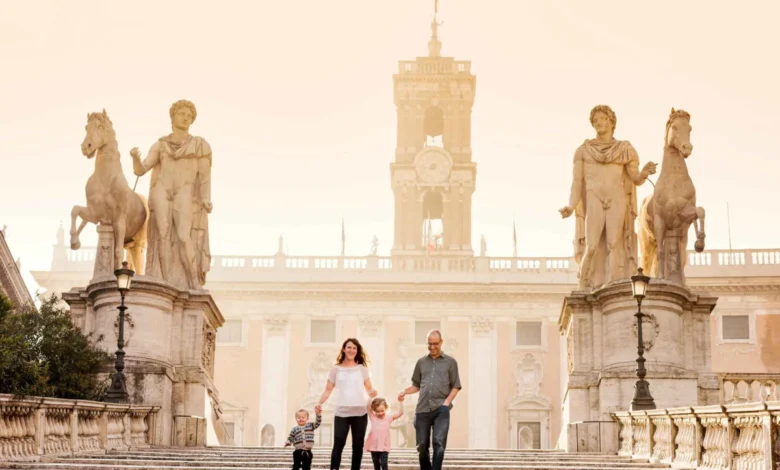
The shift toward hiring professional photographers during trips, such as the Brewer family’s experience in Rome, reflects a broader trend in "experiential travel." By integrating a 60-to-90-minute photo session into a vacation itinerary, families are prioritizing professional documentation of their time abroad. Data suggests that these sessions are most effective when they prioritize "lifestyle photography"—a candid style that focuses on interactions rather than static poses.

Optimal Scheduling and Environmental Control
Professional photographers emphasize that timing is the most critical variable in the success of a toddler-focused photoshoot. The concept of "Golden Hour"—the period shortly after sunrise or before sunset—is widely regarded as the gold standard for lighting. However, for toddlers, the morning is scientifically and practically superior.
Biological research into circadian rhythms indicates that toddlers typically exhibit higher levels of alertness and cooperation in the morning. Afternoon sessions, conversely, often coincide with nap times or the onset of "the witching hour," leading to increased irritability. Furthermore, from a logistical standpoint, early morning sessions offer a significant tactical advantage: the reduction of crowds. Major tourist landmarks, which can be overwhelming or distracting for a young child, are often sparsely populated at dawn. This allows the photographer to work with more freedom and reduces the risk of the child becoming overstimulated by tourists.

Strategic Preparation: The Role of Logistics
Successful photoshoots require a departure from the "all-out-best-outfit" mindset. Professional photographers advise a layered approach to clothing. Weather patterns in unfamiliar cities can shift rapidly, and toddlers are prone to spills or accidents. Bringing extra outfits is not merely a convenience; it is a necessity that allows the child to engage with their environment—such as sitting on stone steps or interacting with local wildlife—without parental anxiety over clothing damage.
The "bribe and comfort" strategy is another standard industry practice. While it may seem counterintuitive to a structured session, the use of small, mess-free snacks and discreet toys is widely endorsed by professionals who work with children. By keeping the child fed and engaged, the photographer can move from forced, stiff poses to capturing genuine, spontaneous moments. This is particularly relevant when navigating historic sites where children may not grasp the significance of the location but will respond well to being allowed to play or explore.

Aligning Photoshoots with Developmental Stages
A toddler’s developmental stage necessitates a shift in expectations regarding eye contact and camera engagement. Professionals warn against the "look here and smile" tactic, which often yields forced, unnatural expressions. Instead, the most successful sessions involve the photographer integrating into the family’s existing activity.
If a child is an animal lover, scheduling the shoot at a park with a pond or a site where they can be active keeps their cortisol levels low and their curiosity high. By allowing the toddler to guide the session, the photographer captures authentic expressions rather than the vacant, camera-shy stare often associated with children who feel pressured to perform. Allowing the toddler to view the images on the camera’s digital display during the session can also serve as a positive reinforcement tool, transforming the experience from a chore into an engaging, interactive game.

The Psychological Impact on the Session
The emotional state of the parents is a primary indicator of the session’s outcome. Research into emotional contagion shows that children, especially those under the age of four, are highly sensitive to parental stress. If a parent is anxious about the cost of the session, the time constraints, or the child’s behavior, the toddler will likely mirror that agitation.
Professional photographers often act as mediators in these situations, steering the session away from potential meltdowns. Maintaining a positive, flexible attitude is critical. If a child refuses to stand in a specific spot, the best course of action is to pivot the concept. Often, the "failed" shots—where a toddler is running away or playing with a prop—become the most cherished images, as they represent the reality of the family’s travel experience rather than a manufactured perfection.

Economic and Practical Implications
Hiring a professional photographer for a travel shoot involves a cost-benefit analysis. While professional services represent an additional line item in a vacation budget, the long-term value is often measured in the quality of family heirlooms created. The professional difference lies in lighting expertise, color correction, and the ability to compose shots that include all family members.
Furthermore, the rise of specialized photography marketplaces has streamlined the hiring process. Before these platforms existed, finding a reputable, English-speaking photographer in a foreign country required extensive vetting and vetting. Today, standardized booking platforms ensure that the photographer is vetted, has a portfolio that matches the desired aesthetic, and understands the specific constraints of working with children.

Conclusion: Capturing the Narrative of Travel
The ultimate goal of a professional family photoshoot during travel is not to produce a series of perfect portraits, but to document a specific chapter in the family’s life. The evidence from professional photographers suggests that the most successful images are those that tell a story. Whether it is the chaos of a toddler in a Roman plaza or a quiet moment in the Canadian Rockies, the value of the session is found in the preservation of these fleeting developmental stages.
By focusing on morning scheduling, appropriate clothing, managed expectations, and the incorporation of the child’s unique personality, parents can mitigate the stress of travel photography. The professionalization of this process—using local experts who understand the nuances of working with children—ensures that the final product is a reflection of the family’s genuine connection rather than a sterile, posed outcome. As families continue to prioritize experiential travel, the integration of professional photography will likely remain a staple for those looking to archive their global journeys with high-fidelity, emotional depth.