Athens is not a city that reveals itself quickly. Unlike the immediate allure of islands like Mykonos, where the sea and light announce the destination with unreserved charm, Athens demands a deeper engagement. Its most profound offerings lie beneath the surface, often eluding the casual visitor who, after a cursory exploration of the Acropolis and a meal in its vicinity, has experienced only a fraction of what this multifaceted metropolis truly holds. For those seeking a genuine understanding of its extraordinary character, a more nuanced approach is required, one that moves beyond the well-trodden tourist paths.

The evolution of Athens as a premier luxury travel destination has been a significant transformation over the past two and a half decades. Since 1999, Concierge Unique has observed and facilitated this shift, moving from a city often treated as a transit point to a sought-after destination in its own right. This change is underscored by a burgeoning culinary landscape, now boasting exceptional dining experiences, and a luxury hotel sector that ranks among Europe’s finest. Furthermore, Athens offers a cultural depth and human texture that, while different from the natural beauty of the Greek islands, provides an equally compelling, if not more profound, travel experience.
Navigating Athens effectively requires more than just a guidebook; it necessitates an intimate understanding of its soul. This is not about simply following a list of attractions, but about discerning which neighborhoods reveal their magic at specific times of day, which restaurants offer genuine culinary innovation beyond their prime locations, and which experiences remain hidden from those who rely solely on superficial exploration. The city’s true essence is unlocked through local knowledge, cultivated over years of dedicated engagement and personal relationships.
The Layers of Athens: A Historical Tapestry
Athens is a city built on layers of history, a palimpsest where the ancient, Byzantine, Ottoman, neoclassical, and modern eras coexist and intertwine. This dense historical fabric requires time and careful observation to fully appreciate. Neighborhoods that might appear unassuming on a map often harbor hidden gems – innovative restaurants, avant-garde galleries, and vibrant cultural enclaves. Conversely, areas that seem central and obvious can, in practice, cater primarily to those unaware of the city’s more exclusive alternatives.
The specific allure of neighborhoods like Kolonaki, Monastiraki, Psyrri, Koukaki, and Pangrati is not immediately apparent to the uninitiated. Their significance lies in subtle distinctions, in the ebb and flow of local life, and in the constant evolution of their offerings. Securing the best table at a noteworthy restaurant on any given evening depends on a dynamic understanding of current trends, recent openings, and even the subtle decline of establishments that have rested on past laurels. This is the kind of intelligence that can only be gathered through sustained presence within the city, not through distant research.

The author’s personal experience, spanning a quarter-century of regular visits to Athens, has been instrumental in forging relationships with key figures in the city’s hospitality and cultural sectors. These connections – with restaurant owners, hotel managers, curators of private galleries, and operators of exclusive experiences that never surface in mainstream travel publications – are the direct result of sustained engagement. They represent an invaluable, non-replicable asset that facilitates access to the city’s most authentic and exclusive offerings.
Unveiling the True Athens: Experiences Beyond the Obvious
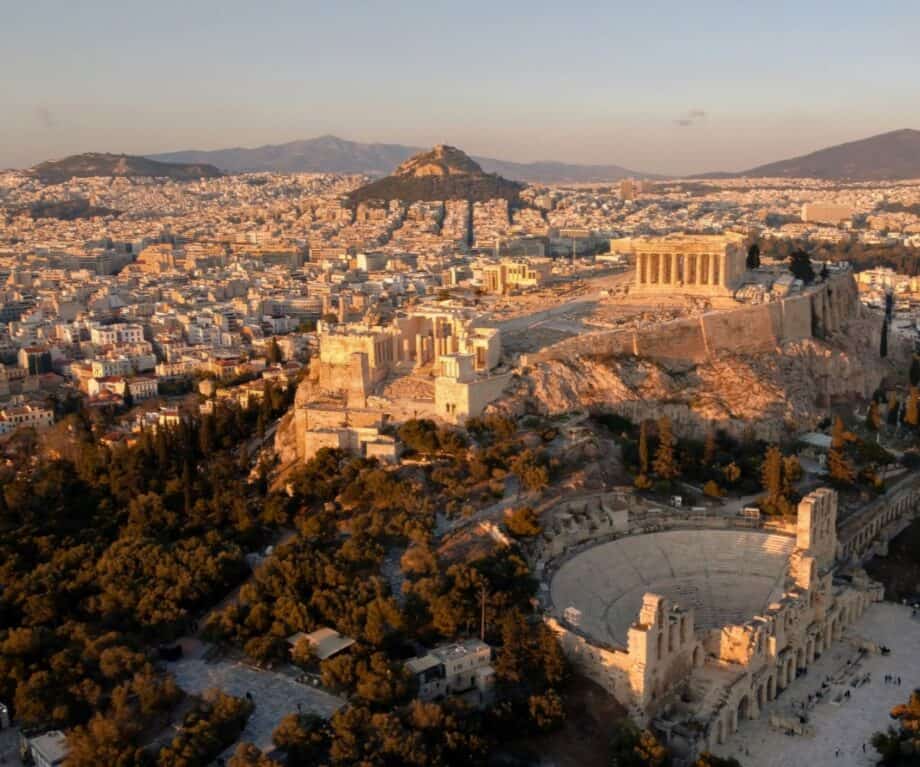
While the Acropolis is undeniably an extraordinary monument, its true magnificence is best appreciated under specific conditions. Experiencing it at dawn, before the crowds descend, when the city below is still hushed and the light casts a unique golden hue, offers a profound connection to its millennia-old history. Such an intimate encounter often requires private access arrangements, necessitating knowledge of the right individuals to contact.

Beyond its archaeological wonders, Athens has witnessed a remarkable culinary renaissance over the past decade. The contemporary dining scene is now a compelling reason to visit, moving beyond traditional tourist expectations of Greek cuisine. A new generation of chefs, many with international training, are returning to Greece, reinterpreting local ingredients with unprecedented creativity. Gaining access to the most sought-after establishments often requires either extensive advance planning or the benefit of established relationships that open doors.
Furthermore, Athens boasts a vibrant, yet largely unseen, private art scene. Galleries, artist studios, and private collections offer a distinct perspective on contemporary Greek culture, far removed from the offerings of official institutions. These experiences are not discoverable through online booking platforms; they are forged through personal connections and shared interests, a testament to the city’s ability to surprise and delight those who venture beyond the surface.

Navigating Athens: Practical Considerations for the Discerning Traveler
Athens in the summer presents a unique climate challenge. The intense heat necessitates a strategic approach to daily activities, prioritizing cooler mornings and evenings. Midday hours are best spent in shaded retreats, perhaps with a refreshing beverage, allowing for a more comfortable and enjoyable experience. The city truly comes alive in the evenings, with a nocturnal rhythm that extends later than in many other European capitals, a characteristic that can be either a challenge or an appealing aspect, depending on individual preferences.
While Athens is generally more accessible by private transport than its island counterparts, efficient navigation still requires careful planning. The city’s sprawl, coupled with its often-congested traffic, means that distances between key points – such as the airport, the city center, or the coastal areas – are significant and warrant pre-arranged transportation. A driver familiar with Athens offers a distinct advantage over one whose expertise is limited to other regions, highlighting the importance of coordinated logistics for travelers combining different Greek destinations.

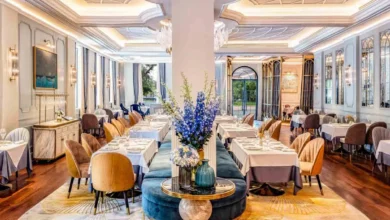
The luxury hotel sector in Athens has undergone significant development, with several properties now rivaling the finest establishments in major European capitals in terms of service, design, and location. Selecting the most suitable hotel for a particular client and visit requires firsthand knowledge of these properties, rather than relying solely on online reviews or booking platforms. Understanding the nuances of each hotel’s offerings and atmosphere is crucial for crafting an exceptional stay.
Concierge Unique specializes in managing integrated travel experiences across Greece, including seamless transitions between Athens and popular island destinations like Mykonos. For travelers planning a visit to Athens who desire a meticulously curated and authentic experience, direct engagement with Concierge Unique is recommended. Their expertise ensures that the city is explored and appreciated in its full depth, unlocking its most extraordinary facets for a truly memorable journey.

The Strategic Advantage: Leveraging Local Expertise
The transformation of Athens from a secondary stopover to a premier luxury destination is a testament to its enduring appeal and its capacity for reinvention. However, this evolution has also created a landscape where genuine, high-quality experiences are not always readily apparent. The city’s rich tapestry of history, culture, and gastronomy requires a discerning eye and an informed guide to fully unravel.
The author’s long-standing presence in Athens, beginning in 1999, has provided a unique vantage point from which to witness and contribute to this transformation. The initial perception of Athens as a city primarily for those interested in ancient history has gradually shifted. Today, its sophisticated dining scene, world-class luxury accommodations, and vibrant contemporary cultural offerings attract a discerning clientele seeking a multifaceted European city break.

The distinction between a tourist’s Athens and an insider’s Athens is stark. The former might tick off major historical sites and dine in well-known tourist hubs. The latter, however, experiences the city’s pulsating heart – the hidden courtyards with exceptional tavernas, the independent art galleries showcasing emerging talent, the intimate concerts in unexpected venues, and the personalized interactions with local artisans and entrepreneurs. These are the elements that elevate a trip from ordinary to extraordinary.
A Deeper Dive into Athens’ Offerings
The Acropolis at Dawn: As previously mentioned, experiencing the Acropolis at sunrise is a transformative moment. The Parthenon, Erechtheion, and the surrounding ancient structures stand bathed in the soft, ethereal light of early morning. This is a time for quiet contemplation, for connecting with the weight of history that permeates the site. Without special arrangements, this unparalleled experience is often missed amidst the throngs of midday visitors. The logistical prowess of local concierges can facilitate early access, allowing for a more personal and profound engagement with this UNESCO World Heritage site.

Culinary Innovations: The contemporary Athenian dining scene is a dynamic and exciting force. Chefs are embracing modern techniques while drawing inspiration from traditional Greek flavors and ingredients. This has resulted in innovative tasting menus, fusion dishes, and a renewed appreciation for seasonal produce. Beyond the Michelin-starred establishments, a network of smaller, more intimate restaurants offers authentic and creatively prepared dishes. Identifying these gems requires local knowledge of their reputation, recent culinary achievements, and the ability to secure reservations, which can be challenging due to their popularity.
The Private Art Scene: Athens has a thriving private art scene that operates largely outside the public eye. Collectors, galleries, and studios are hubs of artistic activity, offering a glimpse into the cutting edge of contemporary Greek art. These spaces often host exclusive viewings and private events, providing a unique opportunity to engage with artists and curators. Access to this world is typically facilitated through personal introductions and established networks, underscoring the value of local connections.

Understanding the Urban Rhythm: Athens operates on a distinct diurnal rhythm, especially during the warmer months. Mornings are often reserved for exploration and sightseeing, taking advantage of the cooler temperatures. Midday heat encourages a slower pace, perhaps involving a leisurely lunch or a siesta. As the sun begins to set, the city awakens with renewed energy. Plazas fill with people, restaurants and bars buzz with activity, and the cultural calendar comes alive with performances and events. Understanding and adapting to this rhythm is key to experiencing the city’s full vibrancy.
Logistical Excellence: For a seamless journey through Athens, particularly when combined with other Greek destinations, meticulous planning of transportation is essential. This includes airport transfers, inter-city travel, and local excursions. A dedicated concierge service can arrange for private drivers who are not only knowledgeable about the city’s layout and traffic patterns but also possess an understanding of the specific needs of luxury travelers. This ensures efficient movement and maximizes time spent enjoying the city’s attractions.

The burgeoning luxury hotel market in Athens offers a range of exquisite options, from historic grand hotels to contemporary boutique properties. Each offers a unique experience, and choosing the right one depends on individual preferences and the specific purpose of the visit. Expert advice from a concierge service can help match clients with the hotel that best suits their needs, ensuring comfort, style, and impeccable service.
In conclusion, Athens is a city that rewards those who look beyond the obvious. Its true character is revealed through a deeper engagement, facilitated by local expertise and a willingness to explore its multifaceted offerings. By understanding its historical layers, embracing its contemporary cultural dynamism, and navigating its unique urban rhythm, visitors can unlock the extraordinary essence of this ancient yet ever-evolving metropolis.