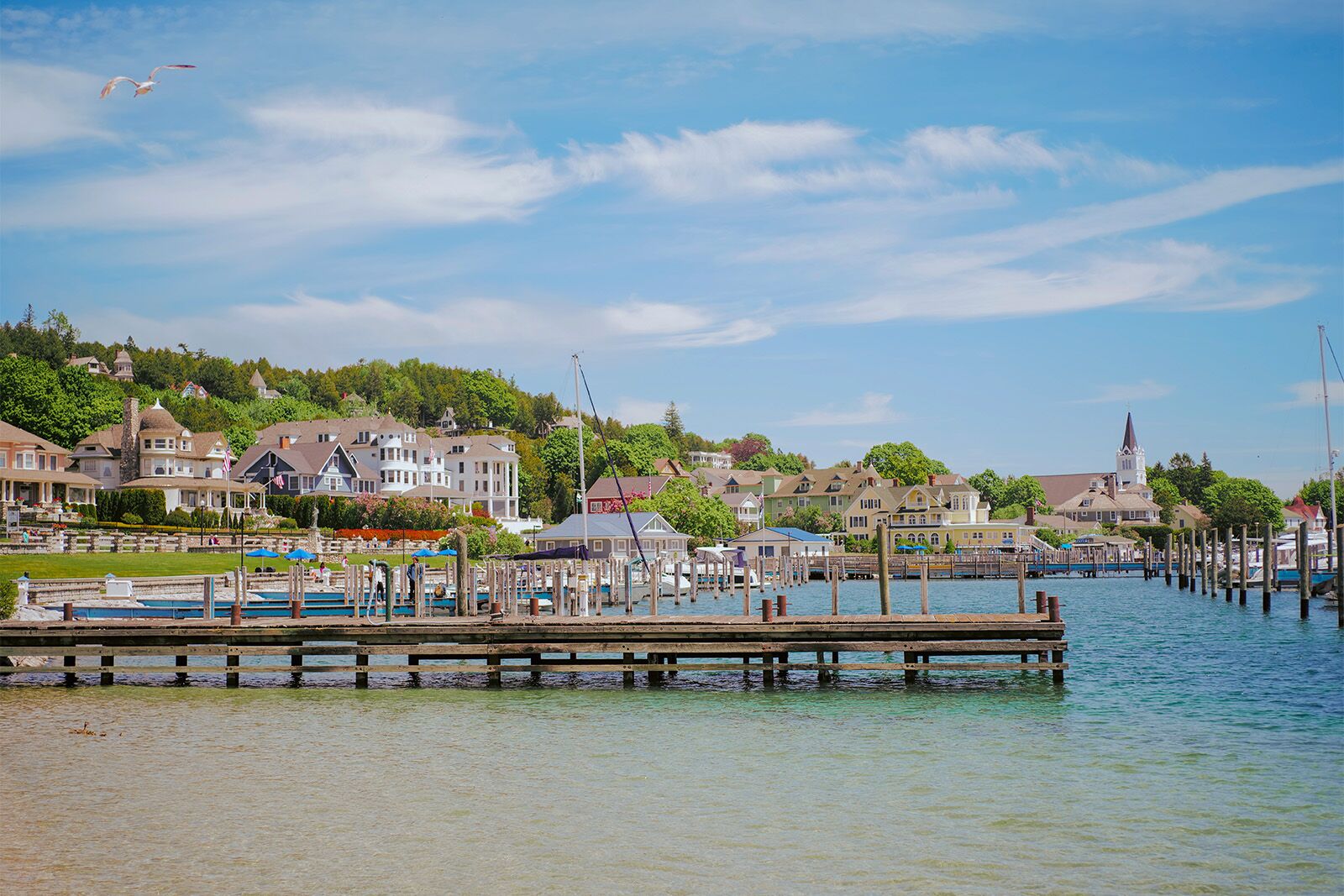
Mackinac Island, a jewel nestled in the pristine waters of Lake Huron between Michigan’s Upper and Lower Peninsulas, offers a unique travel experience that transports visitors to a bygone era. This island paradise, stretching approximately eight miles around its scenic shoreline, has deliberately preserved its charm by banning automobiles since 1898. This historic prohibition, born from the concerns of carriage drivers that motorized vehicles would spook their horses, has cemented biking, walking, and horse-drawn carriages as the island’s primary modes of transportation. The result is an unparalleled atmosphere of tranquility and natural beauty, a stark contrast to the hurried pace of modern life.
The ideal window for experiencing Mackinac Island’s allure spans from May through October. During a visit in June, the island was just beginning to buzz with activity as the peak season commenced. Residents, having weathered the winter months, were actively preparing for the influx of summer visitors. The downtown area was awash in the vibrant hues of white and purple lilacs, with local flyers heralding the imminent Mackinac Island Lilac Festival. Many locals suggest that early summer, when the lilacs are in full bloom, or the crisp autumn months, when the foliage ignites in a symphony of colors, offer the most enchanting periods to visit.
Embracing the Island’s Unique Charm: Activities and Experiences
A Journey Through History: The Self-Guided Walking Tour
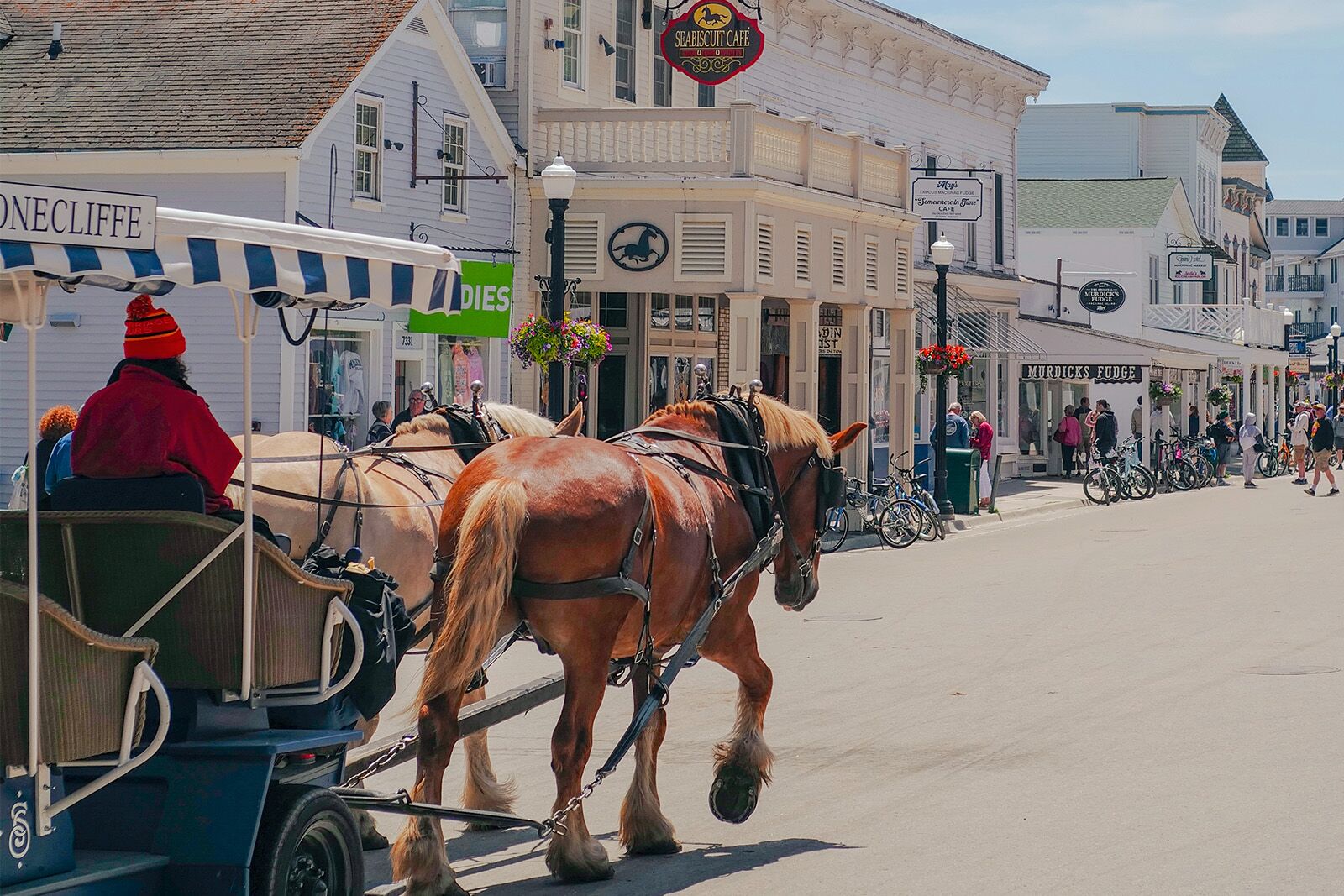
The island’s narrative truly unfolds with a stroll down Main Street. This bustling thoroughfare is lined with family-owned businesses, many boasting a lineage that stretches back generations. Among these is Doud’s Market, an institution recognized as the oldest continuously operated family-run grocery store in the United States. Here, the traditional island way of life is palpable, with locals often seen transporting their purchases home in wagons hitched to the backs of their bicycles. For those seeking unique mementos and local craftsmanship, Little Luxuries offers a curated selection of artisanal beauty products, homemade goods, and distinctive souvenirs. Main Street also serves as the central hub for booking island tours and experiences, connecting visitors with the island’s many offerings.
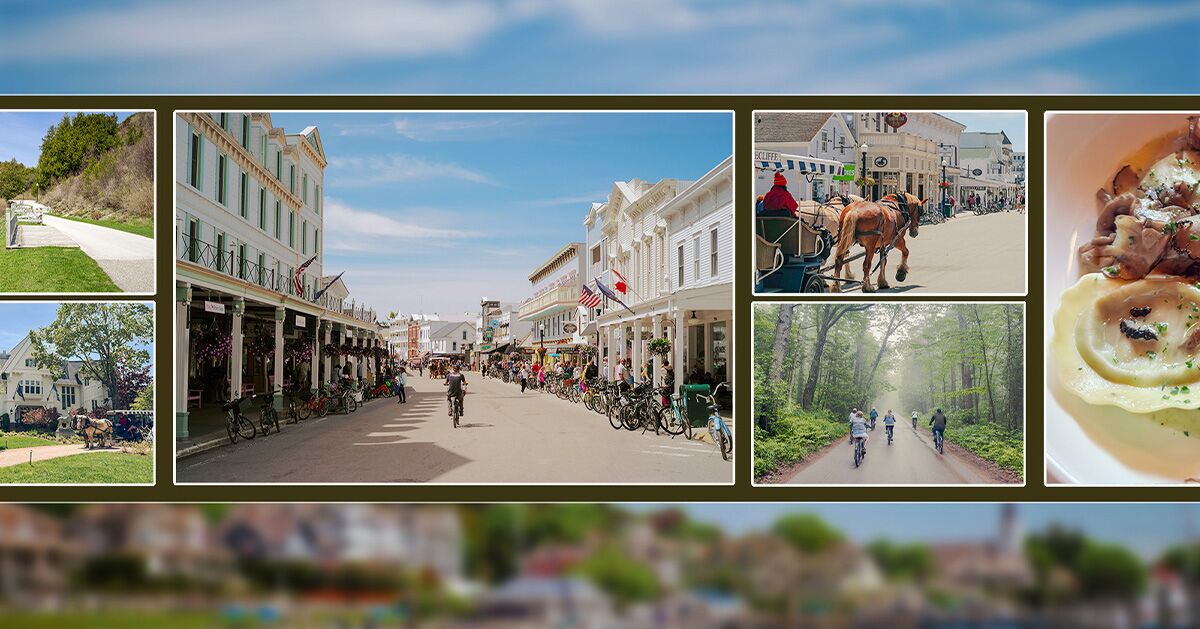
Mary Jane Barnwell, proprietor of The Island Bookstore on Main Street since 1989, emphasizes the importance of immersing oneself in the island’s rich history. She recommends Mackinac Jane’s Audio Tours, a series of self-guided walking and cycling expeditions developed by her and her husband, Mark. Utilizing the VoiceMap app, these tours are narrated by individuals who have dedicated decades to understanding and appreciating the island’s nuances. The tours guide visitors to significant landmarks such as East Bluff, renowned for its magnificent historic summer cottages; British Landing, a historically significant site from the War of 1812 marked by its rocky beach; and locations that served as backdrops for the iconic 1980 film, Somewhere in Time.
Pedaling Through Paradise: Exploring by Bicycle
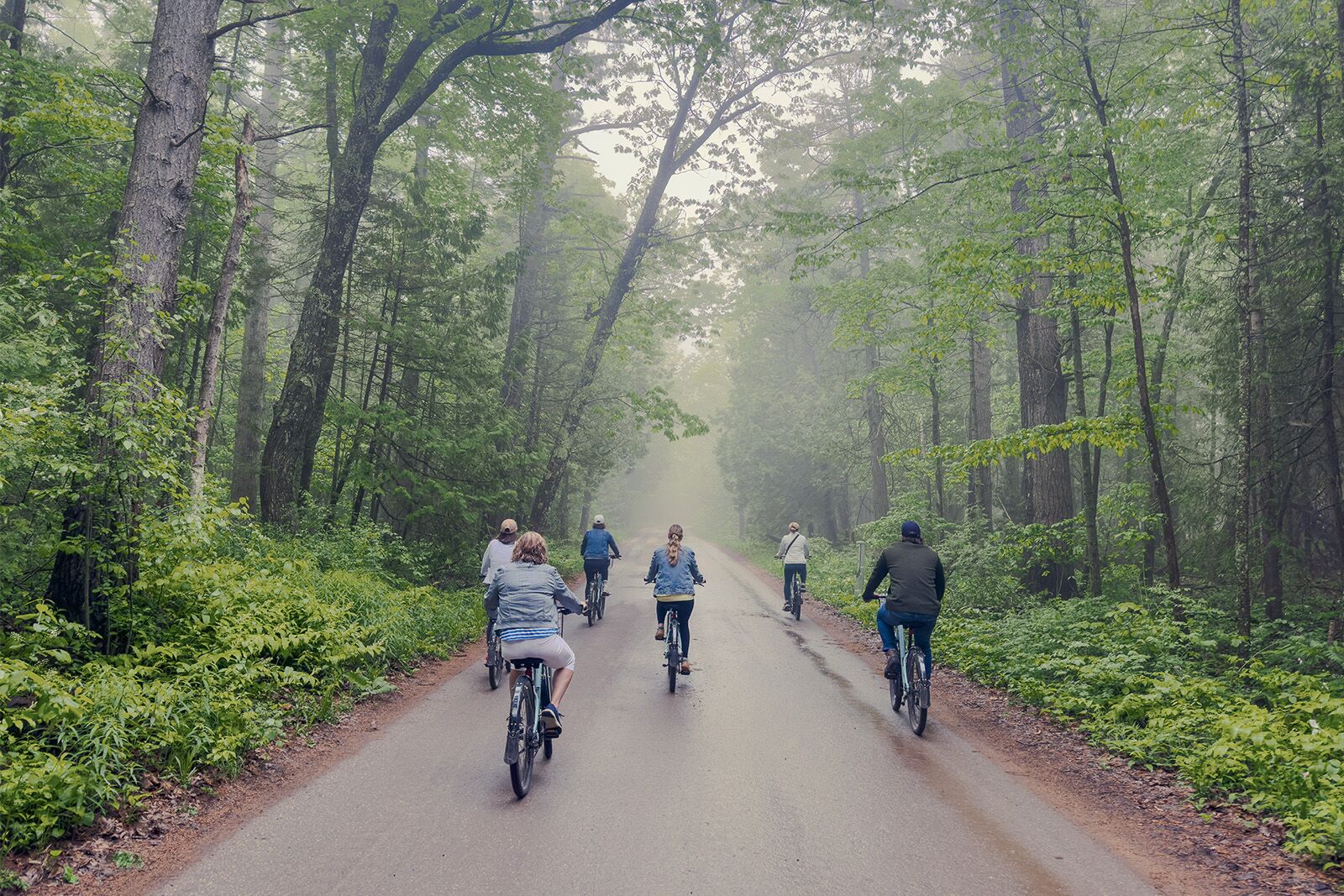
Cycling is an indispensable element of the Mackinac Island experience. Numerous rental shops along Main Street, including Mackinac Island Bike Shop and Mackinac Wheels, provide a wide array of bicycles. The island’s perimeter, a car-free, eight-mile loop along Lake Shore Boulevard, offers breathtaking vistas of Lake Huron. A notable stop along this route is Arch Rock, a majestic limestone arch formation on the eastern shoreline. Visitors can park their bikes at the base and ascend 207 steps to reach the natural wonder, rewarded with unparalleled views of the lake and its crystal-clear waters, creating an ideal setting for photography. The island’s commitment to preserving its natural beauty means that cycling not only offers a mode of transport but also an intimate connection with the landscape.
Navigating the Waters: Sip n’ Sail Cruises
A top recommendation from virtually every Mackinac Islander is to embark on a Sip n’ Sail Cruise. This popular excursion operator features two vessels: the Robin E, a 55-foot glass-bottomed boat, and the 81-foot Isle Royale Queen III. Passengers can choose from a variety of themed sails, including the Michigan Craft Beer Cruise, the serene Sip n’ Sail Sunset Cruise, and the unique Bloody Mary & Mimosa Bridge Tour. This latter tour offers a unique perspective of the Mackinac Bridge, a five-mile suspension bridge that elegantly spans the Straits of Mackinac, connecting Lake Michigan and Lake Huron. It’s worth noting that spring visitors should be mindful of potential weather disruptions that might necessitate rescheduling such excursions.
A Sweet Tradition: Indulging in Mackinac Island Fudge
Fudge on Mackinac Island is more than just a confection; it’s a deeply ingrained tradition dating back to 1887 when the Murdick family established the island’s inaugural candy shop. This delectable treat quickly became a quintessential souvenir for visitors. Over the years, numerous other families have contributed their own cherished recipes, establishing renowned establishments such as Murdick’s Fudge and Joann’s Fudge. A visit to these shops offers a captivating glimpse into the fudge-making process. Witnessing the artisans meticulously folding the fudge across a cool marble slab is not merely for show; this technique is crucial for achieving the signature melt-in-your-mouth texture, preventing a grainy consistency. The ritual of creating fudge is as much a part of the island’s charm as its consumption.
Lace Up Your Boots: Hiking the Island’s Trails
A significant portion of Mackinac Island, over 80 percent, is preserved as Mackinac Island State Park, a testament to Michigan’s commitment to conservation. This park, established after the island’s brief tenure as the nation’s second national park (1875-1895), boasts over 70 miles of meticulously maintained trails. Hikers can traverse through enchanting evergreen tunnels and discover patches of wildflowers, particularly in the spring and early summer. The park is also home to several striking geological formations. Fort Holmes, the island’s highest point, offers panoramic views of the Straits and the Mackinac Bridge. Sugar Loaf, a formidable limestone stack rising 75 feet from the forest floor, is another natural marvel. For scenic vistas of the island’s charming Victorian homes, the West Bluff Trail is highly recommended. Wildlife enthusiasts will find the Croghan Water Trail, located on the island’s less-traveled side, an ideal route for observing local fauna.
A Majestic Ride: Experiencing a Carriage Tour
The most iconic mode of transportation on Mackinac Island is undoubtedly the horse-drawn carriage. Mackinac Island Carriage Tours, operating since 1869, provides an immersive, 1.5- to 2-hour guided journey around the island. The tour highlights key attractions, including Arch Rock, Surrey Hill—a unique destination featuring a carriage museum, a butterfly conservatory, and a blacksmith shop—and the Grand Hotel, the island’s most imposing and historically significant resort. Beyond the scheduled public tours, Mackinac Island Carriage Tours offers a 24-hour horse-drawn taxi service, available by dispatch and operating on a cash-only basis, providing a convenient transportation option for individuals with varying mobility needs. For those seeking a more personalized experience, private carriages can be arranged for customized routes. Furthermore, Jack’s Livery Stable offers the opportunity for visitors to drive a buggy themselves, providing a hands-on interaction with this traditional mode of transport.
Culinary Delights: Where to Eat and Drink on Mackinac Island
Sweet Indulgences: Mackinac Island Cookie Company
A quick search for "best cookies on Mackinac Island" invariably leads to the Mackinac Island Cookie Company. Operated by Kate Conlon alongside her mother and sister, the shop transforms her mother’s cherished recipes into what they playfully advertise as "homemade cookies the size of your head." The family established their first location in Hessel on the mainland about a decade ago, expanding to Mackinac Island’s Arnold Transit Dock in 2025. The company’s robust online presence has cultivated a dedicated following, with tourists reportedly disembarking from carriages to capture photos with Conlon. The author, though unable to meet Conlon personally, became a devoted fan of their oatmeal cookies.
- Mackinac Island Cookie Company: 7271 Main St, Mackinac Island, MI 49757
Artistic Flavors: Watercolor Café
A beloved fixture on Main Street, Watercolor Café is celebrated for its signature "Poppies"—a delightful, freshly baked take on the classic Pop-Tart. This charming teal-hued establishment, serving breakfast and lunch, features window-side tables offering picturesque views of the water. The café boasts a comprehensive coffee menu, alongside other beverages like smoothies and boba tea. Their food offerings are diverse, ranging from customizable oatmeal and breakfast burritos to an extensive toast menu, sandwiches, wraps, and salads. In a unique fusion of culinary and creative arts, the café also hosts daily art classes and open studio hours, providing art supplies for patrons to paint after their meal.
- Watercolor Café: 6939 Main St, Mackinac Island, MI 49757
Farm-to-Table Elegance: The Straits
The Straits, a fine-dining restaurant situated at The Inn at Stonecliffe, offers an exquisite culinary experience for both breakfast and dinner. A significant emphasis is placed on sourcing ingredients from the property’s own gardens and from regional farms, ensuring a commitment to freshness and local sustainability. The author found themselves returning for the revitalizing green smoothie on three separate occasions during their stay. For dinner, the whitefish and spring gnocchi were standout dishes, though the chef’s recommendation of the cotton candy walleye also garnered praise. The dining experience is complemented by the option to enjoy a nightcap in the tranquil ambiance of the back lawn, seated in an Adirondack chair by the firepit.
- The Straits: 8593 Cudahy Cir, Mackinac Island, MI 49757
A Rustic Gem: Woods Restaurant
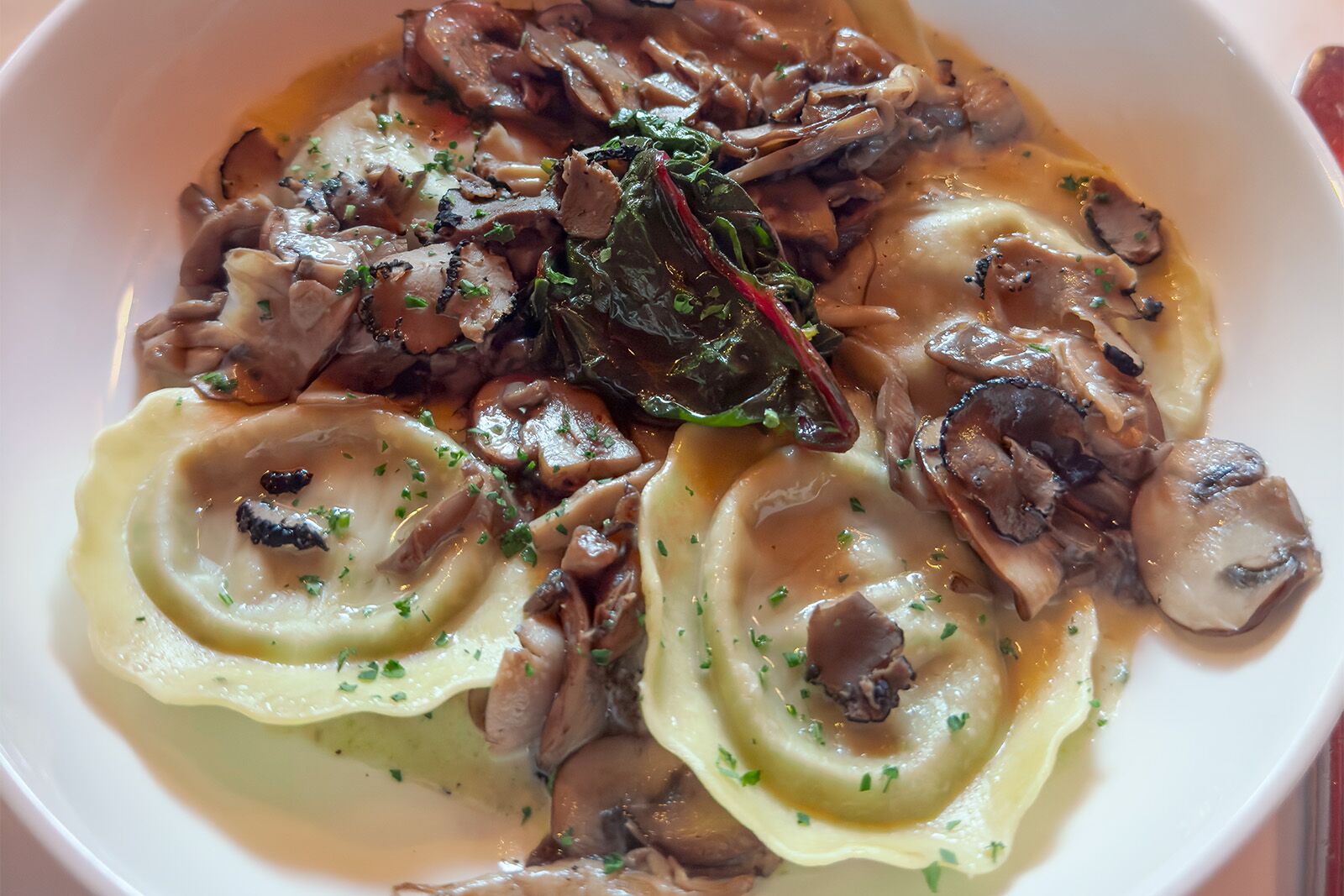
Woods Restaurant, the Grand Hotel’s distinguished dining room, presents a unique Bavarian-style ambiance. Accessible by carriage, bicycle, or a scenic walk through the woods, it was the highlight of the author’s culinary journey on the island. The menu features exceptional dishes such as wild boar meatballs, a refreshing green goddess salad, and rich wild mushroom ravioli. The service is equally noteworthy, characterized by a seamless blend of casual friendliness and professional expertise. While the dress code is relaxed, reservations are highly recommended for dinner to ensure a table at this sought-after establishment.
- Woods Restaurant: 8655 Cudahy Cir, Mackinac Island, MI 49757
A Waterfront Classic: Pink Pony
Pink Pony has been an integral part of the Mackinac Island landscape since the early 1900s, evolving from a cafe within the Chippewa Hotel to a vibrant cocktail lounge by the 1930s. The restaurant serves breakfast, lunch, and dinner, and is known for its collectible pink pony duck, a whimsical adornment on the rim of its signature cocktails. Its prime location directly on the water offers the best seating on the back deck, providing captivating views of sailboats and ferries arriving and departing the harbor. The author’s experience with the patty melt—a succulent sirloin patty topped with caramelized onions and mushrooms, served on toasted rye bread with sweet potato fries—was thoroughly satisfying.
- Pink Pony: 7221 Main St #103, Mackinac Island, MI 49757
Accommodations: Where to Stay on Mackinac Island
Historic Elegance and Modern Comfort: The Inn at Stonecliffe
The Inn at Stonecliffe resides within a magnificent 1904 Tudor mansion, originally constructed as a summer retreat for Michael Cudahy, a prominent meat-packing magnate. The property underwent a significant $40 million renovation in 2024, meticulously preserving original architectural details such as stained glass windows and fireplaces within the mansion rooms.
The inn now offers 16 uniquely appointed rooms in the mansion, 32 practical rooms in the adjacent summer house featuring pull-out sofas and private patios ideal for families, and newly constructed private cottages designed for enhanced privacy and comfort. These cottages boast plush sofas, full kitchens, whimsical wallpaper, and access to all the inn’s amenities, including a gym, sauna, separate adult and family pools, lawn games, a serene open garden, and inviting firepits.
On-site dining options include The Straits, a wood-fired pizza eatery set within the gardens, and a Western-themed pub complete with a fireplace. Both expansive lawns of the property, one facing the water and known as the Straits Lawn, are furnished with hammocks and Adirondack chairs, providing idyllic spots for relaxation. The inn also maintains its own chicken coop and beehives, integrating fresh eggs and honey into its culinary offerings.
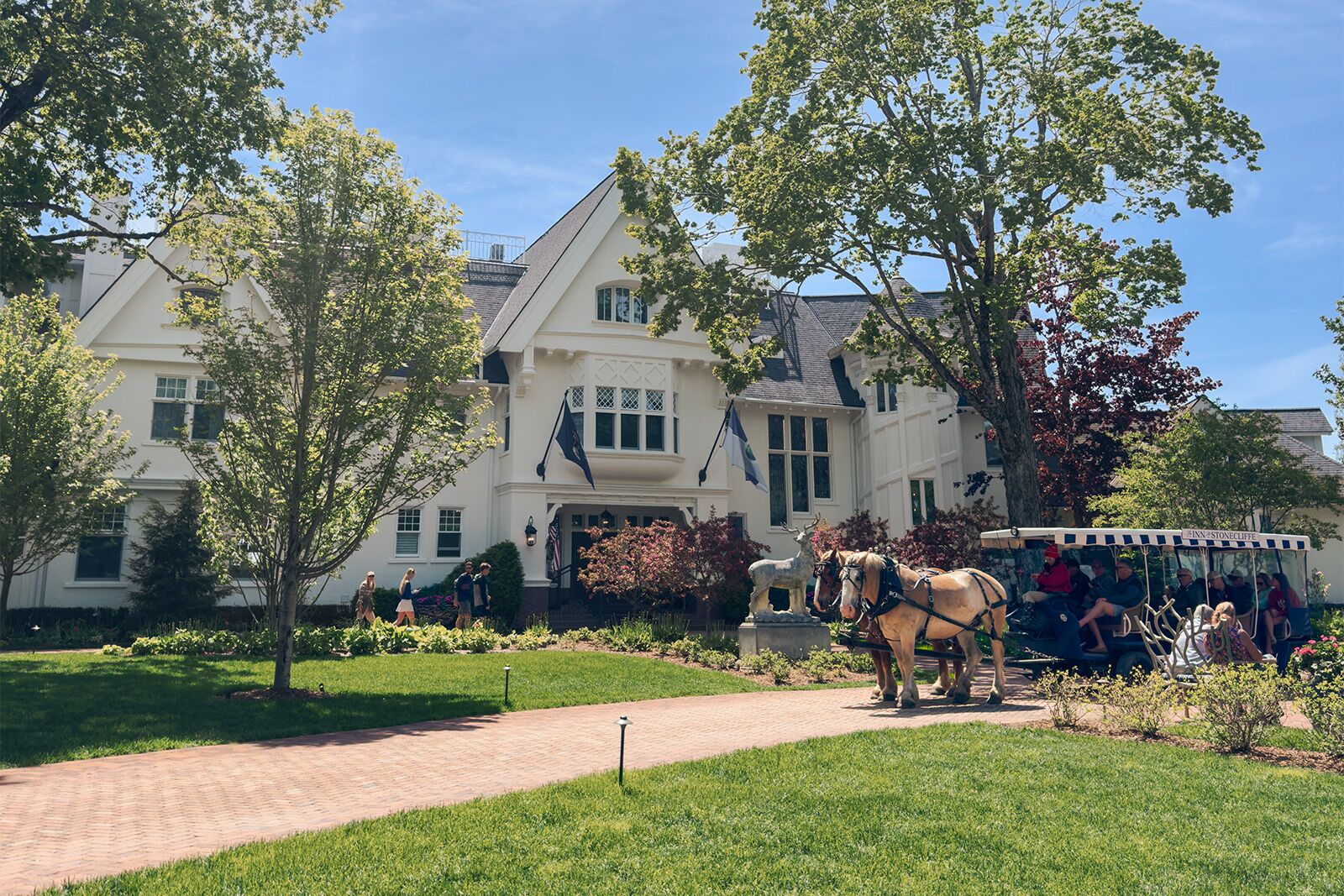
The Inn at Stonecliffe excels in providing a sense of being genuinely cared for. Guests can enjoy complimentary experiences such as pizza-making classes, s’mores by the firepit on the back lawn, guided walks to the scenic lookout point Sunset Rock, and interactions with a staff that demonstrates genuine warmth and dedication. Furthermore, The Inn at Stonecliffe is a Humanitarian Hotel, dedicating all net profits to community development initiatives and actively employing asylum-seekers as they establish new lives on the island.
As a delightful insider tip, the gift shop at The Inn at Stonecliffe exclusively features the raspberry chocolate fudge, a specialty crafted for the inn by the Mackinac Island Cookie Company, which many consider the finest on the island.
- The Inn at Stonecliffe: 8593 Cudahy Cir, Mackinac Island, MI 49757
The Journey to Timelessness: Getting to Mackinac Island
Reaching Mackinac Island is an integral part of the adventure, offering a transition from the mainland to an island sanctuary. Delta Airlines provides daily flights into Pellston Regional Airport (PLN) from Detroit, while United offers a seasonal summer route from Chicago. Upon arrival at Pellston, travelers have two primary options for continuing their journey to the island.
The most common method is by ferry. A shuttle or taxi service can transport passengers the 12 miles to Mackinaw City in approximately 20 to 30 minutes. From Mackinaw City, a short and scenic ferry ride delivers visitors directly to the heart of downtown Mackinac Island.
For those seeking a more breathtaking and expeditious arrival, hiring a small plane through Fresh Air Aviation from Pellston Regional Airport to Mackinac Island’s airstrip is a highly recommended option. This brief flight, lasting only a few minutes, provides spectacular aerial perspectives of the island and the surrounding Great Lakes. Upon landing, a pre-arranged carriage can pick up passengers directly from the tarmac, offering a seamless transfer to their chosen accommodation. This method of arrival not only saves time but also offers an unforgettable introduction to the island’s unique topography and charm.