For decades, the archetype of the digital nomad has been tethered to the concept of the independent freelancer—an individual who trades the stability of a traditional 9-to-5 role for the autonomy of gig-based income. This narrative, which dominated the remote work landscape from the early 2010s through the onset of the global pandemic, suggested that to see the world, one had to sacrifice the security of a corporate benefits package. However, the professional landscape has undergone a seismic shift, moving away from solitary freelancing toward a new model of distributed, borderless employment.

The historical trajectory of remote work began as a niche pursuit for software developers and creative writers, but it has now matured into a mainstream corporate strategy. Data from the Bureau of Labor Statistics and various global workforce reports indicate that over 16% of U.S. companies are now "fully remote," while thousands more have adopted "remote-first" policies. This transition represents more than a change in location; it represents a fundamental change in the legal and structural frameworks governing how talent is acquired and managed across international borders.
The Mechanics of Global Employment: The Role of the Employer of Record
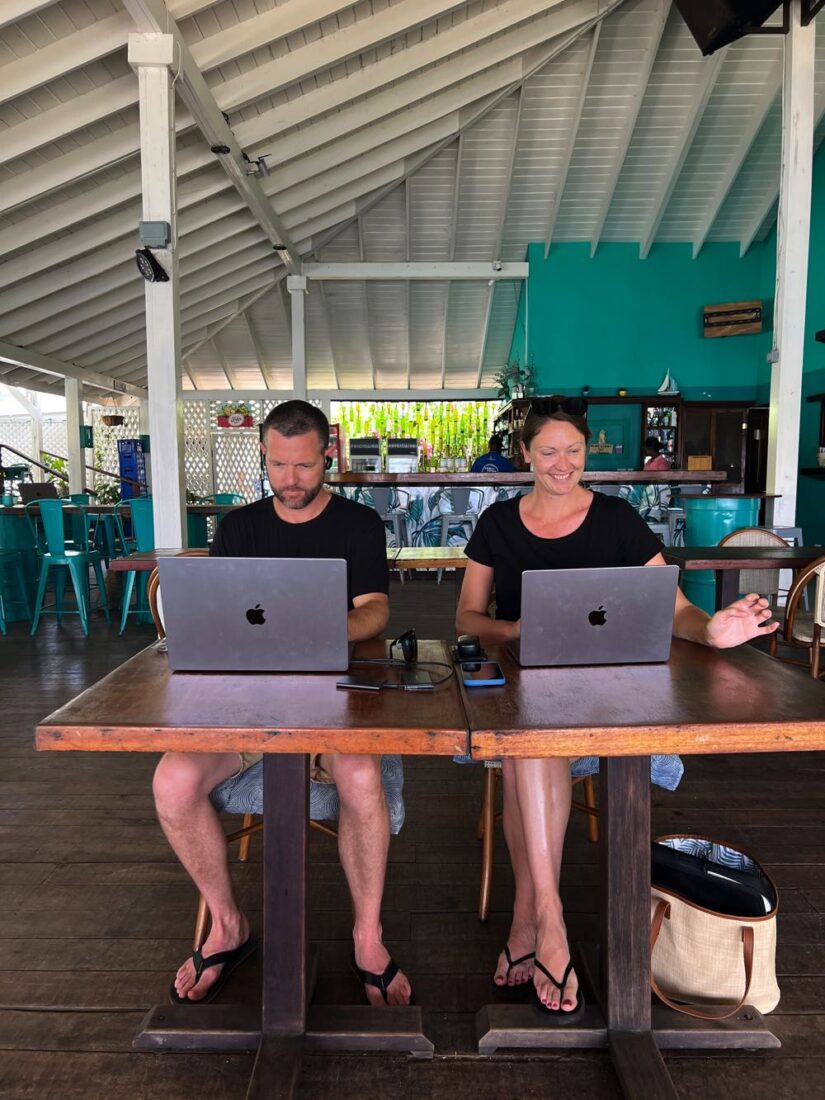
The primary barrier to international employment has historically been compliance. When a company based in London hires a software engineer residing in Thailand, both parties face complex hurdles regarding tax residency, social security contributions, and local labor laws. For years, this complexity forced companies to categorize remote international hires as independent contractors, effectively offloading the burden of legal compliance onto the worker.
This dynamic is being disrupted by the rise of Employer of Record (EOR) services. An EOR acts as a legal intermediary, effectively serving as the employer for tax and legal purposes while the worker continues to perform their duties for their primary company. According to industry analysts, the global EOR market is projected to reach several billion dollars in valuation by 2030, driven by the increasing demand for compliant cross-border hiring.
By leveraging an EOR, companies can navigate the intricacies of local legislation without the need to establish a physical branch or subsidiary in every country where they employ talent. This mechanism provides the worker with the protections of a formal employment contract—such as mandatory leave, severance, and unemployment benefits—while allowing the employer to mitigate the risk of accidental permanent establishment or tax evasion.
Chronology of the Remote Work Shift

The evolution of this model can be segmented into three distinct phases. The "Early Nomad Era" (2010–2019) was characterized by self-funded, solo entrepreneurship. Income was volatile, and legal status for travelers was often ambiguous, frequently falling into a "grey zone" of tourist visas and informal work arrangements.
The "Pandemic Catalyst" (2020–2022) forced a global pilot program for remote work. During this period, the urgency of business continuity compelled organizations to overlook geographical boundaries, leading to an unprecedented acceptance of distributed teams. Many companies that initially permitted employees to work from home within the same country soon faced requests from staff to work from abroad, initiating the current "Global Professional Era."

In this current phase (2023–present), we are seeing the formalization of international remote work. Governments are increasingly introducing specific "Digital Nomad Visas"—now available in over 50 countries—which provide a legal framework for remote workers to reside in a country while employed elsewhere. This shift signals a transition from "working while traveling" to "living and working as a global professional."
Economic and Professional Implications

The shift toward global employment has significant implications for both the talent pool and the corporate world. For the professional, the benefits of moving from freelancing to global employment are substantial. The "feast-or-famine" cycle inherent in freelance work, where income can fluctuate wildly month-to-month, is replaced by the predictability of a salary. Furthermore, the removal of the administrative burden—invoicing, tax self-reporting, and client acquisition—allows the worker to focus entirely on their output.
For corporations, the ability to hire globally is an efficiency multiplier. By decoupling roles from geography, firms can access a more diverse talent pool, optimize salary costs based on regional economic conditions, and ensure 24/7 productivity by distributing teams across time zones.

However, this transition also creates new challenges. Communication in a distributed team requires higher levels of documentation and asynchronous coordination. Companies that fail to adapt their management styles from "surveillance-based" (watching employees in an office) to "outcome-based" (evaluating deliverables) often struggle to retain top-tier remote talent.
Strategic Positioning for the Modern Remote Professional
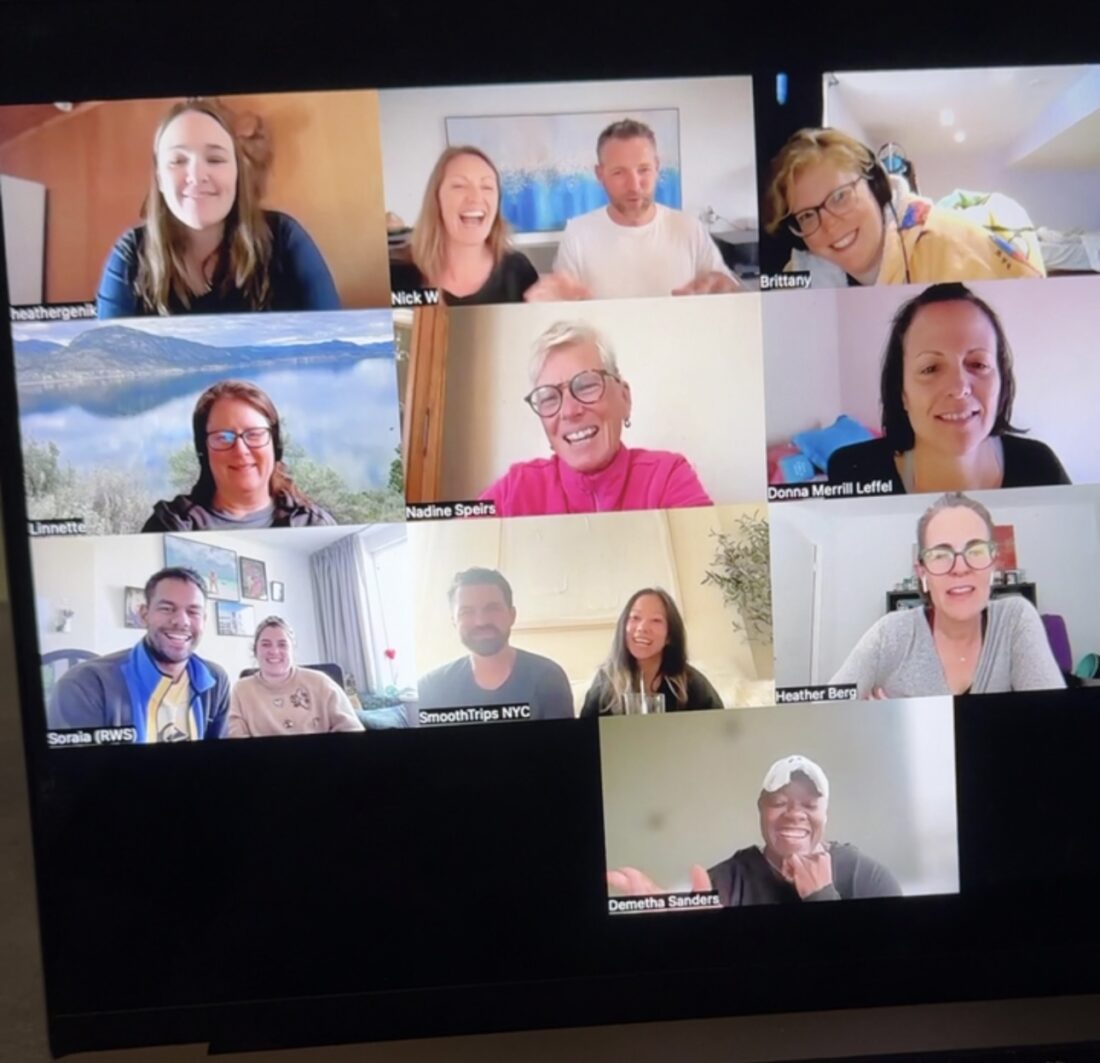
For those seeking to transition into this new model of employment, the strategy differs from the traditional job hunt. Employers looking for international remote talent prioritize stability and clarity. Professionals who explicitly define their tax residency, demonstrate mastery of asynchronous communication, and emphasize their ability to deliver outcomes independently are significantly more competitive.
In interviews, successful candidates now proactively address the logistical elements of their remote status. Instead of presenting their lifestyle as a travel hobby, they frame their location independence as a professional asset—a testament to their self-discipline and ability to function within global teams.

A Note on Legal Compliance
It is essential to distinguish between "remote-friendly" companies and those that are "legally distributed." A company might be comfortable with an employee working from a home office in their home country, but they may be unable to support an employee in another country due to the regulatory costs associated with international payroll.

Candidates are encouraged to conduct thorough due diligence before accepting a role. Key questions to consider include whether the company uses an EOR, how they handle the legal aspects of working from the candidate’s preferred country, and what their policies are regarding frequent travel between jurisdictions.
Conclusion: The Future of Global Work

The romanticized vision of the digital nomad—sitting on a beach with a laptop—has been replaced by a more pragmatic, professional reality. Today’s digital nomad is increasingly likely to be an employee of a multinational corporation, working with a team they may never meet in person, yet enjoying the stability of a contract and the freedom of global mobility.
As global hiring infrastructures like EORs become more sophisticated, the distinction between "local" and "international" talent will continue to erode. The future of work is not merely about where one works, but how effectively one can integrate into a global, digital ecosystem. For the professional, the opportunity to combine career progression with international living has never been more accessible, provided they approach this lifestyle with the same level of professional rigor they would apply to any corporate role. The era of the "nomad freelancer" is evolving into the era of the "global professional," and in this transition, the primary winners are those who prioritize compliance, clarity, and, above all, the ability to deliver value regardless of their coordinates.
Related posts: