57hours Guide Education Fund Scholarship Announces Ten Recipients Amidst Global Interest and Commitment to Professional Guiding Standards

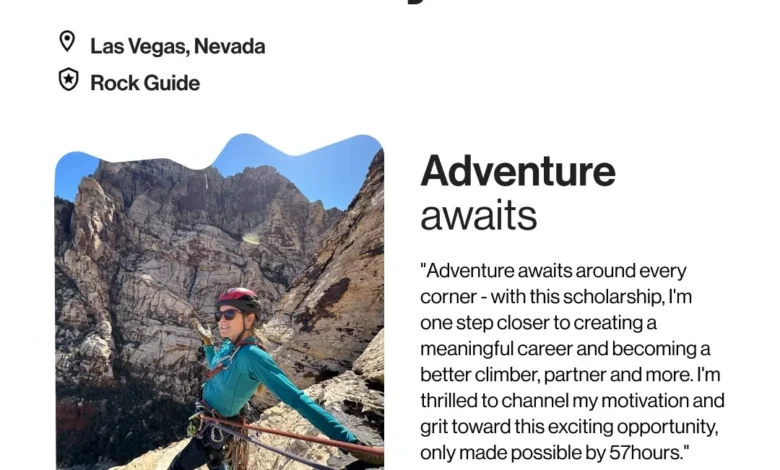
The 57hours Guide Education Fund Scholarship has officially unveiled its ten recipients for 2024, marking a significant expansion from the initially planned eight awards due to an overwhelming and diverse pool of applicants. This year’s selection process drew 60 highly qualified candidates from 11 countries and 21 U.S. states, underscoring the global demand for accessible professional development within the mountain guiding industry. The selected guides will receive crucial financial support to pursue rigorous certification courses through esteemed organizations such as the American Mountain Guide Association (AMGA) and the International Federation of Mountain Guides Associations (IFMGA), pathways vital for advancing their careers and enhancing safety standards across outdoor adventure sports.
A Growing Need for Professional Development in Outdoor Guiding

The outdoor adventure industry has witnessed substantial growth over the past decade, attracting millions globally to activities like rock climbing, mountaineering, backcountry skiing, and ice climbing. With this surge in participation comes an amplified responsibility for safety and professionalism, primarily shouldered by certified guides. These guides are not merely instructors; they are custodians of safety, educators in wilderness ethics, and experts in risk management, requiring extensive training and continuous education to meet the highest industry standards.
However, the path to becoming a professionally certified mountain guide is arduous and financially demanding. Certifications from bodies like the AMGA and IFMGA involve multi-stage courses, examinations, and re-certifications that can cost tens of thousands of dollars, in addition to significant time commitments away from work and personal life. These financial barriers often deter aspiring guides or delay their professional advancement, limiting the growth of a diverse and highly skilled guiding workforce. The 57hours Guide Education Fund was established precisely to mitigate these challenges, providing a critical lifeline for guides committed to excellence but constrained by economic realities.
Perica Levatic, co-founder of 57hours, articulated the fund’s mission: "We founded 57hours with the belief that outdoor adventures should be accessible and safe. A cornerstone of this vision is supporting the incredible guides who make these experiences possible. Professional guiding courses are expensive but non-negotiable for development. Our Guide Education Fund aims to alleviate some of that financial pressure, enabling talented individuals to achieve their full potential and, in turn, elevate the entire industry."

The 2024 Application Cycle: A Testament to Global Aspiration
The 2024 scholarship application period garnered unprecedented interest, reflecting both the increasing professionalization of the guiding sector and the profound impact of financial aid. With 60 applicants representing a broad spectrum of backgrounds, nationalities, and guiding disciplines, the selection committee faced the challenging yet rewarding task of identifying candidates who not only demonstrated exceptional skill and passion but also exemplified the potential for significant positive impact within the guiding community.
The geographical diversity of the applicant pool was particularly noteworthy, spanning 11 countries and 21 U.S. states. This global reach highlights the universal desire among guides to achieve elite certifications and reinforces the international recognition of AMGA and IFMGA standards. Such diversity enriches the guiding community by bringing varied perspectives, cultural insights, and regional expertise to the forefront, ultimately benefiting clients and fostering a more inclusive adventure landscape. The rigorous application process required candidates to detail their guiding experience, career aspirations, financial need, and commitment to safety and outdoor ethics. Each application was meticulously reviewed, with the selection committee prioritizing not just individual merit but also the potential for the scholarship to act as a transformative catalyst in their guiding trajectory.

Introducing the 2024 Scholarship Recipients
In recognition of the exceptional caliber of applications and the profound need, 57hours opted to award ten scholarships this year, exceeding its initial plan. The recipients represent a vibrant cross-section of emerging talent, each poised to make significant contributions to the guiding world:
- Nat Vorel
- Ada Jones
- Austen Bernier
- Jesse Ramos
- Shea Freedom
- Landon Warton
- Lorenzo Pernigotti
- Nicholas Metz
- Orri Sigurjonsson
- Shea McCrary
These individuals, whose backgrounds and aspirations are as varied as the landscapes they aspire to guide in, embody the spirit of adventure, professionalism, and dedication. Their commitment to pursuing the highest levels of certification through AMGA and IFMGA programs is a testament to their passion for the mountains and their desire to lead safely and responsibly.

The scholarships will enable these recipients to undertake specialized training in disciplines such as rock guiding, alpine guiding, ski guiding, and wilderness medicine. For instance, an AMGA Rock Guide Course (RGC) typically costs several thousand dollars and involves weeks of intensive training and assessment. Similarly, IFMGA certification, recognized globally as the pinnacle of mountain guiding credentials, involves years of training and multiple assessments across various mountain disciplines, with costs accumulating significantly over time. By easing this financial burden, the 57hours Guide Education Fund directly contributes to the creation of a more highly qualified and accessible guiding workforce.
The Indispensable Role of AMGA and IFMGA Certifications
The American Mountain Guide Association (AMGA) and the International Federation of Mountain Guides Associations (IFMGA) are globally recognized standard-bearers for professional mountain guiding. AMGA, founded in 1979, is the sole U.S. organization accredited to certify guides to the IFMGA standard. Its programs cover a comprehensive range of disciplines including Rock Guide, Alpine Guide, and Ski Guide, each involving multiple courses and exams. The AMGA’s rigorous curriculum focuses on technical proficiency, risk management, client care, rescue techniques, and environmental stewardship.

The IFMGA, established in 1965, is an international federation representing guide associations from over 20 countries, setting a unified global standard for mountain guiding. An IFMGA-certified guide is recognized worldwide as having achieved the highest level of competency in all aspects of mountain guiding, capable of leading clients safely in complex alpine environments, on rock, ice, and skis. This level of certification is crucial for international guiding operations and instills immense confidence in clients.
The pursuit of these certifications is not merely about personal achievement; it profoundly impacts the entire outdoor recreation ecosystem. Guides with these credentials are equipped with the most advanced knowledge and skills, directly contributing to:
- Enhanced Safety: Reducing accidents and incidents through superior risk assessment and management.
- Improved Client Experience: Offering higher quality instruction, decision-making, and overall professionalism.
- Industry Professionalism: Elevating the standard of guiding services and fostering trust among the public.
- Environmental Stewardship: Promoting responsible outdoor practices and conservation efforts.
- Career Longevity: Providing guides with a robust skill set and credentials that open doors to diverse opportunities globally.
Broader Impact and Implications

The 57hours Guide Education Fund Scholarship extends beyond individual career advancement; its implications resonate throughout the guiding industry and the broader outdoor community. By fostering a more skilled and diverse pool of certified guides, the scholarship program contributes to:
- Increased Access to Quality Guiding: As more guides achieve professional certifications, the availability of high-quality, safe guided experiences increases, benefiting recreationalists worldwide.
- Promotion of Diversity and Inclusion: By lowering financial barriers, the scholarship opens pathways for individuals from underrepresented backgrounds to enter and thrive in the guiding profession. This is critical for making the outdoors more welcoming and accessible to a broader demographic.
- Strengthening Industry Standards: The infusion of new, highly trained guides raises the collective bar for safety and professionalism, encouraging continuous improvement across the sector.
- Economic Empowerment for Guides: Certification leads to increased earning potential and career stability for guides, transforming guiding from a passion into a sustainable, respected profession.
- Inspiring Future Generations: The success stories of these scholarship recipients serve as powerful inspiration for aspiring guides, demonstrating that dedication combined with support can overcome significant obstacles.
The commitment of organizations like 57hours to invest in guide education reflects a forward-thinking approach to the future of outdoor adventure. It acknowledges that the quality of the human element – the guide – is paramount to the safety and enjoyment of any outdoor pursuit. This initiative not only empowers individuals but also strengthens the infrastructure of the entire outdoor industry.
A Look Ahead: Following the Journey

As the ten scholarship recipients embark on their respective certification journeys in 2024, 57hours has committed to sharing their progress and experiences. This ongoing narrative will offer valuable insights into the challenges and triumphs of professional guide training, further highlighting the importance of the Guide Education Fund. The public is encouraged to follow Ada Jones, Orri Sigurjónsson, Jesse Ramos, Shea Freedom, Shea McCrary, Nat Vorel, Lorenzo Pernigotti, Austen Bernier, Nicholas Metz, and Landon Warton on their social media channels, as well as staying updated with 57hours’ announcements.
The story of these ten individuals is a microcosm of the larger narrative of dedication, perseverance, and community support that defines the professional guiding world. Their success will not only be their own but a collective triumph for an industry striving for excellence, safety, and inclusivity in the wild spaces we cherish. The 57hours Guide Education Fund stands as a beacon, illuminating the path for those who dedicate their lives to safely leading others through the world’s most breathtaking, and sometimes most challenging, environments.