The Rise of Cannabis Tourism and the Global Transformation of the Travel Industry

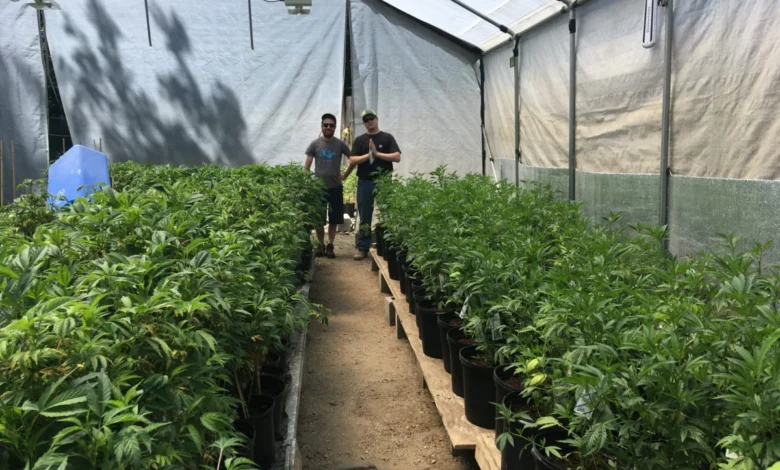
For over a decade, Matt Kurth navigated the turbulent rapids of Northern California’s rivers as a professional whitewater guide. However, by 2015, Kurth found himself at a personal and professional crossroads. The physically demanding lifestyle of a river guide had begun to lose its luster, prompting him to seek a new challenge that would leverage his decade of expertise in hospitality and regional navigation. His timing coincided with a tectonic shift in the cultural and legal landscape of the United States: the impending legalization of recreational cannabis. Recognizing that the "Green Rush" would require a bridge between producers and curious consumers, Kurth founded Humboldt Cannabis Tours, a venture that would eventually become a cornerstone of the emerging cannabis tourism sector in one of the world’s most famous cultivation regions.
The transition from river guiding to cannabis tours was a calculated move rooted in the observation of shifting legislative tides. Kurth was not alone in his foresight. Across North America, entrepreneurs began to realize that the end of prohibition would spark a demand for experiential travel centered around the plant. Today, cannabis tourism has evolved from a niche market into a multi-billion-dollar industry, reshaping local economies and challenging long-standing social stigmas.
The Economic Trajectory of the Cannabis Travel Market
The financial implications of legalizing cannabis for recreational use are profound. According to the Marijuana Business Factbook, the economic impact of legal cannabis in the United States was projected to jump 223% between 2017 and 2022. This growth is driven not only by direct sales but by the "tourism multiplier effect." In Humboldt County, Kurth notes that for every dollar spent directly on a cannabis tour, approximately seven additional dollars flow into the local community through spending at hotels, restaurants, and non-cannabis retail outlets.
The precedent for this growth can be found in Colorado, which legalized recreational use in 2012. Since 2014, cannabis-related tourism in the "Centennial State" has risen by more than 50%. Data from the Colorado Department of Revenue indicated that the state welcomed roughly 6.5 million cannabis-motivated tourists in 2016 alone. This surge occurred despite the fact that the state’s official tourism department initially refused to market cannabis due to its continued status as a Schedule I controlled substance at the federal level. The organic growth of the sector suggests a massive, untapped consumer demand that thrives even in the absence of traditional government-backed marketing.
A Chronology of Legalization and Market Entry
The development of the cannabis tourism industry follows a clear timeline of legislative milestones:
- 2012: Colorado and Washington become the first U.S. states to legalize recreational cannabis, providing a blueprint for tourism-based business models.
- 2013: Uruguay becomes the first country in the world to legalize the production, sale, and consumption of cannabis at a national level.
- 2015: Matt Kurth launches Humboldt Cannabis Tours in California, anticipating the state’s move toward full legalization.
- 2016: California, Nevada, and Massachusetts vote to legalize recreational use, significantly expanding the potential for West Coast and East Coast "pot tourism."
- October 2018: Canada becomes the second nation and the first G7 country to legalize cannabis federally. Simultaneously, Mexico’s Supreme Court rules that the prohibition of recreational marijuana is unconstitutional, signaling a shift in North American policy.
- 2019-Present: A wave of U.S. states, including New York, New Jersey, and Illinois, pass legalization measures, each creating new regional hubs for cannabis-related travel.
As of early 2024, recreational cannabis is legal in 24 U.S. states and the District of Columbia, while medicinal use is permitted in 38 states. This widespread acceptance has allowed tour operators to move from the shadows into the mainstream of the hospitality industry.
Navigating Regulatory Landscapes and Social Stigma
Despite the rapid growth, starting and maintaining a cannabis tour company remains a complex endeavor. Entrepreneurs must navigate a patchwork of local, state, and federal regulations that vary significantly by jurisdiction. In Humboldt County, Kurth spent over two years lobbying a skeptical local government to grant him a business license. Ironically, just three months after he successfully obtained the permit, the county changed its regulations, making such licenses no longer mandatory for his specific business model.
In Canada, Matt Cronin, CEO and co-founder of Canada High Tours, faces similar challenges. Because cannabis laws differ across Canadian provinces, his company must tailor its offerings to match local ordinances. "We’ve targeted provinces and cities where outdoor cannabis consumption is aligned with cigarette smoke-free laws," Cronin explains. This strategy avoids the legal complications of indoor lounges, which are often subject to restrictive zoning and ventilation requirements.
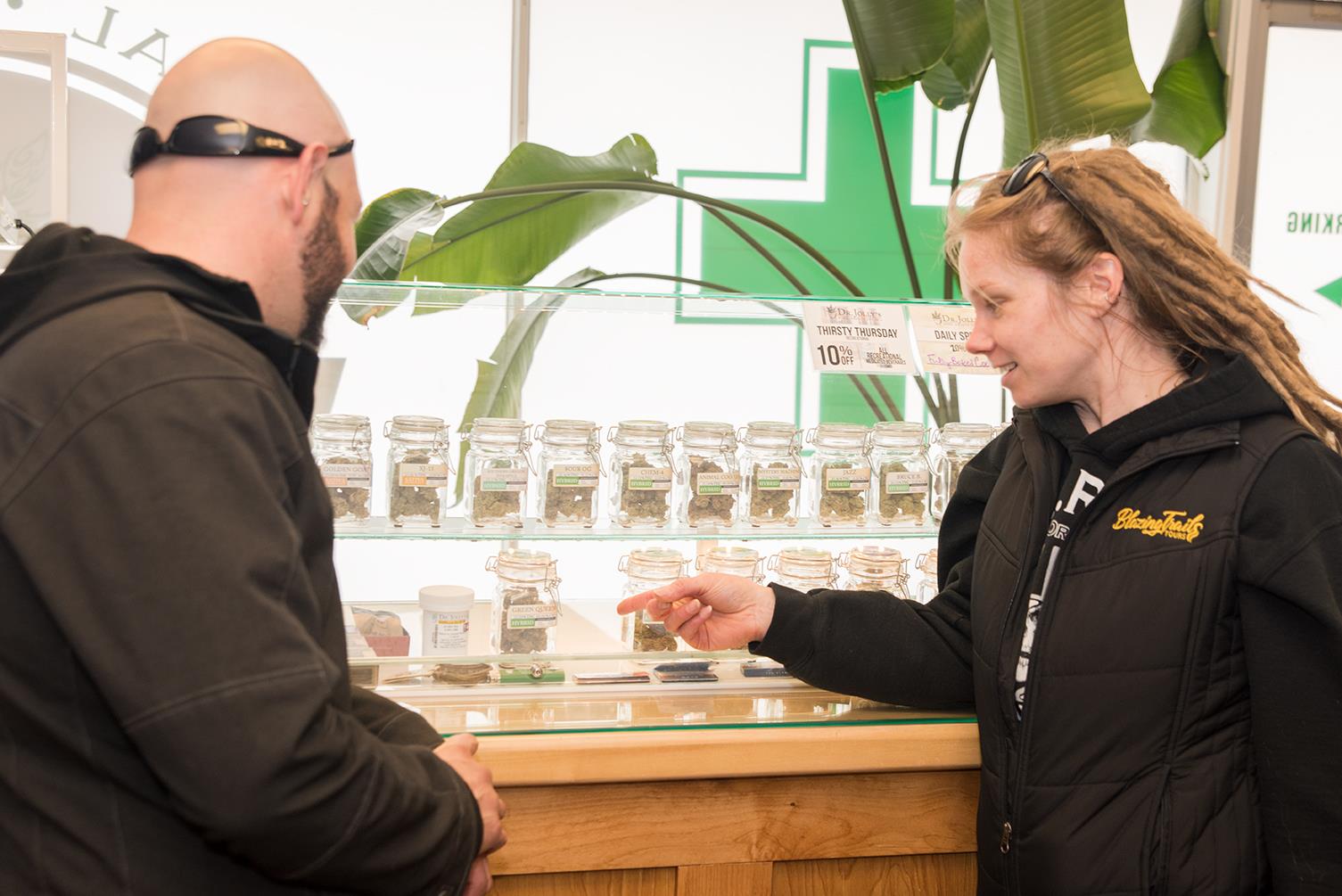
Beyond the legal hurdles, operators must also combat the "reefer madness" stigma. Stacie Johnson, co-owner of the Oregon-based Blazing Trails, emphasizes that education is the primary tool for breaking down these barriers. By focusing on consumer safety, botanical history, and the science of cultivation, tour companies are rebranding cannabis as a sophisticated agricultural product akin to fine wine or craft beer.
Sustainability and the "Sungrown" Movement
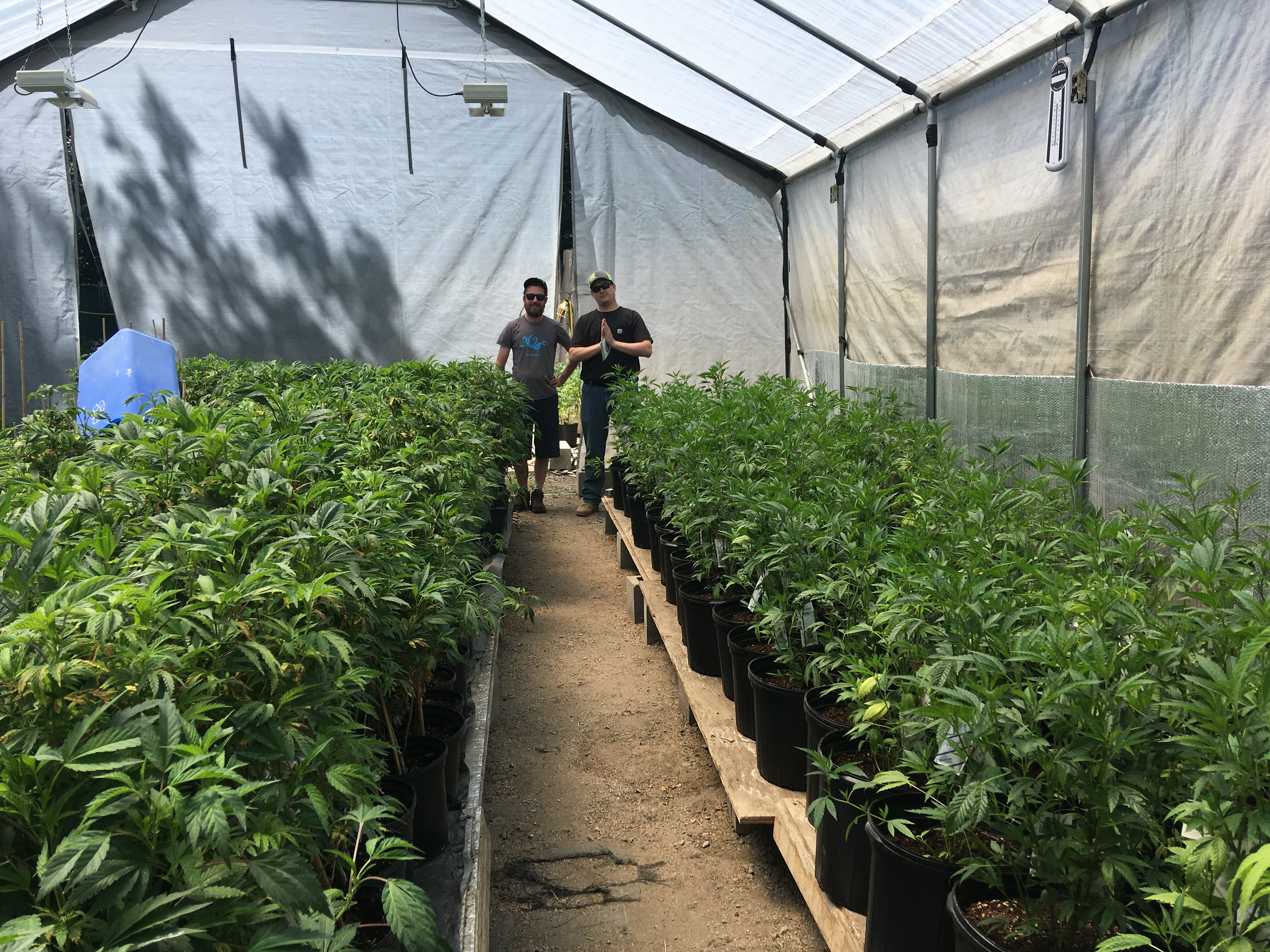
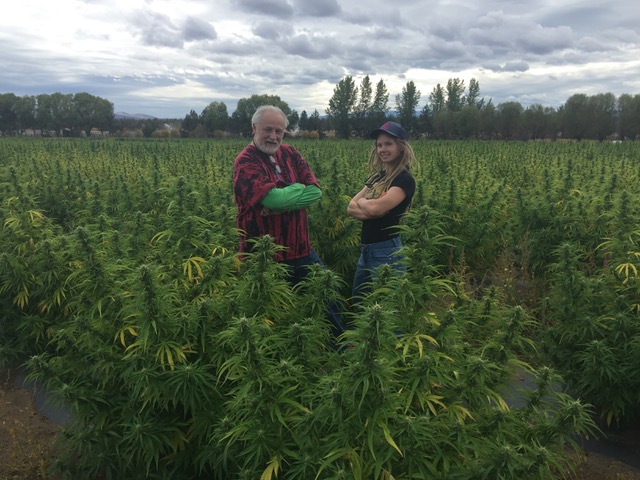
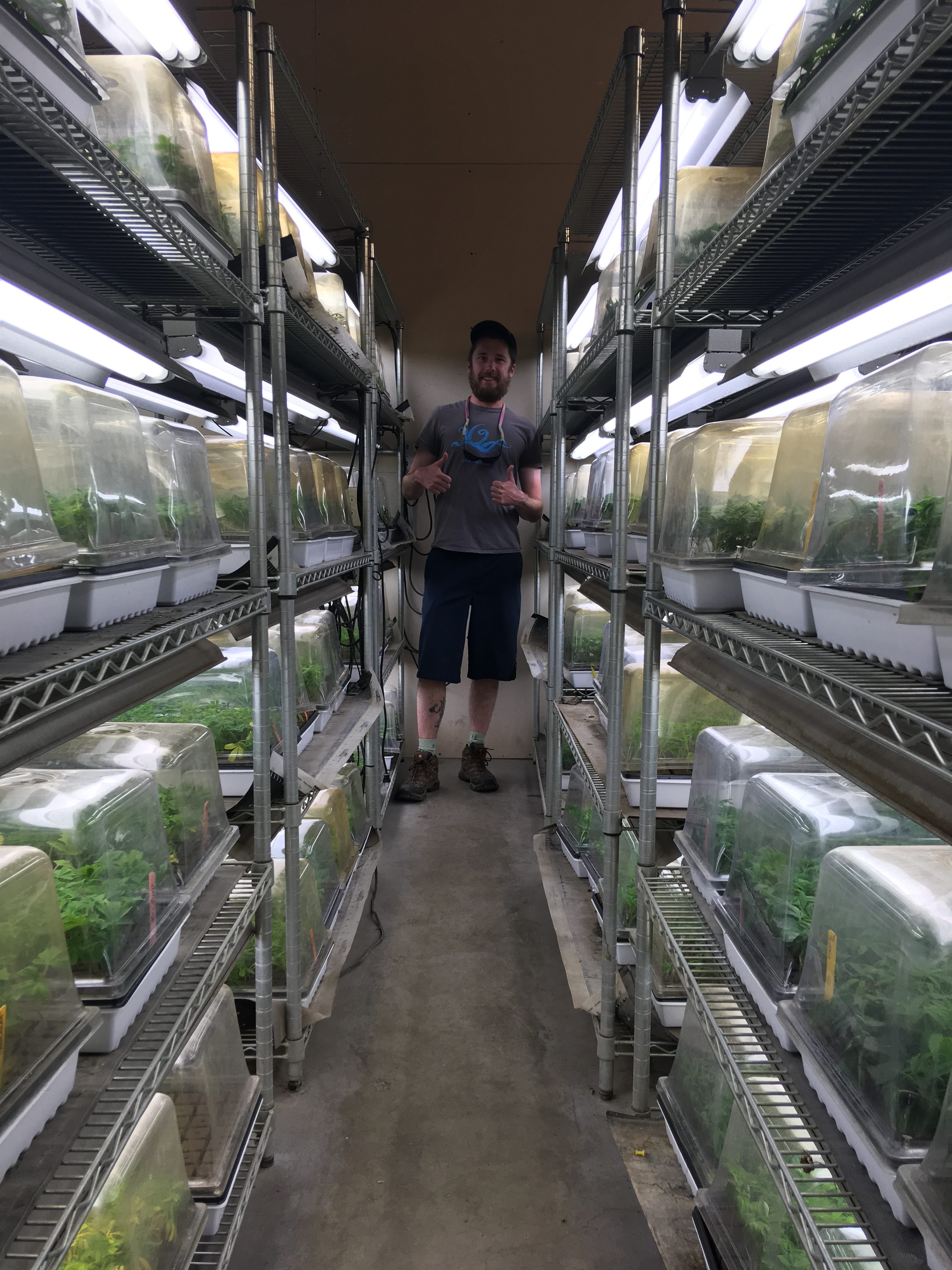
A significant point of contention within the industry is the environmental impact of cultivation. Matt Kurth has emerged as a vocal advocate for outdoor, sungrown cannabis, arguing that it is far more sustainable than energy-intensive indoor operations. Indoor grows require massive amounts of electricity for high-intensity lighting and HVAC systems to control temperature and humidity.
Kurth partners with farms that he describes as "over-the-top environmentally sustainable," utilizing methods that minimize the use of water, chemicals, plastics, and gasoline. By taking tourists to these farms, he aims to dispel the myth that indoor-grown cannabis is superior in quality. "It takes so much energy to grow weed indoors and it doesn’t even turn out that good," Kurth asserts. This focus on sustainability aligns the cannabis industry with broader trends in "eco-tourism," appealing to environmentally conscious travelers.
The Shift Toward Educational and Cultural Experiences
Contrary to the stereotype of "stoner tourism," the modern cannabis traveler is often older, well-educated, and professionally established. Gene Grozovsky, manager of Green Tours in Los Angeles, notes that his clientele typically falls within the 30-to-75-age demographic, including doctors and lawyers. These guests are often less interested in "getting high" and more interested in the cultural and industrial aspects of the plant.
"All we are is a cultural and educational tour," Grozovsky declares. His tours focus on the history of Los Angeles, the various industrial uses of hemp, and the complex laws governing the industry. Similarly, in Oregon, Blazing Trails prohibits consumption inside tour vehicles or in public spaces, adhering strictly to state law. Instead, they focus on the "farm-to-table" experience, showing guests how the plant is bred and harvested.
The hospitality sector has also adapted to this trend. The Jupiter Hotel in Portland, Oregon, launched a "420 package" that includes a vape kit, a grinder, and discount coupons to local dispensaries—an "Everything But the Weed" kit. Katie Watkins, the hotel’s community manager, reports that this has become their best-selling package, attracting guests from states where cannabis remains illegal who are curious about the legal market but seek a safe, guided introduction.
Broader Implications and the Path to Federal Legalization
The success of cannabis tourism is increasingly viewed as a viable economic alternative for regions historically dependent on declining industries like logging and fishing. In Humboldt County, tourism is proving to be a more sustainable long-term economic driver. The influx of visitors supports a diverse ecosystem of businesses, from boutique hotels to artisanal restaurants, creating a resilient local economy.
The future of the industry likely hinges on federal policy in the United States. Gene Grozovsky points to a historical precedent: in 1934, when 37 states had already moved to regulate alcohol, the federal government was forced to end Prohibition. With over 30 states currently having some form of legal cannabis on the books, many industry experts believe federal legalization is inevitable.
"When you have 40 states out of 50 that have legalized cannabis, the federal government has no choice but to react," Grozovsky argues. Federal legalization would remove significant barriers to growth, such as the inability for cannabis businesses to access traditional banking services or the prohibition of interstate transport.
As the industry matures, the focus is shifting from the novelty of legalization to the refinement of the experience. Whether through high-end "bud-and-breakfasts," luxury spa treatments infused with CBD, or deep-dive agricultural tours, cannabis tourism is cementing its place as a permanent and professionalized fixture of the global travel market. For pioneers like Matt Kurth, the journey from the river to the cannabis farm represents more than just a career change; it reflects a broader societal shift toward the normalization and appreciation of a once-marginalized plant.