Top Family Vacation Destinations and Strategies for the New England February School Break


For families residing in New England, the mid-winter school recess—frequently referred to as February break or Presidents’ Day week—serves as a vital operational window for travel and family holidays. Positioned roughly six to seven weeks after the hectic winter holiday season, this week-long pause arrives at a juncture when regional weather conditions are often at their bleakest, characterized by freezing temperatures, minimal daylight, and persistent winter storms. Consequently, a substantial demographic of households utilizes this period to escape local climatic conditions in pursuit of warmer latitudes, cultural exploration, or traditional winter sports.

Strategic planning for this high-demand travel window requires a nuanced understanding of regional school calendars, aviation economics, and logistical constraints. Because public school districts across the Northeast do not universally synchronize their mid-winter recesses—with some states staggering their schedules by a week—travelers who monitor neighboring state calendars can occasionally capitalize on asymmetric demand patterns. This lack of uniformity can translate into more competitive airfares, particularly when departing from alternative regional hubs or flying on off-peak days within the week. Nevertheless, industry data consistently ranks February break among the most expensive and heavily booked travel weeks of the calendar year, demanding advanced preparation, comprehensive budgeting, and early reservations to secure preferred accommodations and direct flight itineraries.
Regulatory Framework and Passport Requirements for Domestic Versus International Escapes
When evaluating destinations departing from primary regional transit hubs such as Boston Logan International Airport (BOS), families must immediately differentiate between domestic and international itineraries based on documentation readiness. For households lacking up-to-date passports for all family members, domestic options within United States territories and states provide a seamless alternative that eliminates international processing delays and administrative hurdles.

Puerto Rico stands out as a primary domestic destination for New England travelers seeking a tropical environment without the necessity of a passport. As a U.S. territory, travel to San Juan from the mainland United States functions similarly to an interstate flight for citizens. Average daily high temperatures in February hover comfortably in the low 80s Fahrenheit, offering an ideal climate for coastal recreation, swimming, and historical exploration without the oppressive humidity of the summer months. Direct flight connectivity between Boston Logan and Luis Muñoz Marín International Airport (SJU) further streamlines the transit
process for families managing young children. Past visitors have noted that lodging choices range widely, from expansive resort complexes located an hour outside the capital—such as El Conquistador in Fajardo, which features private island access and extensive water amenities—to urban properties like the Marriott San Juan and Stellaris Casino, which place travelers within walking distance of local commerce and a short rideshare distance from the historic fortifications of Old San Juan.

Similarly, domestic mainland destinations present compelling weather alternatives and entertainment infrastructure. San Diego, California, offers a temperate mid-winter climate with average daily highs ranging from the mid-to-high 60s. While not a traditional tropical beach destination, its coastal setting provides a refreshing escape from New England snowbanks. Regional attractions such as the San Diego Zoo, LEGOLAND California in nearby Carlsbad, and Mission Bay Park cater specifically to multi-generational family cohorts. Travel analysts note that because Southern California is occasionally viewed as a secondary option compared to traditional sun-and-sand Caribbean locales during February, flight pricing from East Coast hubs can occasionally remain more moderate.
Theme park destinations within the United States also experience surges in demand during the New England school recess, albeit with distinct pricing and logistical profiles. Walt Disney World in Orlando, Florida, remains perennially popular among Boston-area families. However, aviation economists point out that direct flights from Logan International Airport to Orlando International Airport (MCO) routinely command premium pricing during this specific week due to overlapping school break schedules across multiple Eastern Seaboard states.

To mitigate these cost pressures, some families pivot toward Disneyland Resort in Anaheim, California. Although Southern California winters feature cooler daytime temperatures that may preclude daily swimming, the climate remains highly conducive to theme park touring. Furthermore, historical travel data indicates that trips from New England to Anaheim often involve less extreme peak-season airfare inflation than Florida-bound routes. Strategic timing can also align visits with seasonal cultural events, such as the Lunar New Year celebrations hosted annually at Disney California Adventure Park, while proximity to premier properties like Disney’s Grand Californian Hotel & Spa enhances overall trip convenience.
International Sun Destinations and All-Inclusive Resort Models
For families holding valid passports, international short-haul and medium-haul destinations across Mexico, the Caribbean, and Central America provide guaranteed tropical weather and robust hospitality infrastructure designed for family travel. Direct flight access from Boston Logan remains a critical determinant for these itineraries, minimizing total travel time and reducing the logistical stress associated with multi-leg journeys.

Mexico’s Caribbean coast, anchored by Cancun and the Riviera Maya, represents one of the most accessible international getaways from New England. Direct flights are widely available, and properties situated within the designated Cancun Hotel Zone offer relatively short transit times from Cancún International Airport. The hospitality market in this region heavily features the all-inclusive resort model, which appeals to families seeking predictable vacation budgeting. Recent property developments emphasize expansive water features, specialized kids’ clubs, and diverse entertainment options. For example, newer complexes like AVA Cancun near the airport integrate large saltwater lagoons, bowling alleys, and escape rooms, while established properties like the Marriott Cancun, An All-Inclusive Resort, focus on traditional beachfront access, dedicated children’s programming, and multiple dining venues within the Hotel Zone.
Further south in the Caribbean, the Dominican Republic—particularly the Punta Cana region—serves as another high-capacity destination for winter sun seekers. Supported by direct air service from Boston, Punta Cana hosts vast all-inclusive master-planned resort communities. Properties operating under multi-hotel umbrellas, such as the Grand Palladium complex, offer tiered, family-focused sectors that provide specialized amenities and quieter accommodations tailored to multi-generational family groups, balancing communal resort scale with private enclave luxury.
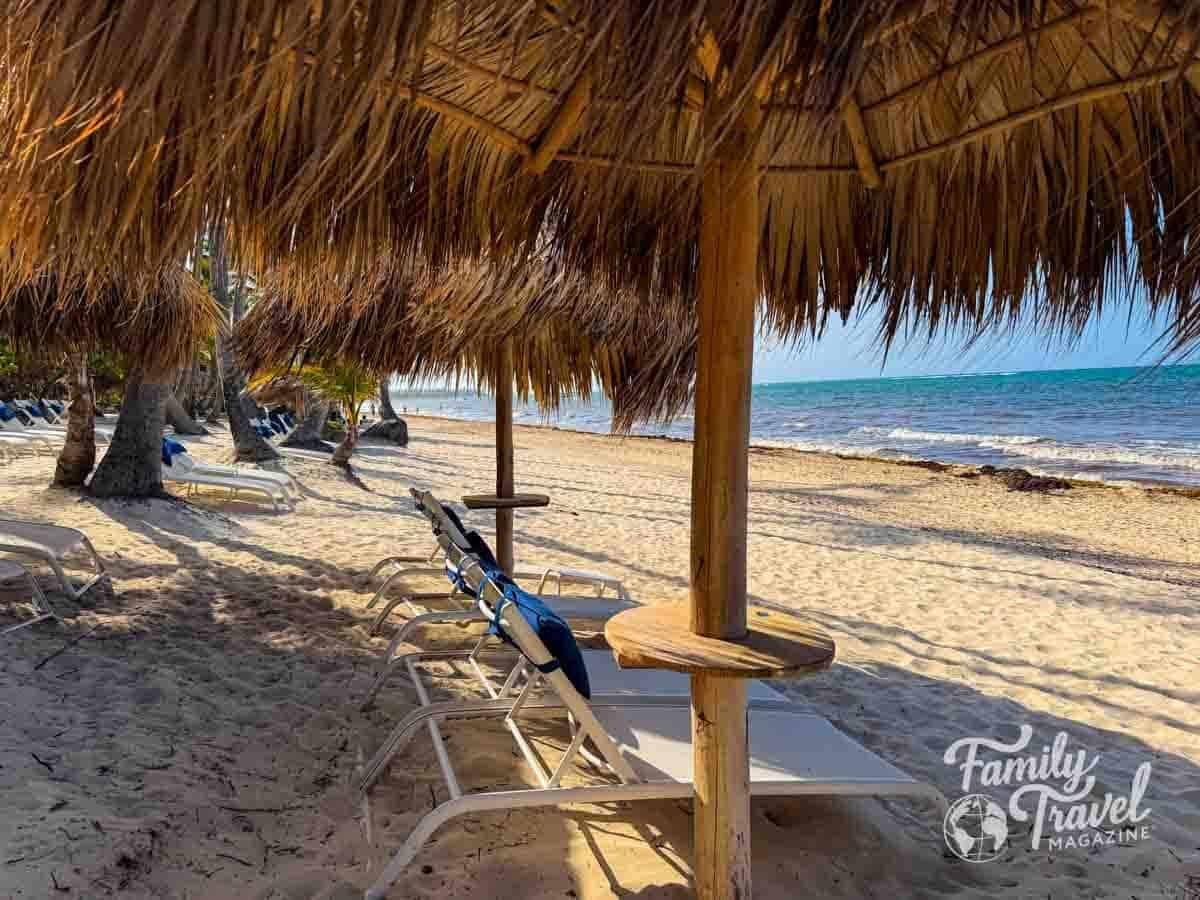
Island nations further out in the Caribbean basin offer distinct coastal environments, though they frequently command premium pricing due to high global demand during the peak winter season. Aruba, situated safely outside the primary Atlantic hurricane belt, boasts reliable arid weather and constant trade winds. Accommodations range from European-plan apartment complexes to all-inclusive resorts. Properties such as the Embassy Suites by Hilton Aruba Resort provide spacious suite configurations and complimentary breakfast buffers, utilizing dedicated pedestrian infrastructure like underground tunnels to safely connect guests to famous coastal strips like Eagle Beach. Beyond resort boundaries, operators such as Red Sail Excursions facilitate marine activities, including catamaran sailing and guided snorkeling tours.
Turks and Caicos, renowned for its pristine white-sand shorelines and exceptionally clear turquoise waters, represents an ultra-premium segment of the family vacation market. Large-scale luxury properties, such as Beaches Turks and Caicos, dominate this sector by bundling comprehensive water parks, certified staff-led kids’ camps, and extensive land and water sports into a single all-inclusive tariff. Travel industry analysts emphasize that due to constrained inventory and intense demand from affluent northeastern travelers, properties in Turks and Caicos frequently sell out months in advance, necessitating exceptionally early booking horizons.

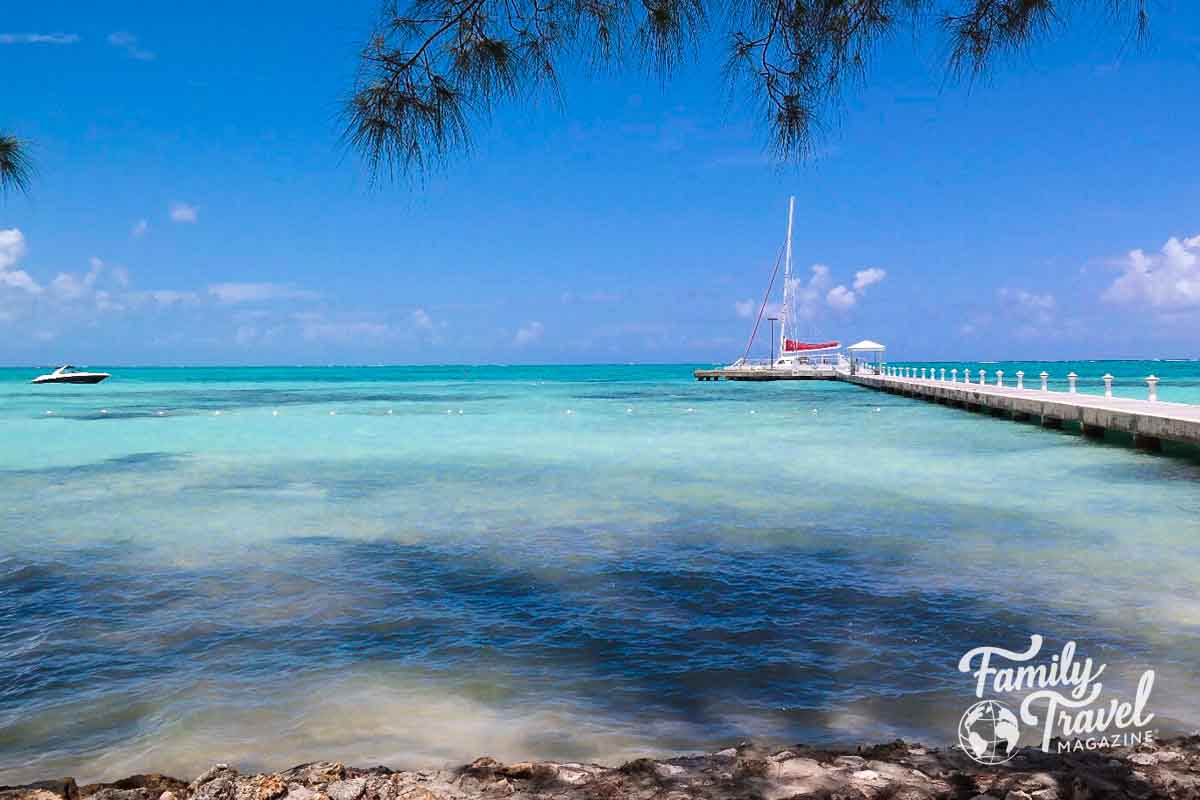
Similarly, the Cayman Islands offer a secure, highly developed destination profile centered around Grand Cayman. Along the famous Seven Mile Beach corridor, major hospitality brands—including The Westin Grand Cayman Seven Mile Beach Resort & Spa—cater extensively to families. Beyond standard beach leisure, regional excursions provide structured educational and recreational programming. Notable local institutions include the Cayman Turtle Centre, which offers multi-tier access passes featuring marine conservation exhibits, aquatic touch tanks, and waterslides, alongside boat excursions to shallow sandbars like Stingray City.
Alternative Vacation Models: Alpine Skiing and Ocean Cruising
While tropical migration dominates the preferences of many New England households during February break, a substantial segment of the population embraces the region’s alpine heritage, leading to the colloquial designation of the period as "ski week." New England features a dense concentration of premier ski resorts across Vermont, New Hampshire, Maine, and western Massachusetts.

From an economic and logistical standpoint, ski vacations during the regional school recess present distinct challenges. Because New England school districts largely align their mid-winter breaks during the same multi-day window, regional ski infrastructure experiences peak operational capacity. Resorts in Vermont and New Hampshire routinely report maximum lodging occupancy, extended lift lines, and peak-season pricing for equipment rentals, lift tickets, and ski school instruction. Travel analysts advise that families electing a regional ski holiday must secure lodging and instructional reservations several months in advance to guarantee availability and avoid exorbitant last-minute spot rates.
As an alternative to land-based resort stays or alpine lodges, family-focused cruise lines offer an increasingly popular mechanism for maximizing value and destination variety during the winter break. Modern megaships operated by lines such as Royal Caribbean International—exemplified by vessels like Odyssey of the Seas—depart from East Coast and Gulf Coast homeports to destinations including Cozumel and Costa Maya in Mexico.
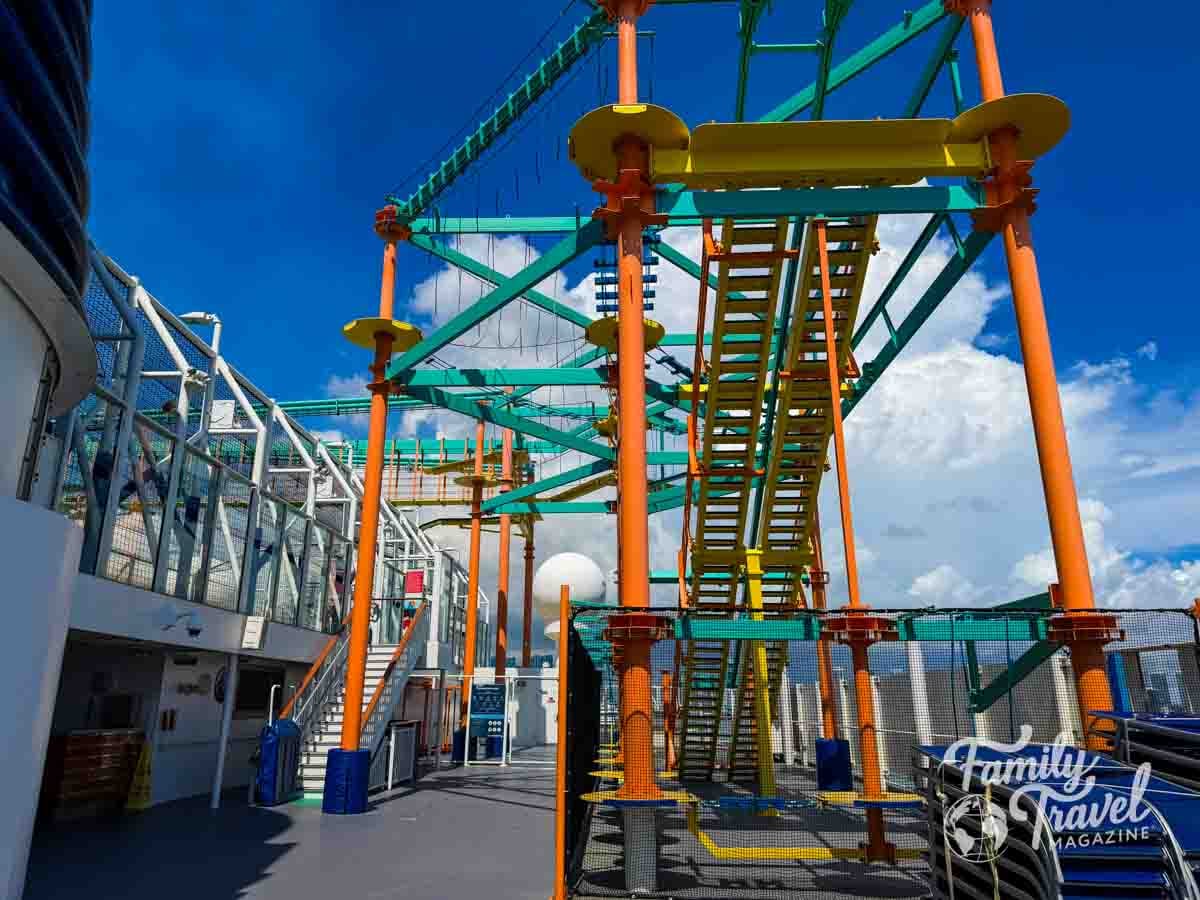
The contemporary cruise model functions as a floating resort, consolidating lodging, multi-course dining, Broadway-style entertainment, and supervised youth programs into a single fare. Furthermore, ships are increasingly outfitted with high-adrenaline onboard attractions, including surf simulators, rock-climbing walls, and multi-level ropes courses, appealing directly to older children and teenagers. Maritime travel advisors consistently recommend that families flying to embarkation ports schedule their arrival at least 24 hours prior to the ship’s scheduled departure time. This crucial buffer protects against potential winter weather disruptions at northeastern airports, ensuring that unforeseen flight delays or cancellations do not result in missed cruise departures.
Economic Implications and Strategic Travel Planning
The collective departure of hundreds of thousands of New England residents during the February school break generates significant microeconomic impacts across both the regional transportation sector and receiving tourism economies. Airlines operating out of Boston Logan International Airport routinely register load factors exceeding 95% on routes to Florida, the Caribbean, and Mexico during this week, enabling carriers to implement peak pricing structures that reflect high seasonal elasticity of demand.
Consumer advocates and travel economists recommend several strategic countermeasures for families navigating these financial hurdles:
- Alternative Airport Utilization: Households should evaluate flight pricing not only from Boston Logan but also from secondary New England facilities such as T.F. Green Airport (PVD) in Rhode Island or Manchester-Boston Regional Airport (MHT) in New Hampshire, where parking, security wait times, and base airfares can occasionally offer cost advantages.
- Shoulder-Date Flexibility: Adjusting departure and return dates by even 24 to 48 hours—such as departing on a Thursday rather than the official start of the school break—can yield substantial savings on commercial air itineraries.
- Comprehensive Travel Insurance: Given that mid-winter travel coincides with peak meteorological volatility in the Northeast, purchasing comprehensive travel insurance covering trip interruption, baggage delay, and weather-related cancellations is strongly advised to protect non-refundable deposits and prepaid excursion packages.
Ultimately, whether families choose to trade sub-freezing New England temperatures for the sun-drenched beaches of the Caribbean, the cultural heritage of Puerto Rico, the entertainment complexes of Southern California, or the snow-covered peaks of northern New England, meticulous planning and early reservation protocols remain the definitive keys to a successful and economically rational February school break vacation.