inerary: How to Spend 5 Days Exploring the Harbour City
Sydney, the vibrant capital of New South Wales and Australia’s most populous urban center, has long served as a primary gateway for international tourism. Despite its status as a premier global destination, millions of travelers delay their visits due to the sheer geographical distance from North America and Europe. However, recent tourism metrics indicate a robust rebound in international arrivals to Australia, with visitors increasingly opting for extended urban stays rather than rushed, multi-city dashes. A five-day itinerary has emerged among travel analysts as the optimal timeframe for first-time visitors to balance iconic architectural landmarks, coastal geography, and culinary exploration without succumbing to travel fatigue.
The city’s urban layout presents a unique interplay between dense commercial districts and expansive natural waterways. Spanning a metropolitan area that accommodates over 5.3 million residents, Sydney’s major tourist attractions are surprisingly accessible via an integrated public transit network comprising metropolitan trains, extensive bus routes, and the historic commuter ferry system. Urban planning experts frequently cite Sydney as a model for waterfront integration, where commercial zones transition seamlessly into protected green spaces and coastal reserves.
Day One: The Maritime Core and Iconic Architecture
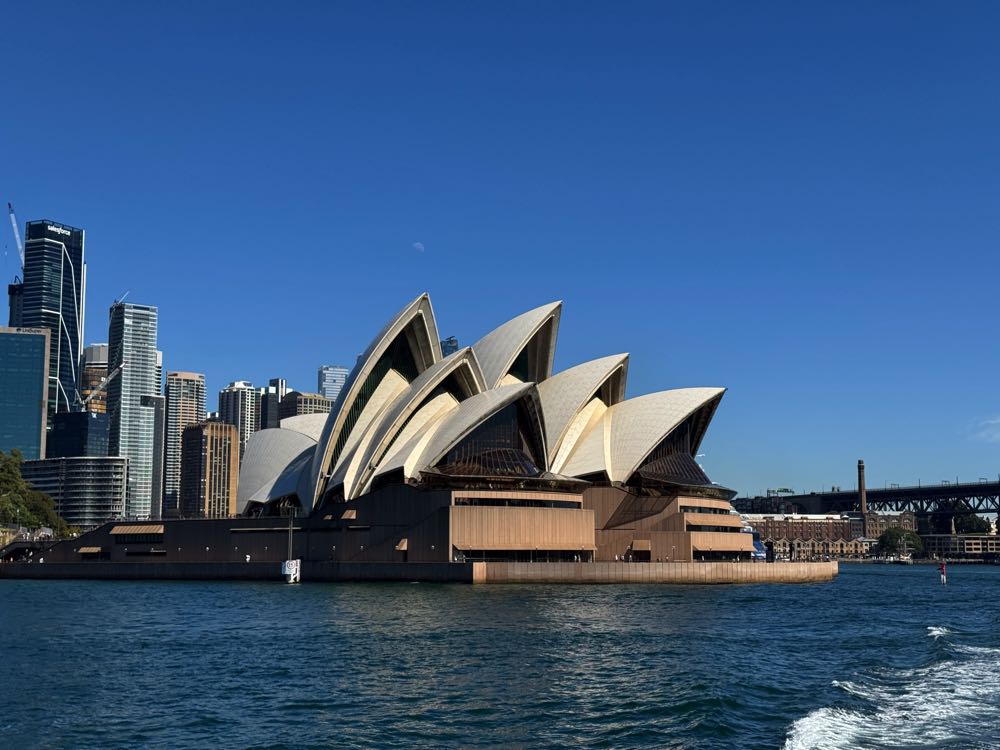
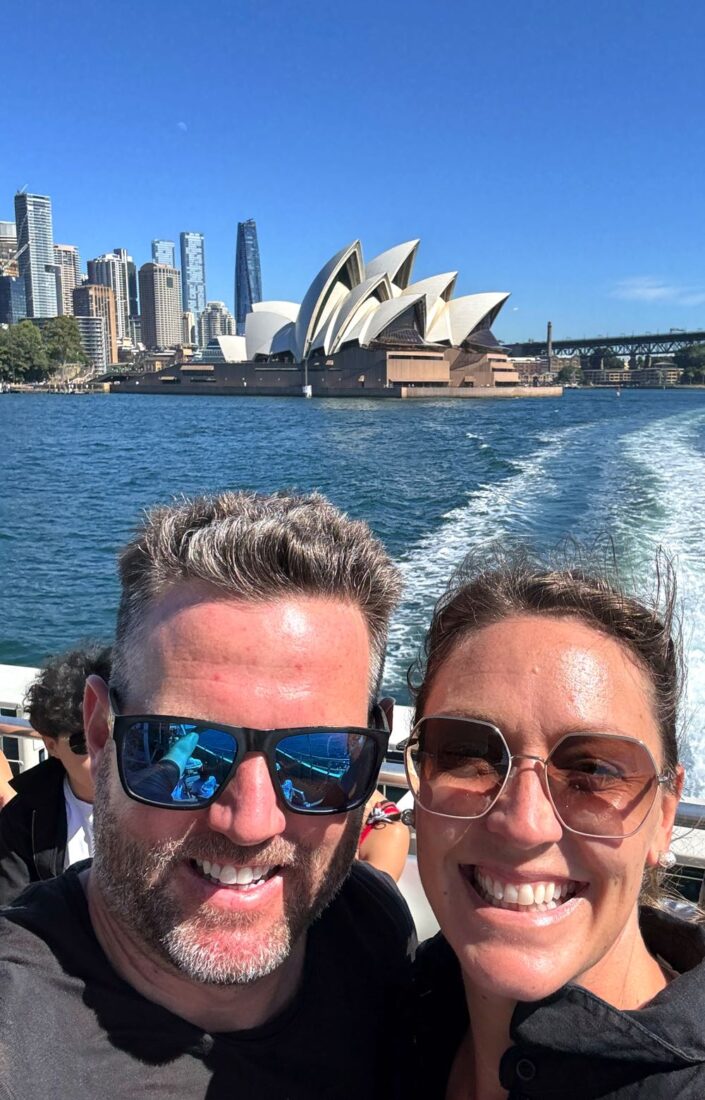
The inaugural day of exploration invariably centers on Sydney Harbour, a natural ria that defines the city’s geographical identity and economic history. Visitors typically begin at Circular Quay, the central transport hub that links ferries, trains, and buses, framing views of both the Sydney Opera House and the Sydney Harbour Bridge.
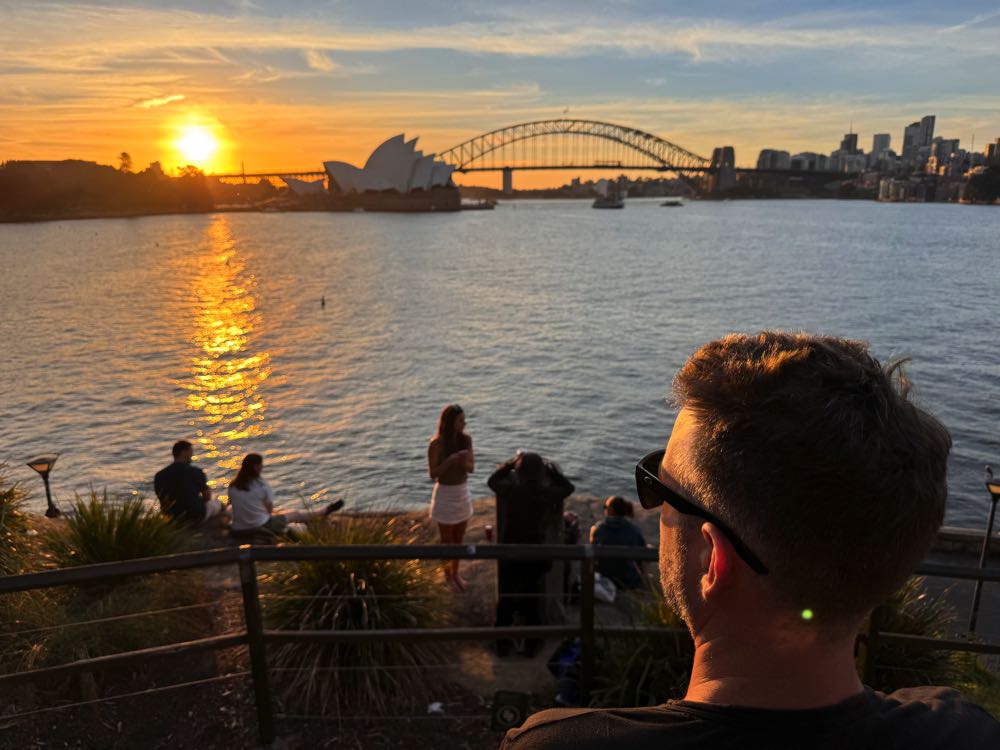
Construction of the Sydney Opera House, designed by Danish architect Jørn Utzon, commenced in 1959 and concluded in 1973 at a final cost significantly exceeding initial estimates. Today, it stands as a UNESCO World Heritage Site and one of the most globally recognized examples of late-modern architecture. Walking the exterior perimeter offers immediate contextualization of the site’s scale, followed by a transition toward the Sydney Harbour Bridge. Completed in 1932 during the Great Depression, the bridge—locally nicknamed "The Coathanger"—spans the harbour with a steel arch design that remains an engineering marvel. While commercial enterprises offer guided bridge climbs traversing the upper outer arch, pedestrians can access the eastern pedestrian walkway free of charge to secure panoramic vistas of the harbour basin.
Adjacent to the bridge lies The Rocks, Sydney’s oldest European settlement area. Established shortly after the arrival of the First Fleet in 1788, the neighborhood retains its colonial-era sandstone architecture, narrow alleyways, and historic public houses, such as the Fortune of War, licensed in 1828.
As evening approaches, maritime tourism operators offer structured dinner cruises departing from Circular Quay. Economic data from state tourism bodies highlights harbour cruises as a vital component of the visitor economy, generating significant revenue while providing perspective on the illuminated city skyline, which shifts dramatically after dusk.

Day Two: Coastal Geomorphology and the Bondi to Coogee Walk
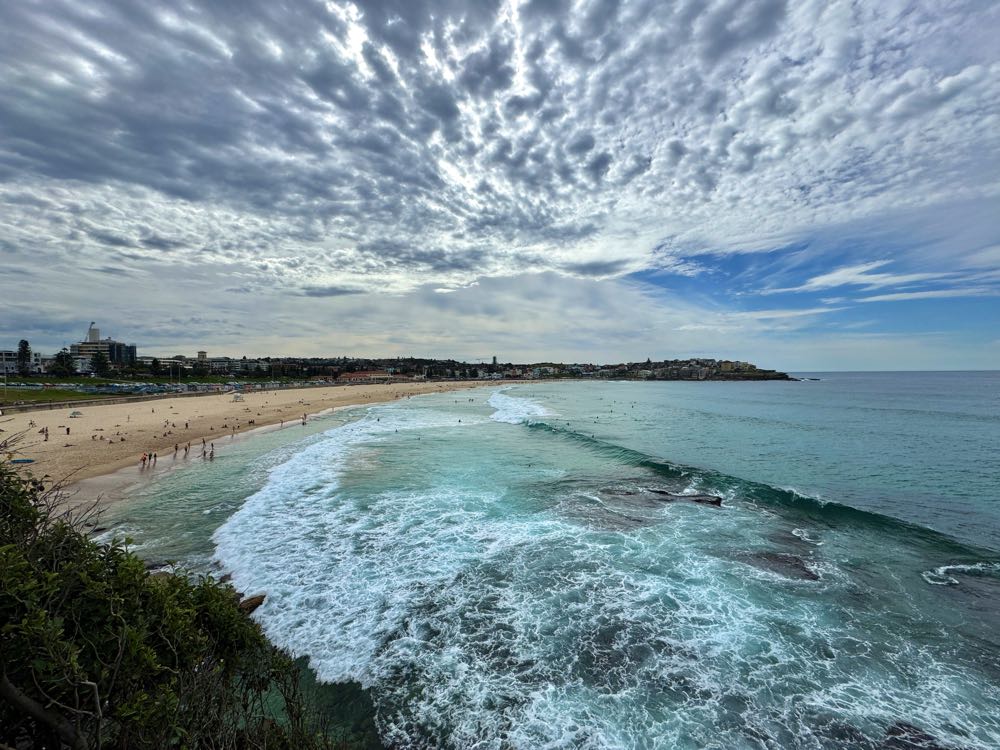
The second day shifts focus to Sydney’s renowned eastern beaches, highlighting the city’s coastal ecosystem. Bondi Beach, situated approximately seven kilometers east of the Central Business District (CBD), attracts millions of domestic and international visitors annually. Accessible via a multimodal transit sequence involving suburban rail links to Bondi Junction followed by express bus services, the beach is globally synonymous with Australian surf culture and aquatic rescue operations, popularized by media franchises documenting the region’s professional lifeguards.
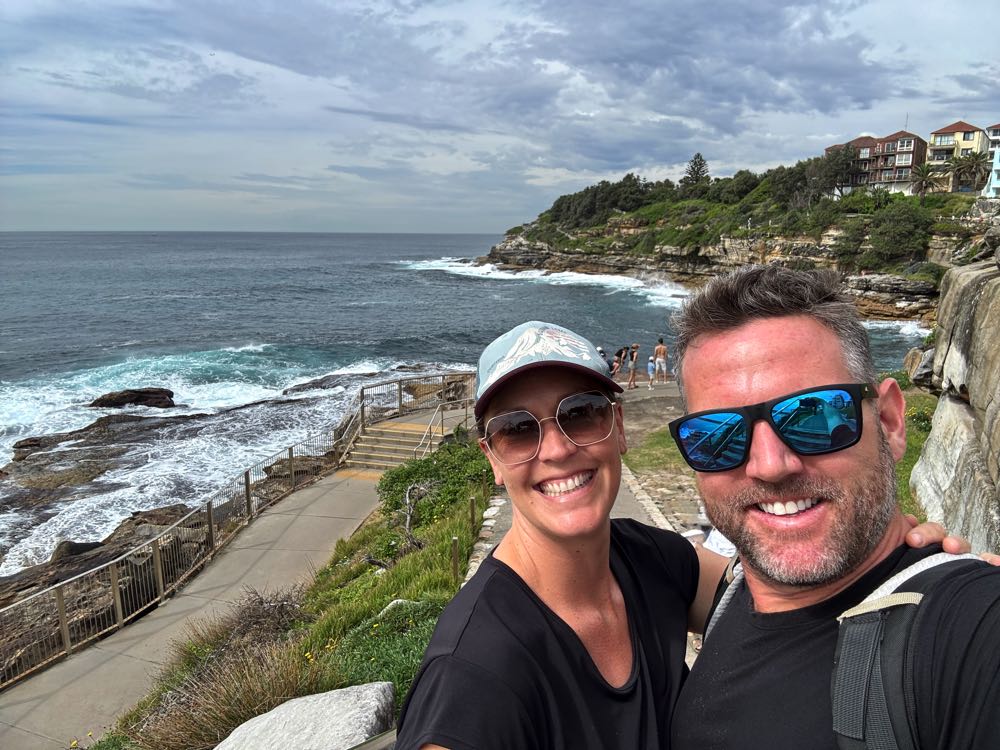
Rather than remaining stationary, visitors frequently undertake the Bondi to Coogee Coastal Walk, a six-kilometer paved pathway engineered along the Hawkesbury sandstone cliffs. The route traverses several distinct geological formations, protected marine reserves, and ocean-fed swimming pools, passing through Tamarama and Bronte beaches before terminating in Coogee. Urban infrastructure planners maintain the coastal walk as a public amenity, balancing environmental conservation with high foot traffic. The path exposes visitors to significant sun exposure, prompting public health advisories regarding hydration and ultraviolet radiation protection, particularly during peak daylight hours.
Day Three: Commercial Heritage, Civic Spaces, and Culinary Diversity
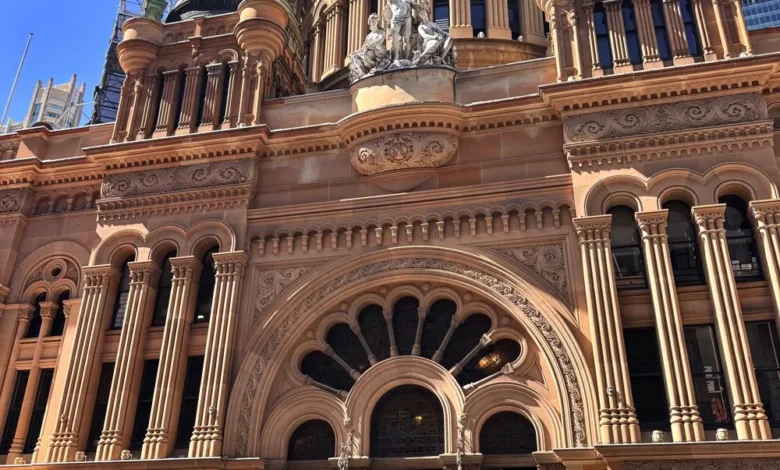
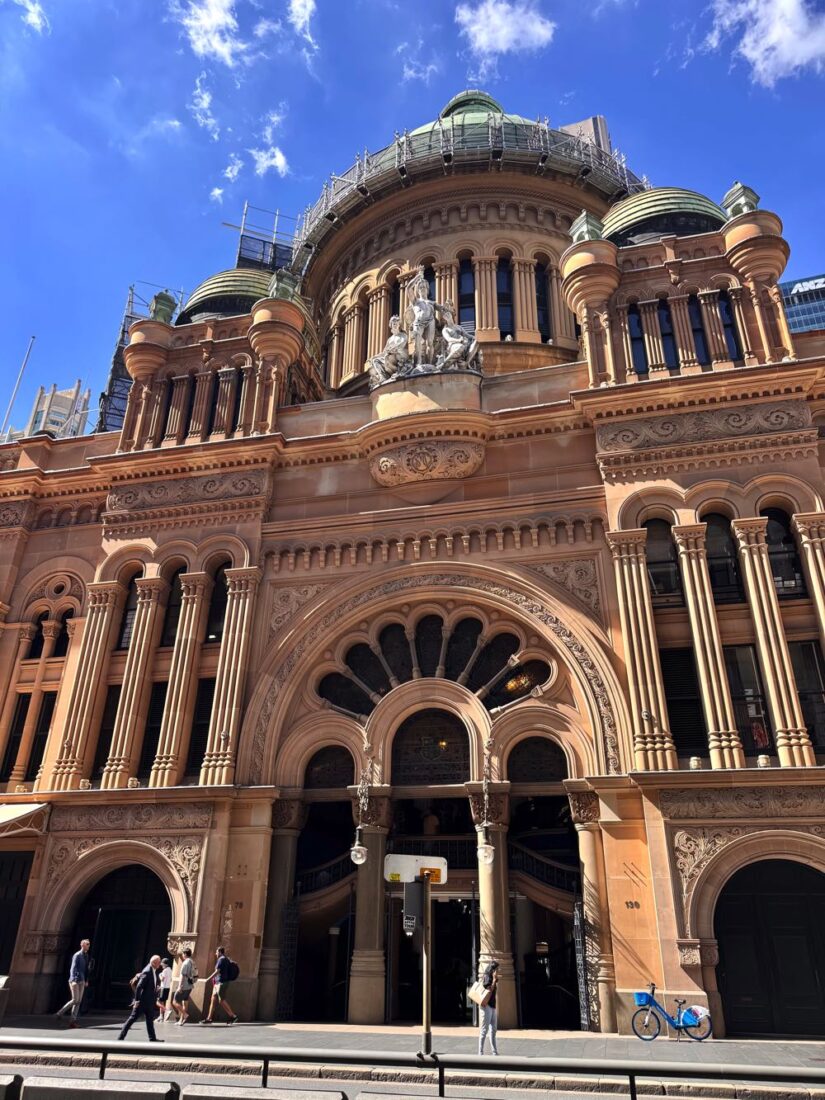
Day three integrates the urban core, beginning at the Queen Victoria Building (QVB). Occupying an entire block on George Street, this late-nineteenth-century Romanesque Revival building was constructed between 1893 and 1898 as a marketplace. Designed by architect George McRae, the structure was saved from demolition in the late twentieth century and meticulously restored into a high-end retail complex, preserving its intricate stained glass, cast-iron balustrades, and central dome.
Moving southward, the itinerary encompasses Hyde Park—Australia’s oldest public parkland, established in 1810—and St. Mary’s Cathedral, the seat of the Archbishop of Sydney, notable for its Gothic Revival architecture. These civic spaces connect directly to the Royal Botanic Garden, a 30-hectare scientific and recreational facility founded in 1816 on the shores of Farm Cove. The garden pathways terminate at Mrs. Macquarie’s Point, a historic vantage point offering unobstructed sightlines of the Opera House and Harbour Bridge aligned against the western horizon.
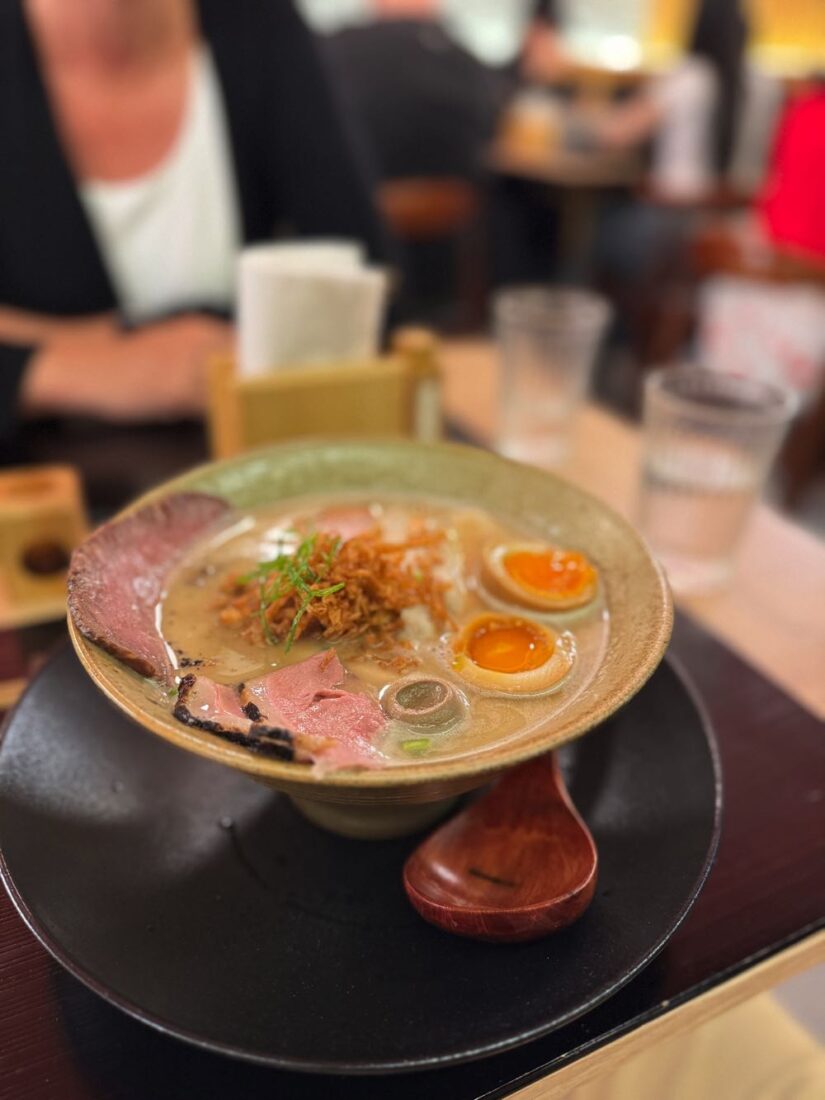
Culinarily, Sydney reflects its multicultural demographic makeup, with a heavy emphasis on contemporary Asian cuisine driven by decades of regional immigration. Neighborhoods throughout the CBD and Haymarket host dense clusters of dining establishments, ranging from specialized regional ramen houses to upscale Southeast Asian fusion venues, contributing to the city’s reputation as a premier global culinary destination.
Day Four: Maritime Transit and Northern Harbor Suburbs
The fourth day utilizes the public ferry network to cross the harbor toward Manly, located on a narrow peninsula bound by the Pacific Ocean to the east and Port Jackson to the west. The 30-minute ferry journey from Circular Quay serves as both a commuter route and a scenic excursion, offering unobstructed views of maritime traffic and shoreline estates.
Manly offers a distinct alternative to Bondi, characterized by a pedestrianized main concourse—The Corso—linking the harbor wharf to the ocean beach. Conservation areas such as Shelly Beach, protected within the Cabbage Tree Bay Aquatic Reserve, provide specialized environments for snorkeling and marine biodiversity protection. Local municipal data indicates that regional tourism management focuses heavily on balancing commercial retail activity with the preservation of residential tranquility in these northern beach enclaves.
Day Five: Historical Interpretation and Aerial Perspectives
The final day of the standard five-day framework allows for flexibility, often incorporating structured historical walking tours or vertical city perspectives. Professional guided tours of The Rocks and the CBD provide localized historical context regarding Indigenous custodianship, European colonization, urban development, and architectural preservation.
To conclude the urban survey, the Sydney Tower Eye—rising 250 meters above the streetscape—offers a 360-degree observation deck analyzing the city’s top-down topology. Completed in 1981, the telecommunications and observation tower anchors the central retail district and underscores the density and scale of the metropolitan expanse.
Logistical Framework and Transportation Economics
Navigating Sydney does not require private vehicular transport. The Opal card system—a contactless smartcard ticketing platform—standardizes fare collection across trains, buses, ferries, and light rail networks, ensuring seamless modal transfers. Tourism economists emphasize that the efficiency of public transit significantly reduces the carbon footprint of urban tourism and minimizes congestion in the commercial core.
Accommodation strategies for first-time visitors typically prioritize central positioning within the CBD, The Rocks, or Darling Harbour to minimize transit times. Industry analysts project sustained growth in Sydney’s hospitality sector, driven by strategic infrastructure investments and international marketing campaigns aimed at solidifying Australia’s position in the global tourism market.
Related posts: