UAE Developers Pivot to Branded Residences as Dubai Hospitality Faces Headwinds Amid Regional Conflict

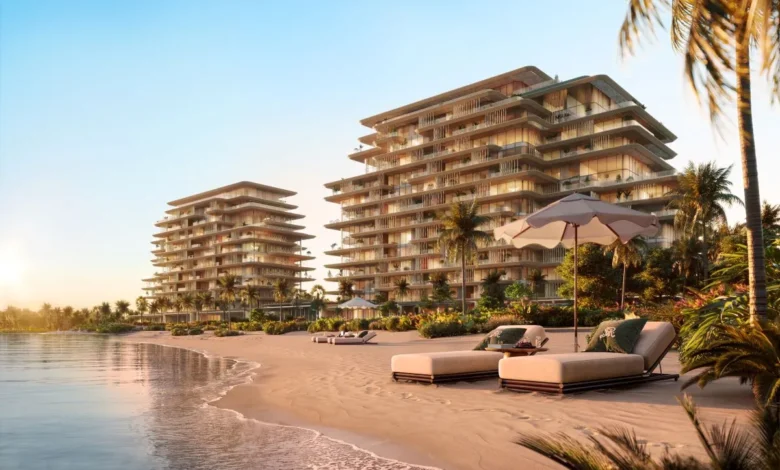
The landscape of Dubai’s real estate and hospitality sectors is undergoing a profound transformation as developers lean heavily into the branded residences model. Even as the regional geopolitical climate—marked by the ongoing conflict between the United States and Iran that ignited in late February—casts a long shadow over traditional tourism and hotel performance, the appetite for ultra-luxury residential partnerships remains robust. This strategic pivot highlights a clear divergence between the transient hotel market, which is suffering from reduced visitor numbers, and the long-term investment allure of branded, managed residential assets.
Avenew Development’s recent launch of The St. Regis Residences at Dubai Islands, in partnership with Marriott International, serves as a bellwether for this trend. Similarly, Dubai South has secured a landmark agreement with the UK-based Cheval Collection for the Cheval South Bay project, while Al Seeb Real Estate Development has moved into the main construction phase for the Chedi Private Residences. These projects signal that while the hotel sector grapples with the volatility of the geopolitical environment, the luxury real estate market is attempting to insulate itself through the prestige and service-oriented guarantees provided by global hotel operators.
The Chronology of a Shifting Market
The current challenges facing the Dubai hospitality market did not occur in a vacuum. The timeline of the 2026 fiscal year provides essential context for the current economic climate:
- Late February 2026: The onset of the U.S.-Iran conflict creates immediate volatility across the Middle East, leading to a swift decline in leisure travel and business confidence.
- March–May 2026: Initial reports indicate a sharp downturn in regional air traffic and corporate travel bookings as multinational firms pause regional expansion plans.
- June–August 2026: The traditional summer slowdown is exacerbated by security concerns, leading to significant drops in hotel occupancy rates across Dubai’s premium districts.
- October 2026: Data from CoStar’s STR confirms a definitive slump, with occupancy rates falling to 68.4%, down 16.5 percentage points from the 84.9% recorded in the same month of the previous year.
- November 2026: Developers accelerate the transition toward branded residences, aiming to leverage the "safe haven" status of luxury real estate to maintain capital inflow.
Deconstructing the Hospitality Slump
The data provided by Dubai’s Department of Economy and Tourism, coupled with STR’s metrics, paints a sobering picture for hoteliers. The international visitor count for the first ten months of the year reached 9.7 million, representing a 38% decline compared to the same period in the prior year. This reduction in footfall has exerted intense pressure on revenue management strategies.
The average daily rate (ADR) in Dubai plummeted by 28.1%, settling at $181. Perhaps most concerning for investors is the revenue per available room (RevPAR), which witnessed a staggering 42% contraction to $124. This precipitous decline suggests that simply lowering rates has not been sufficient to sustain the volumes necessary to maintain historical profitability levels. For hoteliers, the cost of operations—compounded by potential supply chain disruptions related to regional shipping security—remains high, while the revenue streams have become increasingly fragile.
The Rise of Branded Residences as a Hedge
In the face of these hospitality headwinds, branded residences offer a distinct value proposition. Unlike hotel rooms, which are subject to daily market fluctuations and consumer sentiment, branded residences cater to high-net-worth individuals (HNWIs) who view these properties as long-term wealth preservation tools.
By partnering with brands like St. Regis or The Chedi, developers are essentially selling a lifestyle and a service guarantee. Residents gain access to hotel-grade amenities—concierge services, housekeeping, fine dining, and security—while developers benefit from the brand’s global loyalty programs and reputation for excellence.
This model effectively shifts the developer’s risk profile. Instead of relying solely on the erratic nature of international tourism, they are tapping into the residential market’s demand for luxury, exclusivity, and brand-backed asset management. Even if the hotel occupancy is low, the branded residential units remain occupied by owners or long-term tenants, providing a stable anchor for the development.
Official Perspectives and Market Sentiment
While developers have remained largely optimistic in their press releases, analysts are advising a cautious approach. A representative from a major property consultancy in the DIFC noted that while the "brand premium" can add 20% to 30% to the value of a property, the saturation of the market is a looming concern.
"We are seeing a flight to quality," the analyst stated. "Investors who are concerned about regional stability are prioritizing assets that are managed by global, reputable brands. They view these residences as ‘lock-and-leave’ assets. However, the sheer volume of new supply entering the market in 2027 will require a significant rebound in international confidence to sustain these valuation premiums."
The developers themselves maintain that the long-term outlook for Dubai remains strong. By aligning with brands like Marriott and Cheval Collection, they are signaling a commitment to a standard of service that transcends regional economic cycles. The move into construction by Al Seeb Real Estate for the Chedi Private Residences suggests that these developers are looking past the current year, positioning their projects for the next cycle of global economic growth.
Broader Economic Implications
The implications of this shift are multi-faceted. First, the construction of branded residences keeps the real estate sector active, sustaining employment in architecture, engineering, and luxury retail. This helps to cushion the blow of the hospitality downturn on the broader Dubai economy.
Second, the trend toward residential development may lead to a permanent change in the use of land in prime areas. If developers find that residential projects offer higher risk-adjusted returns than hotel projects, Dubai may see a long-term reduction in the pipeline of new hotel rooms, potentially leading to a supply-constrained hospitality market in the future.
Third, the focus on branded residences reflects the changing demographics of Dubai’s expatriate and investor population. There is a growing demand for "serviced luxury" that offers the convenience of a hotel with the privacy of a home. This demographic shift is likely to persist regardless of the status of the regional conflict.
Conclusion: A Tale of Two Real Estate Segments
The bifurcation of the Dubai property market is becoming increasingly clear. While the hotel sector fights to reclaim its former glory amidst the uncertainty of the U.S.-Iran conflict, the branded residential sector is evolving into a cornerstone of the city’s investment narrative.
The success of projects like The St. Regis Residences at Dubai Islands and the Cheval South Bay will be measured not by their immediate occupancy, but by their ability to retain value and prestige over the coming decade. As the region navigates a period of significant geopolitical realignment, the developers of these branded residences are betting that the allure of a global luxury brand is the ultimate hedge against the unpredictability of the modern world.
For now, the strategy of "brand-first" development provides a necessary lifeline to the real estate sector. However, the ultimate stability of these projects will depend on a return to regional normalcy and the continued ability of Dubai to attract the global elite, who remain the primary target for these high-end residential offerings. As 2026 draws to a close, the market remains in a state of flux, awaiting the next signals from the geopolitical arena while simultaneously laying the groundwork for a new, more residential-focused era of development.