Summer Travel Surge and Seasonal Trends: A Mid-Year Review of International Tourism and Cultural Exchange


The summer travel season of 2026 has commenced with a significant uptick in international mobility, characterized by a convergence of major sporting events, cross-border cultural tourism, and the persistent challenges posed by shifting climate patterns. As the travel industry enters its peak period, reports from key transit hubs and tourist destinations, including the northeastern United States and Central Europe, indicate that travelers are prioritizing long-haul journeys and immersive cultural experiences despite enduring logistical hurdles.
Chronology of a Busy June: From Boston to the Continent

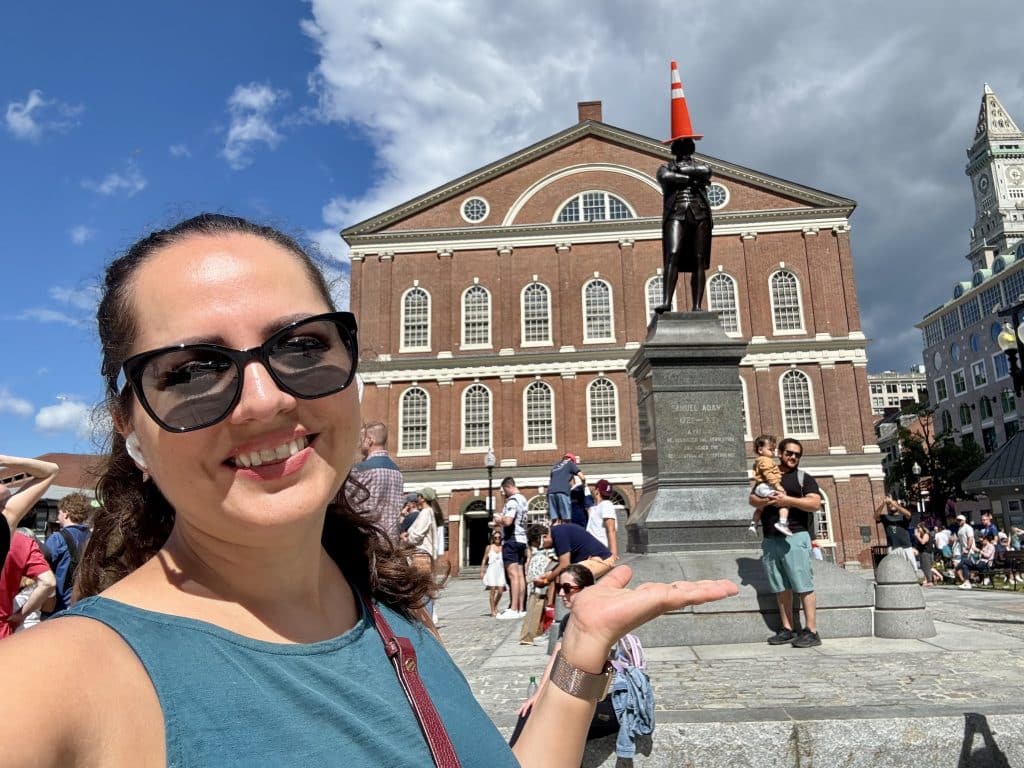
The month of June 2026 was marked by a distinct spike in travel volume, particularly in Boston, Massachusetts, which served as a focal point for international visitors during the World Cup. The influx of fans, most notably the Scottish "Tartan Army," transformed the city’s urban landscape. Data from local tourism boards suggests that the presence of thousands of international supporters bolstered local hospitality sectors, with public spaces and transit systems operating at near-capacity levels throughout the tournament period.
Following the North American leg of the travel cycle, the focus shifted toward European metropolitan centers, specifically Prague. The city, like much of the European continent, faced a series of record-breaking heat waves. Meteorological records for June 2026 confirm that temperatures across Central Europe consistently trended above historical averages, creating significant strain on urban infrastructure. In Prague, the lack of widespread residential air conditioning—a common feature of historic European architecture—prompted a temporary shift in consumer behavior, with many residents and tourists seeking temporary accommodation in climate-controlled hotel environments to mitigate health risks associated with extreme heat.
Infrastructure and Public Transit Challenges

A notable incident in Prague’s public transit network highlights the complexities of modern urban management during extreme weather events. An individual was inadvertently trapped in an out-of-service tram after failing to disembark, a situation exacerbated by the rising cabin temperatures. The incident underscores critical safety concerns regarding automated transit protocols. Official transport authority responses to such events generally emphasize the necessity of manual "sweep" procedures before a vehicle is taken to a depot; however, this occurrence has sparked broader discussions regarding passenger safety systems, specifically the accessibility of emergency door releases and the communication protocols for vehicles taken out of service during high-temperature alerts.
Economic and Social Implications of the Travel Boom
The surge in travel is not merely a logistical phenomenon; it carries substantial economic implications. In the United States, the revitalization of urban corridors like New York City’s Broadway and the expansion of transit infrastructure, such as the bus terminal at the George Washington Bridge, have facilitated more efficient movement for both commuters and tourists. The strategic placement of this station serves as a case study for how transit-oriented development can alleviate congestion in densely populated districts like Harlem and the Upper West Side.
Furthermore, the integration of cultural tourism—ranging from high-profile concerts to niche feline-themed meet-and-greet events—demonstrates a shift in consumer demand. Modern travelers are increasingly seeking "experience-based" tourism, which provides a higher localized economic impact compared to traditional sightseeing. The cancellation of large-scale indoor events, such as the aforementioned concert by Ricky Martin, due to the environmental strain of the heat wave, highlights the vulnerability of the entertainment industry to climate volatility. Experts suggest that as summer temperatures continue to rise, the events industry may need to transition toward more robust climate-resilient infrastructure or shift peak event scheduling to cooler seasonal windows.
Cultural Consumption and Digital Trends
The digital sphere remains a primary driver of tourism trends, as evidenced by the viral nature of social media content surrounding the World Cup. The rapid dissemination of travel experiences—from culinary exploration in New England to historical discovery in Europe—creates a feedback loop that influences travel patterns.

Simultaneously, there is an observable trend toward "slow media" and deep-dive cultural engagement. The trend of consuming long-form content, such as the comprehensive review of the 500 Greatest Albums of All Time, suggests that travelers are increasingly seeking intellectual engagement during transit. This shift toward retrospective cultural study, coupled with the desire for authentic, geographically diverse experiences, reflects a demographic that prioritizes legacy and depth over fleeting engagement.
Implications for the July 2026 Travel Outlook
As the industry looks toward July, the focus shifts to a robust European road-trip circuit. Plans for travel through Provence, France, and the microstates of Switzerland and Liechtenstein represent a return to classic, multi-destination European tourism. The logistics of these journeys, however, are increasingly complex. The reliance on personal vehicle transit for such routes reflects a preference for autonomy, yet it also contributes to the carbon footprint of the tourism sector—a factor that is beginning to influence policy discussions across the European Union.
Key metrics to watch in the coming weeks include:
- Transit Efficiency: Monitoring the capacity of regional transit hubs in Europe as tourism density reaches its annual peak.
- Climate Adaptation: The success of hospitality sectors in managing extreme heat through both infrastructure upgrades and service-level adjustments.
- Cultural Tourism Sustainability: Whether the influx of visitors to smaller regions (such as the lavender fields of Provence or the coastal towns of La Ciotat) can be maintained without degrading local heritage or exceeding environmental capacities.
Conclusion: A Sector in Transition
The travel landscape of mid-2026 is defined by a dichotomy: a deep, human desire for reconnection and exploration, tempered by the harsh realities of a changing climate and aging infrastructure. As travelers navigate the challenges of heat waves, transit malfunctions, and the complexities of international sporting events, the industry is forced to adapt. The emphasis on improved connectivity, such as the George Washington Bridge transit hub, and the push for more climate-resilient event planning, suggest a path forward that prioritizes both the traveler’s experience and the structural integrity of the destinations they frequent.

The trajectory for the remainder of the summer suggests that while the enthusiasm for travel remains undiminished, the methodologies of transit, accommodation, and event participation will require ongoing evolution to meet the demands of a modern, environmentally conscious, and highly mobile global population. The upcoming birthday-related travel to the island of Ischia, Italy, will serve as a bellwether for late-summer trends, offering further insights into how the luxury and regional travel markets respond to the sustained, elevated temperatures expected throughout the Mediterranean basin.