Uncharted Horizons: How Zhetysu is Positioning Kazakhstan as Central Asia’s Newest Adventure Capital

The southeastern region of Kazakhstan known as Zhetysu is rapidly emerging as a premier destination for international eco-tourism and adventure travel, shifting the spotlight beyond major urban centers like Almaty and Astana. Historically recognized as a vital corridor along the ancient Silk Road, Zhetysu—formally established as an independent administrative region in 2022 following the division of the former Almaty Region—spans approximately 118,000 square kilometers. Today, regional development agencies, conservation groups, and international tourism boards are actively collaborating to promote the area’s diverse topography, which encompasses alpine mountain ranges, arid deserts, protected national parks, and extensive river systems.
Geographically and Culturally Diverse Terrain
Bounded by the Zhongar Alatau mountain system to the east and vast desert basins to the west, Zhetysu offers a unique convergence of ecosystems. The administrative center, Taldykorgan, serves as the primary logistical hub for expeditions into the region’s interior. Central to these conservation and tourism efforts is Altyn-Emel National Park, established to protect unique geological formations and endangered fauna, including the kulan (Asian wild ass) and the Persian leopard.
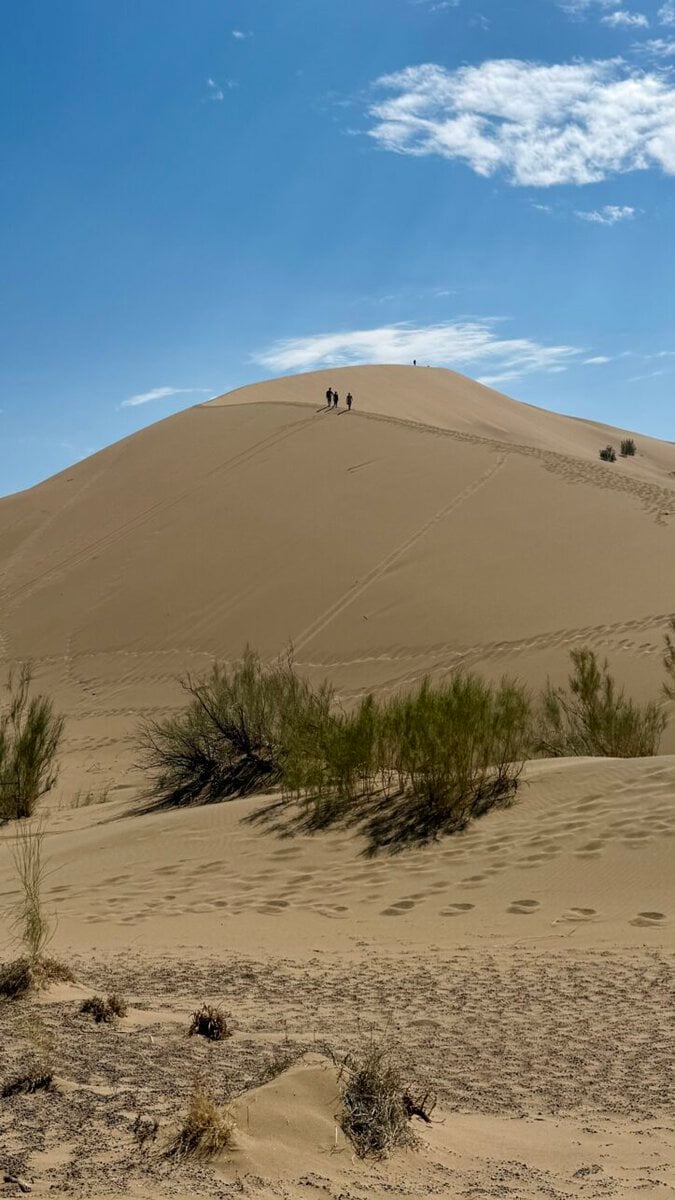
Among the park’s primary geological attractions are the Aktau Mountains. Composed of pale sedimentary layers dating back millions of years, the mountains feature striking striations of white, pink, and deep ochre, presenting a layered record of prehistoric aquatic environments. Adjacent to the Aktau range is the Singing Dune, a massive accumulation of aeolian sand rising roughly 150 meters above the surrounding terrain. Spanning nearly 240 hectares between the Greater and Lesser Kalkan mountains, the dune is internationally renowned for the distinct acoustic phenomenon produced when dry sand grains are displaced by wind or foot traffic, emitting a low-frequency hum comparable to a drone or pipe organ.
The Evolution of Regional Tourism Infrastructure
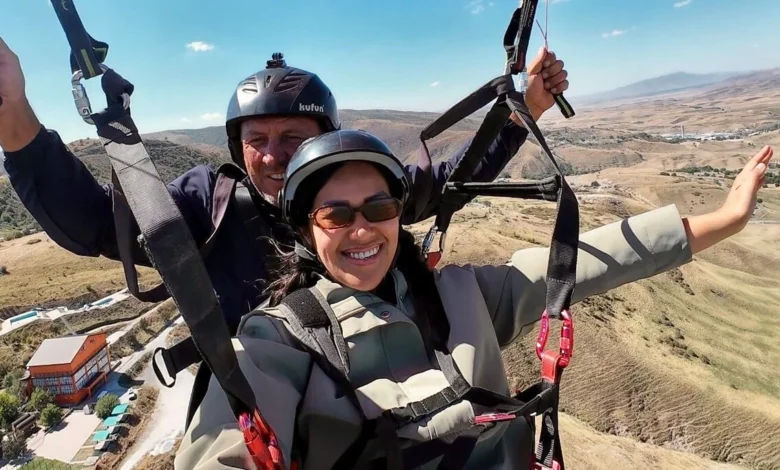
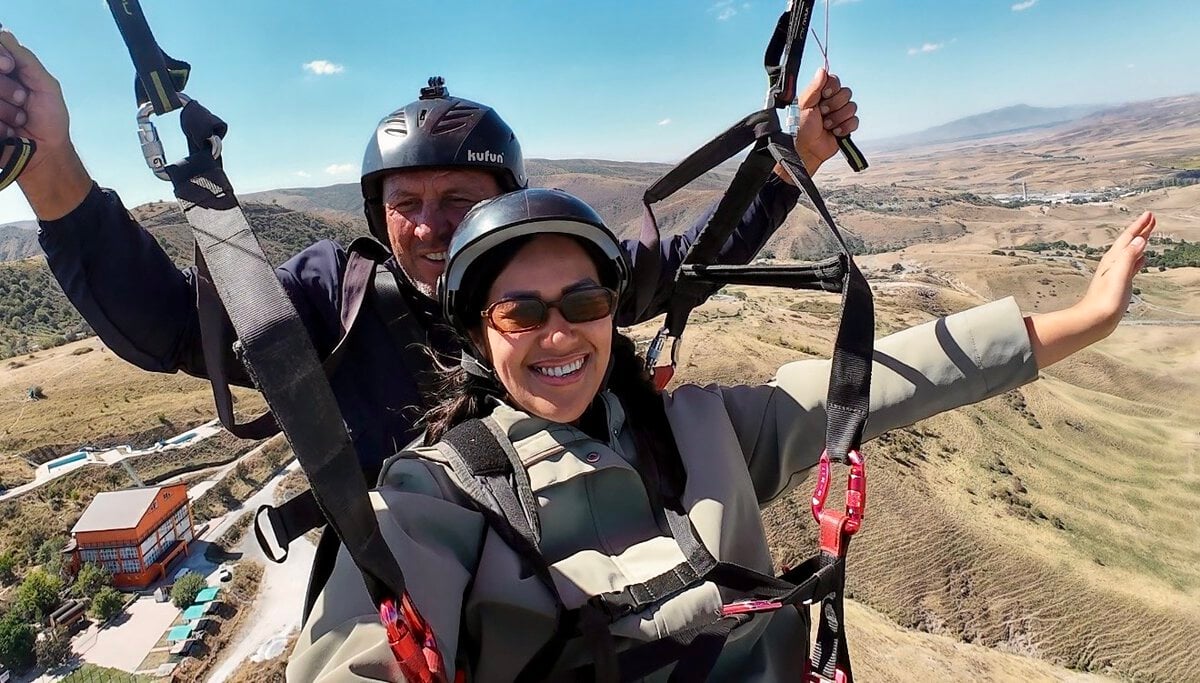
The post-pandemic tourism landscape in Central Asia has seen a pronounced shift toward sustainable, nature-based, and experiential travel. Tourism authorities in Kazakhstan have reported a steady upward trajectory in international visitor arrivals seeking outdoor pursuits rather than traditional urban itineraries. Zhetysu has capitalized on this trend by expanding commercial permits and safety frameworks for specialized activities, including whitewater rafting on the Koksu River, guided mountaineering, organized paragliding launches at sites such as Tau Zhetysu, and low-impact trekking across national park corridors.
Industry analysts note that this diversification aligns with Kazakhstan’s broader national strategy to decentralize tourism revenue. By investing in regional transport links, rural guesthouse networks, and eco-certified adventure operators, the government aims to distribute economic benefits to remote communities while preserving fragile ecosystems through strict visitor management protocols.
Safety, Logistics, and Accessibility for International Travelers
Navigating Zhetysu presents distinct logistical considerations for independent travelers and organized tour groups alike. While major transport corridors connecting Almaty to Taldykorgan are paved and regularly serviced by intercity transit, reaching remote protected areas such as Altyn-Emel often requires four-wheel-drive vehicles and authorized local guides.
Language barriers remain a noted challenge for tourists venturing beyond primary municipal centers, though the widespread adoption of digital translation technologies and an increase in multilingual hospitality staff have mitigated communication hurdles. Tour operators in the region emphasize adherence to international safety standards, particularly for high-risk activities such as alpine paragliding and river navigation along the fast-flowing Koksu River. Comprehensive safety briefings, mandatory flotation and flight gear, and certified instructor oversight have become standard prerequisites across licensed regional outfitters.
Socioeconomic Implications and Community-Based Tourism
Beyond high-adrenal sports, the expansion of tourism in Zhetysu has catalyzed renewed interest in community-based and cultural initiatives. Travelers journeying through the region frequently engage with rural cooperatives that offer traditional culinary demonstrations, handicraft workshops, and homestays. These micro-economies allow visitors to experience indigenous Kazakh customs, pastoral traditions, and regional gastronomy—including historic staples of nomadic cuisine—fostering a deeper cultural exchange that complements the area’s physical geography.
Economic experts point out that integrating local communities into the tourism value chain helps curb rural-to-urban migration by creating sustainable, year-round employment. Furthermore, revenue generated through park entry fees and guide services directly supports environmental monitoring and wildlife conservation within Zhetysu’s protected reserves.
Future Outlook for Central Asian Eco-Tourism
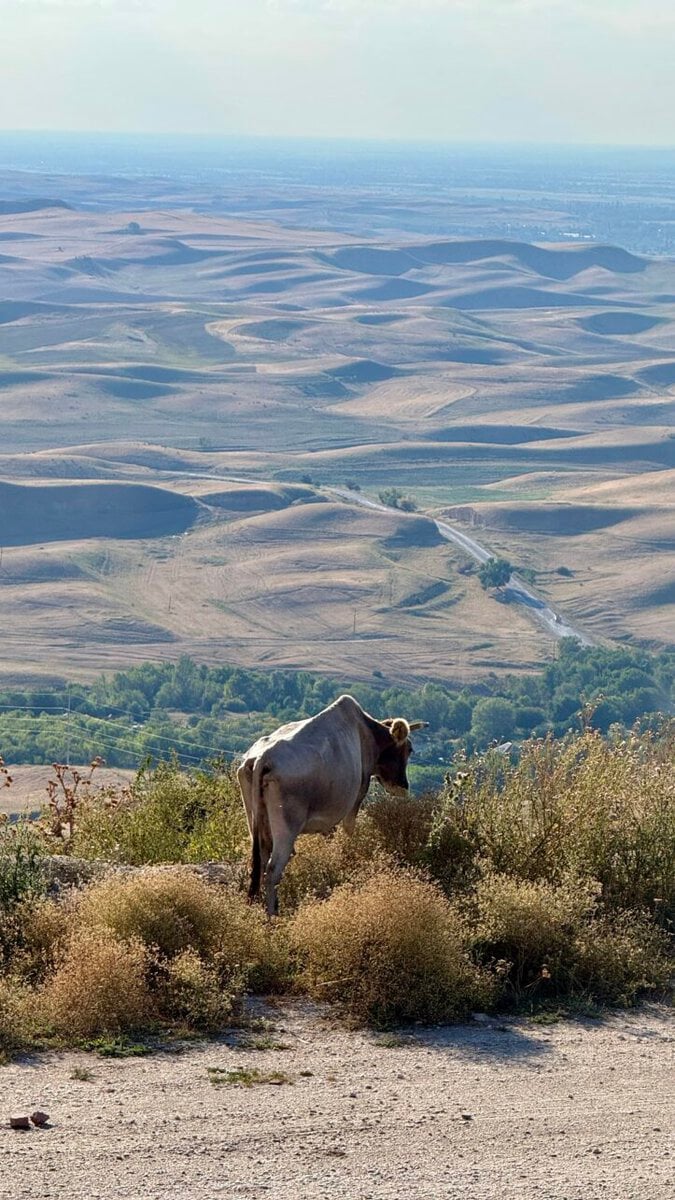
As global travel trends increasingly favor off-the-beaten-path destinations with low population density and high natural integrity, Zhetysu is well-positioned to anchor Kazakhstan’s growing reputation as an adventure travel hub. Regional authorities plan to further enhance digital infrastructure, map new multi-day hiking trails, and implement stricter environmental carrying capacities to protect fragile habitats from over-tourism.
For international travelers evaluating emerging global destinations, Zhetysu offers a rare combination of accessible wilderness, deep historical resonance along the Silk Road, and diverse recreational infrastructure. As the region continues to refine its tourism offerings, it stands as a testament to the untapped potential of Central Asian landscapes in the modern travel economy.