There is a profound paradox at the heart of visual storytelling: what a photographer chooses to obscure is often more impactful than what they explicitly reveal. In an era dominated by high-resolution sensors, artificial intelligence, and a cultural push toward instant visual gratification, the art of ambiguity has become a potent, albeit frequently overlooked, tool for creators. By withholding specific details, photographers can leverage cognitive psychology to transform static images into enduring visual narratives that resonate long after the initial viewing experience.
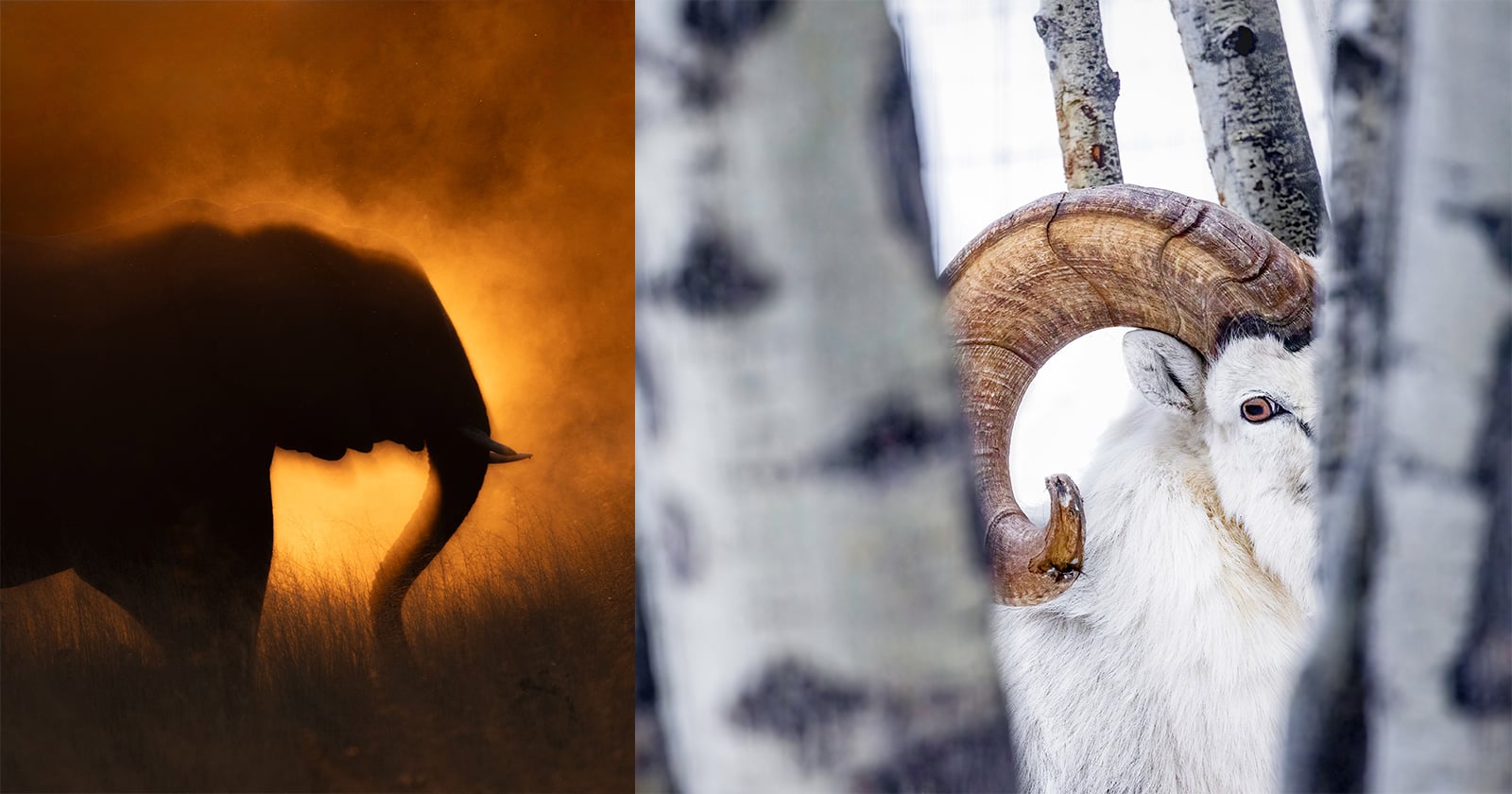
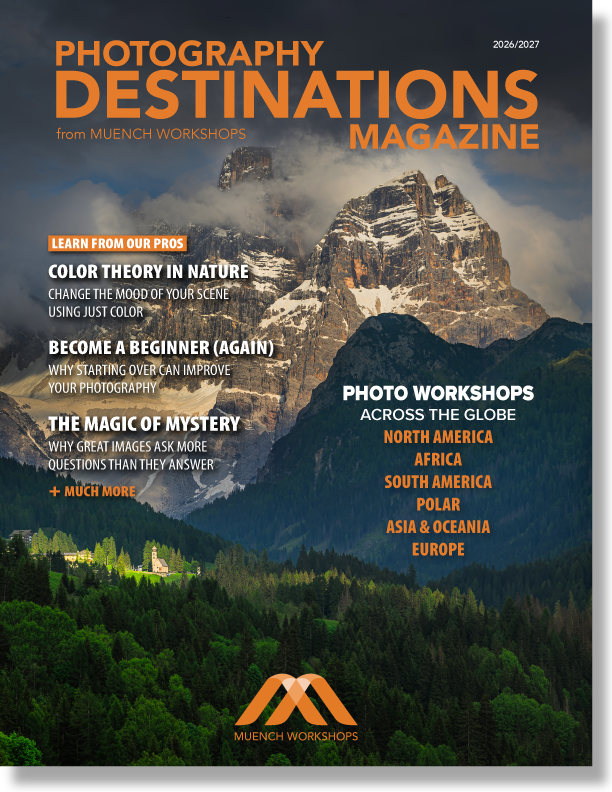
This shift toward the "unseen" is the focus of a new editorial feature by renowned photographer Richard Bernabe, published in the latest edition of Photography Destinations Magazine. The article, titled "The Magic of Mystery," explores how the deliberate use of shadows, negative space, and partial framing functions as a catalyst for audience engagement, moving beyond mere documentation into the realm of interpretive art.
The Cognitive Science of Visual Engagement
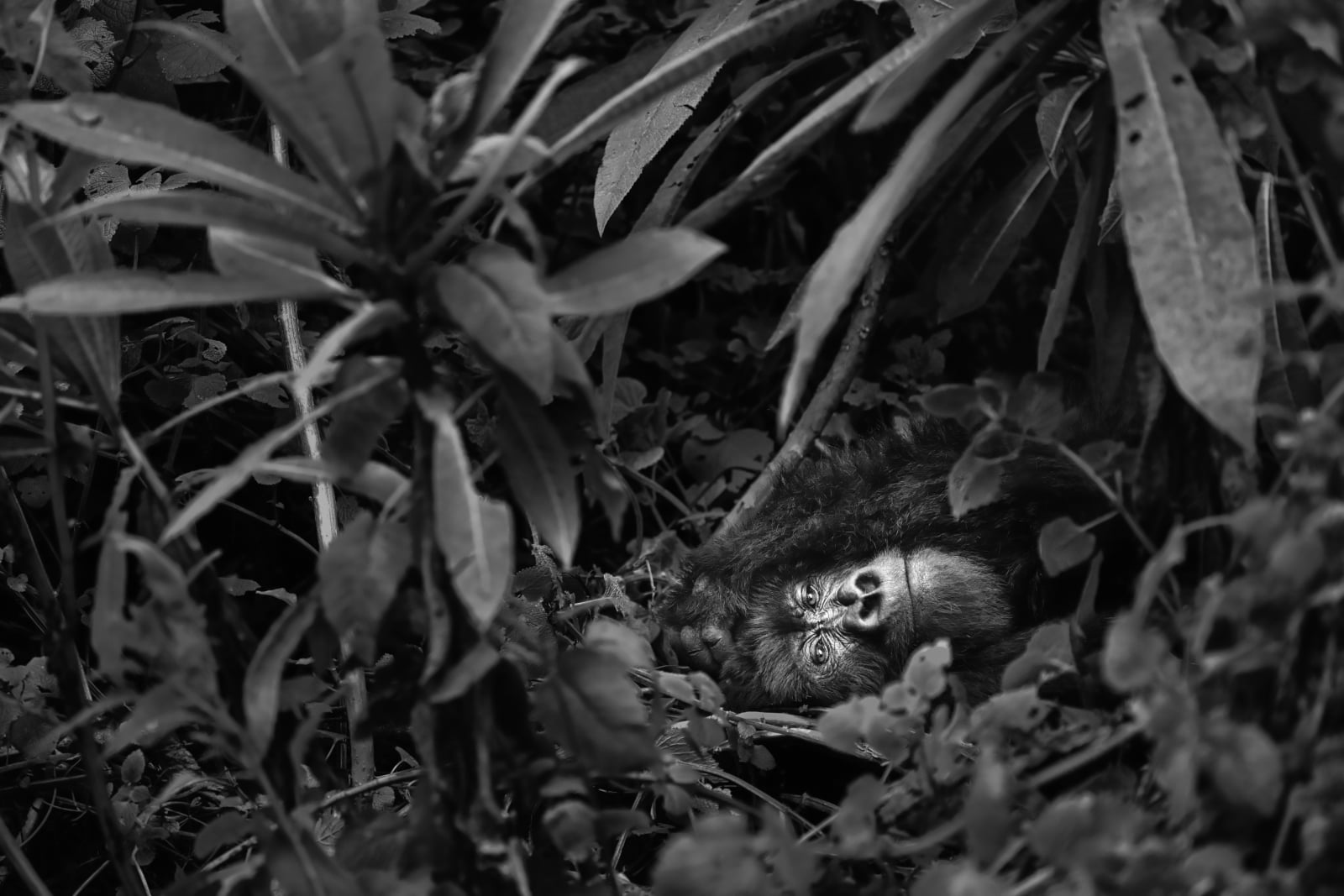
Human perception is fundamentally wired to seek patterns and resolution. According to principles of Gestalt psychology, the brain has an innate tendency to complete incomplete visual information. When a photograph presents an ambiguous subject—such as a partially hidden animal or a landscape fading into mist—the viewer does not simply observe the frame; they actively participate in constructing the narrative.
This cognitive tension is what separates a fleetingly interesting image from one that demands sustained attention. Research in neuroaesthetics suggests that when a viewer is tasked with "solving" a visual puzzle, it stimulates the brain’s reward centers. Unlike an overly literal image, which provides immediate gratification and is often quickly discarded by the subconscious, a mysterious image maintains its hold by remaining partially unresolved.
Historical Precedents and Artistic Theory
The reliance on mystery is not a modern invention; it is a continuation of artistic strategies spanning centuries. In literature, Ernest Hemingway’s "Iceberg Theory" posited that the most effective narratives are those where the majority of the meaning remains submerged, leaving the reader to infer depth. Similarly, the enduring fascination with the Mona Lisa is attributed to the subject’s enigmatic expression, which refuses to be categorized as purely happy or sad.
In cinema, this principle is exemplified by the strategic use of suspense. The 1975 film Jaws serves as a primary case study; the titular antagonist is rarely shown in its entirety, forcing the audience to rely on their own imagination to fill the void. This technique effectively heightens the emotional stakes, as the unknown is inherently more terrifying or intriguing than the visible. Modern photography, particularly in wildlife and landscape genres, has adapted these classic techniques to maintain relevance in an increasingly saturated media landscape.
Technical Implementation and Compositional Strategies
Richard Bernabe’s work underscores several technical approaches that photographers utilize to cultivate this sense of ambiguity. These methods are grounded in fundamental photographic craft rather than post-processing trickery:
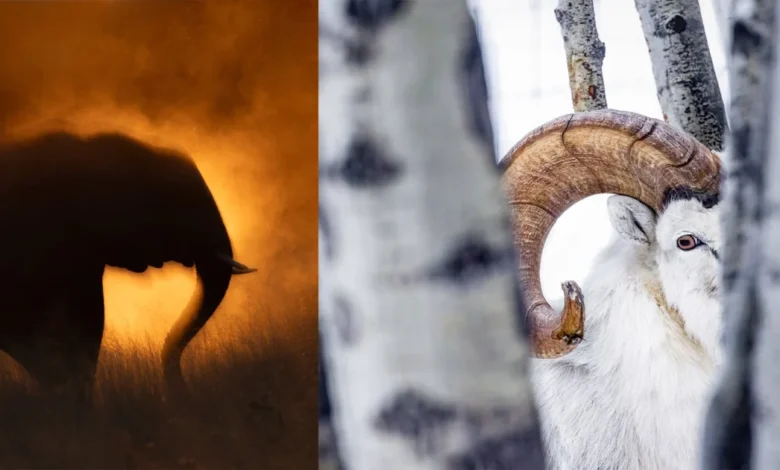
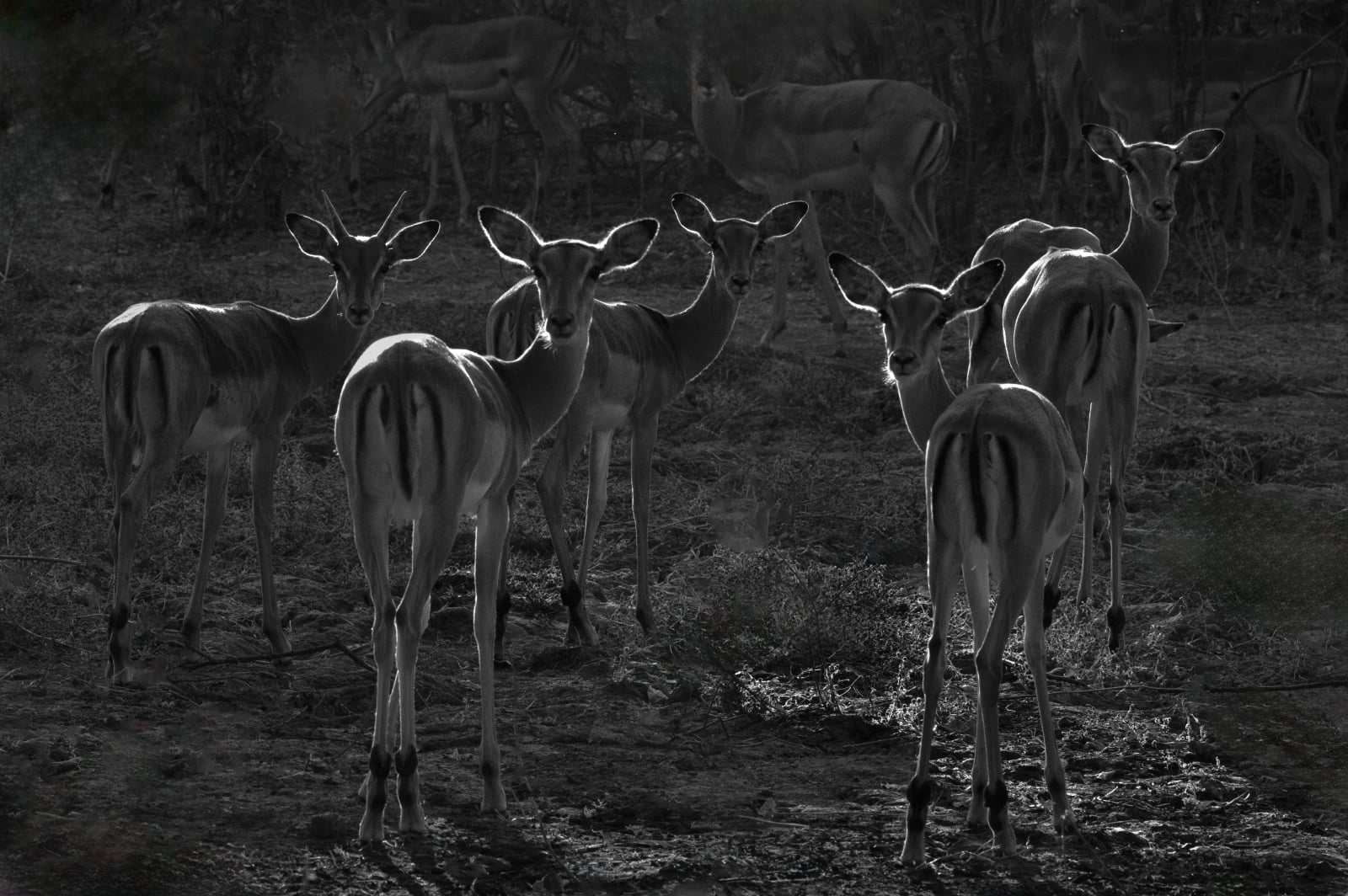
- Shadow and Silhouette: By intentionally underexposing parts of a frame, photographers can isolate shapes and forms, stripping away distracting details to highlight the essence of a subject.
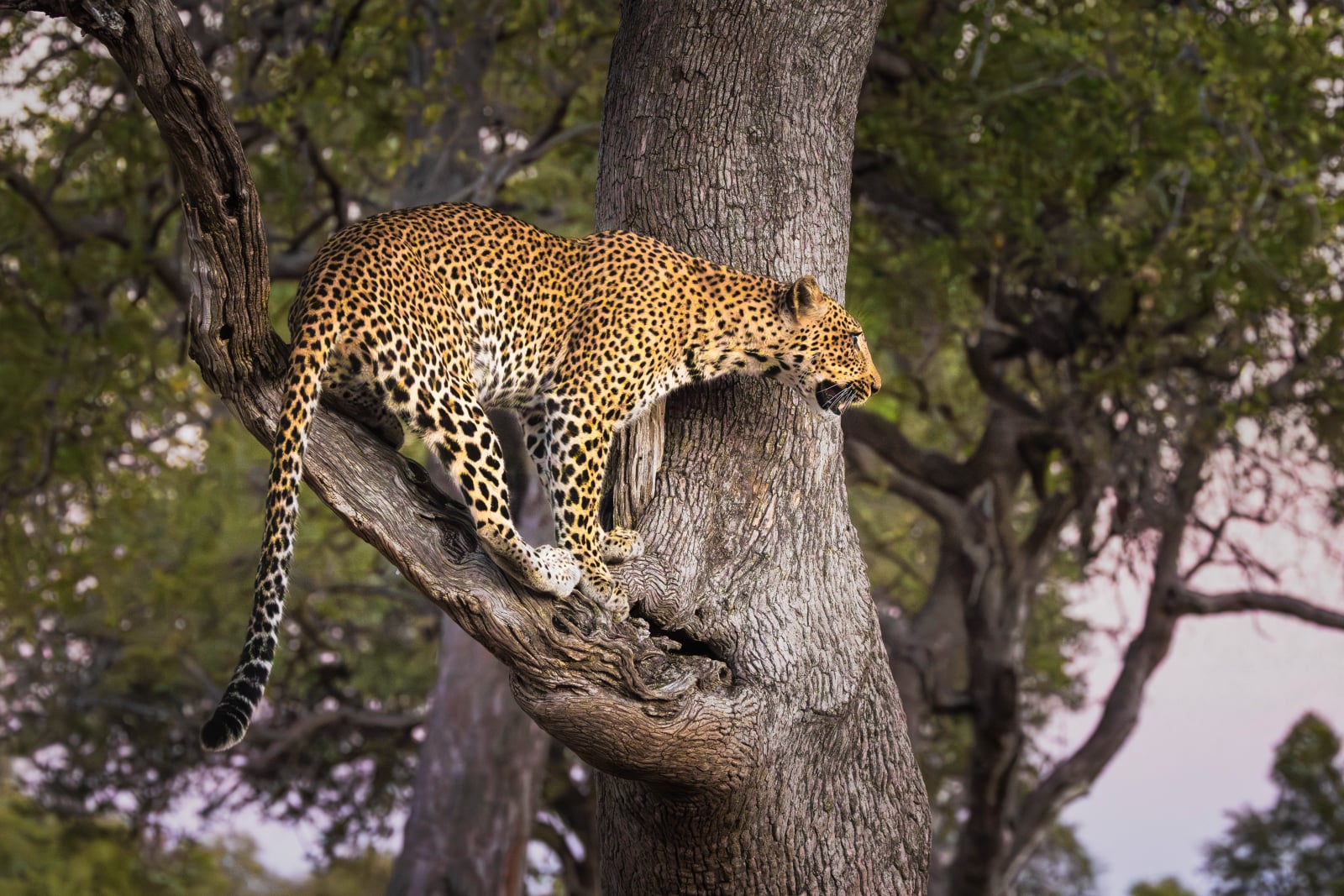
- Shallow Depth of Field: Utilizing wide apertures to render backgrounds as impressionistic blurs provides context without defining it, shifting the focus from the environment to the subject’s emotional state.
- Long Exposures: This technique, often used in coastal or wildlife photography, creates motion blur that transforms tangible subjects into ethereal, ghostly apparitions, effectively bridging the gap between reality and abstraction.
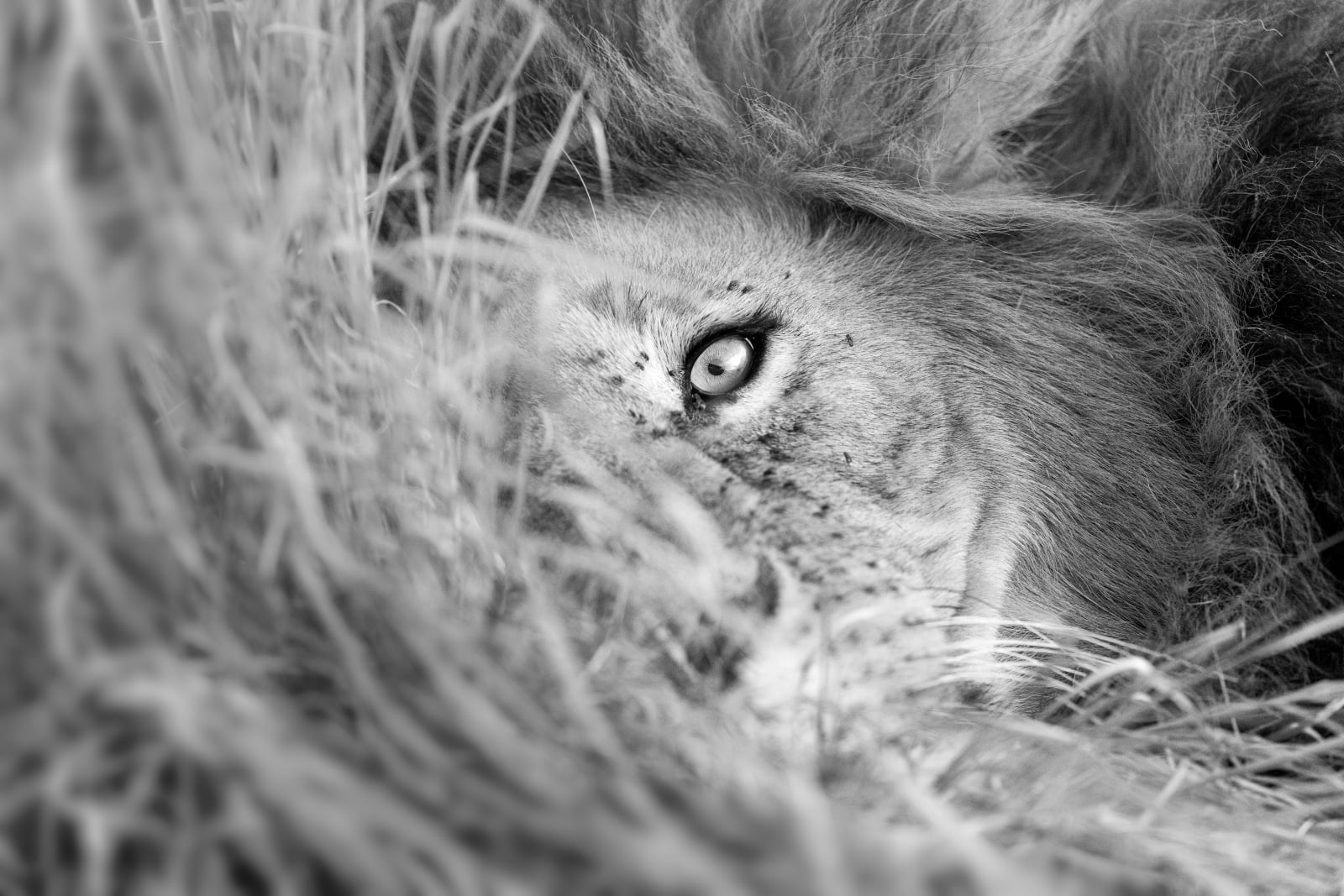
- Partial Framing: Cropping an image to reveal only a segment of a subject—such as a single eye or a partial silhouette—forces the viewer to mentally reconstruct the whole, thereby increasing their investment in the image.
These technical choices are supported by data regarding viewer retention. Analytics from visual media platforms indicate that images featuring complex, layered, or mysterious compositions see a significantly higher "dwell time"—the amount of time a user spends interacting with a specific piece of content—compared to high-clarity, high-definition snapshots that require no mental processing.
The Role of Mystery in the Age of AI
The rise of generative artificial intelligence has created a unique inflection point for photography. AI models are currently capable of producing technically flawless, hyper-realistic imagery that is optimized for instant recognition and consumption. However, these AI-generated outputs often lack the "intentionality" that defines human-made art.

Industry analysts note that while AI can replicate textures and lighting with high fidelity, it struggles with the nuanced application of mystery. Because AI functions on statistical probability, it tends to gravitate toward the most literal interpretation of a prompt. Human photographers, conversely, make deliberate, conscious decisions to exclude information. This act of "artistic defiance"—choosing to omit rather than include—serves as a primary differentiator between algorithmically generated assets and authentic human expression. By embracing the limitations of the medium, photographers can reclaim the "unknowable" as a hallmark of human creativity.
Professional Perspectives and Industry Impact
The discourse surrounding the necessity of mystery in professional photography is gaining traction among industry leaders. Muench Workshops, an organization specializing in high-end photography education, has prioritized this theme in their 2026/2027 outreach, suggesting that the industry is moving away from the "more is more" approach toward a more curated, minimalist philosophy.
"The goal of professional photography in the current landscape is to transition from mere documentation to emotional resonance," notes a representative from the workshop. "When a photographer captures a moment that asks more questions than it answers, they are effectively turning the viewer into a co-creator."
This approach has significant implications for commercial and fine-art photography. As audiences become increasingly desensitized to "perfect" imagery, the value of the "imperfect" or the "incomplete" is rising. The ability to suggest a story rather than explicitly stating it is becoming a competitive advantage for photographers seeking to establish a unique aesthetic identity.
Conclusion: The Enduring Power of the Unseen
Ultimately, the power of mystery lies in its ability to mirror the complexity of the human experience. Life, nature, and interpersonal relationships are rarely black-and-white; they are defined by nuances, hidden layers, and ambiguity. By incorporating these elements into their work, photographers align their output with the reality of the human condition.
Whether through the subtle play of light in a forest or the evocative blur of a long exposure, the objective remains the same: to create an image that persists in the viewer’s consciousness. As the digital landscape continues to evolve, the photographers who successfully leverage the "magic of mystery" will be those who recognize that sometimes, the most effective way to be seen is to show just a little less.

For those interested in exploring these concepts further, Photography Destinations Magazine offers a comprehensive look at these techniques, including field studies from various global locations, which can be requested through the Muench Workshops official portal. The shift toward a more deliberate, thoughtful approach to composition ensures that, despite the advancements in technology, the soul of photography remains firmly rooted in the art of what is left to the imagination.