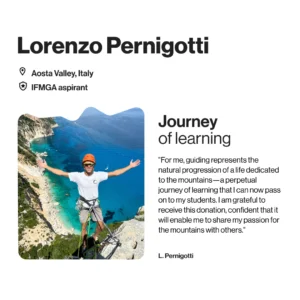
The journey into the professional echelons of outdoor guiding, particularly within the rigorous framework of the American Mountain Guides Association (AMGA) and the International Federation of Mountain Guides Associations (IFMGA), represents a formidable challenge demanding years of unwavering commitment, specialized training, and significant financial investment. For many, the very concept of guiding as a viable career path remains obscure, as it was for Monserrat Alvarez Matehuala six years ago when she first encountered the AMGA. Her initial foray into the outdoor industry stemmed from an undergraduate outdoor recreation program, where rock climbing rapidly transcended a mere hobby to become a central pillar of her life and professional development as an outdoor educator. This burgeoning passion fueled a relentless curiosity about climbing systems, advanced rescue techniques, and the multifaceted dimensions of the sport. It was through the proactive encouragement of her employer that Matehuala pursued and ultimately attained her Single Pitch Instructor (SPI) certification, a foundational step that illuminated a professional pathway she might otherwise not have considered.
The Solitary Path: Navigating Underrepresentation in Outdoor Leadership
Matehuala’s ascent through the ranks of outdoor education and guiding was frequently marked by a profound sense of isolation. "The whole time I was the only one," she recounts, reflecting on her experiences as the sole woman of color in her outdoor program, the only woman on instructor teams, and the only person of color in her Wilderness First Response course. This recurring experience of being "the only one" often coupled with the unofficial title of "the first one," carried a complex emotional weight. Early in her career, the full impact of this distinction remained somewhat opaque, primarily manifesting as a pervasive feeling of "otherness" and a struggle to feel a genuine sense of belonging within these spaces. However, this unique position also presented an undeniable opportunity: to forge a path and "break trail" for the subsequent generations of women of color aspiring to similar roles.
The scarcity of diverse representation became acutely apparent when Matehuala sought mentorship during her certification process. Her deliberate search for women of color within the guiding community yielded a strikingly small number of individuals across the entire country—a group she could "count…on both hands, with fingers to spare." This anecdotal evidence underscores a broader, well-documented issue within the outdoor industry: a significant lack of diversity across all underrepresented identities, from gender and race to socioeconomic background and physical ability. The absence of readily visible role models creates a cyclical barrier, perpetuating the very lack of representation it seeks to overcome.
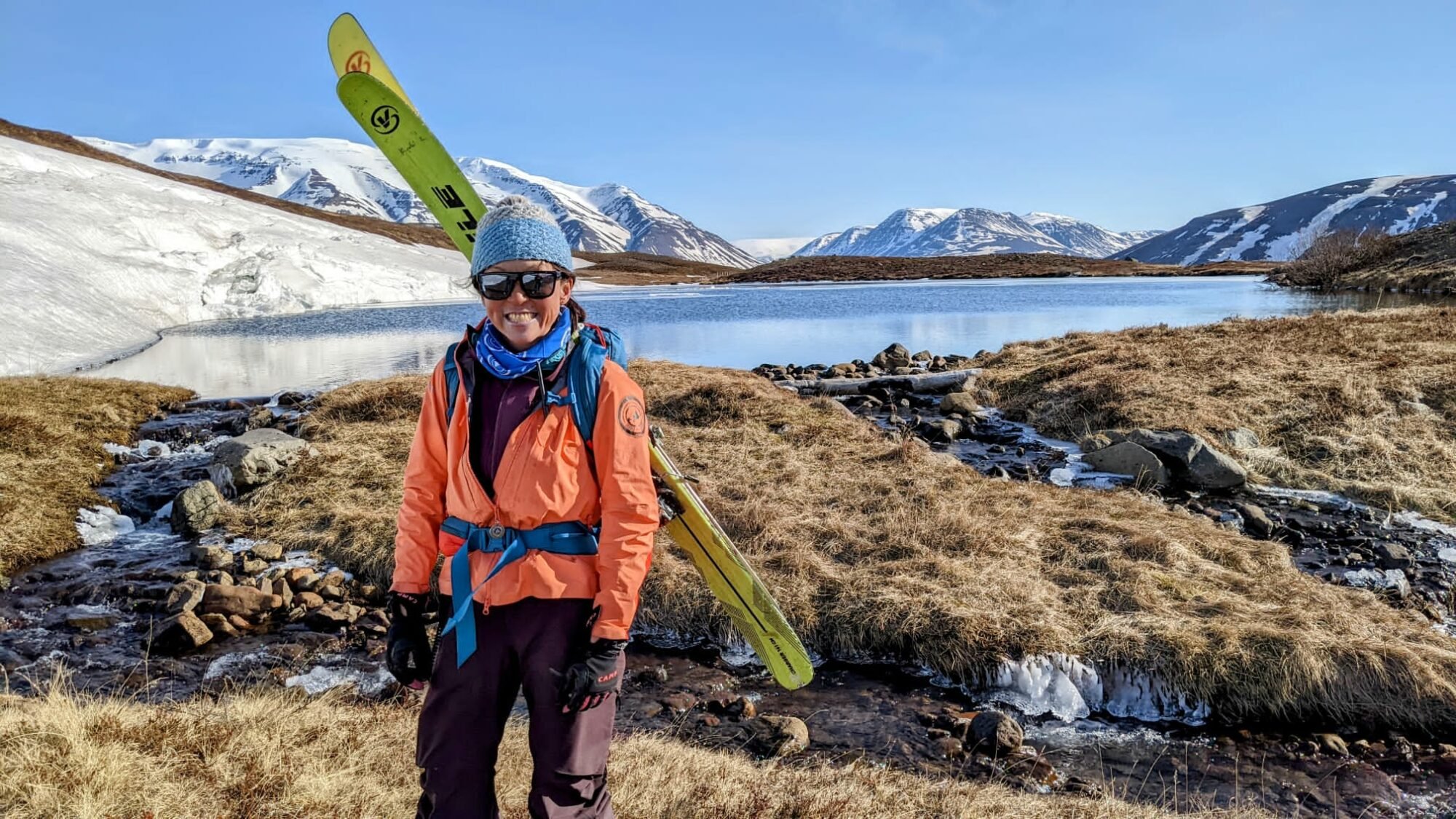
The AMGA and IFMGA: Benchmarks of Global Guiding Excellence
To fully appreciate the significance of achievements within this field, it is crucial to understand the structure and demands of the AMGA and IFMGA certifications. The AMGA is the leading organization for professional mountain guides in the United States, providing training and certification in rock, alpine, and ski guiding. Its highest credential, the AMGA/IFMGA Guide certification, is internationally recognized and allows guides to work worldwide. Achieving this "pin" is a multi-year, often decade-long endeavor that requires an immense investment of time, finances (tens of thousands of dollars for courses, exams, gear, and travel), and unwavering personal commitment.
The process involves a series of progressively difficult programs: an introductory course, an advanced-level course, and a final exam for each discipline (Rock, Alpine, and Ski). Each stage is physically and mentally taxing, demanding not only superior technical skills and judgment but also exceptional client management, risk assessment, and leadership abilities. Candidates must demonstrate mastery across diverse terrains and conditions, often pushing personal limits in challenging environments. The sheer rigor and comprehensive nature of these certifications explain why so few individuals attain the highest level, and why representation from diverse backgrounds remains particularly low. The financial burden, coupled with the time commitment, can be prohibitive for many, especially those from historically marginalized communities who may not have the same access to resources or established networks within the industry.
"You Can’t Be What You Can’t See": The Imperative of Representation
The adage, "you can’t be what you can’t see," resonates deeply within the outdoor and guiding industries. For a 24-year-old Monserrat, embarking on her guiding path, the presence of visible role models was not merely comforting but profoundly inspiring. Seeing women like Azissa Singh, Alejandra Garcés Pozo, Szu-ting Yi, and particularly Norie Kizaki, represented a critical shift. These were the first women of color she encountered in guiding, providing tangible proof that such a career was attainable for individuals like herself.
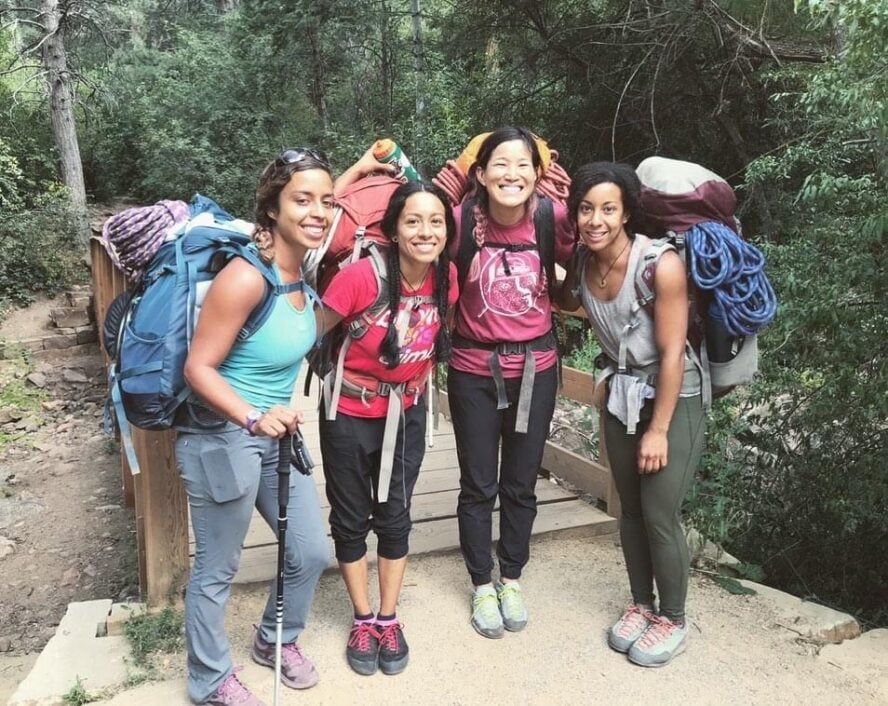
The moment news broke that Norie Kizaki had officially achieved her American Mountain Guide/IFMGA Guide certification, Monserrat was overcome with emotion, experiencing a profound sense of pride that brought her to tears. This accomplishment transcended individual success; it was perceived as a collective triumph for her community. She shared the news with members of Brown Girls Climb, an organization dedicated to centering the leadership of women of color in climbing, and later disseminated Norie’s pinning ceremony speech. Kizaki’s achievement was celebrated as "our achievement," a testament to her representing the rich and complex intersections of her multiple identities as an Asian woman, an immigrant, and now, a world-class guide and mother. This milestone highlighted the urgent need for greater diversity, not just in participation but in leadership roles within the outdoor world.
Norie Kizaki: A Vision Forged in the Mountains
Norie Kizaki’s journey to becoming an IFMGA Guide spans over two decades, beginning with an introduction to guiding at a clinic with Chicks Climbing and Skiing. There, Angela Hawse, herself one of the first women to become an American Mountain Guide and currently the president of the AMGA, imparted invaluable lessons. Kizaki recalls an immediate and powerful connection to the mountains, stating, "I was always inspired in the mountains." The decision to pursue guiding as a career was almost instantaneous, made "right after the course."
However, her path was not without significant hurdles. As an immigrant, Kizaki had to navigate restrictive work visa regulations, which initially prevented her from leaving her established job without jeopardizing her residency in the U.S. It took a year of strategic planning before she could finally commit to her passion, quitting her job to embark on a career in the outdoors. Beyond the logistical and financial challenges inherent in guiding certification, Kizaki faced a deeply personal dilemma: reconciling her ambition to become a world-class guide with her desire to start a family.
The Interplay of Ambition and Motherhood

Kizaki openly shares that being an Asian woman with the aspiration of motherhood and establishing a family presented one of the most significant barriers in her career. She was just three programs away from earning her coveted IFMGA pin, each requiring weeks or months of intensive physical and mental preparation. Yet, she felt the undeniable pressure of her body’s biological clock, perceiving a stark conflict between completing her guide certifications and starting a family. While it is not unheard of for guides to be parents, the prevailing trend, particularly among female guides, is to defer starting a family until after completing their demanding certification programs.
Despite attempts to manage both aspirations concurrently, Kizaki ultimately made the difficult decision to pause her pursuit of the IFMGA pin to embrace a new adventure: becoming a mother in her 40s. This choice, though deeply personal, highlights a systemic challenge for women in highly demanding, physically intensive professions. The industry, often inadvertently, constructs pathways that implicitly favor those who can dedicate uninterrupted years to training and certification, potentially marginalizing those with family responsibilities.
Kizaki’s experience underscores the broader societal pressures faced by women of color and immigrants. She learned to accept that she could not single-handedly "change the world," but instead focused on advocating for herself within her role. This involved showing up authentically every day—as a mother, a guide, and a Japanese-American woman—demonstrating resilience and competence.
Breaking Barriers as an Active Mother
Three years after pausing her certifications, with a toddler now at home, Norie Kizaki returned to her goal with renewed determination. Her perseverance paid off. When asked to describe the moment she learned she had passed her final exam, her excitement was palpable. Driving with her family for an overnight trip, she initially hesitated to answer the ringing phone. Her husband encouraged her, and upon picking up, she erupted in shouts of joy, prompting her son to inquire about the commotion.

In 2021, Norie Kizaki officially became the first Japanese-American and U.S.-based woman of color to be certified as an IFMGA Guide through the AMGA, a distinction made even more remarkable by the fact that she actively pursued and completed her programs while being a mother. This achievement shattered not only racial and gender barriers but also demonstrated the feasibility of balancing a demanding professional career with active parenting within the guiding world.
Looking forward, Kizaki’s vision is centered on "career sustainability" for all guides. She champions a future where every individual, regardless of their background or family status, has the opportunity to build a sustainable career based on their guiding aspirations. This includes ensuring that individuals who wish to start families can do so without compromising their professional development, and that historically underrepresented communities can establish thriving careers as guides. Her goal is to empower everyone with choice and control over their dreams and aspirations, fostering a more inclusive and supportive professional environment.
More Than One: The Collective Impact of Trailblazing
Norie Kizaki has consistently articulated that her primary motivation was not to be "the first one"; in fact, she wished there were already many more like her. She yearns for a world where the guiding community is replete with mothers and people of color. It is precisely this humility and commitment to a broader vision that garners immense admiration from individuals like Monserrat Matehuala.
While Kizaki never actively sought the mantle of being "the first," she willingly embraced the profound responsibility of paving the way for countless others. This dynamic resonates deeply within communities of color, where individuals often find themselves in pioneering roles, carrying the hopes and aspirations of their communities alongside their personal ambitions. This experience, while often arduous and at times stressful, particularly when navigating unfamiliar professional landscapes, can also be reclaimed as an honor. It transforms the feeling of being "the only one" into an acknowledgement of being a trailblazer, bearing the privilege and responsibility of forging new paths and expanding horizons for those who will follow.

Norie Kizaki’s milestone is not merely a personal triumph but a powerful symbol of progress for the entire outdoor industry. It challenges long-standing perceptions, highlights systemic inequities, and, most importantly, provides a tangible and inspiring role model. Her journey underscores the critical importance of diversity in leadership, demonstrating that true excellence and comprehensive representation are not mutually exclusive but mutually reinforcing. As the outdoor industry continues its efforts towards greater inclusivity, figures like Kizaki serve as guiding lights, proving that the mountains, and the professions that serve them, are truly for everyone.