Ilford Photo Unveils Exclusive Delta 400 Professional Collector’s Edition Film to Test Market Demand for Advanced Emulsion Technology

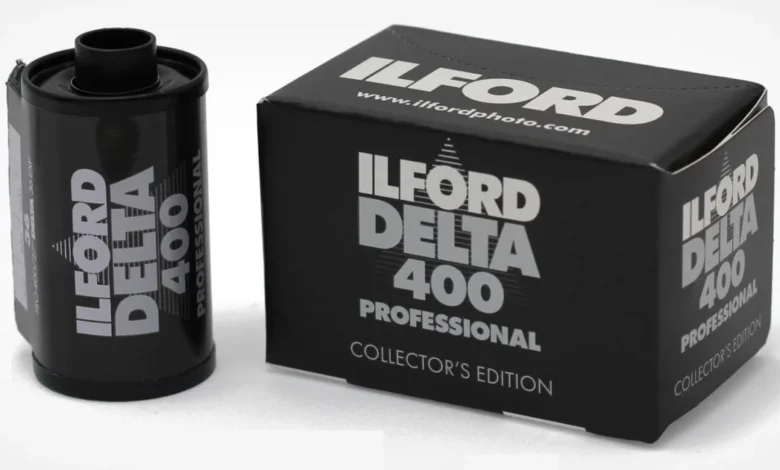
Ilford Photo has officially launched a limited-edition iteration of its iconic black-and-white stock, the Ilford Delta 400 Professional Collector’s Edition. Available exclusively in the 135 (35mm) format, this new release represents a significant technical departure from the standard Delta 400 Professional film that has been a staple in the analog photography community for decades. While the film retains the core characteristics of the original Delta 400—including its renowned speed and processing requirements—it features a modified roll-film base that the company claims offers superior optical performance.
The launch, which has been characterized by the manufacturer as a "limited-time" offering, is currently available only through authorized physical retail locations. This distribution strategy reflects a cautious approach by Ilford to gauge consumer interest in a higher-tier, potentially more expensive manufacturing process.
Technical Innovations and Emulsion Enhancements
The primary distinction between the standard Delta 400 Professional and the Collector’s Edition lies in the underlying substrate. The Collector’s Edition is coated on a clearer roll-film base that incorporates advanced anti-halation protection. In the context of silver-halide photography, an anti-halation layer is a light-absorbing dye or pigment incorporated into the film base or between the base and the emulsion. Its purpose is to prevent light that has passed through the emulsion from reflecting off the back of the film base and scattering back into the emulsion, which causes a "halo" effect around high-contrast highlights.
By refining this layer and utilizing a clearer base, Ilford aims to improve the overall clarity of the negatives. According to preliminary data provided by the manufacturer, the new iteration offers measurable enhancements in dynamic range, shadow detail, and overall edge sharpness. These factors are critical for modern photographers who frequently scan their negatives, as a clearer base and reduced halation allow for a cleaner digital file with higher resolution and less noise in the shadows.
A Strategic Market Trial
The decision to brand the product as a "Collector’s Edition" while simultaneously framing it as a market test underscores a deliberate strategy by Ilford to navigate the complexities of modern film manufacturing costs. In an era where the analog market is experiencing a resurgence, manufacturers are balancing the rising costs of raw materials—such as high-purity silver and specialized chemical stabilizers—against the purchasing power of their customer base.
Ilford representatives have indicated on social media channels that the limited release is designed to collect qualitative feedback from the photography community. If the reception proves positive, the company has expressed a willingness to transition the product into its permanent, mass-produced catalog. However, they have been transparent regarding the potential economic realities of such a move. The integration of the specialized anti-halation layer involves more complex coating processes than standard film production, which would inevitably result in a higher retail price point compared to the existing Delta 400 Professional.
The Evolution of the Delta Lineup
The Delta range, first introduced by Ilford in the early 1990s, was designed to compete with the tabular-grain (T-grain) technology championed by competitors like Kodak and Fujifilm. Delta 400 has long been praised for its fine grain structure, which is achieved through the use of core-shell crystal technology. This technology allows for higher light sensitivity while maintaining a grain structure comparable to slower films.
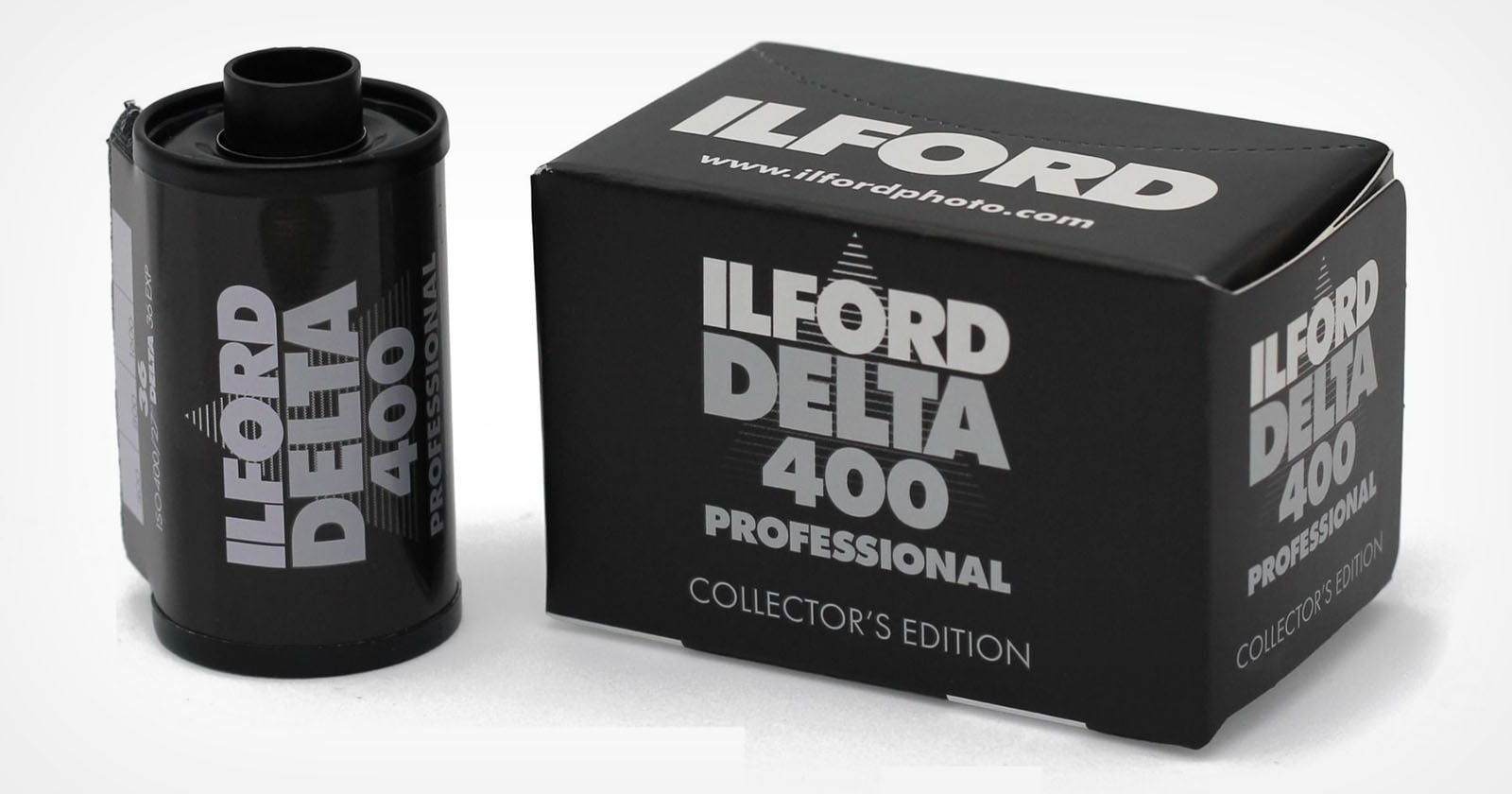
The introduction of the Collector’s Edition marks the first time that this specific, high-performance base has been utilized in the company’s 35mm range. Historically, such specialized bases were often reserved for roll-film (120) or sheet-film formats, where the larger negative size makes optical clarity even more paramount. By bringing this technology to 35mm, Ilford is essentially providing 35mm shooters with an image quality profile that was previously only accessible in larger formats.
Industry Implications and Future Outlook
The broader implications of this release extend beyond the immediate availability of a new film stock. For the analog photography industry, which has seen a steady increase in demand over the last decade, this test represents a shift in how legacy companies approach product development. Instead of full-scale rollouts that require significant capital expenditure, companies are increasingly utilizing "limited-edition" drops to gather real-world performance data and demand signals from a specialized user base.
If the Collector’s Edition succeeds, it could set a precedent for other film manufacturers to introduce "premium" tiers of their existing stocks. This tiering structure is common in the digital camera market, where "Pro" or "Master" series lenses are marketed alongside standard equivalents. In the world of film, this could lead to a diversification of products where photographers can choose between standard stocks for everyday use and "premium" stocks for high-contrast or high-resolution requirements.
Procurement and Availability
As of the current market cycle, the film is priced at $15.19 per roll. Notably, the product is being restricted to in-store sales at authorized retailers. This move is likely intended to support independent camera shops—a vital component of the analog ecosystem—and to prevent bulk-buying by speculative resellers, ensuring the film reaches active photographers who will actually shoot and share their results.
The restriction to "in-store only" purchasing is a significant deviation from the direct-to-consumer model that many manufacturers have adopted in recent years. It suggests that Ilford is prioritizing the brick-and-mortar retail experience, which often provides a higher level of community engagement and technical support for analog users.
Conclusion: A Barometer for the Analog Resurgence
The launch of the Ilford Delta 400 Professional Collector’s Edition is more than just a new product; it is a barometer for the health and maturity of the film photography market. By offering a high-performance, higher-cost product to see if the market will support it, Ilford is inviting the community to participate in the future of the medium.
Whether this becomes a standard fixture in the Ilford lineup depends on a convergence of factors: the tangible performance difference observed by users, the price elasticity of the film-buying public, and the long-term sustainability of the specialized manufacturing processes required to produce it. For now, the photography community remains in a wait-and-see period, with many experts in the industry watching the sales velocity of these limited units to predict the viability of future high-end, silver-halide innovation. If successful, the Collector’s Edition could represent a new chapter in the evolution of black-and-white film, blending classic chemical photography with modern, high-precision manufacturing standards.