Pedaling Through the Lowlands: A Comprehensive Guide to Family Cycling Adventures Across the Netherlands

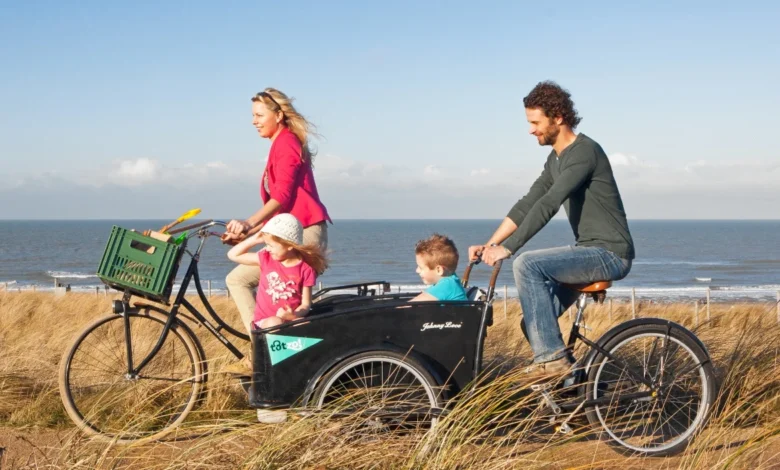
The Netherlands has long maintained its status as the global epicenter for cycling infrastructure, offering an estimated 23,000 miles of dedicated bike paths that frequently operate independently of motorized traffic lanes with specialized signaling systems. For families seeking an active, immersive vacation, traversing the Dutch landscape on two wheels transforms transit into the primary attraction. Rather than navigating the logistical hurdles of automobile rentals and highway navigation, international travelers increasingly opt to emulate local customs by utilizing a nationwide network of cycle paths, cargo bikes, and rail connections. This mode of travel allows for spontaneous stops at artisanal cheese shops, local bakeries serving fresh waffles, and historic windmills, turning a routine holiday into a culturally rich expedition suitable for travelers of all ages.
Strategic Planning and Choosing a Home Base
While capital itineraries traditionally focus on Amsterdam, experienced family travel planners frequently recommend establishing a secondary base in cities such as The Hague. Positioned strategically along the country’s western coast, The Hague provides a slightly more relaxed urban environment while maintaining proximity to major cultural institutions, coastal shores, and neighboring historic towns.
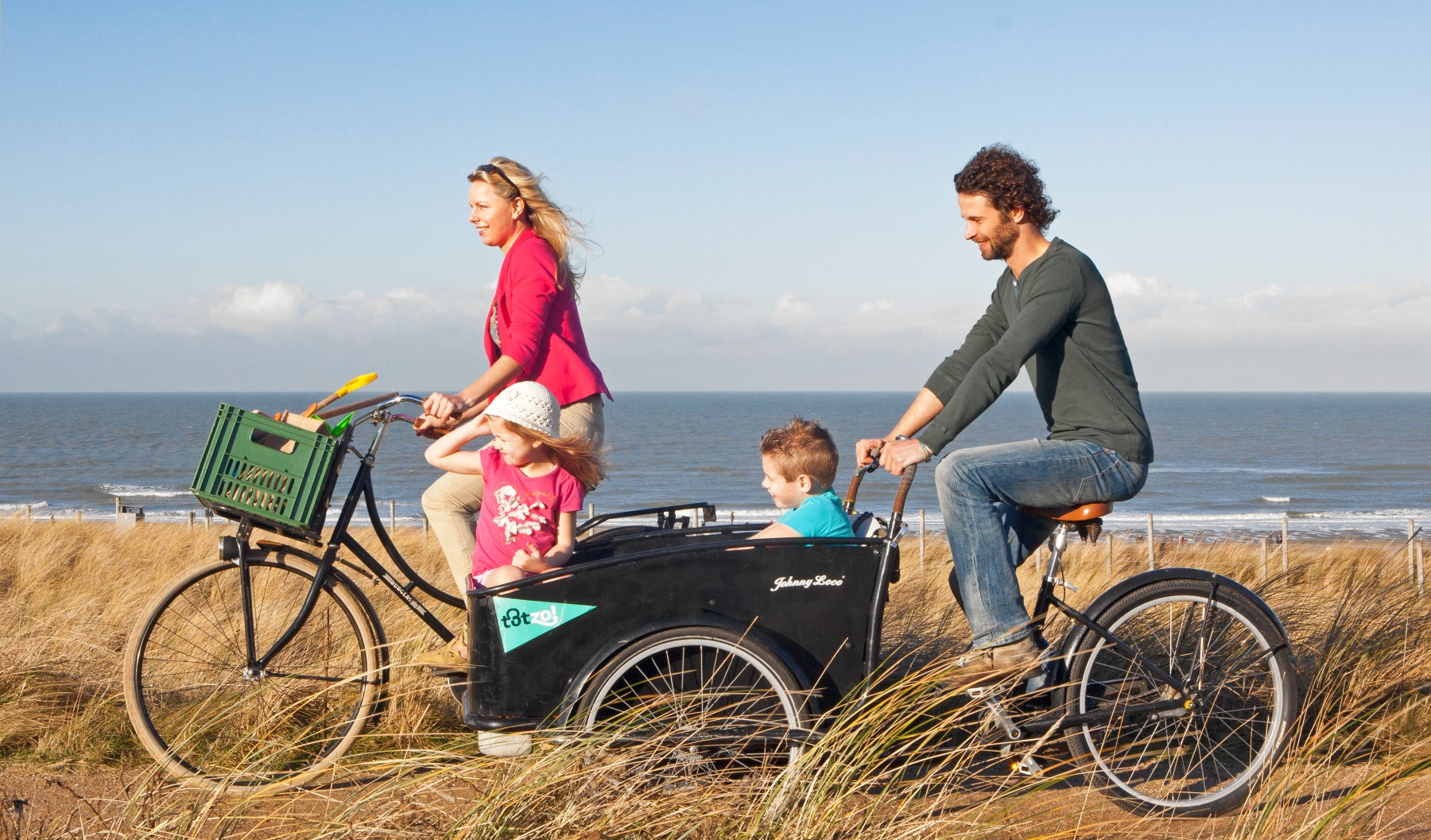
For visitors arriving with toddlers or school-aged children, the logistical transition into Dutch cycling culture is remarkably seamless. Rental agencies across urban centers specialize in family-oriented equipment, ranging from rear-mounted child safety seats to traditional Dutch cargo bicycles, locally known as bakfiets, which securely house multiple children and equipment in a forward-facing wooden compartment. This infrastructure is underpinned by decades of urban planning prioritizing non-motorized transport, resulting in a traffic environment where safety and accessibility are paramount.
Cultural Itineraries in and Around The Hague
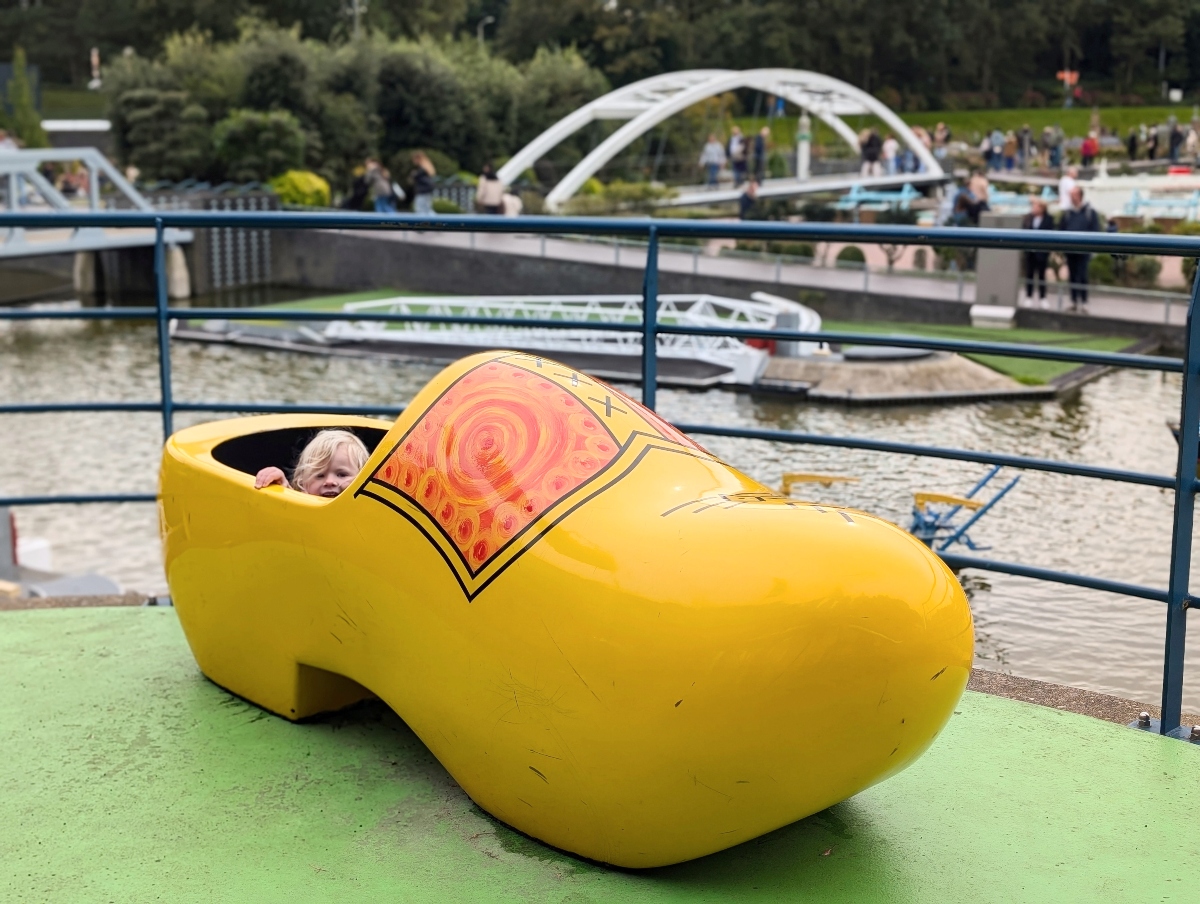
Jet lag recovery for incoming families often begins with dynamic, low-stress outdoor excursions. Madurodam, located approximately ten minutes from the center of The Hague, offers an interactive introduction to Dutch geography and architecture. The miniature park features scale models of the nation’s defining landmarks, allowing younger visitors to interact with functional waterways, automated cargo locks, and miniature railway systems.
For art enthusiasts and older children, the city houses world-class collections within manageable distances. The Mauritshuis museum exhibits masterworks of the Dutch Golden Age, including Johannes Vermeer’s renowned Girl with a Pearl Earring. Simultaneously, Escher in Het Paleis presents the optical illusions and geometric tessellations of graphic artist M.C. Escher in a former royal winter palace, providing visual engagement that crosses generational divides.
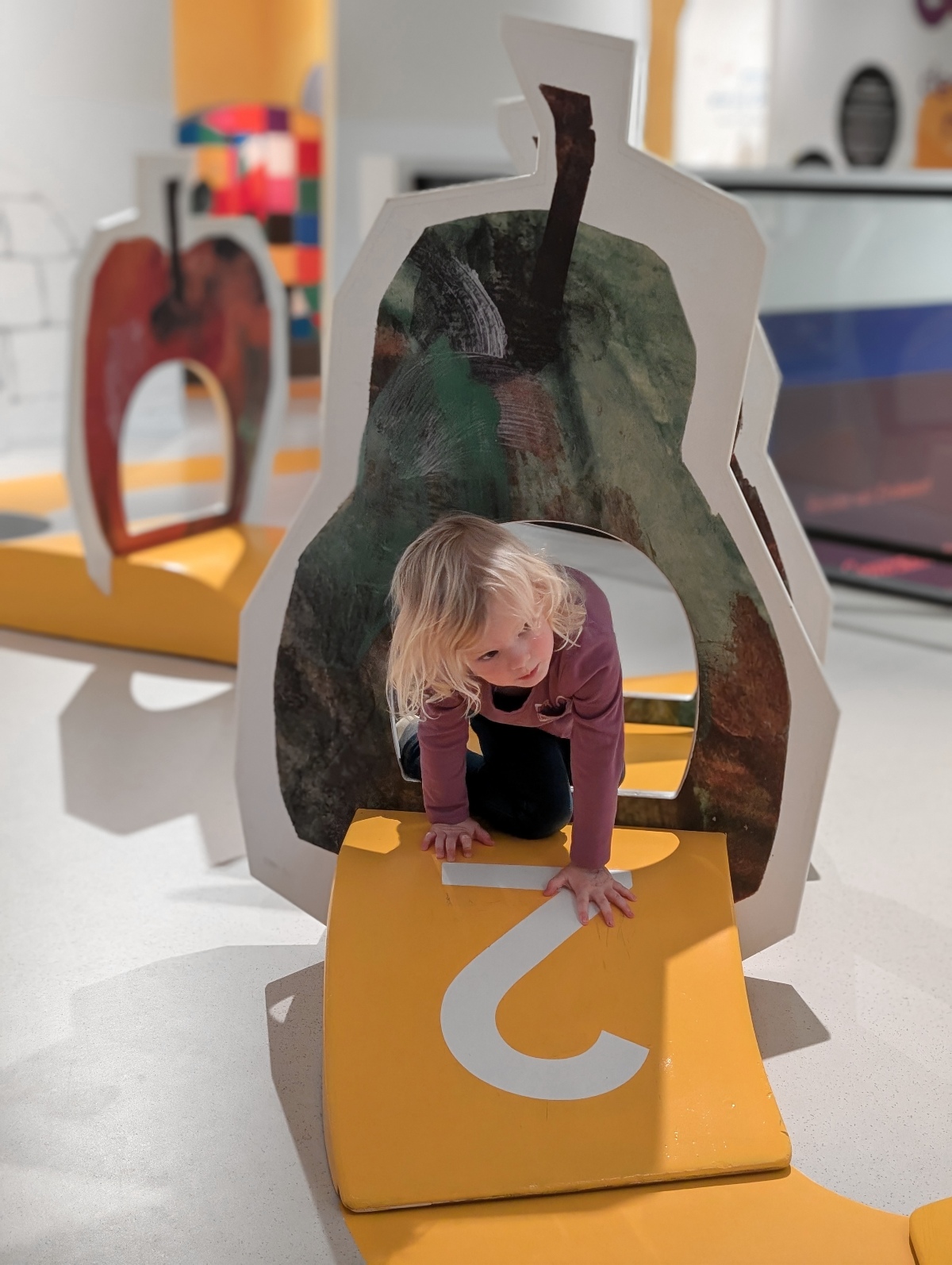
Culinary traditions in the region are equally accessible. Stops at local pavilions within the Haagse Bos park allow families to sample poffertjes—traditional small, fluffy pancakes dusted with powdered sugar and butter—while urban green spaces offer ample room for unstructured play. Furthermore, literary traditions are celebrated locally at the Children’s Book Museum, hosted within the Royal Library complex, where immersive exhibits invite young readers to physically step into the illustrations of internationally recognized characters such as Eric Carle’s Very Hungry Caterpillar and Dick Bruna’s Miffy.
Coastal Excursions and Seaside Respite
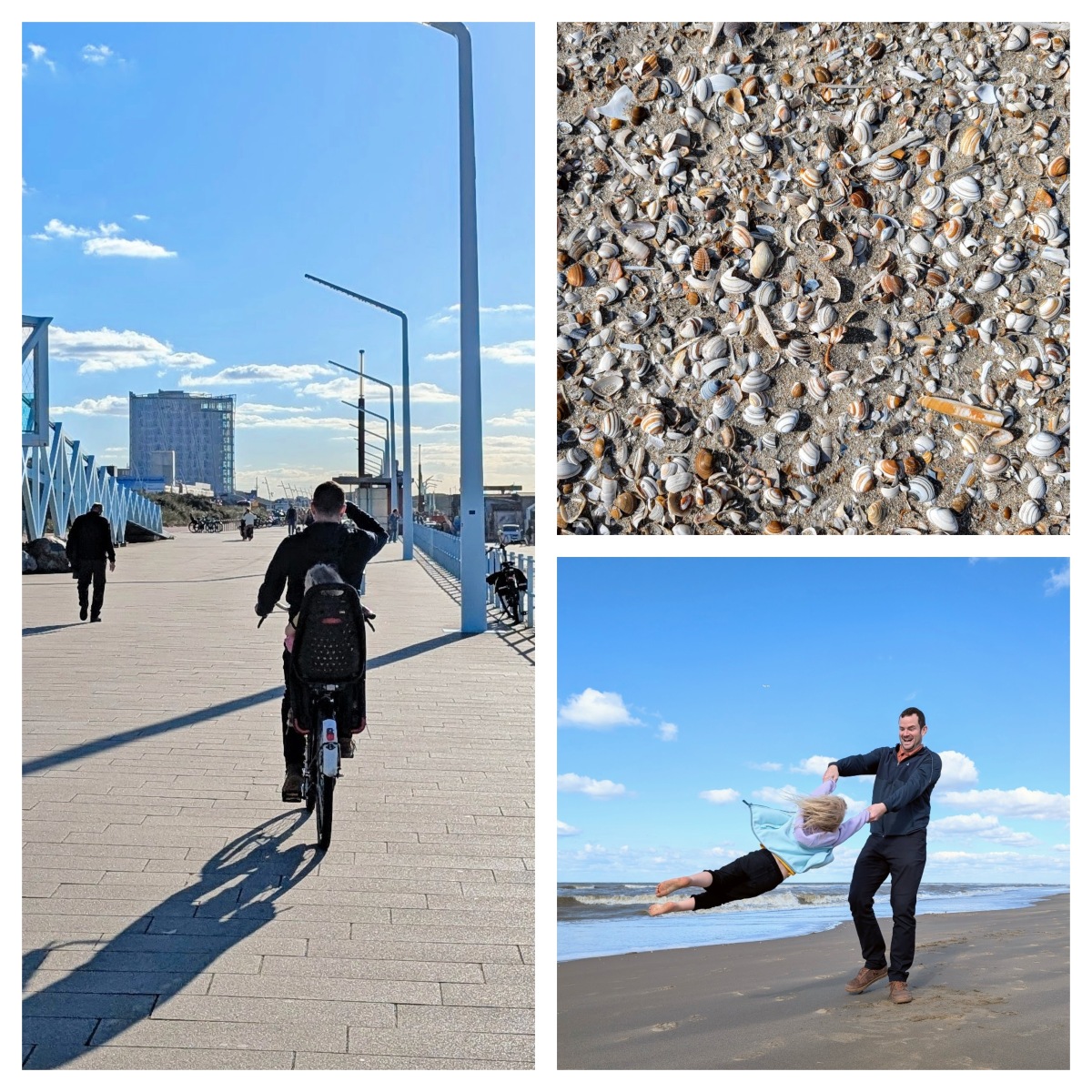
A comprehensive exploration of the region necessitates venturing beyond urban boundaries toward the North Sea coast. The seaside district of Scheveningen, situated roughly a 25-minute bicycle ride from central The Hague, provides a stark contrast to the interior canal networks. The coastal approach leads cyclists through protected dune landscapes characterized by rolling topography and native flora, managed carefully by regional environmental authorities to balance tourism with ecological preservation.
Upon reaching the shoreline, wide sandy beaches provide ample space for shell collecting and coastal recreation. The historic Scheveningen Pier features seasonal attractions, including bungee jumping and ziplining during warmer months, alongside a permanent, enclosed observation wheel that offers panoramic views of the North Sea coastline. Local beachside dining establishments cater to family groups, offering regional seafood specialties alongside refreshments.
Historic Streetscapes and Craftsmanship in Delft
Continuing south from the administrative capital, a thirty-five-minute cycle along dedicated regional paths brings travelers to Delft, a city internationally renowned for its 17th-century architecture and the production of hand-painted blue-and-white ceramics, known historically as Delftware. The urban layout remains largely preserved from the medieval era, defined by narrow canals flanked by historic gabled townhouses and floral displays.
The architectural landscape of Delft is anchored by landmarks such as Molen de Roos, a fully operational 17th-century windmill open for public exploration. Visitors can ascend the interior levels to observe the milling machinery in action and purchase stone-ground flours directly from the ground-floor mercantile. Culinary stops in the historic center, such as the canal-side Stads-Koffyhuis, specialize in traditional Dutch refreshments, offering customized hot chocolates and local pastries.
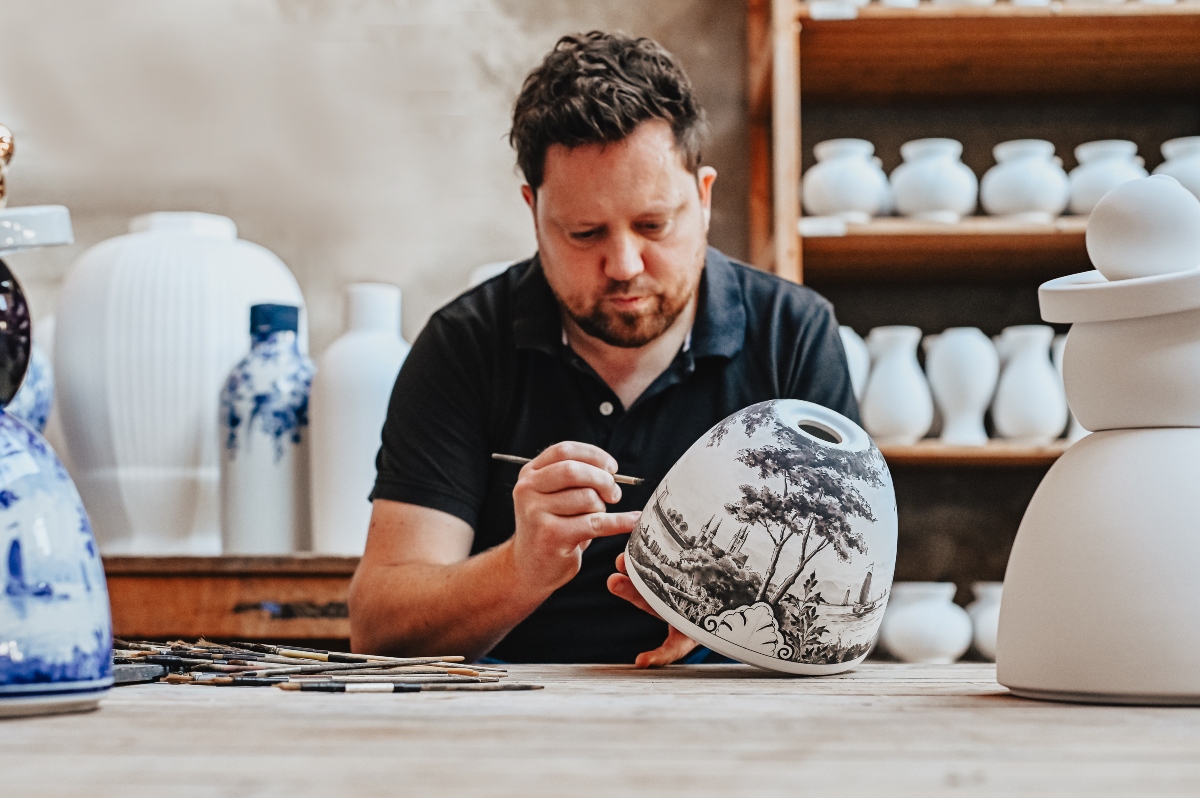
For those interested in industrial heritage, the Royal Delft factory and museum provides insight into the meticulous craftsmanship required to produce authentic Delftware. Master artisans demonstrate the hand-painting techniques passed down through generations, offering an educational window into the economic history of the Dutch East India Company era, which initially popularized Chinese porcelain imports that local artisans subsequently adapted into a distinct domestic style.
Expanding the Journey: Capital Explorations in Amsterdam
For families electing to base their journey in Amsterdam, the cycling infrastructure remains equally robust, serving as the central artery for daily transit. The city’s central location facilitates a variety of day-trip excursions accessible within an hour of pedaling or via integrated rail-and-bike transit systems.
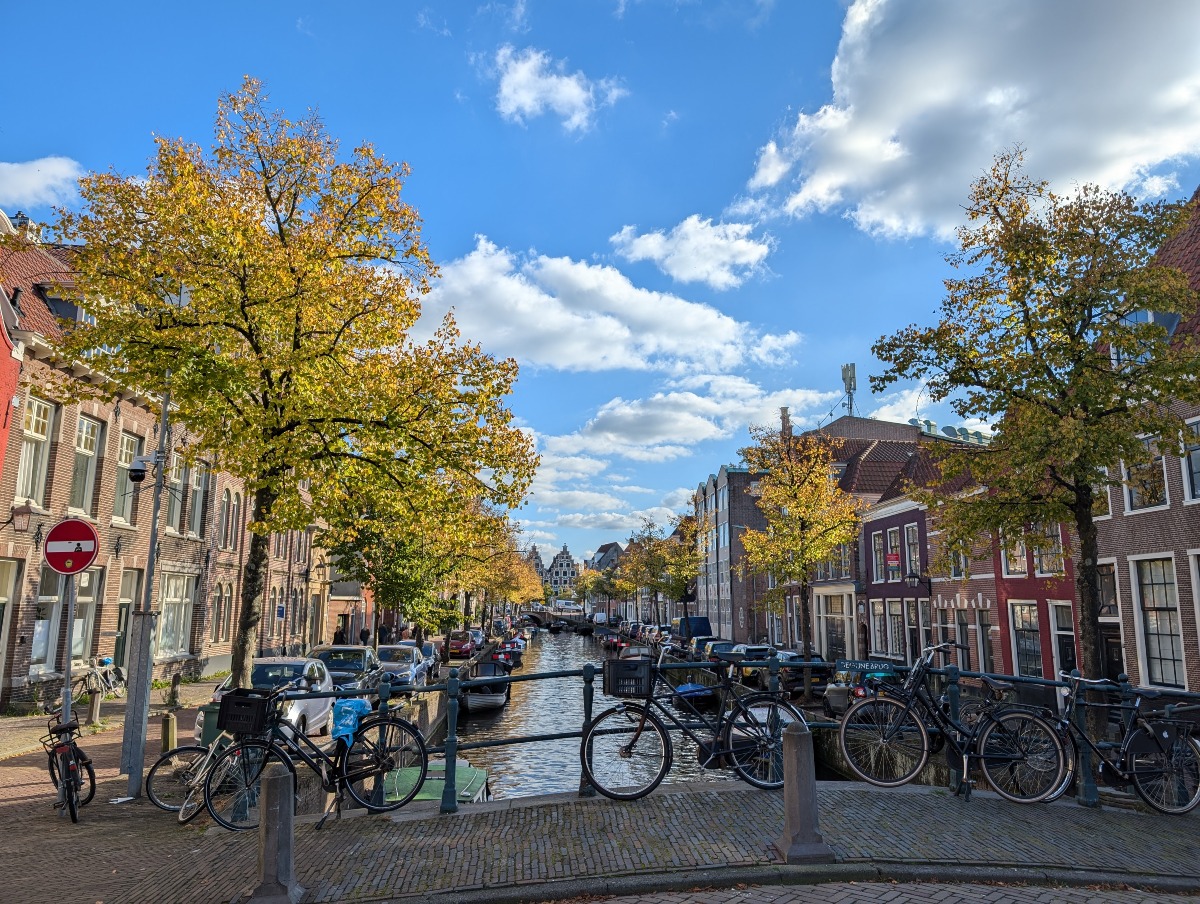
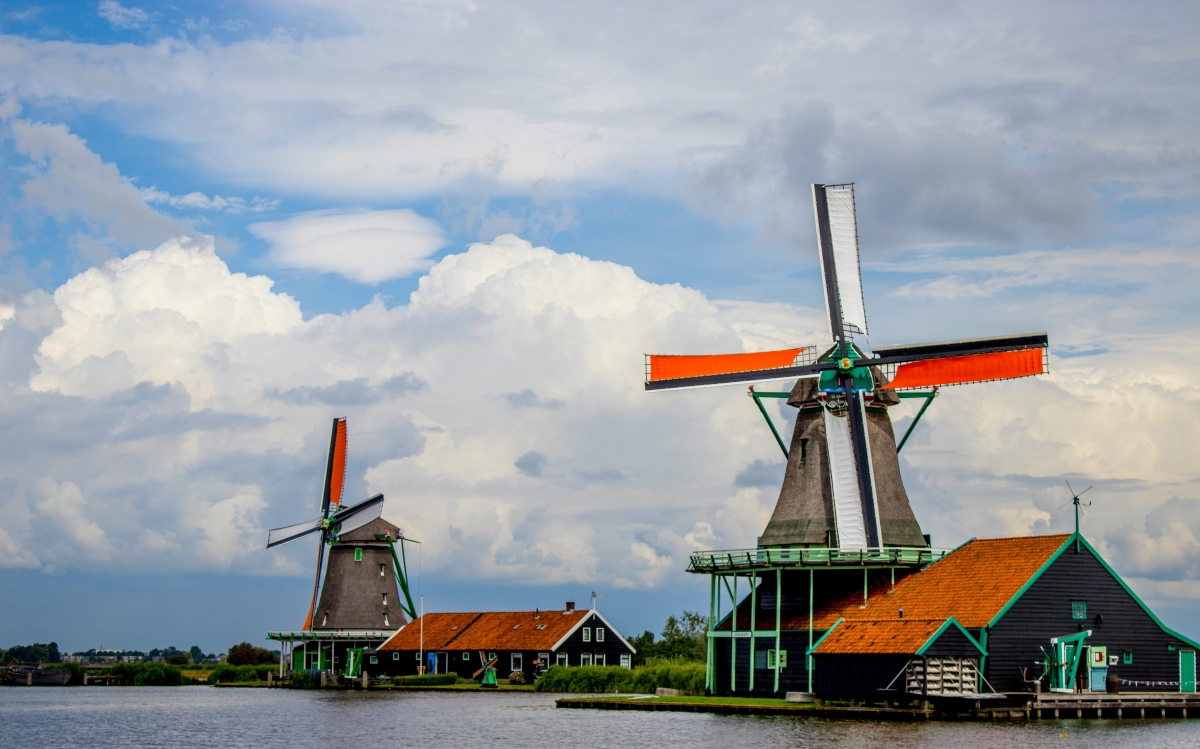
Zaanse Schans, situated approximately an hour north of the capital, operates as an open-air conservation area and living museum. The site preserves traditional Zaan-style wooden houses, operational windmills historically used for industrial manufacturing, and historical trade demonstrations ranging from clog-making to cheese production. These installations provide a tangible historical record of the pre-industrial Dutch economy, which relied heavily on wind and water power.
Within the urban core of Amsterdam, expansive green spaces provide essential recreational relief for visiting families. Vondelpark, located near the cultural museum district, features extensive network paths, children’s wading pools, open-air theaters, and numerous cafes. Similarly, Amstelpark in the southern district houses specialized horticultural gardens, extensive playground facilities, and a miniature railway that operates during the spring and summer operating seasons.
Accommodation Infrastructure and Hospitality Standards
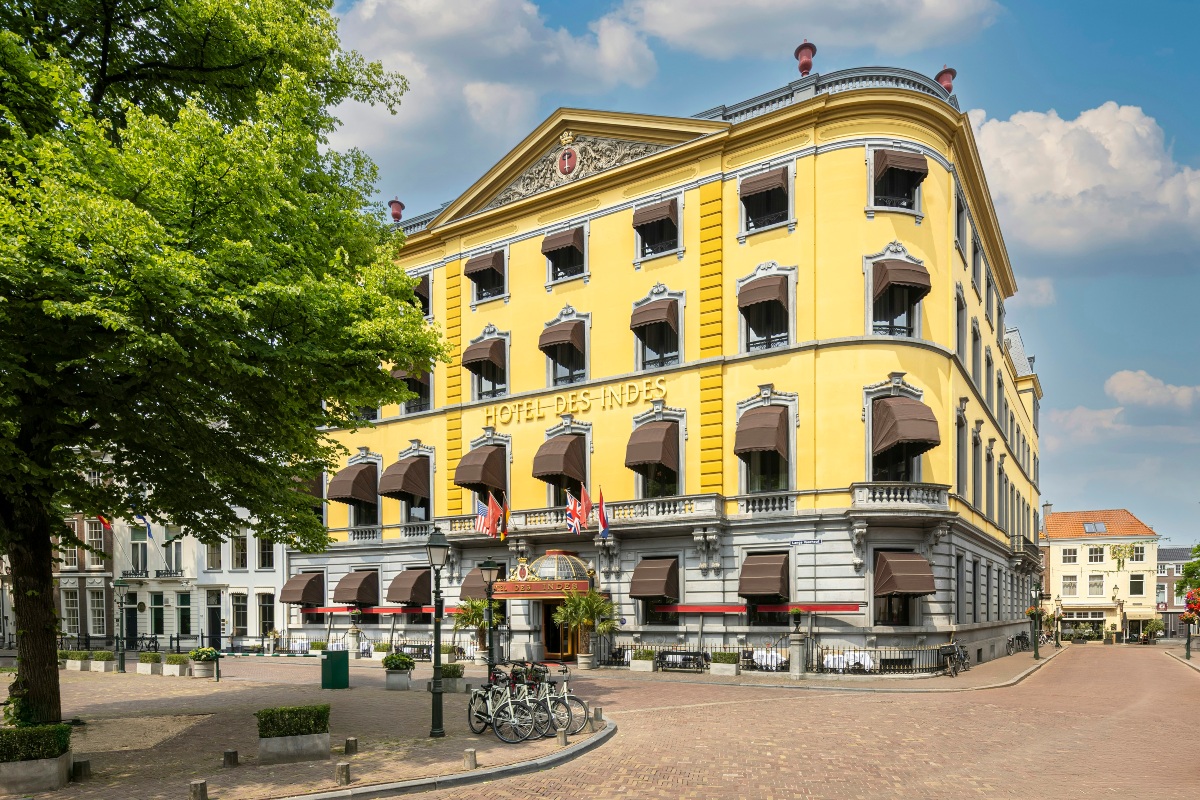
The hospitality sector across the Netherlands has adapted significantly to accommodate the rising demand for high-end family travel. Historic properties have modernized their offerings without compromising architectural integrity. In The Hague, the Hotel des Indes—originally constructed in 1858 as a private salon for a Dutch baron—exemplifies this standard. Located on the central Lange Voorhout, the property features ornate interior architecture, extensive wellness facilities, and specialized family-connecting suites designed to accommodate multi-generational travel parties comfortably.
Similarly, in central Amsterdam, grand luxury properties such as De L’Europe Amsterdam occupy prime positions along the Amstel River. These establishments have introduced specialized family programming, ranging from bespoke children’s amenities to integrated bicycle rental operations situated directly on-site. The inclusion of multi-room suites and specialized wings, such as the creative-partnership suites developed in collaboration with local cultural institutions like the Van Gogh Museum, reflects a broader industry trend toward experiential luxury travel that caters to families seeking both cultural depth and physical comfort.
Broader Economic and Tourism Implications
The ongoing rise of family-oriented cycling tourism in the Netherlands reflects broader European shifts toward sustainable travel models. Municipal investments in separated bicycle infrastructure, green transit corridors, and traffic-calmed urban zones have not only improved the quality of life for residents but have also created a resilient economic sector driven by active tourism.
Industry analysts note that destinations prioritizing non-motorized transit tend to experience longer average visitor stays and higher engagement with local independent merchants, as travelers navigating by bicycle naturally patronize neighborhood cafes, artisan workshops, and boutique retailers that lie outside major vehicular tourist corridors. As national and municipal authorities continue to expand cycling networks—with ongoing investments in high-capacity bicycle parking facilities and regional cycle superhighways—the Netherlands remains the benchmark for sustainable, multi-generational adventure travel.
Related posts: