Eid al-Adha: A Comprehensive Examination of the Islamic World’s Most Significant Observance

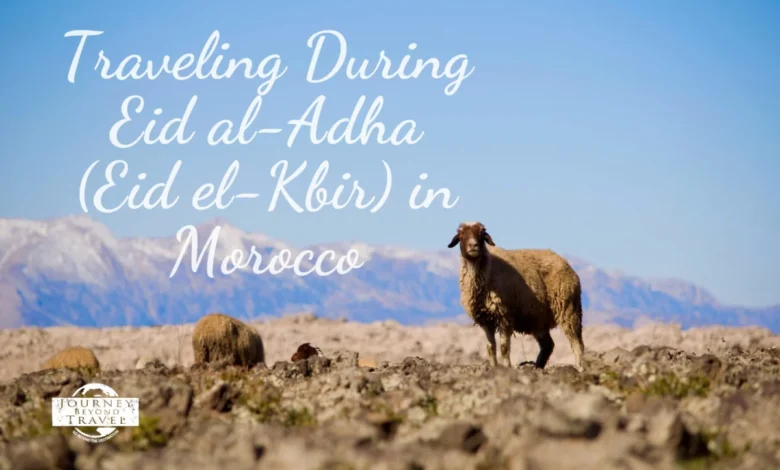
Eid al-Adha, frequently referred to as the Festival of Sacrifice, stands as the most prominent religious holiday within the Islamic calendar. Occurring exactly two lunar months after the conclusion of Ramadan, this multi-day observance commemorates the profound devotion of Prophet Ibrahim—known as Abraham in the Judeo-Christian tradition—and his willingness to sacrifice his son in obedience to a divine command. In Islamic tradition, the son is identified as Ismael, while the Old Testament identifies the figure as Isaac. Regardless of the regional nomenclature, whether it be the widely recognized Eid el-Kbir (The Big Holiday) or the French-influenced la fête du mouton (the sheep festival), the core tenets of the event remain centered on faith, sacrifice, and communal charity.
Historical and Theological Context
The origins of Eid al-Adha are rooted in the Quranic narrative of Ibrahim’s unwavering commitment to God. As the story is recounted, Ibrahim was commanded in a dream to sacrifice his son as a test of his faith. Upon his willingness to carry out the act, divine intervention replaced the child with a ram, sparing the boy and establishing the tradition of animal sacrifice. Today, this narrative serves as a spiritual foundation for millions of Muslims, emphasizing the importance of submission to the divine, the value of life, and the duty to support the marginalized.
While the holiday is intrinsically religious, it has evolved into a significant socio-economic event. It functions as a period of national unity, akin to major secular holidays in the West, characterized by large-scale travel, intense consumer activity, and a focus on familial reconciliation.
Chronology and Preparatory Traditions
The lead-up to Eid al-Adha is marked by a period of intense preparation. In many nations, particularly across North Africa and the Middle East, the presence of livestock becomes a ubiquitous feature of the urban landscape. As the holiday approaches, sheep and goats are transported from rural pastures to city centers, filling residential neighborhoods.
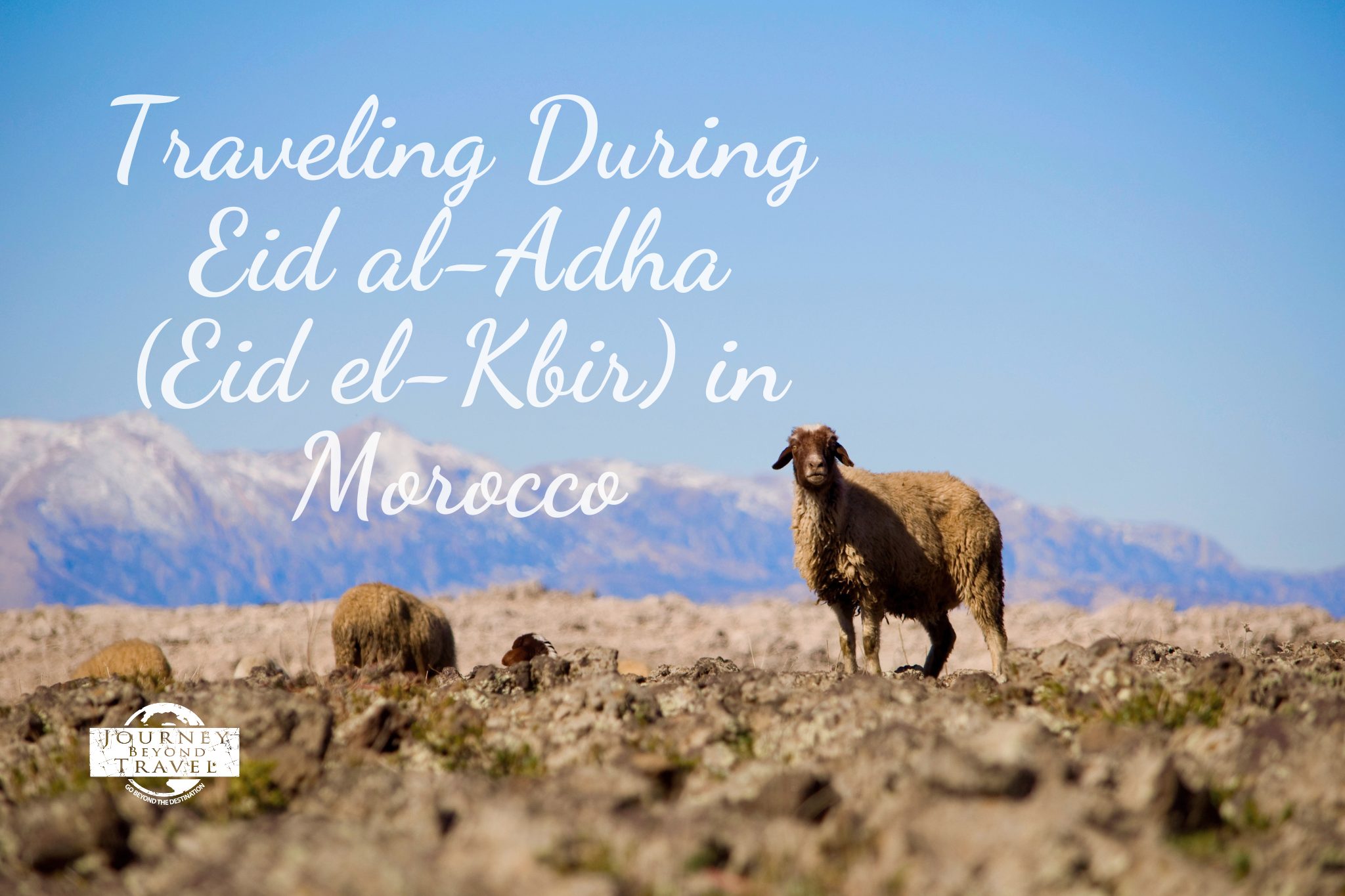
This phase is not merely logistical; it is a cultural phenomenon. Families carefully select their livestock, which are often kept in households or residential courtyards in the days preceding the festival. This practice reinforces the symbolic connection between the household and the sacrifice, as the animal becomes an temporary, integral member of the family unit.
The Ritual of Sacrifice and Utilization
The first day of the holiday begins with a communal prayer, followed by the ritual slaughter of the animal, performed in accordance with halal guidelines. This process is strictly regulated to ensure the welfare of the animal and adherence to religious mandates.
The logistical reality of the day is demanding. Professional butchers often travel between households to assist with the ritual, as the sheer volume of sacrifices requires specialized skill. Following the slaughter, the utilization of the animal is comprehensive. In many traditional settings, nothing is wasted. From the hide to the offal, every component of the sheep is processed. This zero-waste approach is deeply embedded in the cultural fabric of the holiday, reflecting a respect for the life sacrificed and a practical necessity in many communities.
Charity is the final, and perhaps most significant, pillar of the day. Islamic tradition dictates that one-third of the meat should be distributed to the poor, one-third to friends and neighbors, and one-third retained for the immediate family. This mandate ensures that even the most impoverished members of society are able to participate in the celebratory meals, reinforcing the social safety net that the holiday is intended to provide.
Culinary Traditions: A Three-Day Gastronomic Map
The dietary customs of Eid al-Adha are highly structured and vary by region, though they remain consistent in their focus on utilizing the fresh meat.

Day One: The Organs and Offal
The immediate focus after the sacrifice is on parts of the animal that perish most quickly. Dishes such as kebda charmoula—liver seasoned with cumin, paprika, garlic, and parsley—are standard. As evening falls, families prepare boul fev or kersha, which utilize the stomach and intestines. These dishes are often prepared using specialized spice blends that reflect the unique culinary heritage of the region.
Day Two: The Main Feast
The second day is characterized by large, communal gatherings. The centerpiece is frequently a massive platter of couscous, topped with the head or feet of the sheep, which are considered delicacies. The soup known as shorba, made from the kidneys or other secondary organs, provides a lighter, nutrient-dense meal for dinner, often served with vermicelli and aromatics.
Day Three: Slow-Cooked Specialties
By the third day, the focus shifts to more labor-intensive dishes. Mhammar, consisting of lamb chops marinated in smen (a pungent, clarified, aged butter) and an array of spices like turmeric and coriander, is a staple. Another signature dish is mrrozeya, a slow-cooked tagine featuring the neck of the sheep, honey, raisins, and almonds. This dish demonstrates the sophisticated balance of sweet and savory that defines much of the region’s high-end traditional cuisine.
Socio-Economic Implications and Traveler Impact
For the casual traveler or international visitor, the days surrounding Eid al-Adha offer a dual reality. On one hand, it is a period of extraordinary hospitality. Being invited into a home during the holiday is a transformative experience, offering an intimate look at the cohesion of family structures.
However, the logistical challenges are significant. The mass movement of populations—as millions of citizens return to their ancestral homes—results in extreme pressure on transportation infrastructure. Roadways become congested, train lines operate at maximum capacity, and, in many instances, public transport systems effectively cease operation.

From an economic perspective, the holiday triggers a massive influx of capital into the agricultural sector. The price of livestock fluctuates based on market demand, and the retail sector sees a surge in spending for traditional clothing, spices, and household goods. Analysts note that this period is the most vital economic window for rural farmers, whose annual income is often heavily dependent on the sales generated during the lead-up to the festival.
Official Responses and Public Health Considerations
Government bodies in many Muslim-majority nations have increasingly intervened to regulate the sanitary aspects of the holiday. Municipalities often designate specific zones for the disposal of remains and provide public health information regarding the handling of meat to prevent foodborne illnesses.
Statements from local authorities often emphasize the importance of maintaining public hygiene while respecting the traditional nature of the slaughter. In recent years, there has been a noticeable shift toward modernizing the supply chain, with some urban centers encouraging the use of professional abattoirs to ensure that environmental and health standards are met without compromising the religious requirements of the day.
Conclusion: A Legacy of Reflection and Community
Eid al-Adha remains a cornerstone of the Islamic experience. It is a time when the demands of the modern world are paused in favor of ancient, rhythmic traditions. For the observer, it provides a window into the core values of Islam: sacrifice, community, and the persistent duty to share resources with those less fortunate. While the logistical hurdles for travelers are undeniable, the opportunity to witness the profound joy and social connectivity of the festival is, for many, the highlight of their experience in the region. As the lunar calendar continues to dictate the timing of this celebration, the holiday will undoubtedly continue to serve as a vital anchor for the cultural and spiritual identity of billions, ensuring that the legacy of Ibrahim’s sacrifice remains as relevant today as it was centuries ago.